


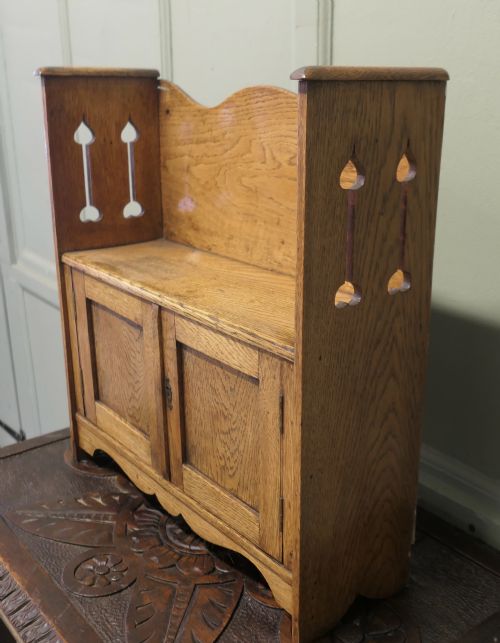
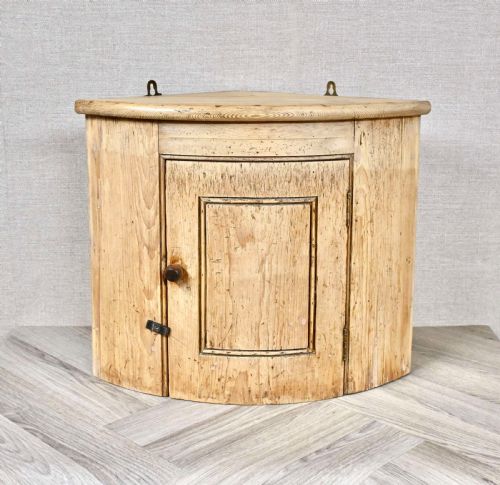
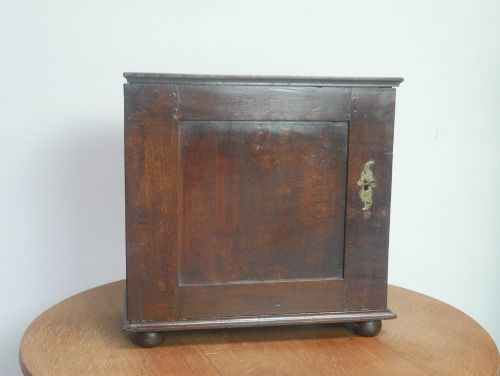
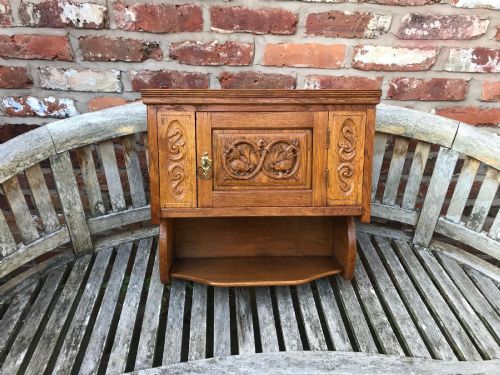
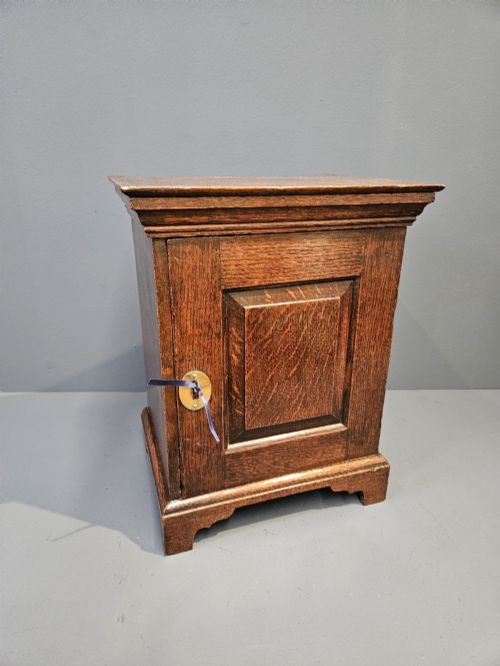
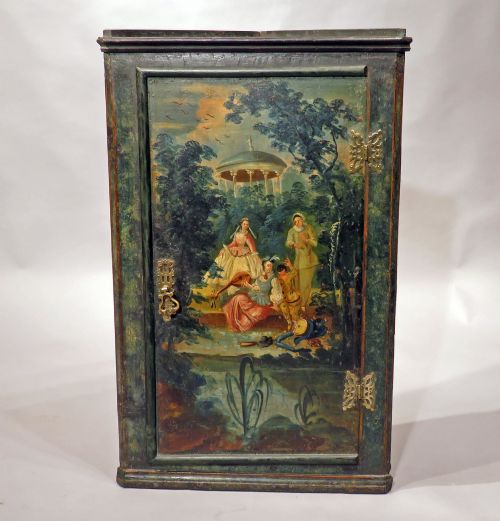
Small Hanging Cabinet
A small hanging cabinet lets you reclaim lost wall space while keeping your prized small items securely in sight.
Small Hanging Cabinet
When you search for a small hanging cabinet, you are looking at wall-mounted storage pieces designed to clear surfaces and display objects at eye level. These functional timber fixtures span centuries of domestic design, serving utility and ornament in equal measure.
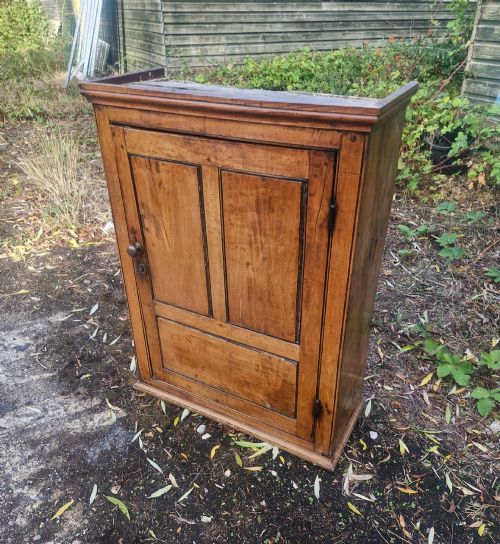
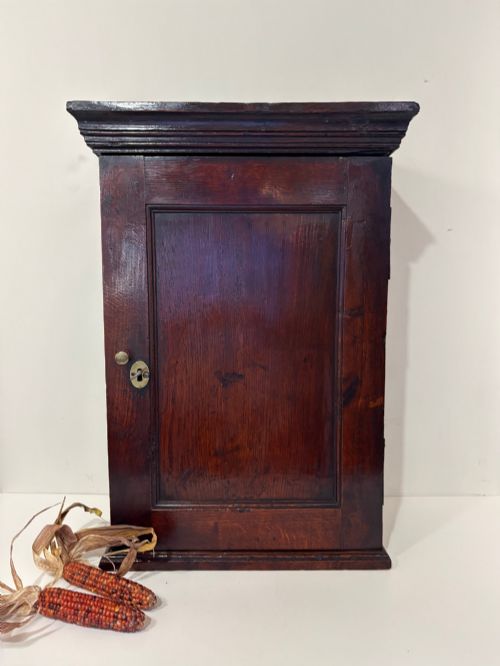
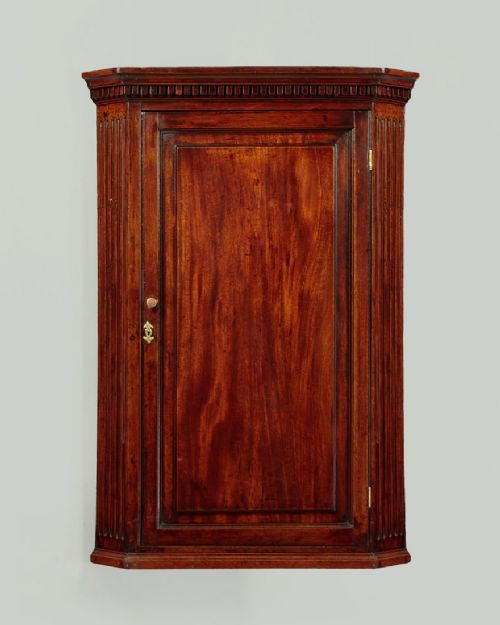
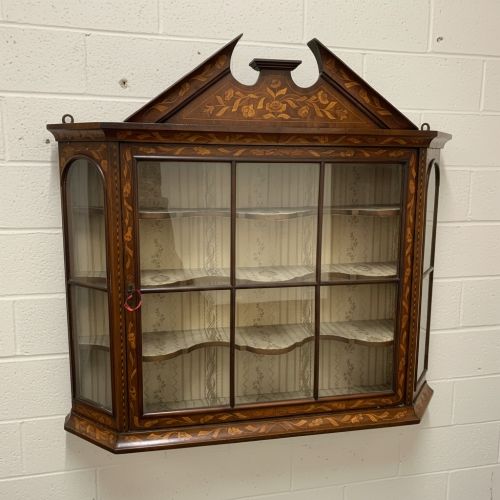
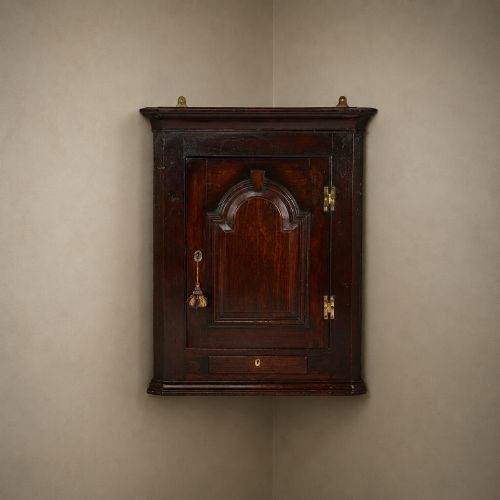
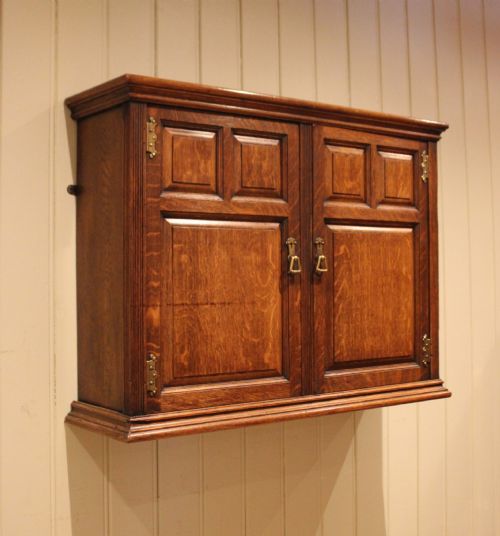
On this page, you will most frequently meet corner cupboards and flat wall cabinets rendered in sturdy oak, mahogany, or pine. They range from utilitarian 18th-century spice cupboards to refined Edwardian glazed display units.
Origins stretch from English workshops to French and Scandinavian provinces, encompassing distinct regional timber preferences. Whether configured with a single glazed door or heavy brass hinges on solid panels, each piece mounts directly to the wall.
How they were made
Cabinet makers built these pieces using solid timbers such as oak, mahogany, walnut, and pine, frequently combining denser hardwoods for exterior frames with softer pine for interior shelving and backs. Panels were often fielded or carved by hand, utilising traditional mortise and tenon joinery to withstand decades of hanging tension.
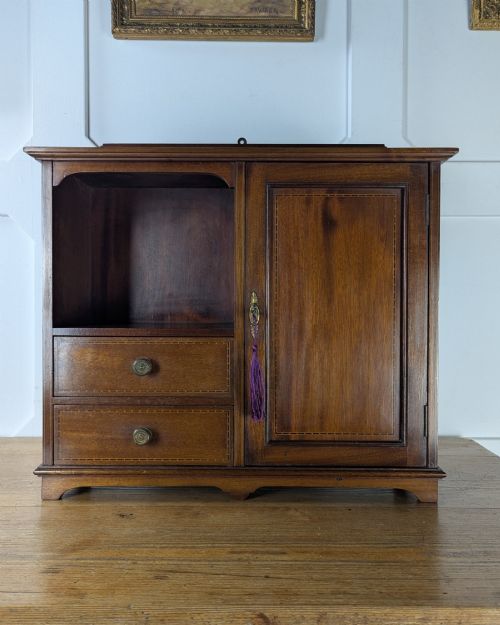
Surface treatments recorded in the evidence include hand-applied wax, painted finishes, marquetry inlay, and pokerwork decoration. Iron and brass hardware - including hinges, escutcheons, and working keys - secure the doors while adding metallic contrast to the timber surfaces.
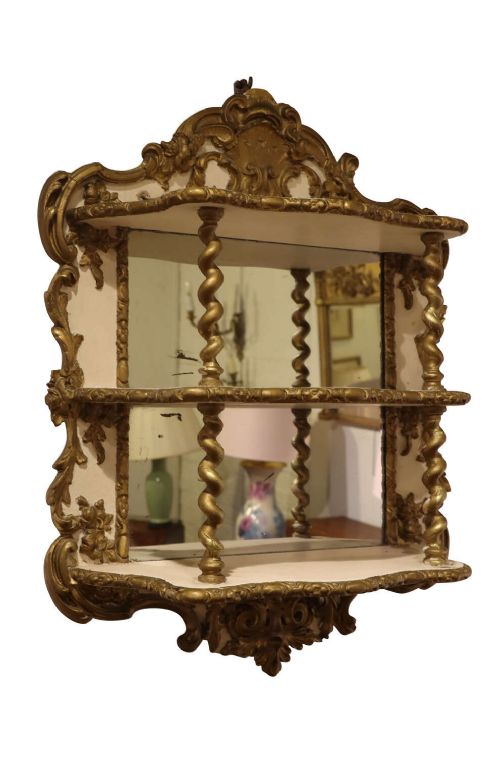
Glazing techniques secured glass panes within timber framing for display versions, while specialised units incorporated drawers, interior spice compartments, or tiered shelving to organise small household goods.
Several small cabinets are specifically designated as smokers' cupboards, once charged with keeping pipes, tobacco, and matches safely out of reach.
What varies in quality
Quality in these wall pieces rests upon timber selection and the crispness of cabinet-making execution. Master craftsmen chosen quartersawn oak or figured mahogany, ensuring stability and rich grain patterns that cheap pine or plain deals lack.
The refinement of decorative elements sets superior examples apart from standard utility cupboards. Hand-carved mouldings, precise marquetry inlay, and original brass or iron hardware elevate a simple box into an accomplished piece of decorative furniture.
Structural integrity also separates the range, evident in the tightness of corner joints and whether the hanging brackets or internal wall-fixing points remain solid and original to the piece.
The Small Hanging Cabinet Glossary
- Spice cupboard
- A small wall-mounted timber box traditionally fitted with internal drawers or shelves for storing dry goods and herbs.
- Marquetry
- The art of applying decorative pieces of veneer to a structure to form intricate pictorial designs and patterns.
- Pokerwork
- A decorative technique using a heated metallic point to burn designs into wooden surfaces, common in Arts and Crafts pieces.
- Escutcheon
- A flat plate of brass or iron surrounding a keyhole, serving both to protect the surrounding timber and decorate the door.
- Fielded panel
- A wooden panel with bevelled edges designed to fit securely into a surrounding frame while allowing for natural wood movement.
Small Hanging Cabinet: Frequently Asked Questions
What rooms suit a small hanging cabinet best?
Kitchens, hallways, and bathrooms provide ideal spaces for these compact wall-mounted units. They hold mugs, spices, or toiletries without occupying precious floor space.
In living areas or studies, glazed display versions serve well for showcasing small ceramics or glassware at eye level.
How do I tell an 18th-century cabinet from a later revival piece?
Examine the construction marks, timber patina, and interior surfaces for signs of age. Eighteenth-century pieces often display hand-sawn board marks, pegged joints, and wrought iron hardware rather than mass-produced screws.
Revival pieces from the Victorian and Edwardian eras typically mimic older styles like Chippendale or Georgian but utilise machine-cut elements and uniform internal linings.
Can I store heavy books in a wall hanging cabinet?
You should reserve these cabinets for lighter items such as porcelain, glassware, spices, or small linens. Their hanging mechanism and internal pine shelves are rarely engineered to bear the concentrated weight of stacked hardback books.
Overloading the internal shelving can warp the timber base or strain the structural wall fixings over time.