




Small Glazed Table
A small glazed table brings glass-topped display directly into the room, holding treasured collections close at hand.
Small Glazed Table
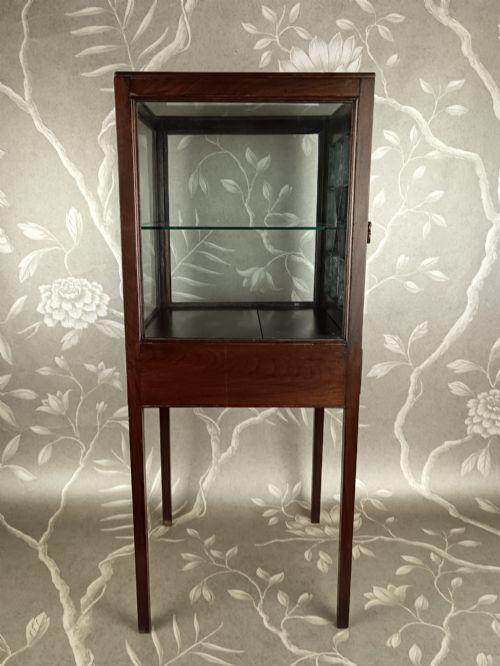
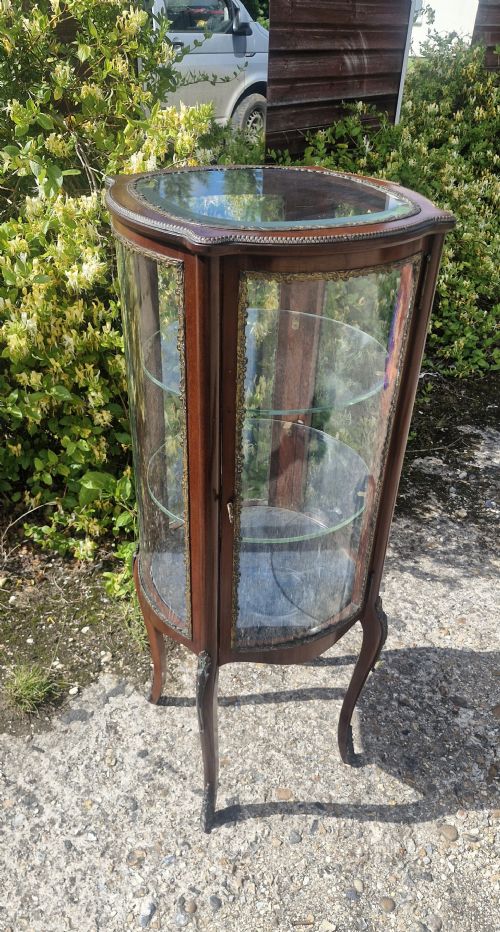
A small glazed table unites the compact footprint of an occasional piece with the protective top casing of a vitrine or bijouterie cabinet. These items appear across Victorian, Edwardian, and Georgian periods, manifesting most commonly as mahogany bijouterie tables with hinged glass lids.
Makers adapted these forms into kidney-shaped writing desks, table-top display cases, and oak Arts and Crafts cabinets. The primary function remains the exhibition of small collectibles, jewellery, and letters beneath transparent glass.
Materials and construction
Cabinetmakers utilised dense timbers such as mahogany, walnut, satinwood, and oak to build the structural frames and legs. Brass mounts, ormolu details, and marquetry inlay frequently embellish the outer surfaces.
Glass panels form the upper viewing areas, while interior surfaces often feature fitted linings of velvet or fabric to cushion delicate objects. Hinged lids permit easy access to the enclosed display space below.
Small Glazed Table Retail Price Guide 2026
Typical asking prices for small glazed table among the pieces listed under this phrase on Sellingantiques today, from the lower quarter to the upper quarter. They describe what is for sale here now, not the wider market.
The listings demonstrate a strong preference for Edwardian and Victorian periods, with mahogany and brass appearing as the dominant materials.
Judging quality
The fineness of timber veneers and the crispness of brass or ormolu mounts set superior examples apart from standard workshop output. Hand-cut inlay work and balanced proportions indicate higher workshop skill.
Structural integrity relies on tight joints in the legs and smooth operation of the hinged glass display lid. Original fabric linings and well-preserved brass hardware enhance desirability.
LIBERTY of LONDON·EDWARDS and ROBERTS
The Small Glazed Table Glossary
- Bijouterie table
- A small display table featuring a glazed compartment beneath the top surface for showing jewellery and small ornaments. These pieces typically stand on slender legs.
- Vitrine
- A glass-fronted or glass-topped cabinet designed for the display of curiosities. The evidence records these in mahogany, rosewood, and walnut.
- Ormolu
- Gilded bronze mounts applied to furniture for decorative effect. It appears frequently on French and English pieces from the nineteenth century.
- Marquetry
- The art of applying pieces of veneer to a structure to form decorative patterns. Craftsmen utilised various timbers to create these contrasting designs.
- Satinwood
- A durable timber with a characteristic golden lustre and smooth grain. It is often employed for decorative inlay work on elite tables.
Small Glazed Table: Frequently Asked Questions
What is a small glazed table used for?
These pieces serve as both functional furniture and miniature exhibition cases for personal collections. Owners typically place small precious items, medals, or jewellery inside the glass compartment.
The transparent top allows items to remain visible and protected from dust in a drawing room or study.
How do I distinguish Edwardian pieces from Victorian ones?
Victorian examples often employ heavier timbers like burr walnut and rosewood with darker finishes and substantial brass mounts. Edwardian variations tend to feature lighter mahogany frames with delicate inlay.
Looking at the overall silhouette reveals the transition from heavier nineteenth-century proportions to lighter early twentieth-century designs.
Are these tables suitable for everyday writing?
Some variants incorporate writing surfaces alongside the glass display compartments, functioning as compact desks or bonheur-du-jour tables. The primary design focus, however, remains display rather than heavy clerical work.
Using them for light correspondence preserves the delicate hinges and glass panels on the top surface.
What woods appear most frequently in these tables?
Mahogany forms the structural basis for the majority of listed examples, accompanied by walnut, oak, and satinwood. Cabinetmakers selected these timbers for stability and suitability for fine veneer work.
Secondary materials include brass for handles and mounts, alongside velvet or fabric for interior linings.