
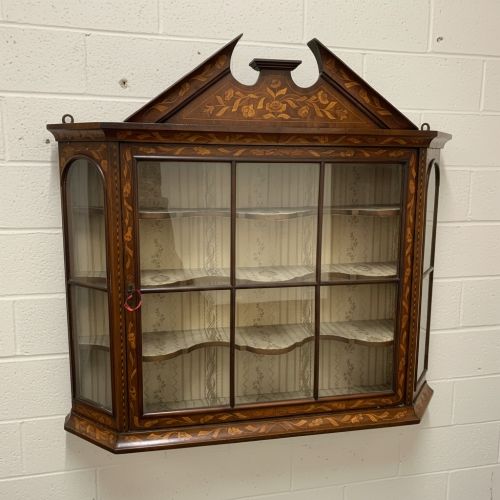


Small Glazed Showcase
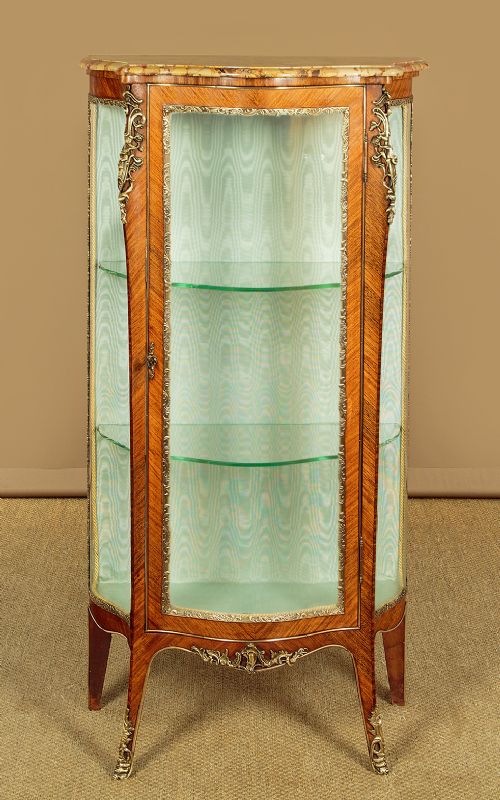
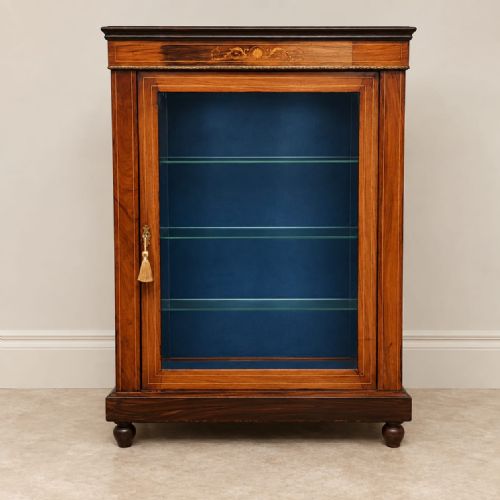
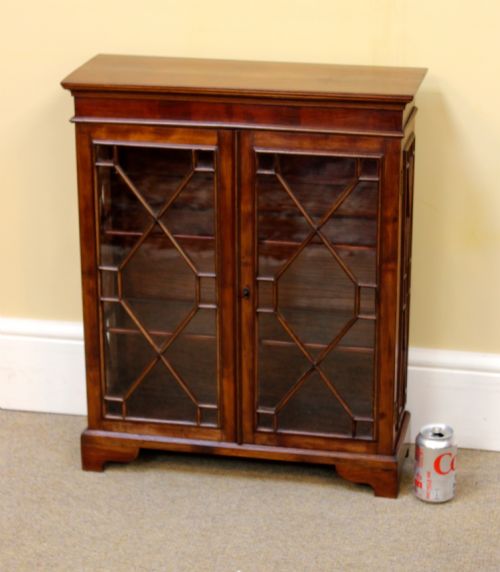
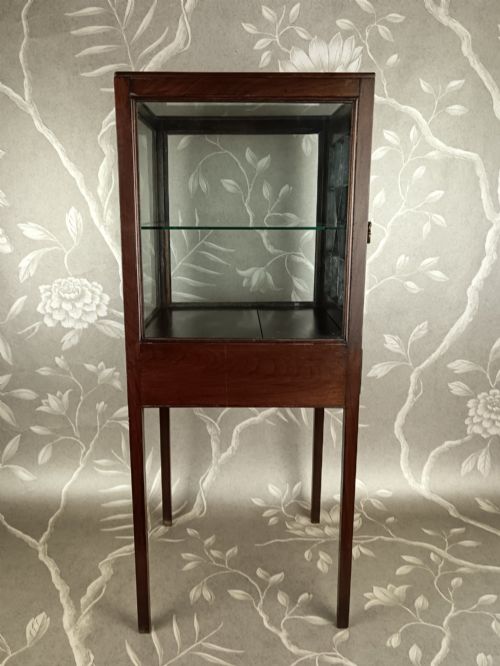
These small glazed showcases are compact cabinets and tables designed to exhibit precious objects, spanning periods from the Georgian era through to the 1930s.
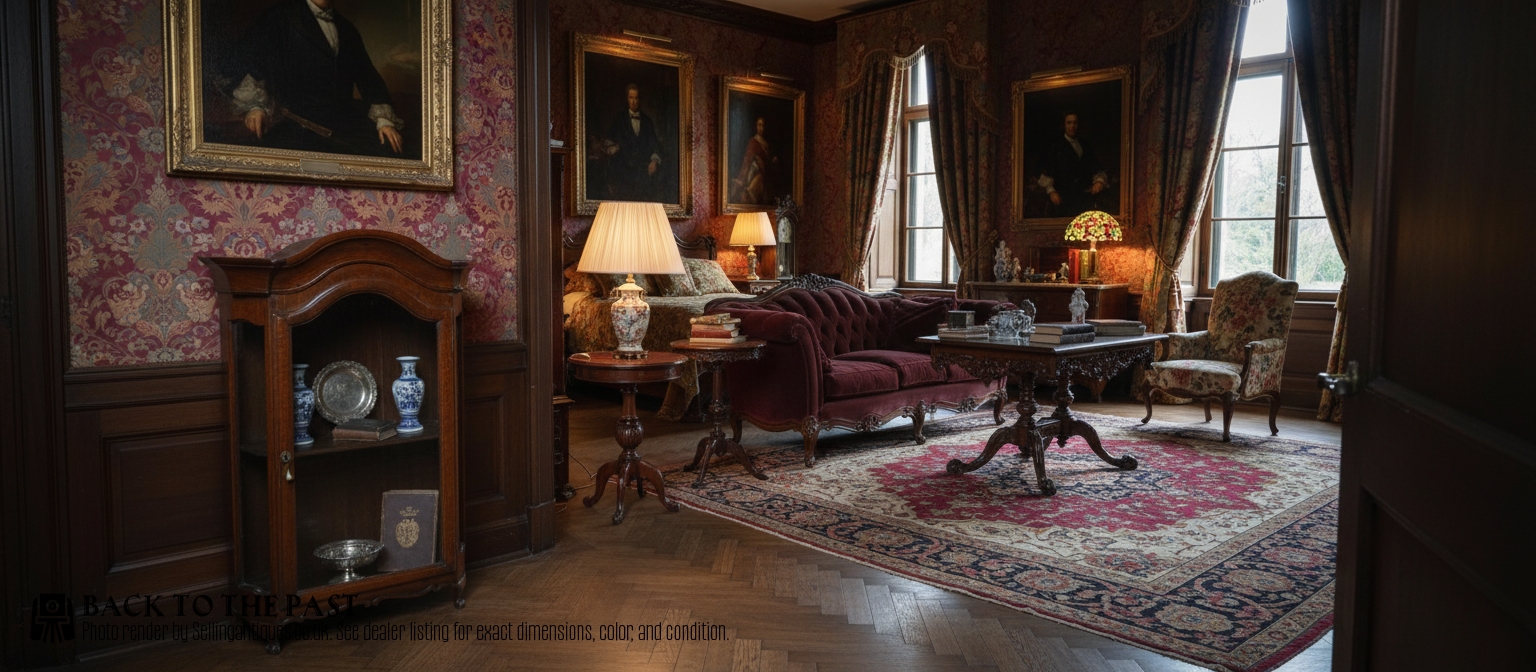
Small Glazed Showcase
A small glazed showcase encompasses display cabinets, bijouterie tables, miniature cabinets, wall cabinets, and display cases intended for tabletop or countertop use. The most common forms met on this page are Edwardian and 1920s oak or mahogany countertop cabinets and freestanding bijouterie tables.
Pieces range from 19th-century Georgian and Victorian designs to early 20th-century commercial, Art Deco, and Louis XV style items. They serve to protect small collections while keeping them fully visible from multiple angles through glass panels.
Origins stretch across British, Dutch, and continental workshops, incorporating styles such as Dutch Baroque, Art Nouveau, and Edwardian crossbanded craftsmanship. Buyers select them to house curios, jewellery, and small artefacts within domestic or retail settings.
Quality factors
The refinement of timber selection and the precision of inlays, such as satinwood crossbanding or Dutch marquetry, set superior pieces apart from standard commercial boxes. Finer examples display meticulous joinery and harmonious proportions across miniature cabinets and vitrines.
The integration of materials, notably the weight of the brass fittings and the clarity of the glass relative to the primary wood like mahogany or burr walnut, dictates the overall execution of the showcase.
Listings feature items spanning the Georgian, Victorian, Edwardian, and 1930s periods, constructed from mahogany, oak, walnut, rosewood, and glass.
The Small Glazed Showcase Glossary
- Bijouterie table
- A glass-topped display table specifically designed for showing jewellery, medals, and small decorative items. These tables usually feature hinged lids and fabric-lined interiors.
- Vitrine
- A glass-fronted or glass-sided cabinet used for displaying fine objects or porcelain. The term often describes pieces influenced by continental styles such as Louis XV.
- Pier cabinet
- A low or tall cabinet designed to fit against a narrow section of wall between windows. Victorian examples frequently incorporate glazed doors and wood framing.
- Crossbanding
- A decorative border technique where strips of veneer are laid perpendicular to the grain of the primary wood. This method appears on Edwardian and Georgian furniture to frame panels.
- Marquetry
- The art of applying pieces of veneer to a structure to form decorative patterns and pictures. Dutch examples from the 18th century often utilise floral and figurative designs.
Small Glazed Showcase: Frequently Asked Questions
What fits inside a small glazed showcase?
These cabinets and tables suit small collectibles, pocket watches, medals, porcelain figures, and jewellery. Countertop and tabletop versions provide secure containment for items meant to be viewed closely from above or the side.
Miniature cabinets and wall-mounted versions allow collectors to display delicate artefacts without taking up floor space in a room.
How do I date a display cabinet?
Dating relies on combining the timber species, decorative styles, and construction methods visible in the piece. Georgian and Victorian examples show traditional cabinet-making traits, whereas 1920s commercial and apothecary pieces often utilise simpler ebonised or oak frames.
Stylistic cues like Art Nouveau curves or Edwardian crossbanding help narrow the decade of manufacture alongside any historical hardware or sign-writing present.
Where were countertop cabinets used?
Countertop display cases and shop cabinets originated in late 19th-century and early 20th-century retail environments, including jewellers, apothecaries, and general merchant shops. They allowed shopkeepers to present small wares to customers while keeping stock protected behind glass.
Later versions transitioned into domestic settings for private collections as interest in small-scale display furniture grew.
Are bijouterie tables secure?
Bijouterie tables feature glass panels set into hinged tabletops that lift to grant access to the lined interior. While they offer visibility and basic protection from dust, antique locks and glass tops mean they function primarily as display furniture rather than modern security safes.
Placed carefully within a room, they provide stable platforms for handling and viewing delicate objects.