



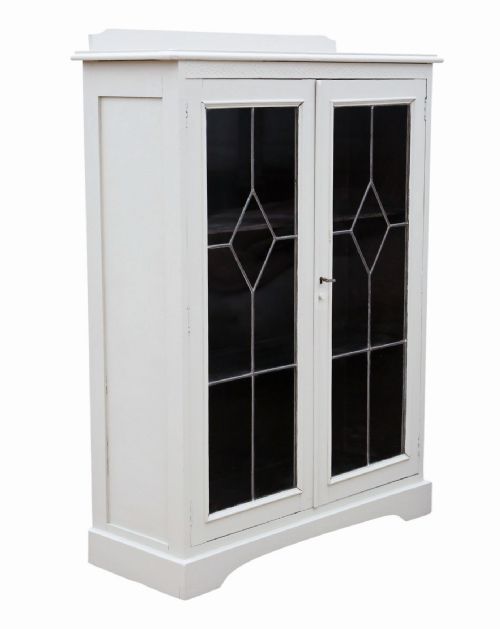
Small Glass Vitrine
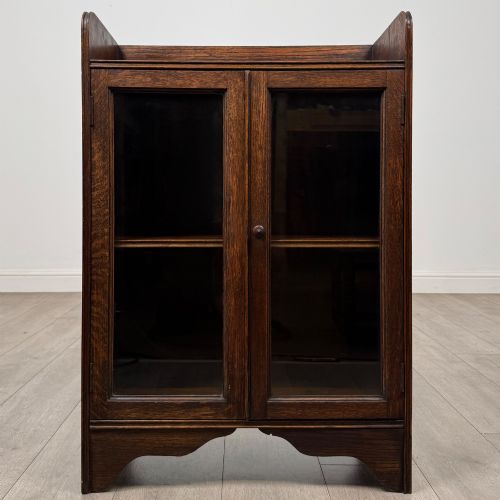
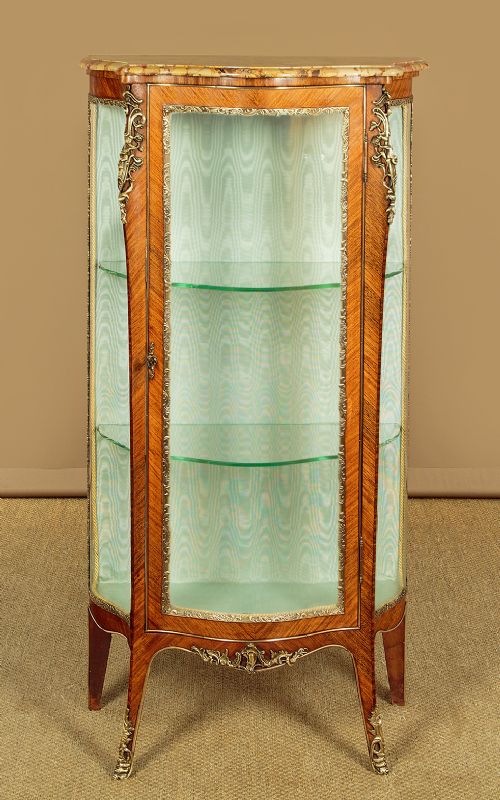
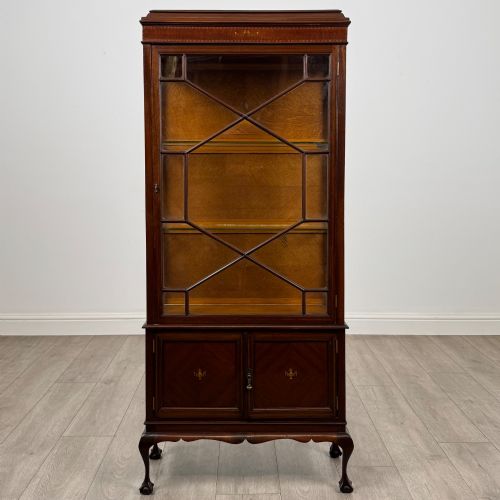
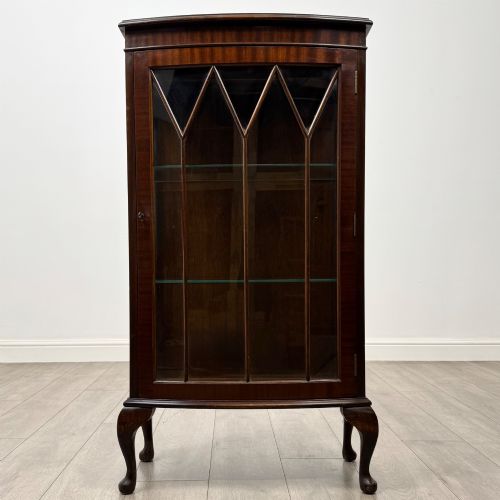
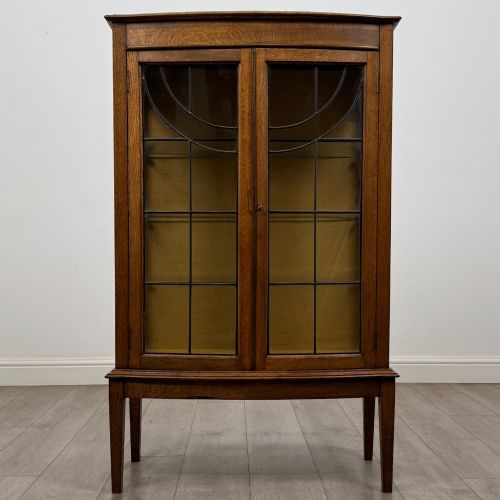
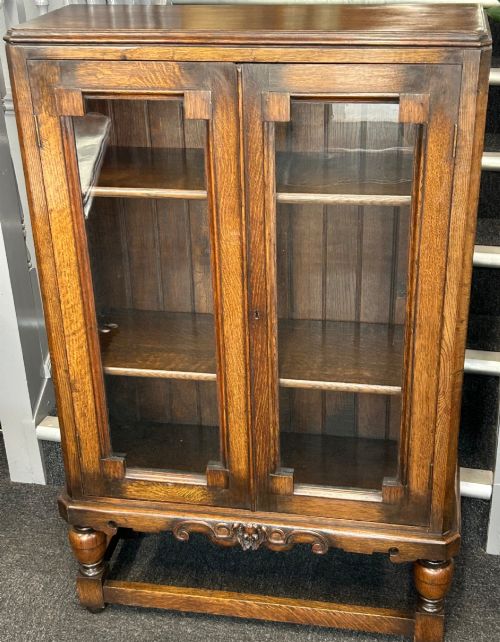
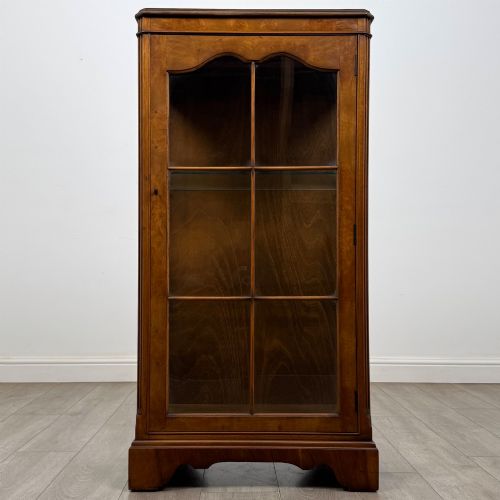
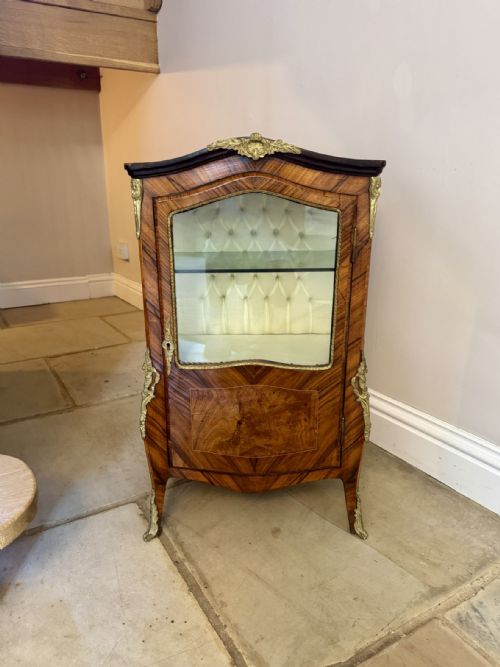
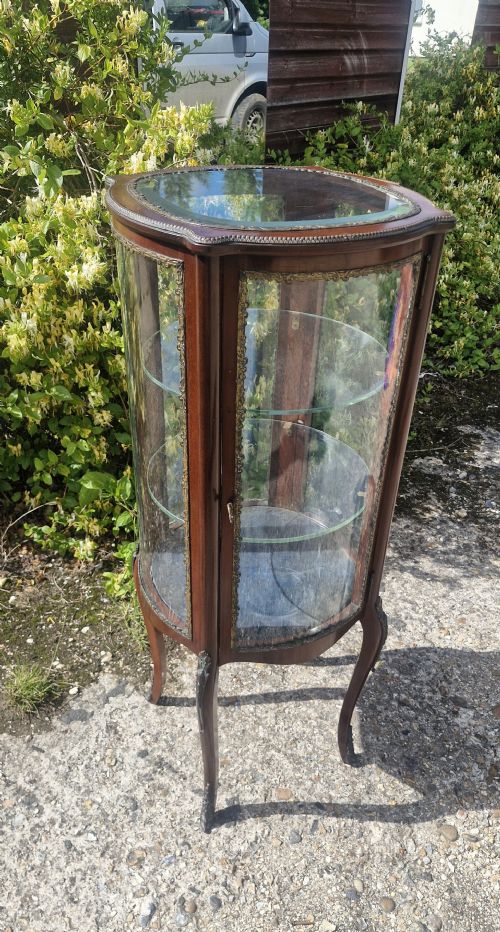
A small glass vitrine offers a polished timber frame and transparent panels designed to showcase curated objects, shifting in style from Edwardian mahogany to Louis XV revival.
Small Glass Vitrine
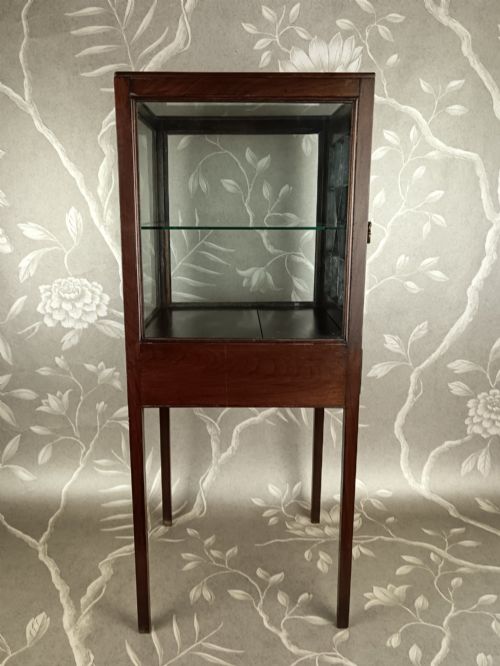
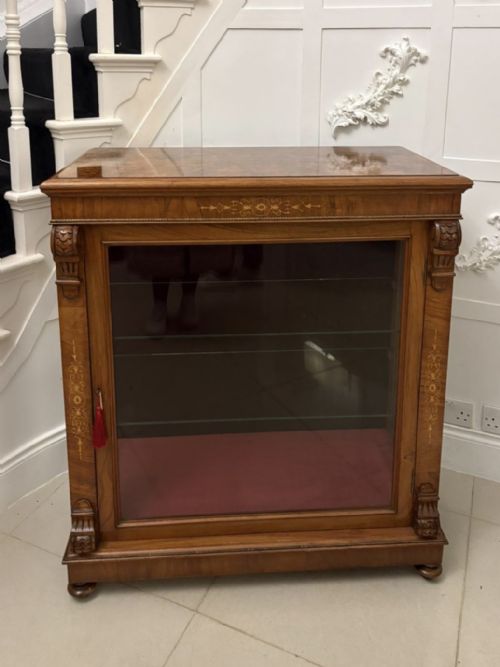
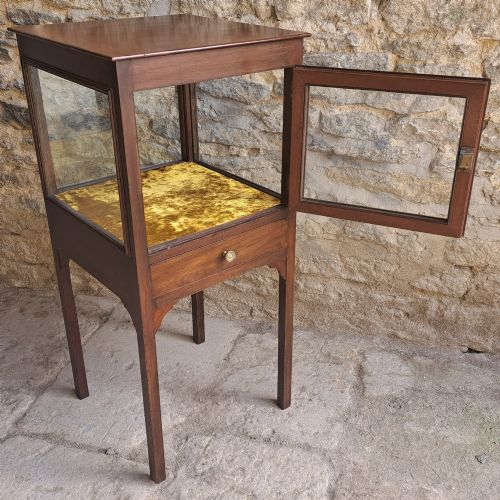
When you search for a small glass vitrine, you look at compact display furniture built to hold porcelain, silver, and personal collections in domestic rooms. These pieces appear in forms such as floor-standing cabinets, countertop cases, hanging wall units, and low bijouterie tables with glazed tops.
The versions most common on this page date predominantly from the Edwardian period and the late nineteenth century, alongside later twentieth-century interpretations. They combine timber carcases with extensive glass panels to maximise light across the displayed contents.
Originating in domestic parlours and drawing rooms, these cabinets bridge functional storage and decorative display. Their proportions suit smaller spaces while maintaining the architectural detailing of larger period furniture.
Materials and construction
Cabinet makers constructed these pieces using timbers like mahogany, walnut, oak, and rosewood, frequently enhanced with contrasting veneers such as satinwood and kingwood. Wood selection dictated the primary tone of the furniture, from deep red mahogany to richly figured walnut.
Glazing forms the central structural requirement, held within wooden frames or supported by gilt metal mounts and ormolu details. Interior surfaces often retain original fabric linings in velvet or silk to cushion delicate objects.
Joinery methods relied on traditional cabinet-making standards, incorporating precise framing to support heavy glass doors and curved or concave side panels without losing structural rigidity.
Listings feature woods including mahogany, oak, walnut, and rosewood, paired with glass, brass, ormolu, and velvet.
Distinctions in quality
Quality reveals itself in the crispness of timber inlay, the weight and finish of ormolu or gilt metal mounts, and the integration of curved glass panes. Finer examples display meticulous hand-cut marquetry and carefully selected wood grain rather than simple printed decoration.
The engineering of doors, hinges, and locking mechanisms separates standard production from superior workshops. Smoothly operating glazed doors and well-fitted internal shelving indicate a higher standard of original manufacture.
The Small Glass Vitrine Glossary
- Vitrine
- A glass-fronted cabinet or display case designed specifically for showing porcelain, curiosities, or fine objects. These pieces often feature glass on the top and sides to allow maximum illumination of the contents.
- Bijouterie table
- A low display table with a glazed top and a shallow compartment beneath for jewellery and small collectables. They frequently stand on slender legs and serve as both furniture and tabletop vitrines.
- Ormolu
- Gilded bronze mounts applied to furniture for decorative enrichment, popular during the nineteenth century in revival styles. The material adds metallic contrast to dark cabinet timbers.
- Pier cabinet
- A narrow cabinet designed to fit the wall space between windows, typically featuring a single glazed door and wood or inlaid surfaces. Victorian examples often incorporate mirrored backs to reflect light.
- Inlay
- A technique where contrasting woods, brass, or shell are fitted into the surface of a primary timber to form decorative patterns. Edwardian pieces frequently utilise this method with delicate floral or geometric motifs.
Small Glass Vitrine: Frequently Asked Questions
What fits inside a small glass vitrine?
These cabinets suit small decorative items, tea sets, silver, and personal collections that benefit from dust-protected display. The internal depth and shelf spacing govern the scale of the objects you choose to arrange inside.
Floor-standing and wall-mounted versions hold taller porcelain figures or books, while table variants keep flat items and jewellery visible beneath the glass top.
How do I care for period wood and glass?
Maintenance requires gentle dusting with a soft, dry cloth and avoiding harsh chemical polishes that can degrade nineteenth-century timber finishes. Protecting the piece from direct sunlight prevents the fading of mahogany, walnut, and internal velvet fabrics.
Checking brass hinges and structural joints periodically ensures the heavy glazed doors continue to hang properly without straining the frame.
How can I date an Edwardian vitrine?
Edwardian pieces, dating from roughly 1901 to 1910, often feature light mahogany timbers combined with delicate satinwood inlay and slender tapering legs. Construction methods from this era show machine-sawn components alongside hand-finishing.
Comparing the decorative motifs, such as neoclassical swags or Edwardian floral marquetry, against known stylistic periods helps confirm the decade of manufacture.
Where should I place a countertop display case?
Countertop and wall-hanging versions work well on sideboards, tables, or unobstructed wall expanses where eye-level viewing highlights the contents. Ensure the supporting surface is level to prevent distortion of the glazed wooden frame.
Positioning them away from high-traffic walkways protects the glass panels and delicate ormolu mounts from accidental knocks.