
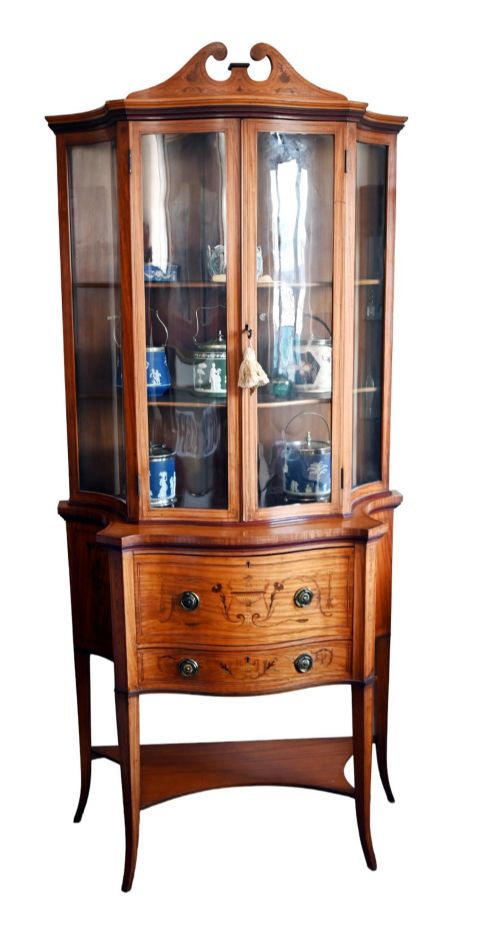


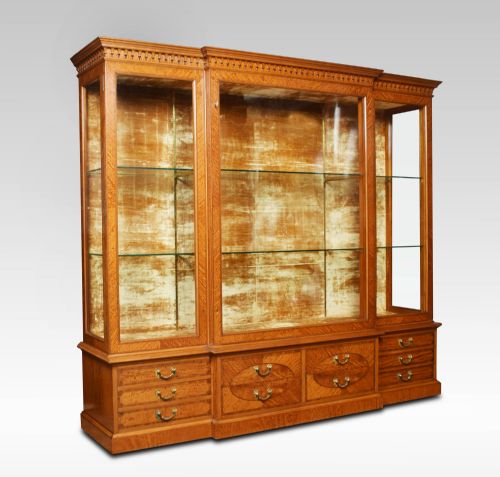


Golden Wood Vitrine
These golden wood vitrine pieces are refined display cabinets and salon tables designed to showcase treasured possessions in style.
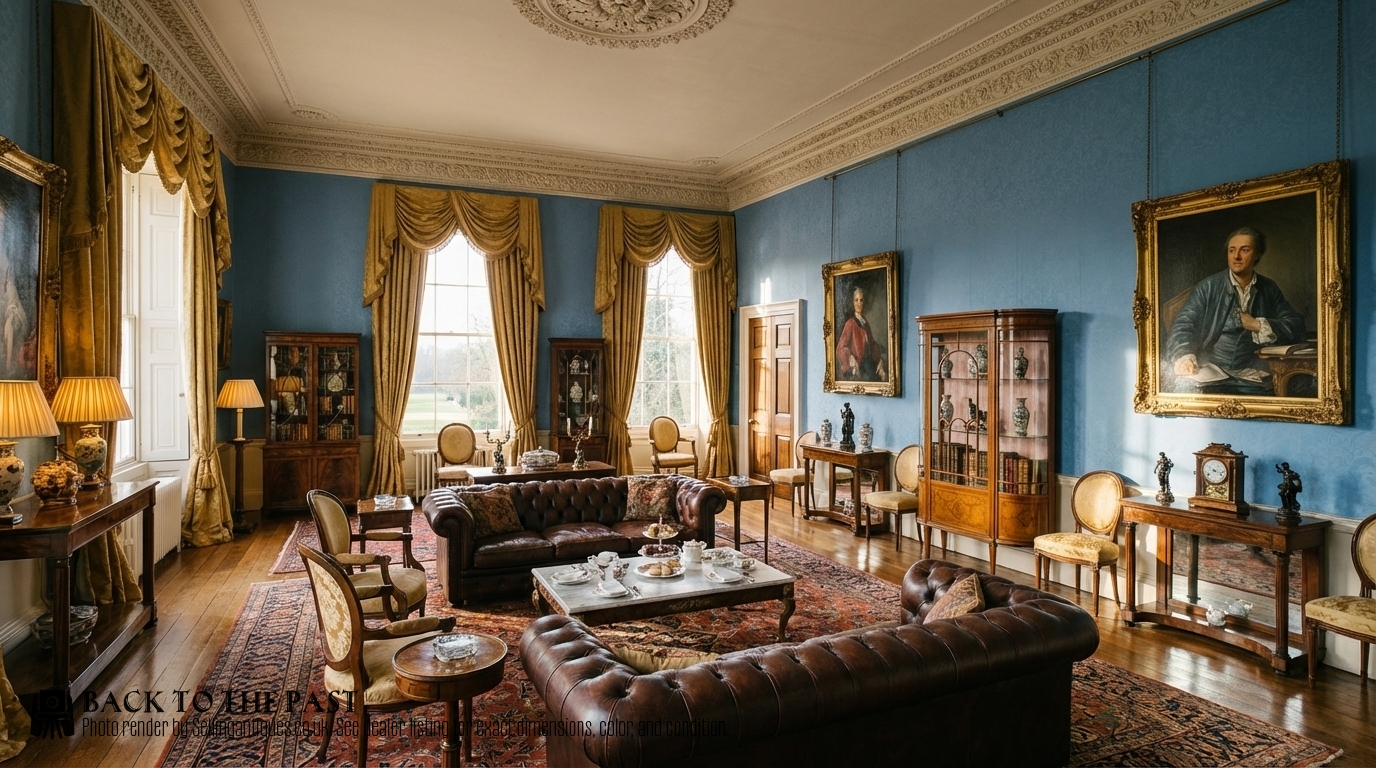
Golden Wood Vitrine
When you search for a golden wood vitrine, you are looking at sophisticated display cabinets and vitrines fashioned primarily from satinwood, burr walnut, and bird's eye maple. These items emerge predominantly from the Victorian, Edwardian, and late nineteenth century periods, with occasional Georgian and Art Deco examples appearing.
The forms span upright display cabinets, sideboards, credenzas, and kidney-shaped bijouterie tables. The Satinwood Display Cabinet is the version you are most likely to meet on this page, often detailed with marquetry and brass mounts.
Makers and workshops from these eras utilised light timbers to brighten Victorian and Edwardian interiors. Each piece serves the dual purpose of functional storage and decorative exhibition.
How they were made
The construction of these cabinets relies heavily on figured timber veneers such as satinwood and bird's eye maple applied over a stable wood carcase. Marquetry inlay adds intricate botanical or geometric patterns into the surface of the wood.
Glass panels are fitted into doors to allow light to enter the display interior, sometimes complemented by fabric linings. Brass hardware and mounts finish the joints and key escutcheons.
Golden Wood Vitrine Retail Price Guide 2026
Typical asking prices for golden wood vitrine among the pieces listed under this phrase on Sellingantiques today, from the lower quarter to the upper quarter. They describe what is for sale here now, not the wider market.
Kidney-shaped bijouterie tables were built so ladies could safely inspect their miniature treasures without dropping them.
What varies in quality
The distinction between standard domestic items and exhibition pieces lies in the choice of timber figure and the precision of the marquetry inlay. Cabinets boasting continuous matching grain across the doors and serpentine fronts demand superior cabinet-making skill.
Finer examples integrate curved glass panels and delicate brass detailing that remain intact and flush with the surrounding wood. The depth of the timber polish and the crispness of the inlaid decoration dictate the visual presence of the furniture.
The Golden Wood Vitrine Glossary
- Vitrine
- A glass-fronted display cabinet designed for showing porcelain, curiosities, and small collectibles. These pieces often feature glazed sides to maximise light exposure.
- Satinwood
- A lustrous hardwood native to Ceylon and India, prized for its golden yellow colour and reflective grain. It became a defining material for refined British cabinet-making during the eighteenth and nineteenth centuries.
- Marquetry
- The art of applying small pieces of veneer to a structure to form decorative patterns and pictures. Craftsmen selected contrasting woods to create shaded pictorial effects.
- Bijouterie table
- A glass-topped table constructed specifically for displaying jewellery and small decorative objects. They often feature hinged lids and fabric-lined interiors.
- Serpentine
- A furniture front or shelf shaped with a curving contour that convexly bulges in the centre and concavely recesses at the sides. This contour requires expert woodworking precision.
Golden Wood Vitrine: Frequently Asked Questions
What is a vitrine used for?
A vitrine is designed primarily to display and protect fragile collectibles, porcelain, and small decorative items behind glass panels. The enclosed space keeps dust away while allowing objects to be viewed from multiple angles.
Historically, these cabinets occupied drawing rooms and parlours where hosts exhibited their most prized acquisitions to visiting guests.
How do I care for satinwood furniture?
Satinwood furniture requires gentle dusting with a soft, dry cloth and protection from direct sunlight to prevent the golden timber from fading. Avoid using silicone-based polishes that can build up a film on the antique surface over time.
Maintaining a stable room temperature and humidity level prevents the wood veneers and delicate marquetry from lifting or cracking.
How do I date a display cabinet?
Dating a display cabinet involves examining the timber species, construction joints, brass hardware, and overall stylistic characteristics of the period. Victorian and Edwardian pieces often exhibit distinct marquetry motifs and cabinet proportions that separate them from later reproductions.
Comparing the secondary woods used on the interior backboards and drawer linings provides additional clues regarding the manufacturing era.
Where should I place a vitrine?
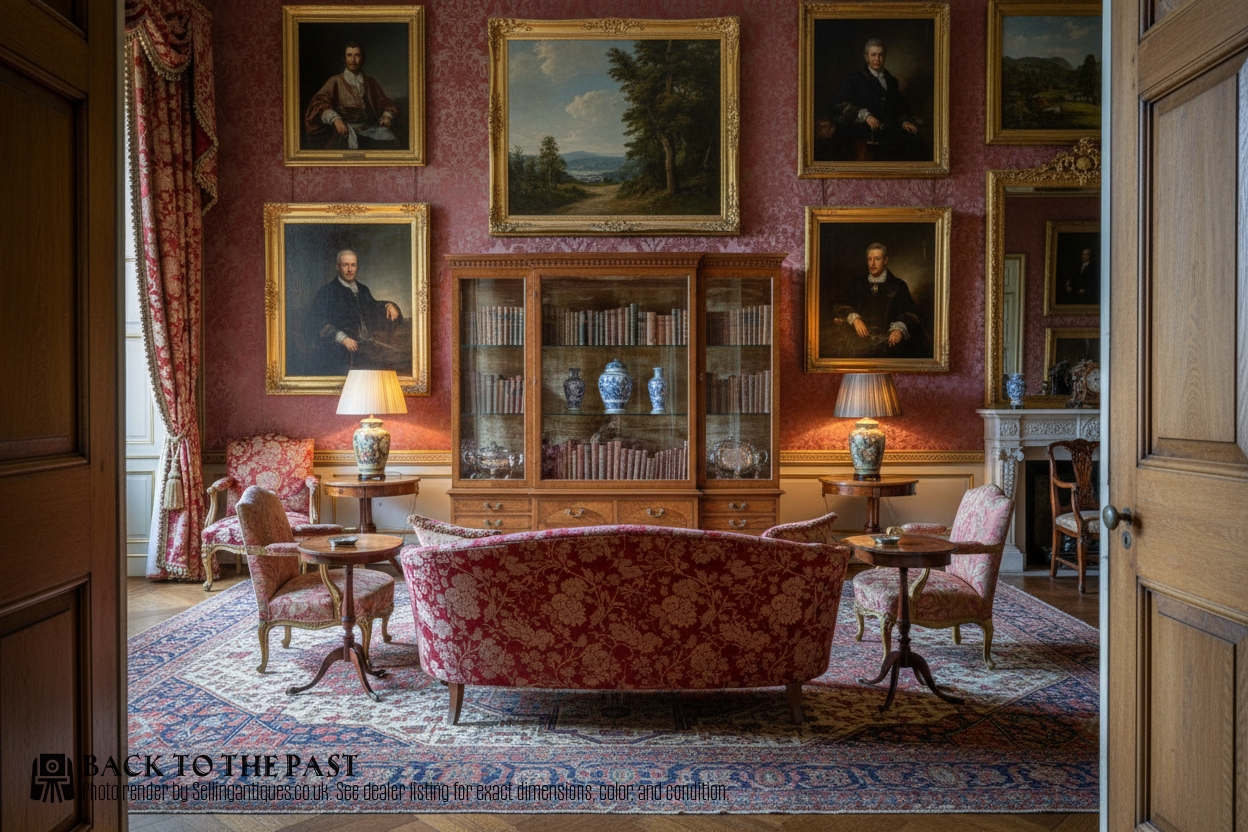
A vitrine suits reception rooms, living spaces, and hallways where natural or artificial light can pass through the glass panels. Positioning the cabinet away from direct heat sources and radiators protects the antique wood and glue joints.
Allowing sufficient clearance around doors ensures that glazed panels and hinges can be accessed safely.