




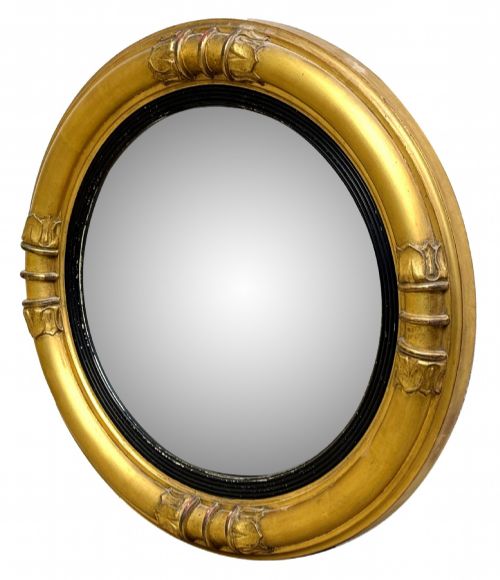

Small Gilt Wall Mirror
A small gilt wall mirror brings warmth and reflected light to a compact space, combining golden tones with period craftsmanship.
Small Gilt Wall Mirror
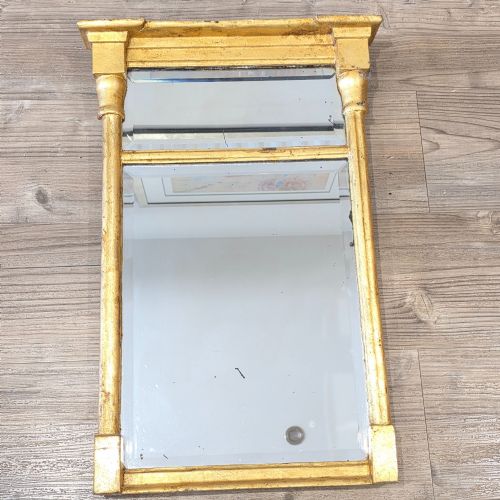
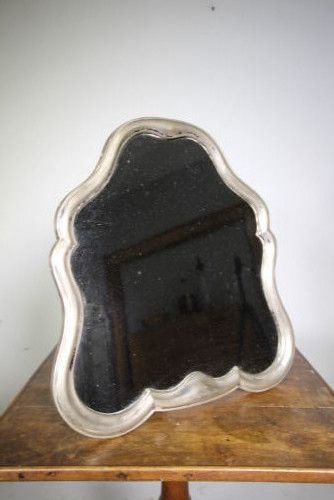
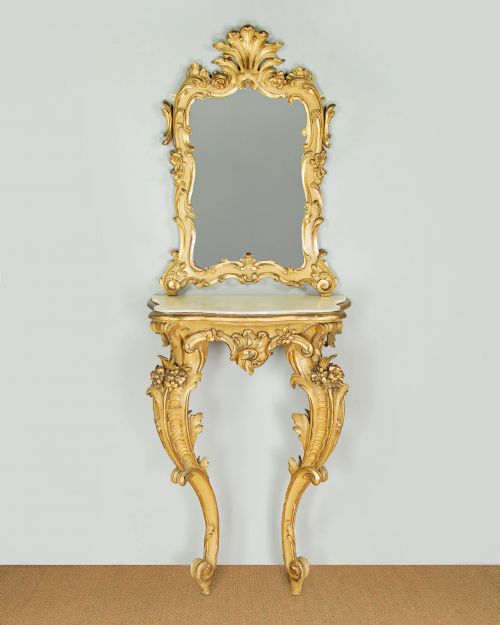
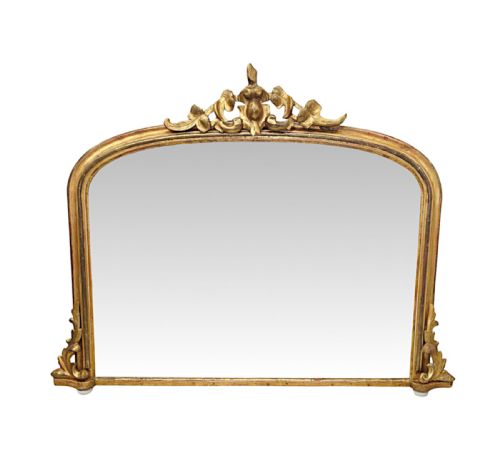
A small gilt wall mirror serves as a decorative focal point in compact spaces, reflecting light while adding a touch of period elegance to a room. When searching for a small gilt wall mirror, buyers encounter a diverse range of forms spanning from the eighteenth century to the early twentieth century.
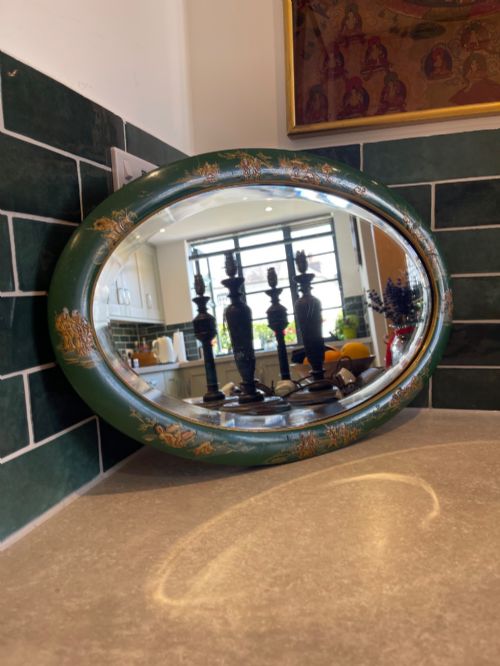
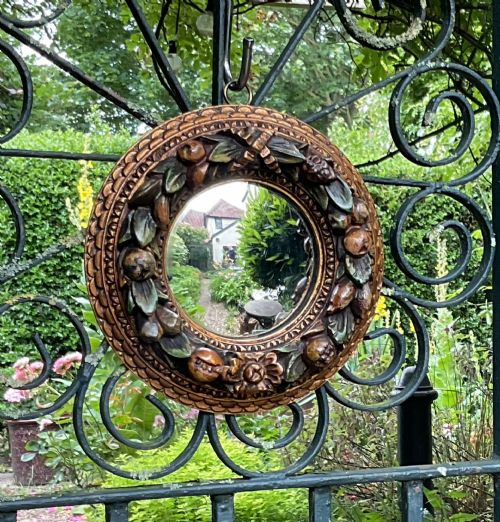
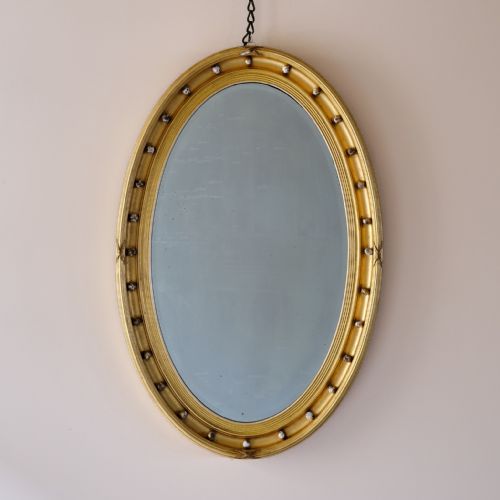
The selection frequently includes circular convex glasses, rectangular pier mirrors, and ornate oval frames influenced by Regency, Victorian, and Rococo styles. English and French origins appear often alongside Italian Florentine carvings and Venetian micro mosaic details.
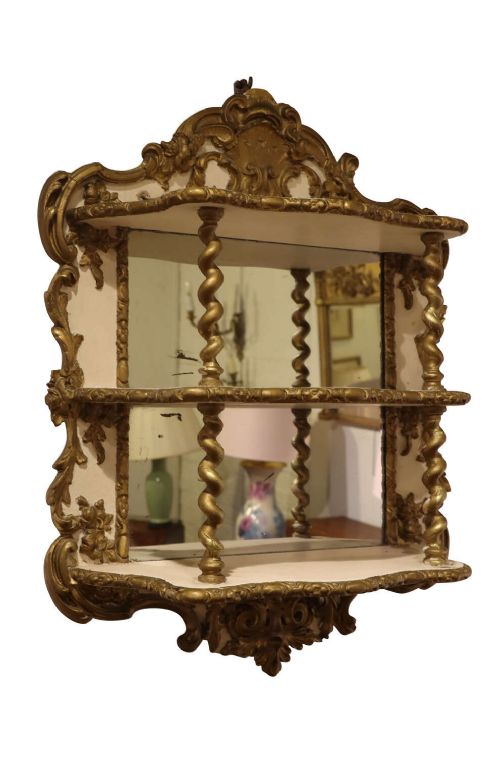
Many examples integrate carved wood, gesso, and painted surfaces, sometimes accompanied by console tables, shelves, or matching pairs. These compact decorative objects bring historical character to hallways, boudoirs, and drawing rooms without dominating the wall.
How they were made
Craftsmen built the underlying structures of these frames using timber such as sycamore, pine, or ebonised wood, shaping them into clean rectangular, oval, or round profiles. Many pieces incorporate moulded gesso applied over wood to build up intricate floral, scroll, or rope-twist relief ornamentation.
Gilding techniques involved laying gold leaf or silver leaf onto the prepared surfaces, often utilising water gilding methods to achieve a brilliant metallic sheen. Finishers sometimes added painted elements, Japanning, or dark accents to highlight carved details and create depth within the frame design.
Listings feature periods from the eighteenth century through the Edwardian era, utilising materials including ebonised wood, gesso, and gold leaf.
What varies in quality
The depth and crispness of the hand-carving distinguish finer frames from simpler moulded versions, particularly in floral motifs and classical scrollwork. Superior gilt surfaces display the subtle warmth of genuine gold leaf applied over well-prepared gesso, contrasting with flat or uniformly sprayed metallic paints.
The character of the mirror plate itself contributes significantly to the overall presence of the object, with authentic foxing and original glass adding historical depth. Structural integrity in the underlying timber joinery ensures the frame supports the weight of the glass safely over generations.
The Small Gilt Wall Mirror Glossary
- Gesso
- A plaster-like mixture applied to wooden frames as a smooth base for subsequent gilding or painting. It allows artisans to carve intricate relief details before applying gold leaf.
- Convex mirror
- A round glass mirror with a curved surface that reflects a wide, distorted field of view. These pieces are often called bull's-eye or sorcerer's mirrors.
- Pier mirror
- A tall, narrow mirror traditionally hung on the wall space between two windows. They often sit above small console tables or matching wall shelves.
- Giltwood
- Timber that has been coated with a thin layer of gold leaf or gold paint. This technique gives the appearance of solid gold while keeping the frame relatively lightweight.
- Foxed plate
- A mirror glass showing age-related spots, discoloration, and oxidation. Collectors appreciate this patination as proof of great age and authenticity.
Small Gilt Wall Mirror: Frequently Asked Questions
Where should I hang a convex mirror?
A convex mirror works best in hallways, dining rooms, or smaller living spaces where the wide-angled reflection opens up the room visually.
Because these round glasses capture an entire interior landscape, positioning them opposite a window or light source maximises the reflected illumination.
How do I identify a Regency period mirror?
Regency mirrors often feature classical motifs such as reeded frames, ebonised details, ball-stud accents, and circular convex glass plates.
These pieces reflect the early nineteenth-century taste for neoclassical design, frequently incorporating eagle crests or simple rope-twist borders.
What is a French marriage mirror?
A French marriage mirror is a traditional decorative wall piece historically given as a wedding gift in nineteenth-century France.
These items frequently incorporate symbolic floral carvings, gilt brass accents, and delicate arched frames designed to celebrate matrimonial unions.
How do I clean antique gilt frames?
Cleaning antique gilt frames requires a very gentle approach using a soft, dry brush to remove dust from delicate gesso and carved details.
Water and chemical cleaning agents can damage fragile gold leaf or historical finishes, so professional conservation advice should be sought for stubborn grime.