
Small Georgian Side Table
A small georgian side table brings period proportion and honest timber utility into a room without dominating the floor space.
Small Georgian Side Table
A small georgian side table is a compact domestic furnishing intended for practical use beside seating or against hallway walls, emerging primarily from eighteenth and early nineteenth-century workshops.
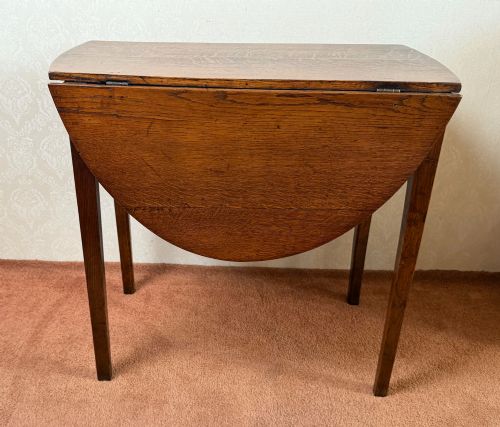
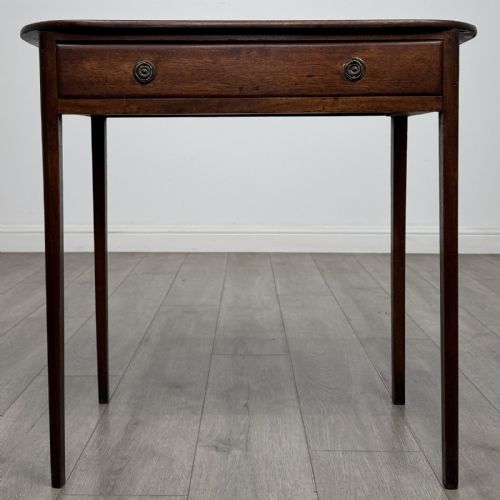
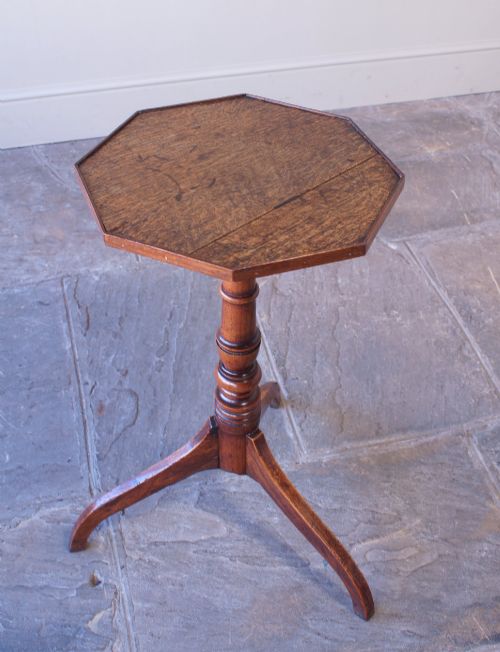
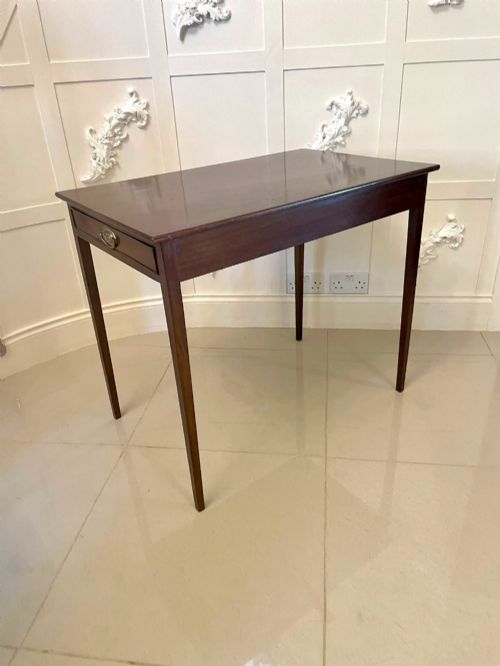
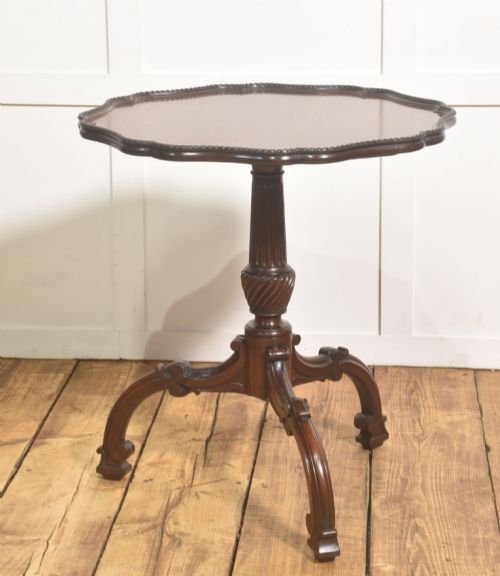
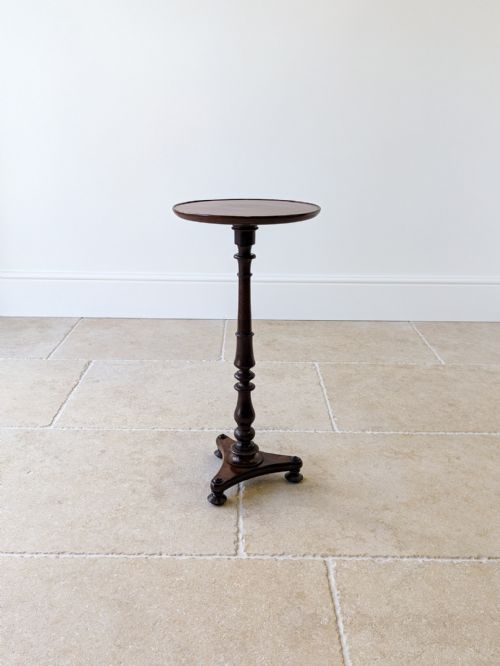
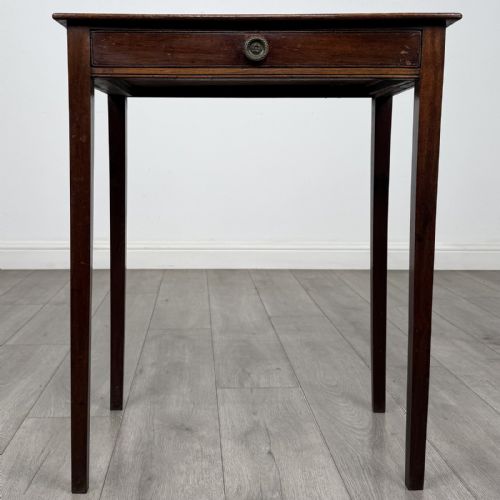
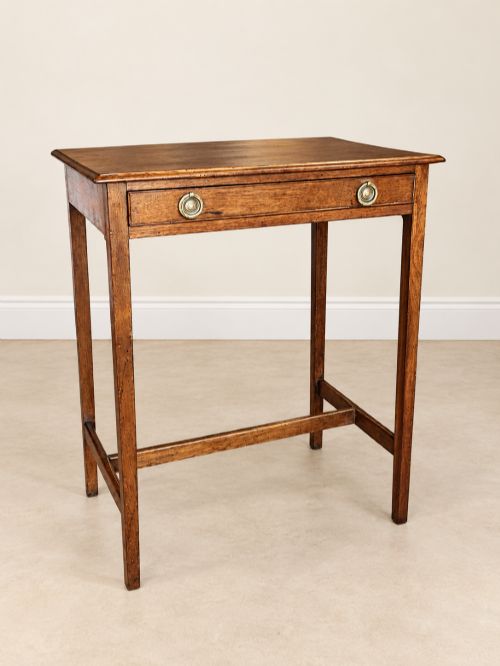
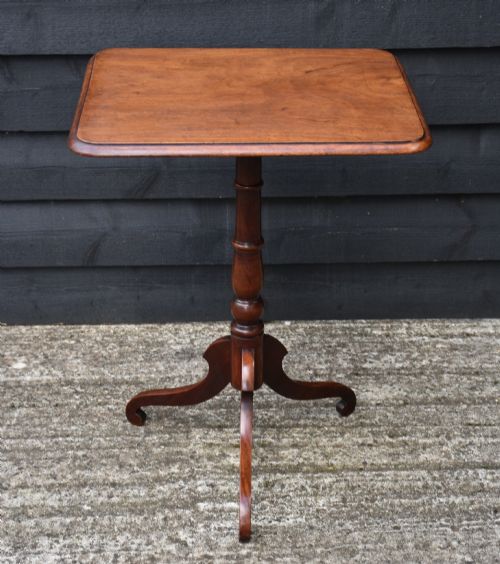
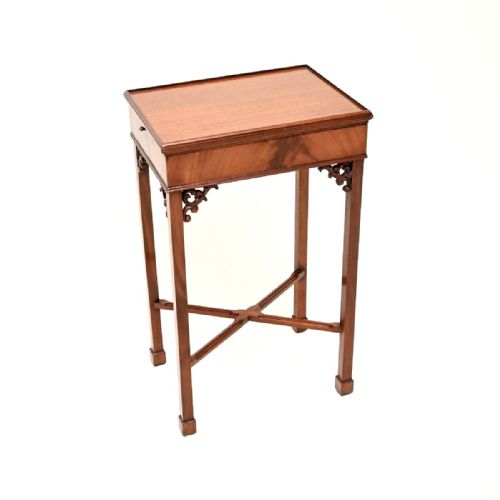
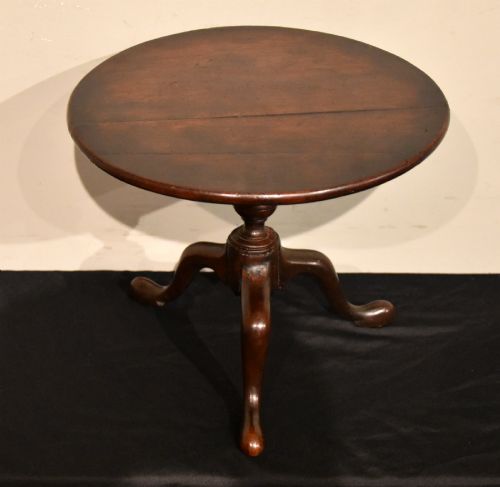
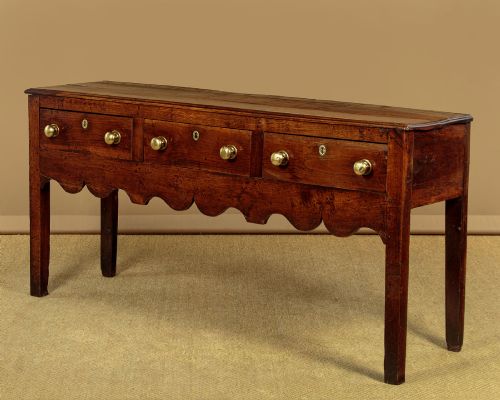
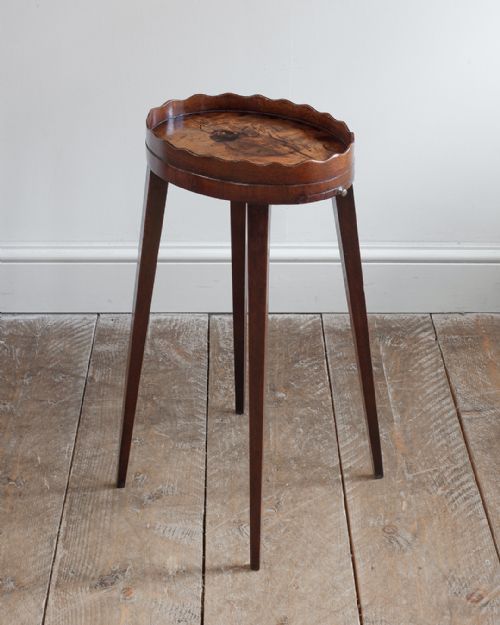
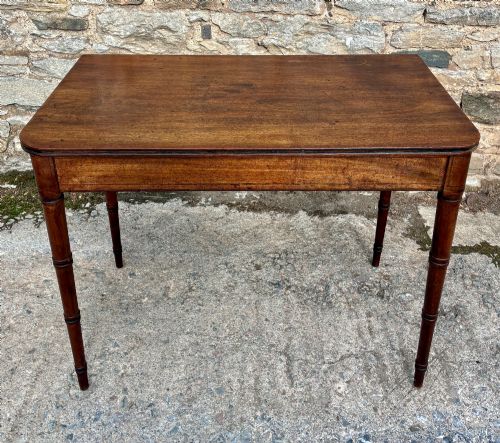
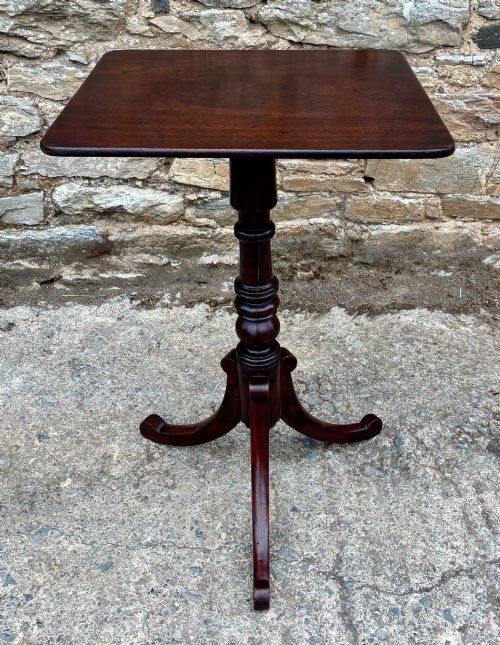
The versions most frequently encountered on this page are mahogany or oak pieces featuring single drawers, drop leaves, or tripod pedestals designed to hold small lamps, books, or tea services.
Makers of the period constructed these utilitarian items with simple geometric lines, balancing everyday function with the restrained ornamentation characteristic of Georgian design.
How they were made
Cabinet makers relied heavily on solid mahogany and oak as primary structural timbers, frequently combining them with secondary woods like pine or fruitwood for drawer linings and internal framing.
Joinery techniques such as dovetailing on drawer construction and pegged mortise and tenon joints provided the essential strength needed for small tables subjected to daily domestic movement.
Surfaces received hand-applied wax finishes over carefully planed timber, allowing the natural grain and deep colour of the wood to remain visible.
A tilting tabletop meant your tea table doubled as wall art when the guests went home.
What varies in quality
The grade of timber selection dictates much of the distinction between standard utility items and finer parlour pieces, with figured mahogany veneers and dense quarter-sawn oak representing superior material choices.
The refinement of leg turning, hand-carved bracket feet, and crispness in edge moulding reveal the artisan's time and skill investment during initial production.
Proportion and structural integrity separate exceptional examples from altered or heavily restored pieces, ensuring the original balance of the table remains intact.
The Small Georgian Side Table Glossary
- Tripod table
- A small occasional table supported by a central pillar resting on three spreading feet. This form appeared frequently in Georgian parlours for tea or candle placement.
- Pembroke table
- A drop-leaf table with hinged flaps on either side designed to fold down when not in use. It typically includes one or more small drawers.
- Gateleg table
- A table with legs hinged on swinging gates that pull out to support folding leaves. Early versions relied on sturdy oak frames for stability.
- Tilt-top mechanism
- A pivoting tabletop block that allows the surface to tilt vertically when stored against a wall. This device saved valuable floor space in smaller rooms.
- Pad foot
- A simple rounded foot terminating the bottom of a cabriole or straight leg. It distributes weight evenly without elaborate carving.
Small Georgian Side Table: Frequently Asked Questions
Where were these tables used?
These tables served various domestic functions throughout the home, acting as convenient surfaces for holding books, candles, or tea equipment in reception rooms. Their modest scale allowed them to sit easily beside seating or against narrow hallway walls.
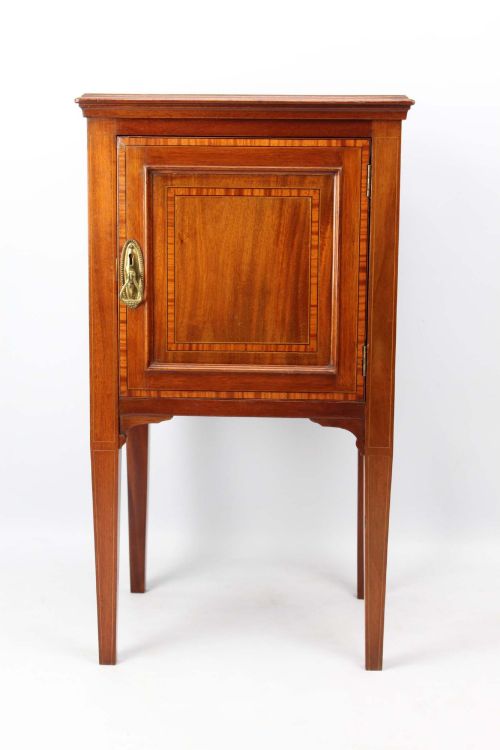
In bedrooms, similar small formats functioned as bedside cabinets or washstands. Their adaptability made them essential furniture for everyday tasks.
Are these tables solid mahogany?
Many examples utilise solid mahogany for tops, legs, and primary structural elements, particularly in earlier Georgian pieces. Secondary woods like oak or pine often appear in drawer interiors and structural framing.
Later Victorian and Edwardian interpretations sometimes apply mahogany veneers over softer wood cores. Examining the grain continuity helps determine the construction method used.
How do I care for the surface?
Maintenance requires regular dusting with a soft, dry cloth and occasional application of traditional beeswax to nourish the timber. Avoiding direct sunlight and excessive moisture preserves the natural lustre of the old finish.
Chemical polishes should be avoided because they build up residue and dull the aged patina. Simple wax applications allow the wood to breathe and age gracefully.