
Small Georgian Furniture
Small georgian furniture brings compact proportions and period character to modern rooms, offering practical storage and display through tables, chests, and desks.
Small Georgian Furniture
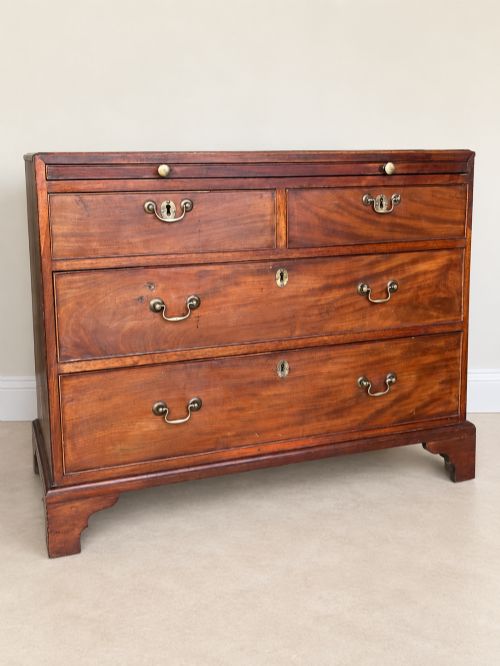
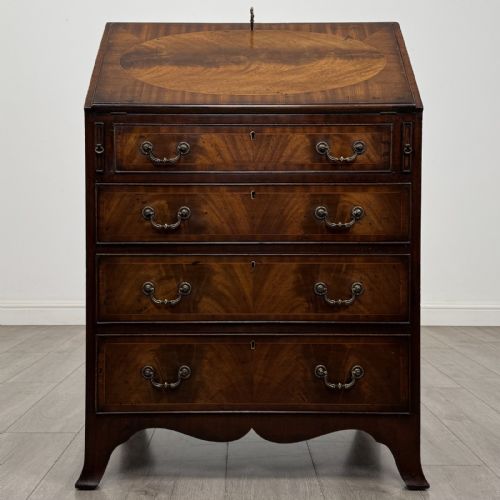
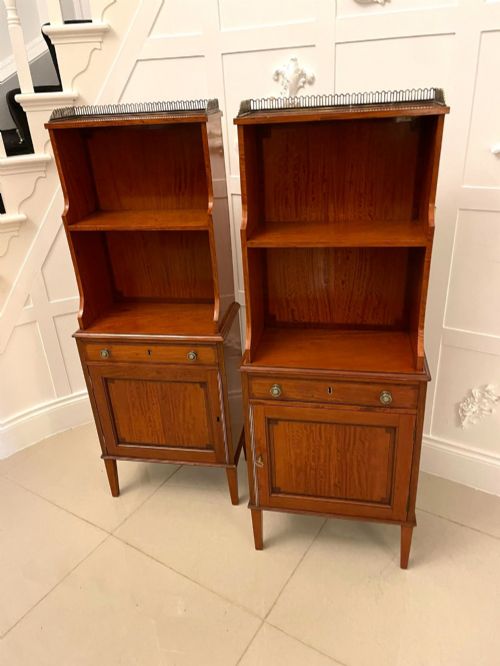
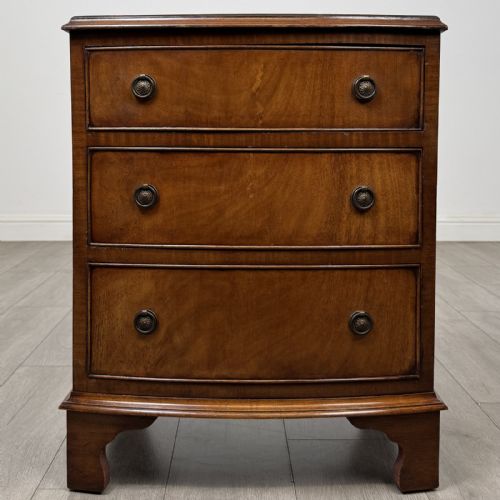
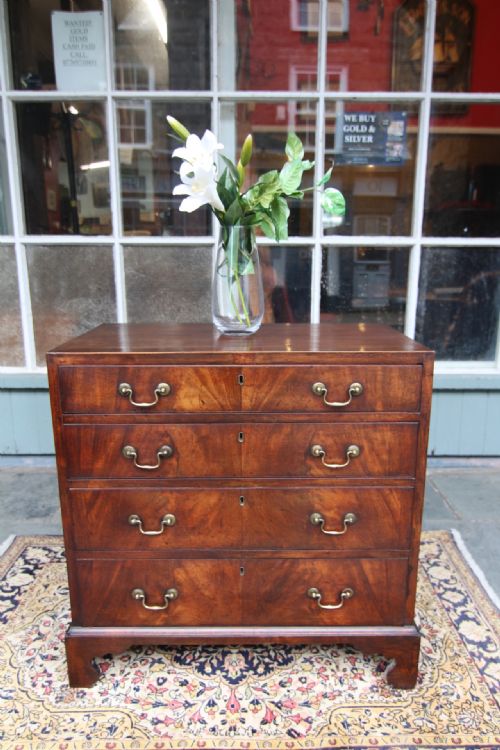
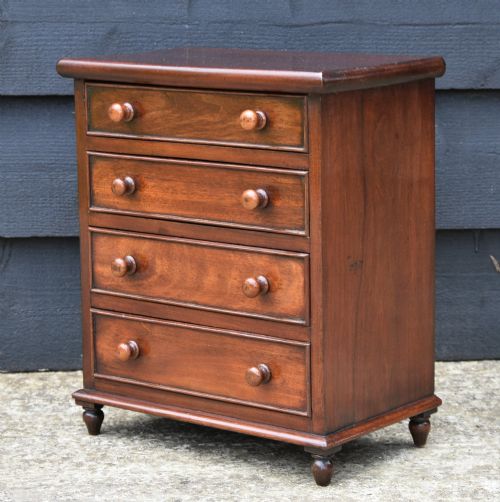
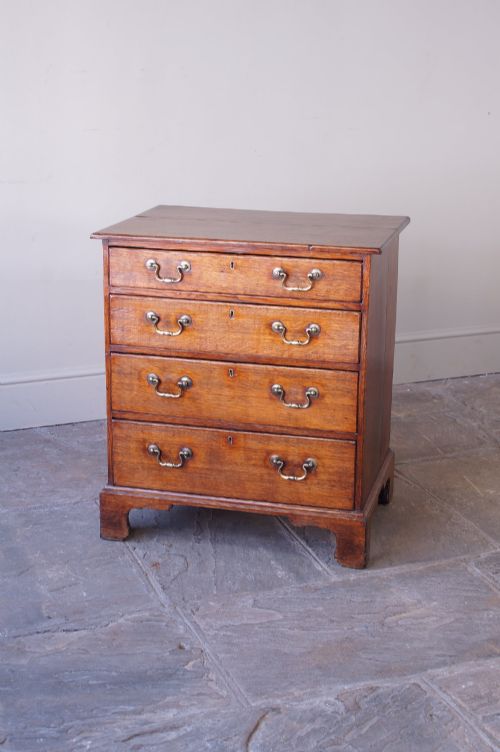
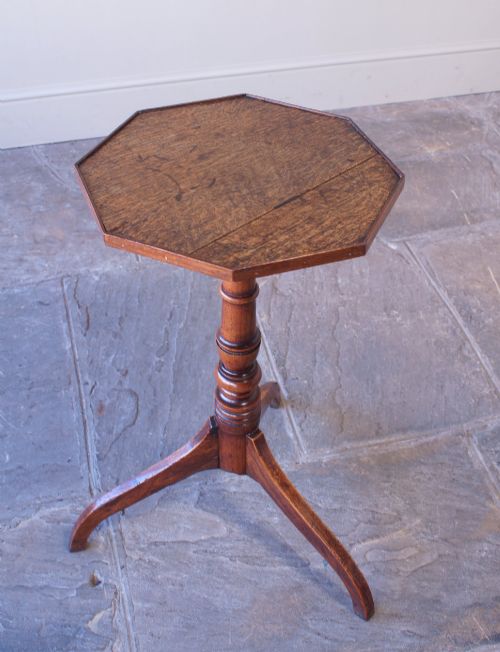
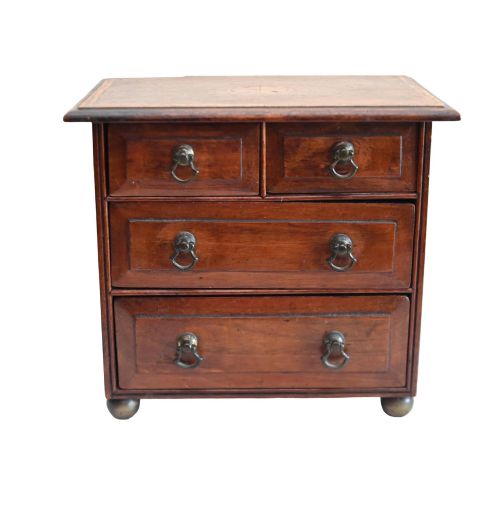
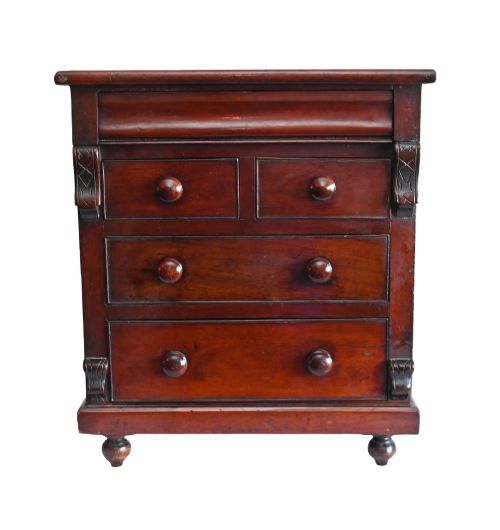
Small georgian furniture comprises compact tables, chests of drawers, desks, and cabinets designed for domestic use during the eighteenth century and subsequent revival periods. Buyers seeking these pieces generally encounter mahogany and oak chests, alongside occasional wine tables and diminutive writing desks built with reduced footprints. These items suit contemporary interiors by providing functional surface area and storage without dominating a room.
Materials and construction methods
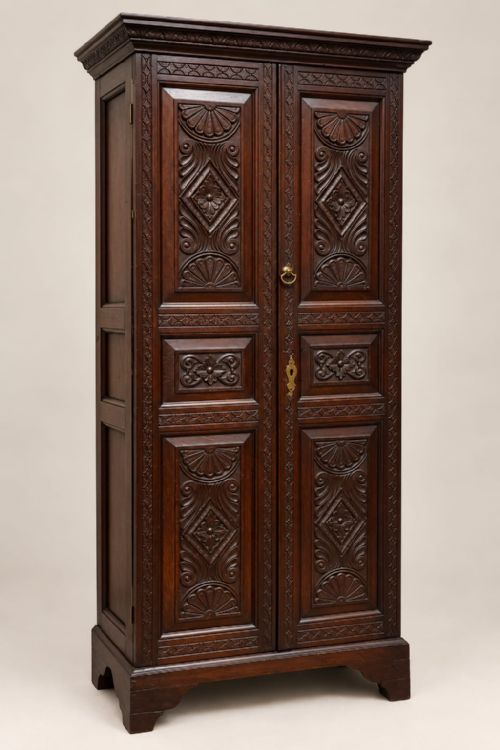
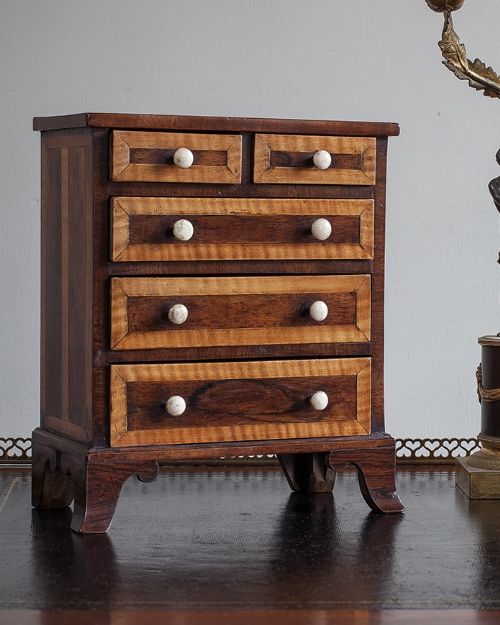
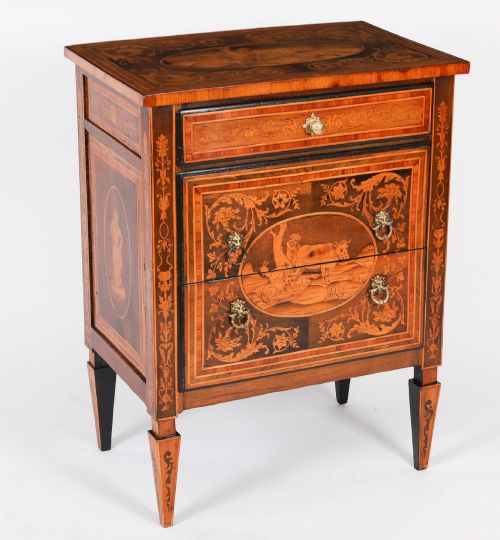
Cabinet-makers relied primarily on solid mahogany, oak, and walnut, frequently enhancing surfaces with figured veneers, crossbanding, and marquetry. Timber selection dictated the character of each piece, with dense grain and natural figuring providing visual texture. Brass hardware, including drop handles and escutcheons, fastened securely to drawer fronts and cupboard doors.
Joinery techniques involved traditional dovetailing for drawer construction and mortise and tenon joints for frames and tables. Secondary timbers such as elm or pine frequently reinforced internal drawer linings and back panels. Surfaces received hand-applied finishes like wax or polish to protect the timber while highlighting natural grain patterns.
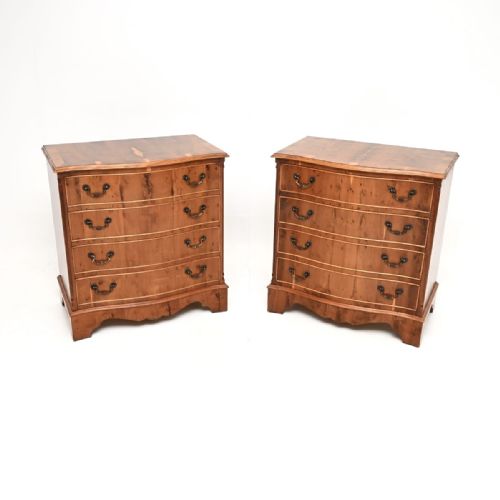
Listings feature woods including mahogany, oak, walnut, burr walnut, satinwood, yew, and elm across periods spanning the eighteenth through the twentieth century.
Distinctions in build and finish
Quality rests upon the crispness of timber figuring, the integrity of original construction, and the restraint of subsequent restoration. Finer examples display carefully matched veneers and hand-cut dovetails that fit precisely within their housings, reflecting the skill of the original workshop. Lesser pieces show heavier alterations, mismatched replacement hardware, or thick modern finishes that obscure the underlying wood.
Proportion and surface preservation further differentiate the range. Pieces retaining their original brass handles, unblemished patination, and balanced dimensions command greater appreciation among collectors. Those exhibiting excessive timber shrinkage, structural fatigue, or clumsy repairs sit lower down the scale of desirability.
Druce and Co·Maggiolini·Reprodux
The Small Georgian Furniture Glossary
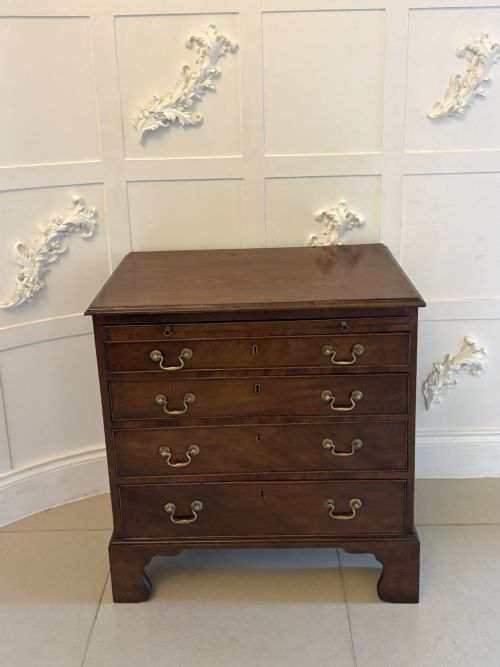
- Brushing slide
- A pull-out shelf integrated into the upper section of a chest of drawers or bachelors chest, traditionally used for writing or grooming.
- Crossbanding
- A narrow strip of veneer applied perpendicularly to the grain of the main surface around the border of a drawer front or table top.
- Apprentice piece
- A miniature furniture item constructed by a craftsman in training to demonstrate mastery of joinery techniques before admission to a guild.
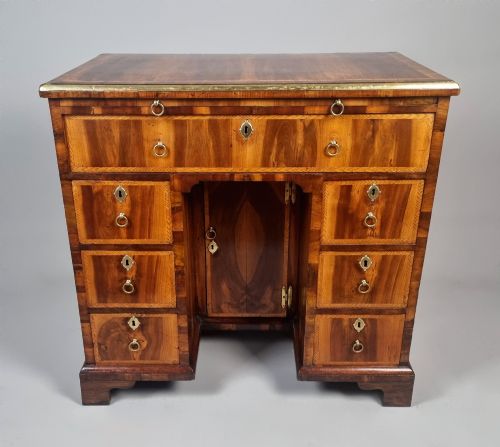
- Kneehole desk
- A compact writing table featuring a central recessed space for the legs, flanked by pedestals containing small drawers.
- Marquetry
- Decorative inlay work using various wood veneers to create geometric patterns or pictorial designs across furniture surfaces.
Small Georgian Furniture: Frequently Asked Questions
What is a bachelors chest?
A bachelors chest is a low, compact drawer unit equipped with a pull-out brushing slide above the primary drawers.
Cabinet-makers designed these versatile pieces during the eighteenth century for gentlemen requiring a combined writing surface and storage cabinet.
How do I spot a revival piece?
Revival pieces often exhibit machine-cut internal elements, standardised hardware fixings, and timber conditioning typical of the nineteenth or twentieth century.
Examining the secondary woods and construction marks inside the drawers helps distinguish eighteenth-century originals from later reproductions.
Where did people use miniature furniture?
Miniature furniture served various domestic functions, ranging from master craftsman display samples to scale models utilised in furnishing dollhouses.
Apprentice pieces also functioned as standalone decorative objects or presentation pieces created by learners.
How should I clean antique timber?
Maintaining antique timber requires gentle dusting with a soft, dry cloth and occasional application of appropriate natural wax.
Harsh chemical cleaners and modern silicone polishes should be avoided because they damage the delicate aged patination of the wood.