


Small Corner Cupboard
A small corner cupboard turns an overlooked angle of a room into a practical display or storage space.
Small Corner Cupboard
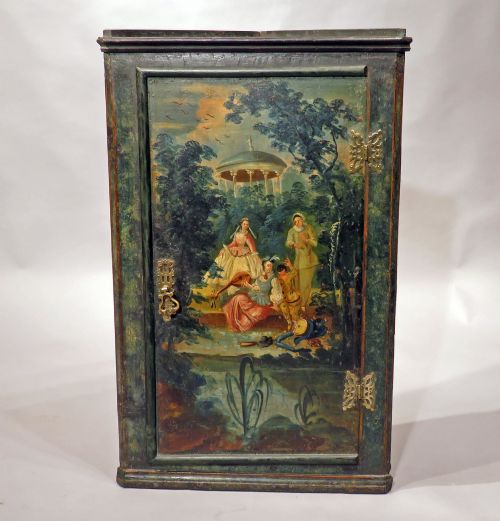
A small corner cupboard is a fitted or hanging cabinet designed to occupy the meeting point of two walls, making efficient use of dead space in a room. These pieces appear across multiple centuries, serving originally to store provisions, display china, or hold household items.
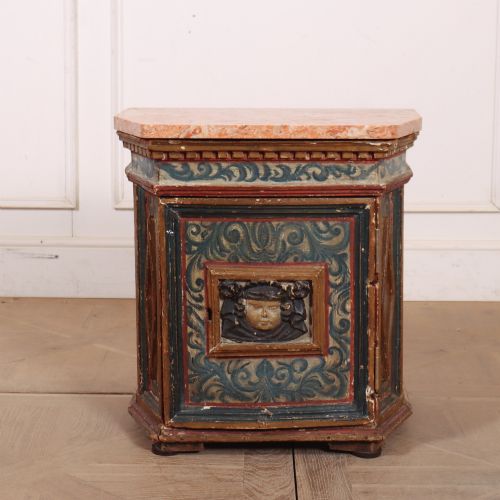
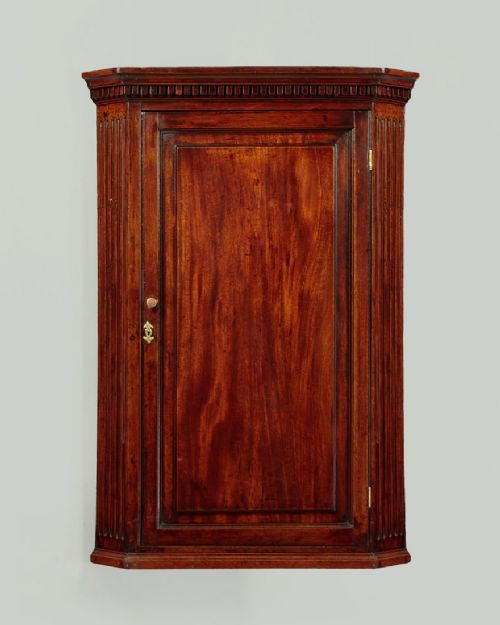
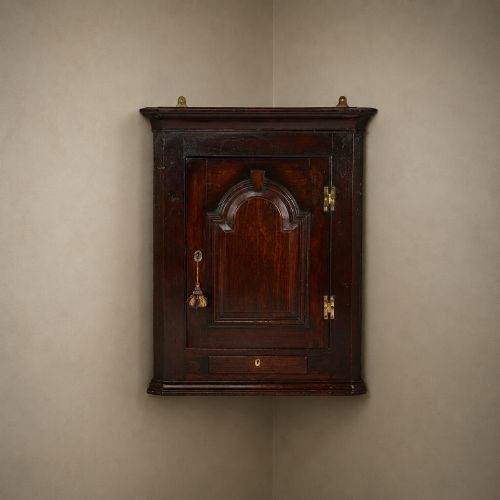
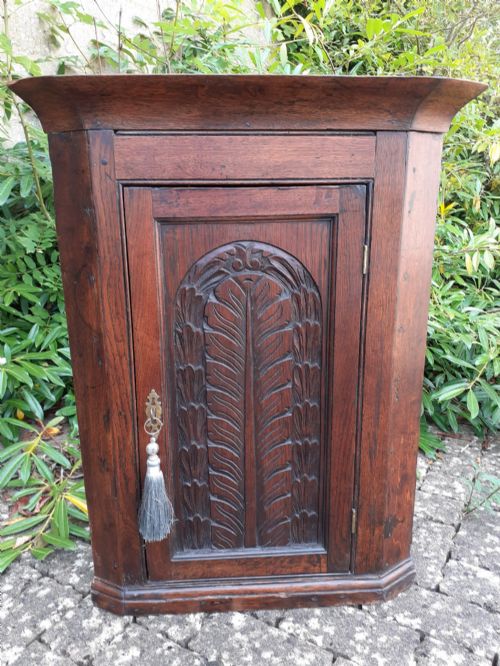
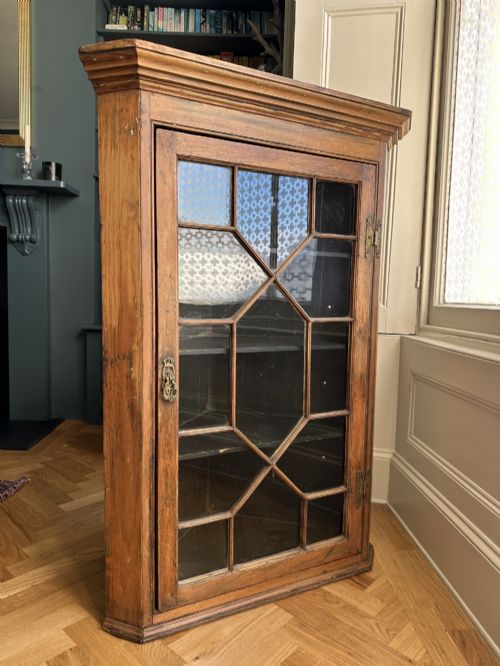
The versions most commonly met on this page are hanging wall cabinets and floor-standing units dating from the Georgian period through to the Edwardian era. Timbers such as oak and mahogany predominate, often featuring single doors with panelled or glazed construction.
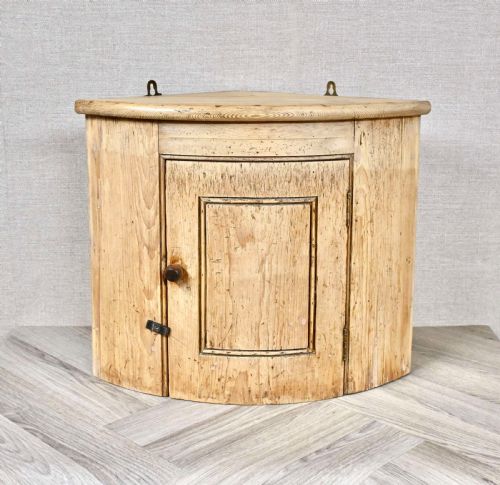
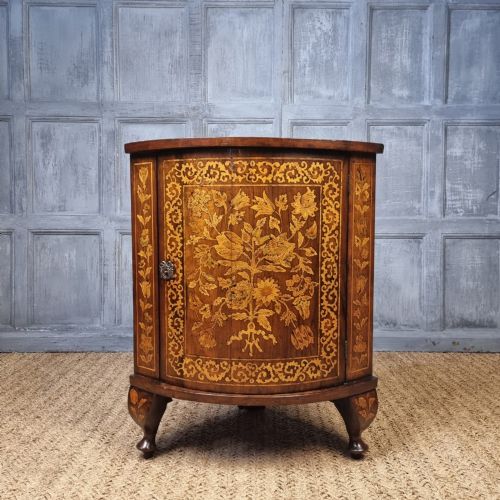
Makers adapted these cabinets to domestic needs by integrating shelves, drawers, and occasionally tambour doors or bow fronts. They range from provincial vernacular country pieces to refined urban furniture reflecting prevailing architectural styles.
What varies in quality
Quality in a small corner cupboard rests upon the selection of timber and the precision of the cabinetmaker's joinery. Finely figured mahogany, burr walnut, or well-matched quarter-sawn oak distinguish finer workshops from simpler provincial work.
Details such as original brass H-hinges, working locks with keys, shaped shelving, and delicate string inlay elevate the execution. The integrity of the original painted or polished surface finishes also defines the standing of the piece.
Small Corner Cupboard Retail Price Guide 2026
Typical asking prices for small corner cupboard among the pieces listed under this phrase on Sellingantiques today, from the lower quarter to the upper quarter. They describe what is for sale here now, not the wider market.
Some small cupboards hide tiny internal drawers behind their main doors for secreting away forgotten treasures.
The Small Corner Cupboard Glossary
- Bow front
- A convex curved cabinet front that projects outward from the corner walls. This stylistic choice softens the angular geometry of the room.
- Hanging corner cupboard
- A wall-mounted cabinet supported by internal brackets or screw fixings rather than standing on the floor. These often feature smaller proportions for domestic rooms.
- Tambour
- A flexible shutter made of narrow vertical strips of wood glued to canvas, allowing a curved door to slide open around a track. It provides smooth access in tight spaces.
- Marquetry
- Decorative patterns formed by fitting together thin veneers of various woods and materials onto a structural carcase. It requires immense skill to achieve complex pictorial or geometric designs.
- Glazed door
- A frame fitted with glass panels to permit the display of contents inside the cabinet. These often feature wooden or brass astragals dividing the glass panes.
Small Corner Cupboard: Frequently Asked Questions
Where were corner cupboards placed?
These cabinets were designed to fit neatly into the internal corners of parlours, dining rooms, and kitchens. Their placement utilised dead space while keeping everyday items close at hand.
Wall-hanging versions were often positioned at eye level above side tables or serving areas. Floor-standing examples anchored larger rooms by filling empty wall angles.
How do I date a corner cupboard?
Dating relies on observing the timber species, construction methods, and stylistic details present in the piece. Early examples often utilise solid oak with pegged joints and hand-carved panels.
Later Victorian and Edwardian iterations frequently employ mahogany or walnut with machine-cut dovetails and factory-produced brassware. Inlay patterns and door configurations also align with the prevailing fashions of specific decades.
Were these cupboards used for food?
Many early provincial and country cupboards served as storage for dry goods, spices, or tableware. Kitchens and dining parlours required secure spaces to keep provisions away from pests.
Finer urban examples functioned more as display cabinets for porcelain, glassware, or silver. The inclusion of glass doors usually indicates a shift from utilitarian storage to social display.
Can I hang a wall cabinet safely?
Hanging cabinets require secure attachment to solid wall studs or masonry using appropriate fixings for their weight. Historic hanging points should be inspected and supplemented with modern load-bearing brackets if necessary.
The structural integrity of the antique backboards and hanging L-brackets must support the combined weight of the timber carcase and its contents.