
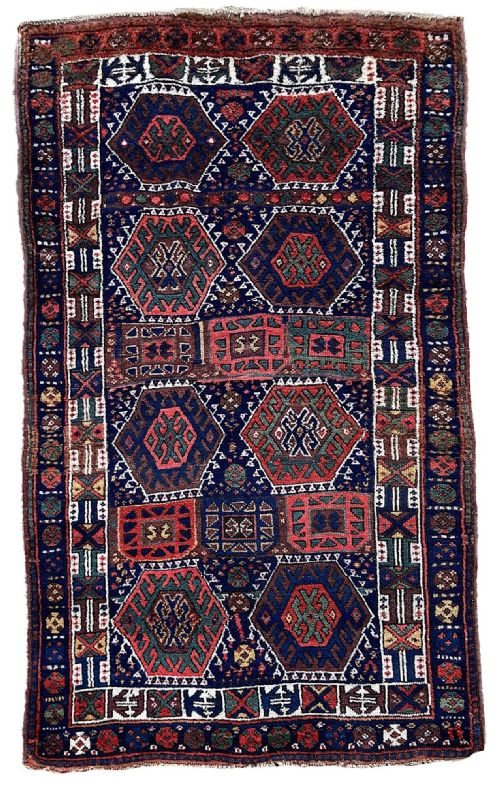


Small Caucasian Area Rug
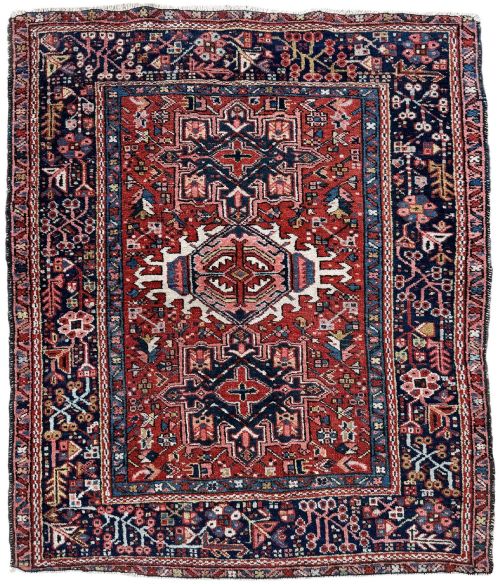
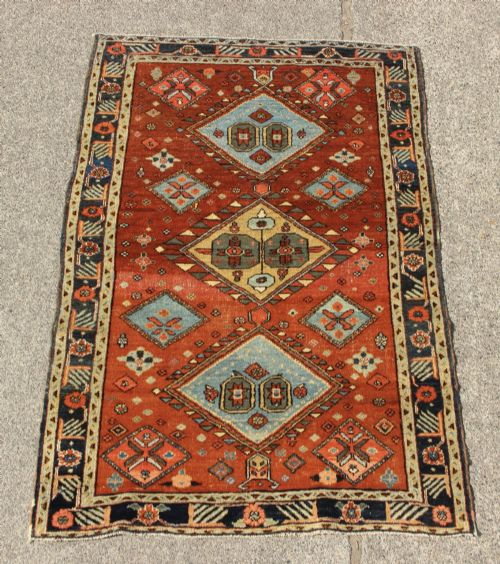
These small caucasian area rug examples bring tribal wool geometry into compact spaces with rich natural dyes and spirited village designs.
Small Caucasian Area Rug
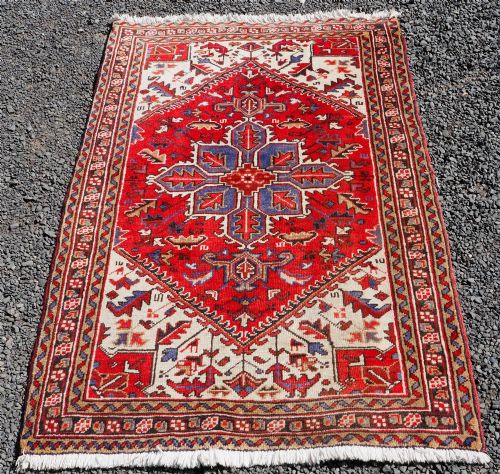
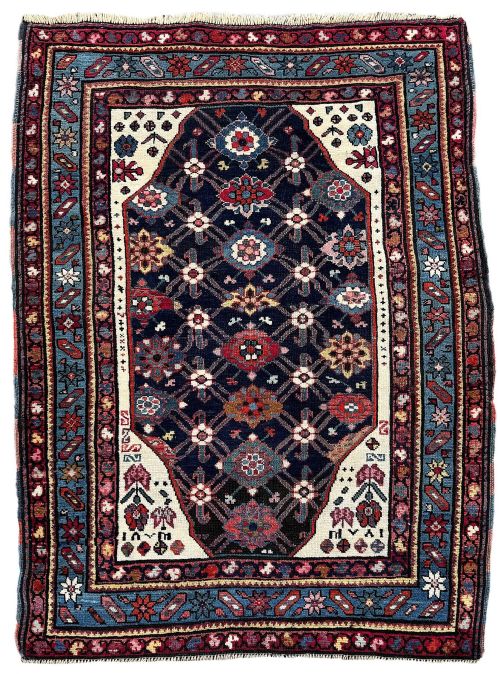
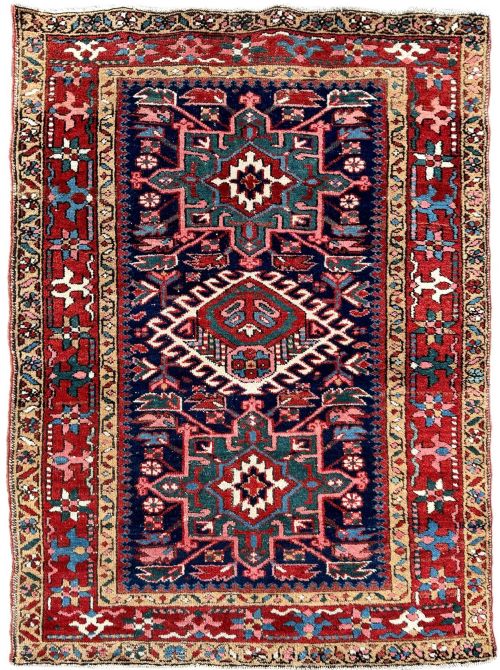
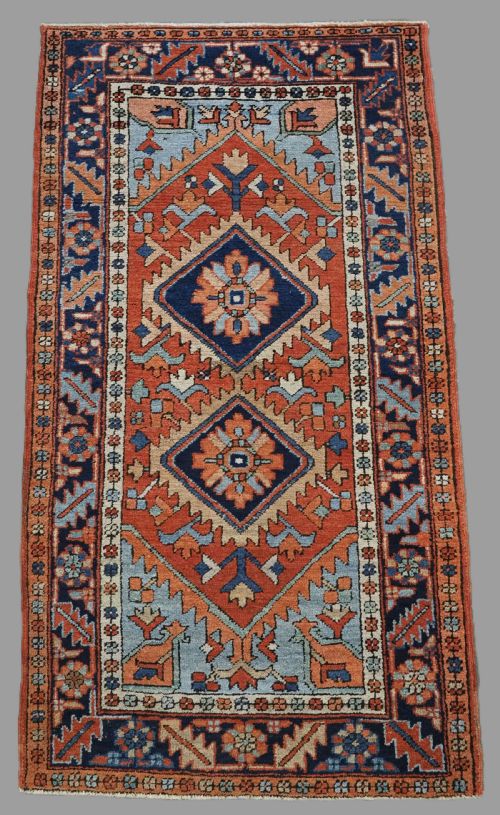
A small caucasian area rug represents woven village and tribal artistry from the Caucasus region and related regional centres. These floor coverings arrive in compact formats suited to intimate spaces, hall placement, or focused room accents.
The pieces on this page span from the late nineteenth century into the early decades of the twentieth century. They encompass distinct regional styles including Karabagh, Daghestan, Gendje, Kazak, Shirvan, and Lesghi village traditions.
Buyers encounter format variations such as dedicated prayer rugs featuring mihrab arches alongside general area rugs and paired sets. The common thread remains hand-knotted village construction displaying bold geometric medallions and characteristic tribal motifs.
How they were made
Construction relies upon hand-spun wool foundation yarns and pile material paired with cotton for structural support in specific regional pieces. Artisans tied wool pile densely by hand onto warps, creating durable floor coverings designed for generations of household use.
Colour derives from natural dyes applied to hand-spun wool, yielding rich tones that age with soft patination. Village weavers arranged geometric symbols, prayer niches, and regional stars directly from memory or local tradition without rigid commercial cartoons.
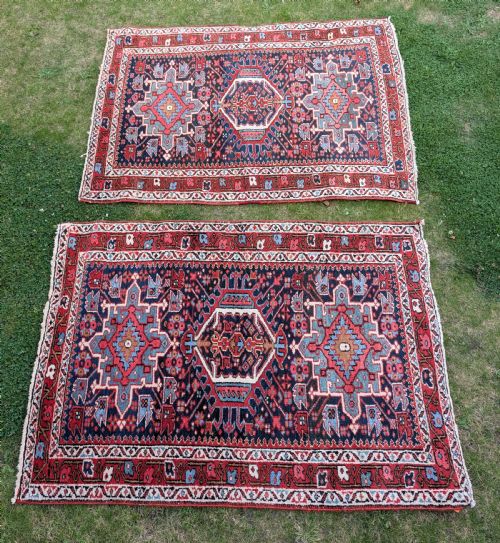
Some antique rugs arrive in matching pairs, proving that ancient village weavers knew the value of symmetry for twin bedside placements.
What varies in quality
Quality rests upon the crispness of the geometric drawing and the saturation of the natural dyes used across the field. Superior examples display balanced proportions in medallions and border bands alongside fine knot density that secures the wool pile.
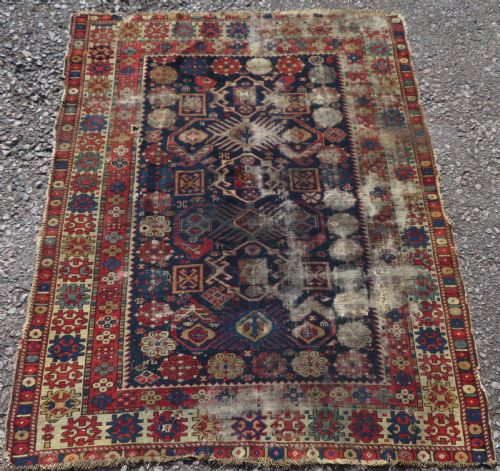
Condition and wear alter the character of older pieces, where antique distress can add texture without compromising structural integrity. The visual harmony of the palette and the clarity of regional motifs ultimately distinguish finer village work from standard production.
The Small Caucasian Area Rug Glossary
- Prayer rug
- A small rug featuring a pointed arch or mihrab design at one end, traditionally laid pointing toward Mecca during daily prayers.
- Natural dye
- Colour extracted from roots, insects, plants, and minerals before the introduction of synthetic aniline alternatives.
- Mihrab
- The arched niche depicted on prayer rugs that symbolises the direction of prayer.
- Pile
- The upright wool yarn knotted onto the foundation threads that forms the usable soft surface of the rug.
- Warp
- The vertical foundation threads stretched tightly on the loom through which the horizontal weft and knots are woven.
Small Caucasian Area Rug: Frequently Asked Questions
Where should I place a small caucasian area rug?
These compact rugs work well in entrance halls, beside beds, or as focal points in smaller sitting rooms where floor space is limited. Their bold geometric patterns stand out effectively on bare wood floors.
Ensure you use a breathable underlay beneath the rug to prevent slipping and to protect both the floor and the antique wool pile from unnecessary friction.
How do I care for an antique wool rug?
Vacuum the rug gently with the suction attachment only, avoiding revolving brush heads that can pull at the hand-spun wool pile. Professional cleaning should occur infrequently and be handled by specialists experienced in antique textiles.
Keep the rug out of direct, intense sunlight to protect the natural dyes from fading unevenly over time. Rotate the piece periodically to ensure even wear across high-traffic areas.
How can I tell different regional types apart?
Regional attribution relies upon specific design vocabulary, such as the Lesghi star motif on East Caucasian pieces or the strong primary colours typical of Kazak weaving. Border arrangements and palette choices often point directly to specific village workshops or valleys.
Comparing structural details like fringe finishing and wool texture further clarifies whether a piece originates from the Caucasus or neighbouring Persian weaving traditions.
Are these rugs suitable for high-traffic hallways?
The dense hand-spun wool construction of these antique village rugs makes them remarkably durable for everyday household use. Their sturdy materials were originally produced by nomadic and village weavers for practical domestic application.
Even when showing antique distress, a well-made wool pile retains enough strength to handle regular foot traffic when paired with a quality rug underlay.