


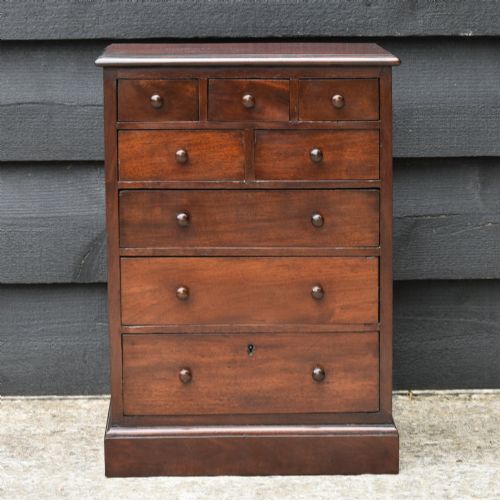
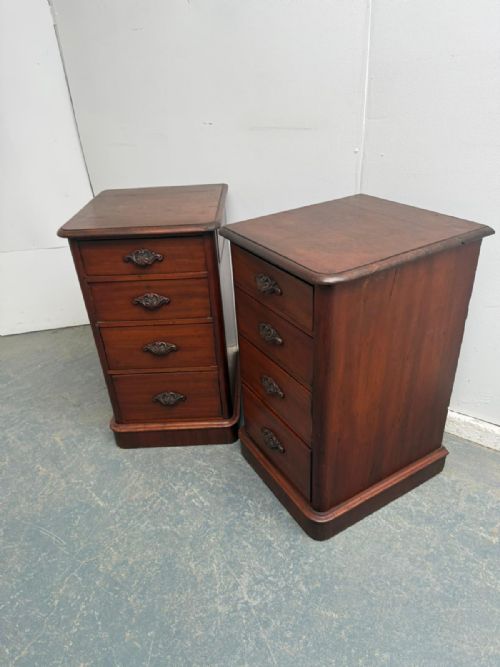
Small Cabinet Drawers
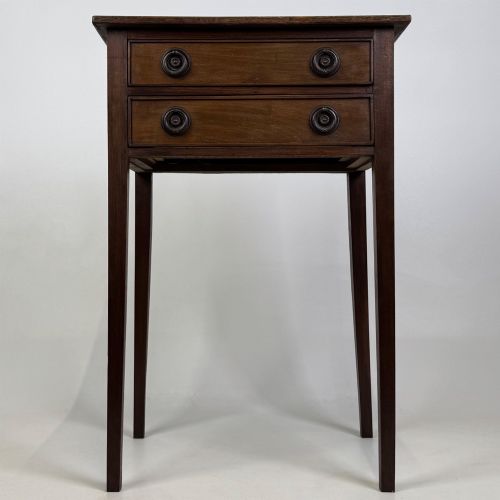
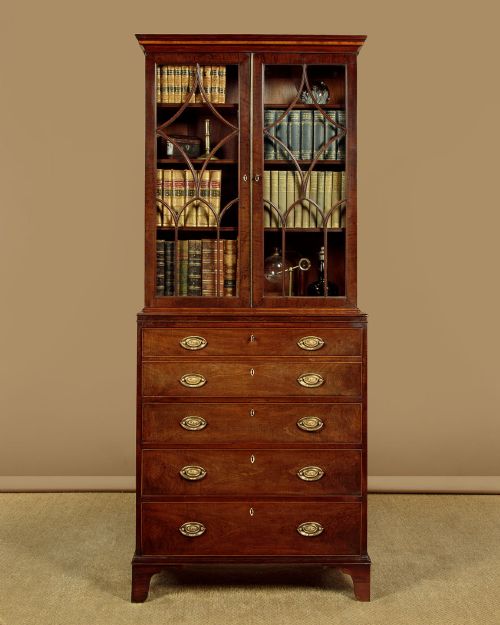
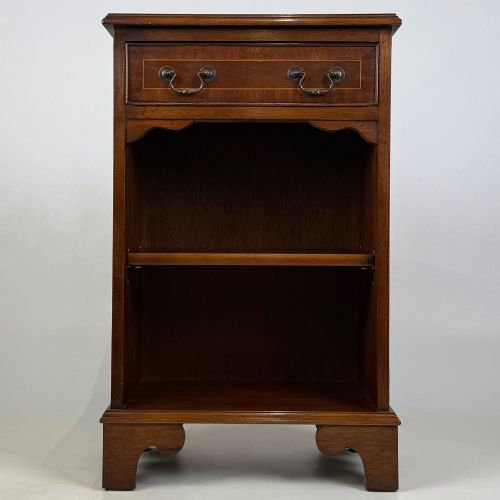
Small cabinet drawers cover a diverse group of compact storage pieces designed for domestic and specialist use.
Small Cabinet Drawers
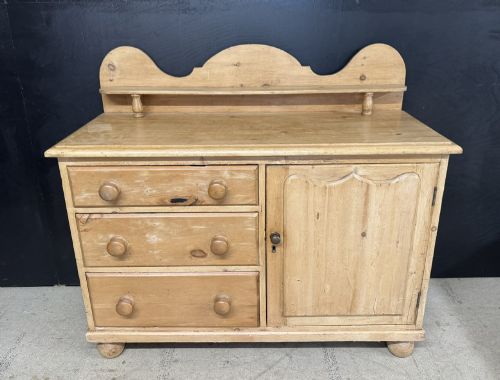
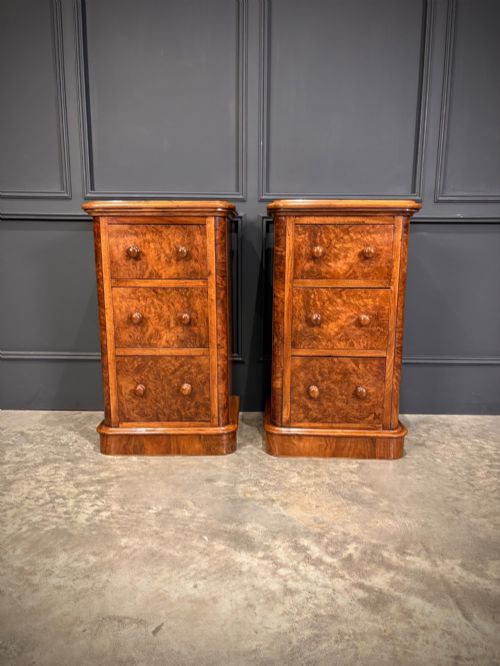
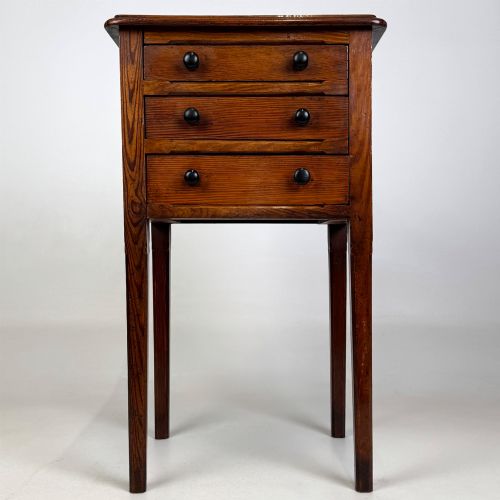
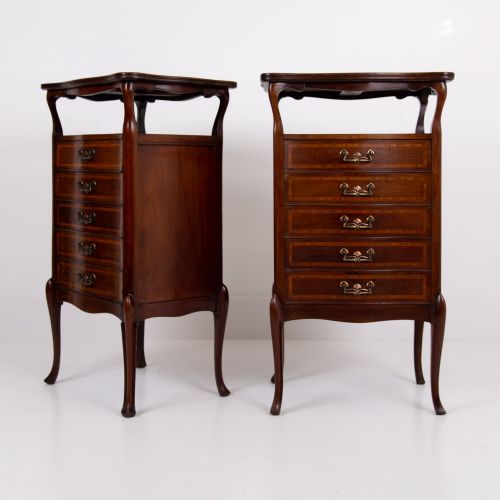
Small cabinet drawers encompass a wide variety of compact storage furniture, frequently appearing as bedside chests, bedside tables, and miniature pieces. Buyers searching for small cabinet drawers encounter numerous formats designed to fit restricted spaces while offering functional organisation.
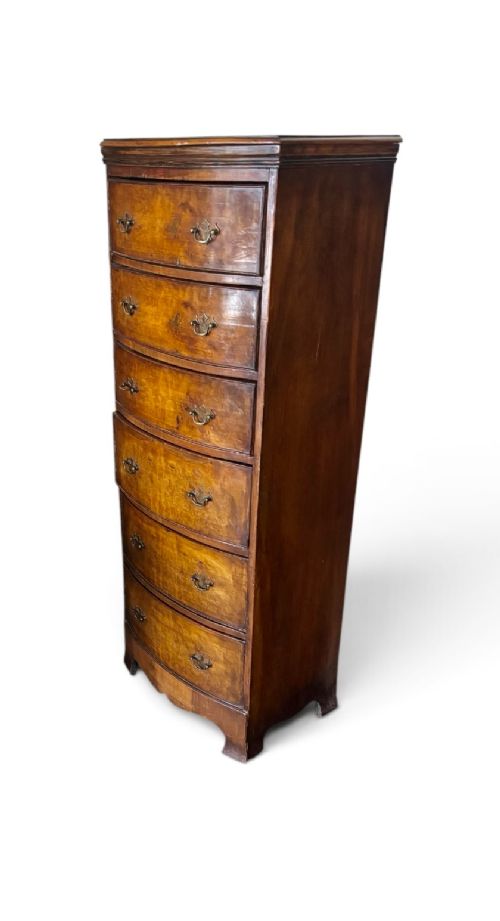
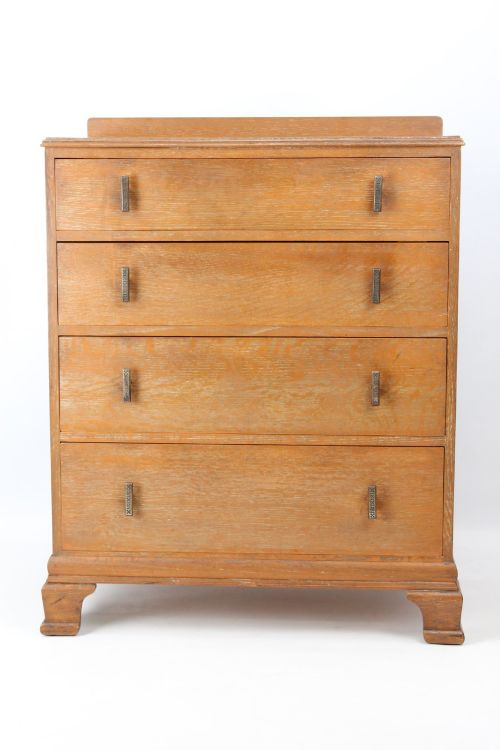
The selection spans multiple centuries, with Victorian and Georgian pieces alongside Edwardian and 1930s examples. Forms range from traditional chests of drawers and Wellington chests to specialised storage including apothecary chests, jewellers chests, and music cabinets.
Origins and styles vary significantly, incorporating period designs like Queen Anne, Regency, and Art Deco alongside functional filing and collectors cabinets. Walnut, mahogany, and pine feature prominently across these diverse compact storage forms.
Materials and Construction
Cabinet makers utilised a range of dense hardwoods and decorative veneers, notably mahogany, walnut, burr walnut, and satinwood, often applied to secondary woods like pine or oak. Construction methods depended on the period, employing traditional dovetail joints for drawer boxes and solid timber panels for carcases.
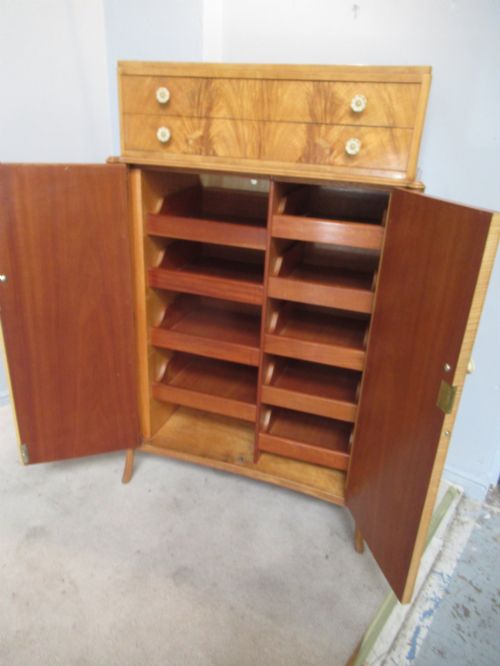
Surfaces received various finishes including wax and polish to highlight the natural grain of figured walnut or mahogany. Specialist pieces incorporated fitted internal compartments, brass handles, and glass or metal detailing suited to collectors cabinets and apothecary units.
A homeopathic chest keeps tiny remedies snug in miniature drawers.
Evaluating Quality and Craftsmanship
Quality in small cabinet drawers rests on the selection of timber veneers and the precision of the cabinet work. Pieces featuring figured walnut or burr walnut with matched grain patterns demonstrate greater attention to aesthetic detail during construction.
Internal execution distinguishes finer examples, visible in the careful dovetailing of drawer linings and the retention of original brass hardware. The integrity of the carcase, the smooth operation of multiple small drawers, and the preservation of original finishes determine the standing of each piece.
The Small Cabinet Drawers Glossary
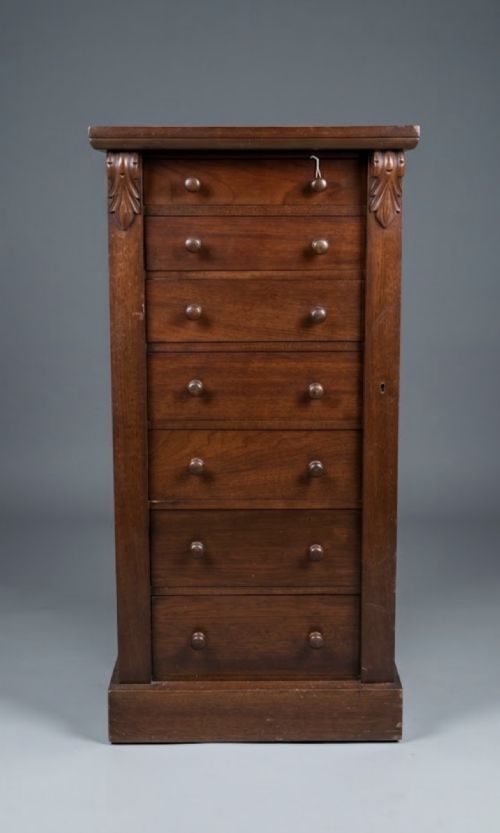
- Wellington chest
- A tall, narrow chest of drawers typically secured by a hinged locking side flap. This vertical form maximises storage while occupying a minimal floor footprint.
- Apprentice piece
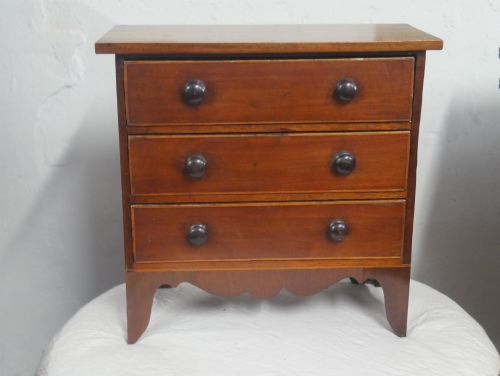
- A miniature furniture item created by a tradesman to demonstrate advanced joinery skills to a guild. These small-scale pieces mirror full-size designs in every structural detail.
- Tallboy
- A tall chest of drawers, often comprising a smaller chest positioned upon a larger base. The elevated form provides generous storage capacity within a narrow frame.
- Secretaire
- A cabinet or chest incorporating a pull-down writing flap that conceals small drawers and pigeonholes. This dual-purpose furniture combines writing facilities with enclosed storage.
Small Cabinet Drawers: Frequently Asked Questions
What are apprentice pieces?
Apprentice pieces are small-scale models created by craftsmen to prove their mastery of woodworking techniques. These items display the exact proportions and joinery found in larger furniture.
Craftsmen produced these miniature chests to demonstrate skill to guild masters. They remain highly collectable today due to their intricate detailing.
Were bedside chests common in Georgian times?
Georgian bedside cabinets and small chests served various domestic functions in period bedrooms. These compact units provided concealed storage beside sleeping quarters.
Craftsmen built them using quality timbers such as mahogany and walnut. They often feature enclosed cupboard sections alongside functional drawers.
What materials were used for collectors cabinets?
Collectors cabinets employed durable hardwoods like mahogany, oak, and walnut to house specimens securely. Interiors contained numerous small drawers designed for specific items.
Specialist examples include natural history cabinets and apothecary chests with multiple shallow compartments. Brass pulls and fitted frames supported the organisation of delicate collections.