
Small Bedroom Drawers
Small bedroom drawers are compact pieces designed for tight spaces, offering practical storage without dominating the room.
Small Bedroom Drawers
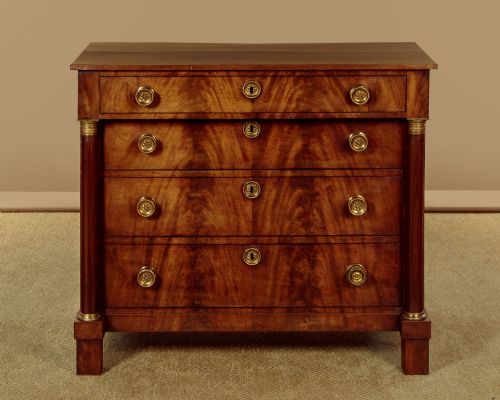
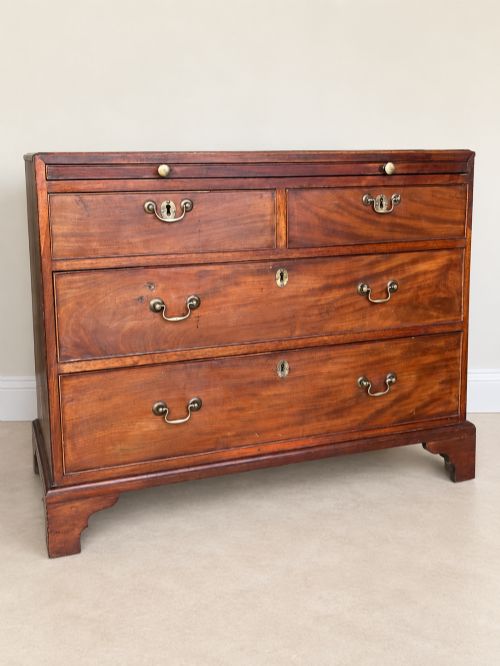
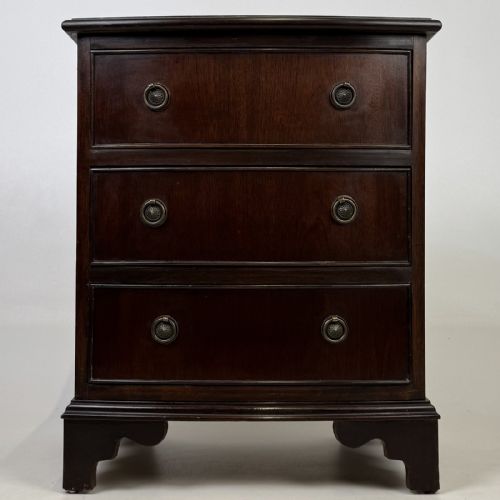
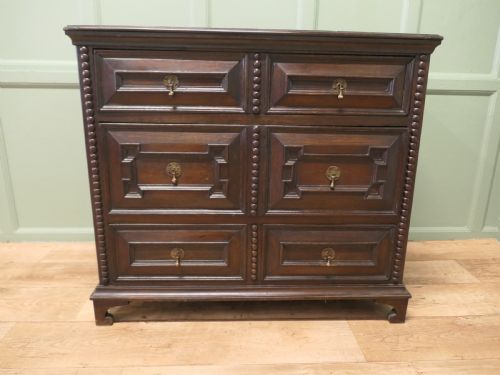
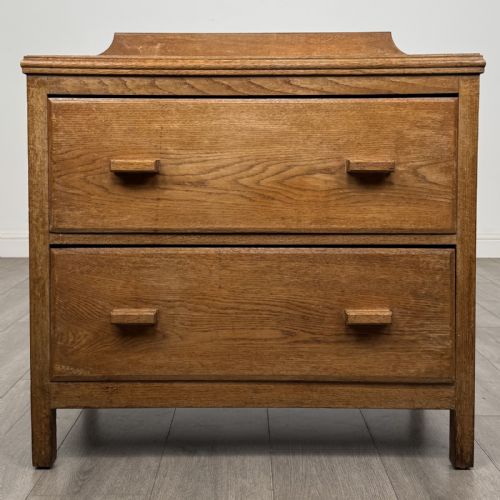
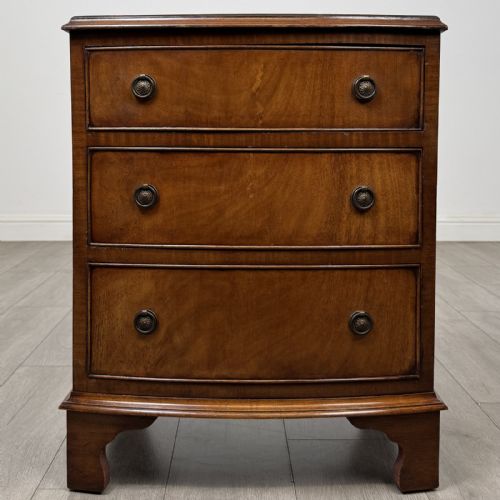
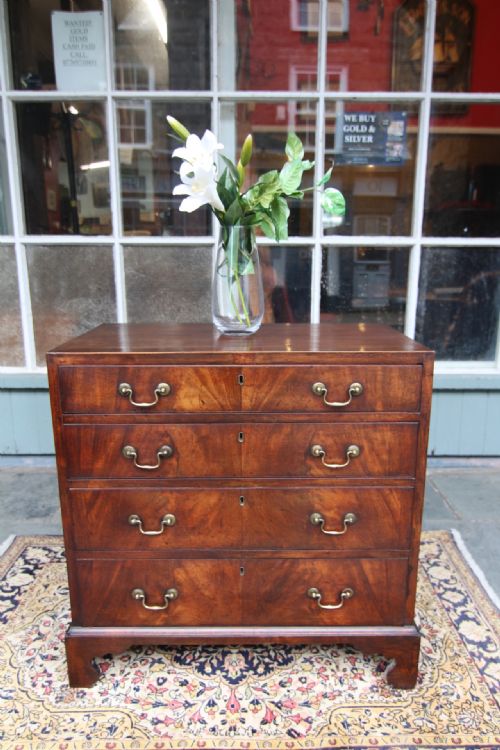
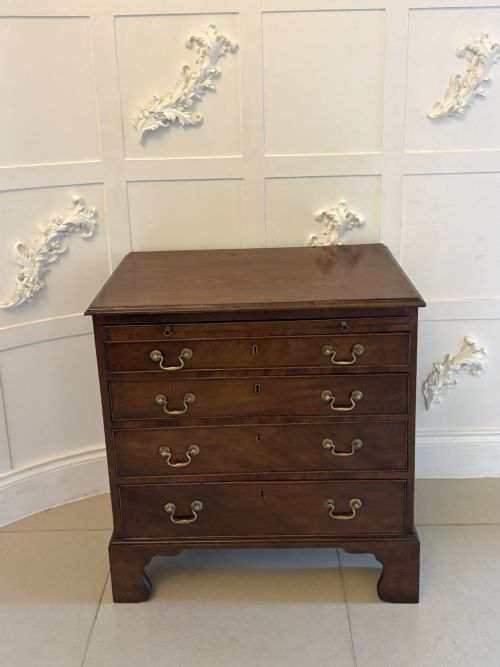
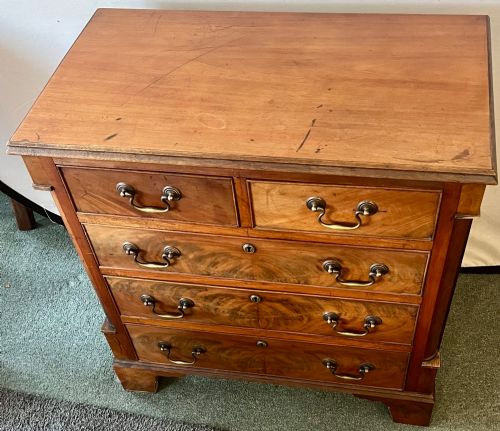
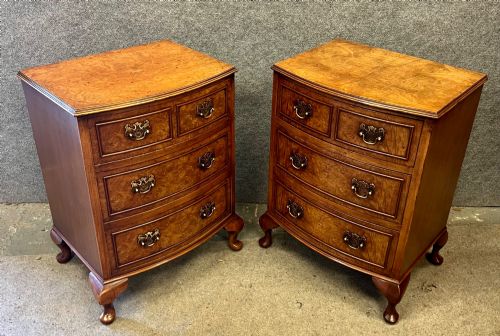
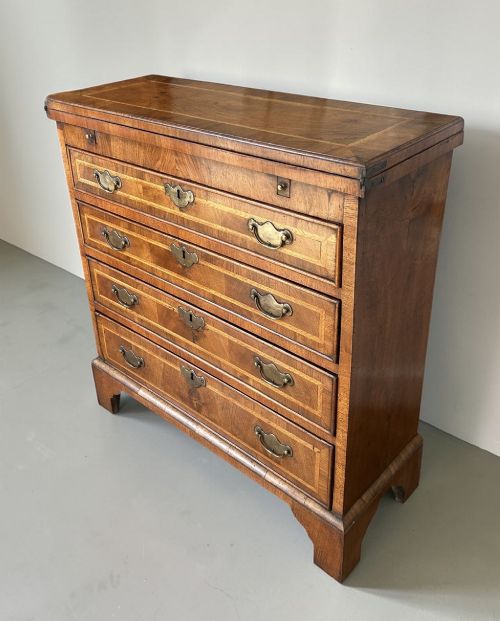
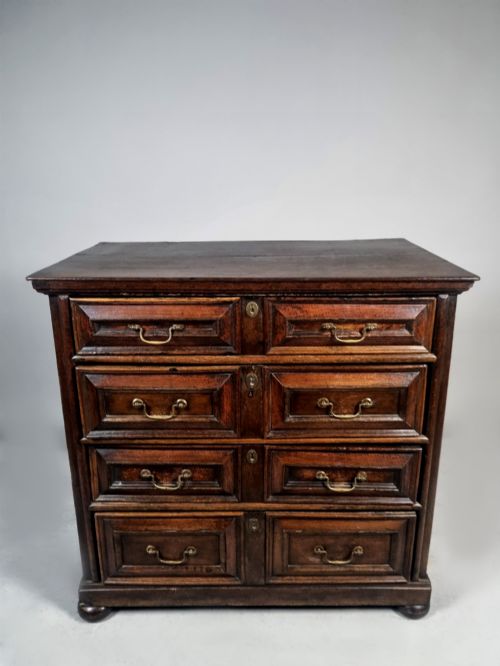
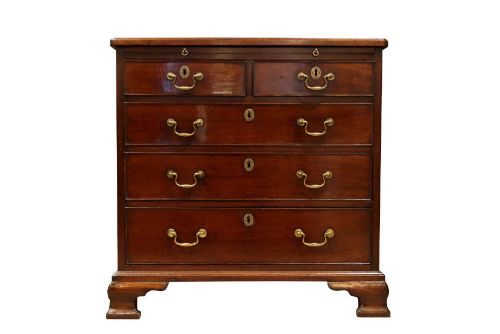
When you search for small bedroom drawers, you encounter compact chests of drawers, bedside tables, and tallboys built to scale for intimate spaces. These pieces originate across the eighteenth, nineteenth, and early twentieth centuries, spanning periods from George III to Art Deco.
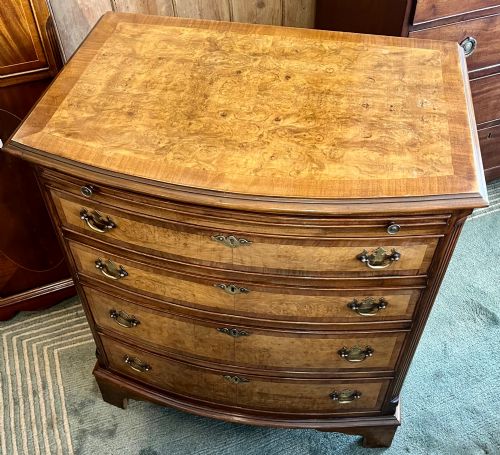
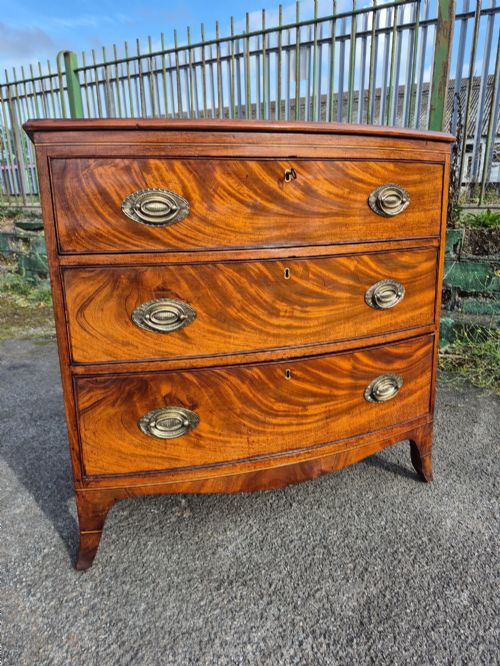
Mahogany and walnut examples dominate the selection, often appearing in bowfront or serpentine shapes. You also find oak, yew, ash, and pine constructions, ranging from simple country pieces to refined Georgian and Regency designs.
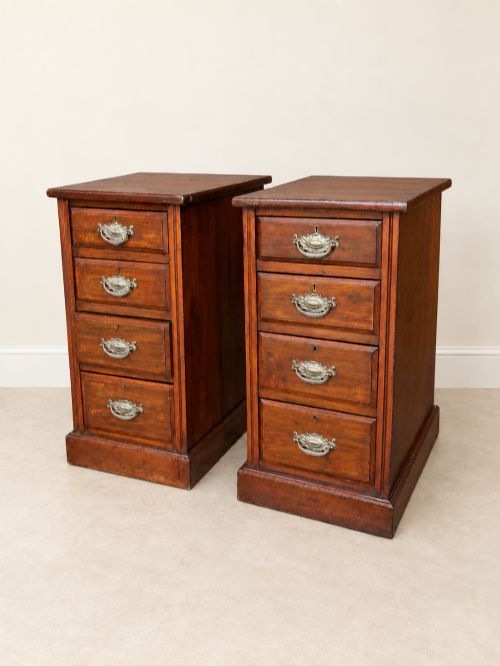
The most common formats on this page are low chests with three or four drawers, alongside pairs of bedside chests. Smaller proportions define the group, making them suitable for modern bedrooms needing period character.
Materials and techniques
Cabinetmakers relied on solid hardwoods like mahogany, walnut, and oak, frequently applying figured veneers and crossbanding to drawer fronts and tops. Secondary woods like pine appear in drawer linings and carcase backs.
Construction methods involve dovetailed drawer joints, brass pull handles, and sometimes secret compartments or brushing slides. Polished finishes highlight the natural grain of the timber, from pale maple to dark burr walnut.
Listings span eight distinct periods, from eighteenth-century Georgian origins through Victorian and Edwardian eras to 1930s Art Deco.
Variations in quality
Quality rests on timber selection, such as richly figured mahogany or matched burr walnut veneers, paired with crisp execution of details like cockbeading and dovetailing. Finer examples display balanced proportions, original brass hardware, and a deep, aged patina.
Simpler regional or later revival pieces use straightforward solid timbers with less complex joinery. Adaptations, such as altered heights or modified drawer configurations, also distinguish bespoke period commissions from standard production items.
The Small Bedroom Drawers Glossary
- Bowfront
- A convex curved cabinet front that projects outward in the centre. This shape gained popularity during the Georgian and Regency periods.
- Brushing slide
- A pull-out shelf integrated above the top drawer of a chest. It served as a temporary writing surface or clothes-brushing platform.
- Serpentine
- A furniture front characterised by a concave central section flanked by two convex curves. It requires advanced woodworking skill to execute.
- Wellington chest
- A tall, narrow chest of drawers secured by a hinged locking side stile that fastens with a key. This form originated in the nineteenth century.
- Crossbanding
- A decorative border of veneer laid around the perimeter of a tabletop or drawer front with the grain running perpendicular to the centre.
Small Bedroom Drawers: Frequently Asked Questions
How do I date a small chest?
Dating relies on timber choices, handle styles, construction methods, and overall proportions. Georgian pieces often feature hand-cut dovetails and oak linings, while later revival items show standardised machine-sawn components.
Examining the backboards and drawer sides provides further clues to the manufacturing decade, distinguishing eighteenth-century originals from twentieth-century interpretations.
What is a bachelor chest?
A bachelor chest is a small set of drawers featuring an integrated folding top or a sliding board for writing. They were designed as versatile, space-saving furniture for private chambers.
These compact units combine storage with a writing surface, making them practical for smaller rooms today.
Are bedside chests always sold as pairs?
Bedside chests appear both as matching pairs and as individual items. Original pairs are particularly sought after for symmetry on either side of a bed.
Single tables also surface, often reflecting a later adaptation or a standalone nightstand from the nineteenth century.
How do I care for antique wood drawers?
Maintain antique wooden drawers by keeping them away from direct heat sources and fluctuating humidity. Apply natural wax polish periodically to nourish the dry timber and preserve the finish.
Avoid using modern chemical sprays, which can damage the aged patina built up over centuries of use.