
Small Area Rug Carpet
A small area rug carpet brings warmth and grounded texture to a room, drawing on tribal traditions from Persia, Anatolia, and Central Asia.
Small Area Rug Carpet
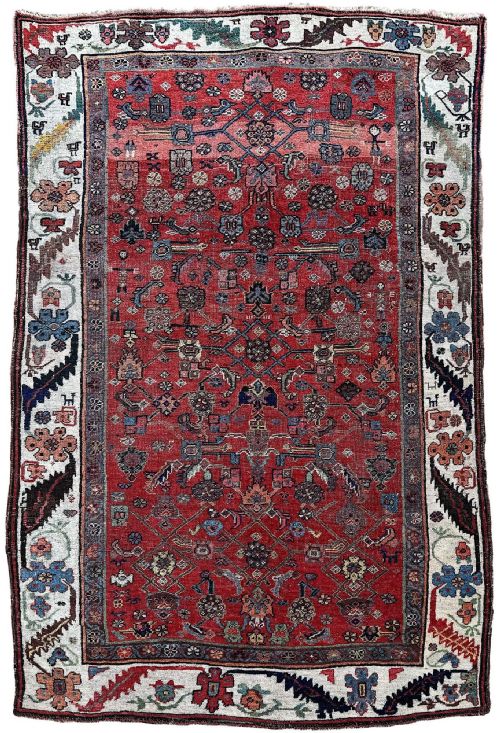
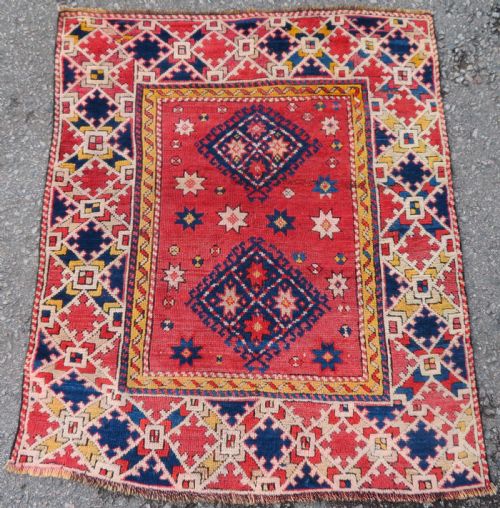
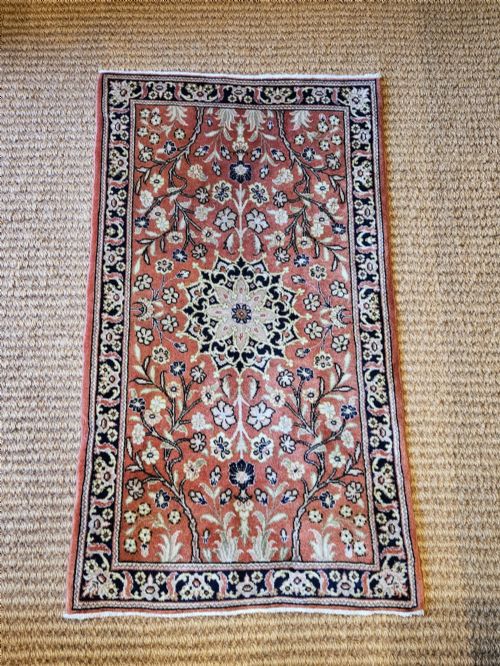
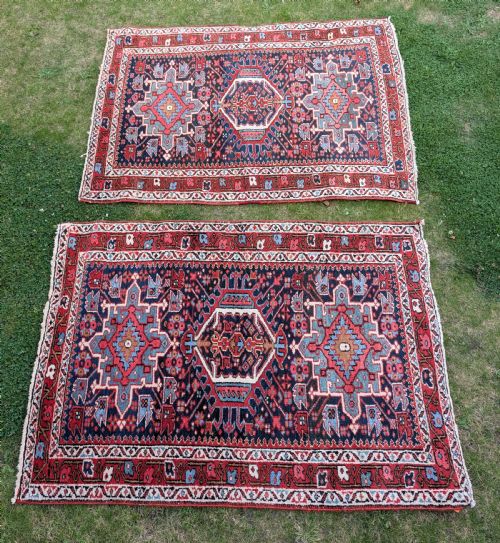
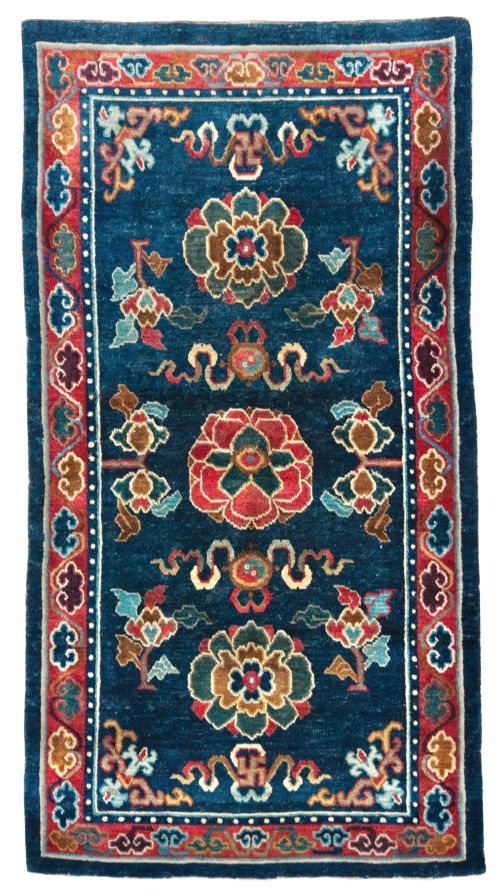
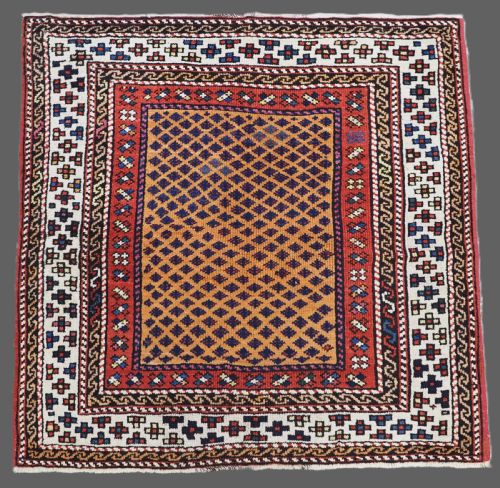
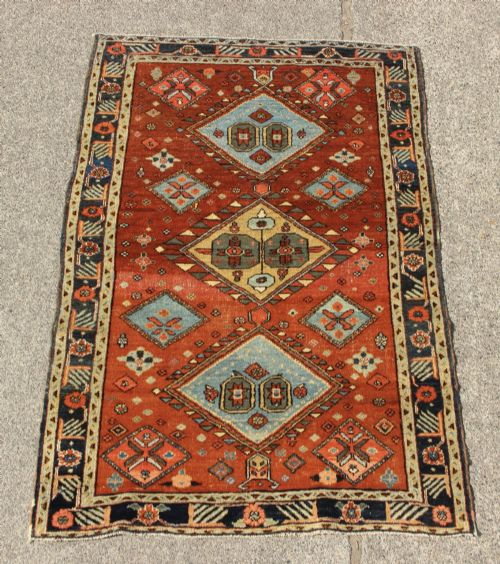
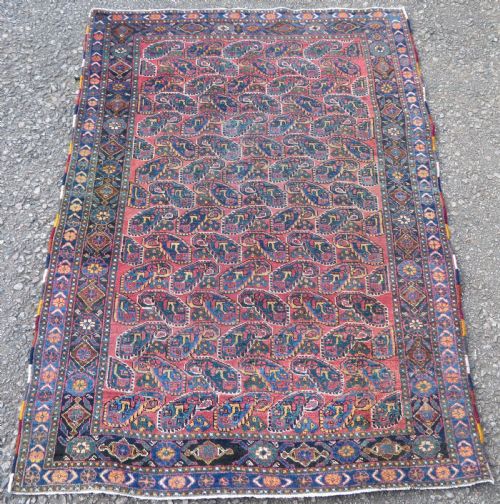
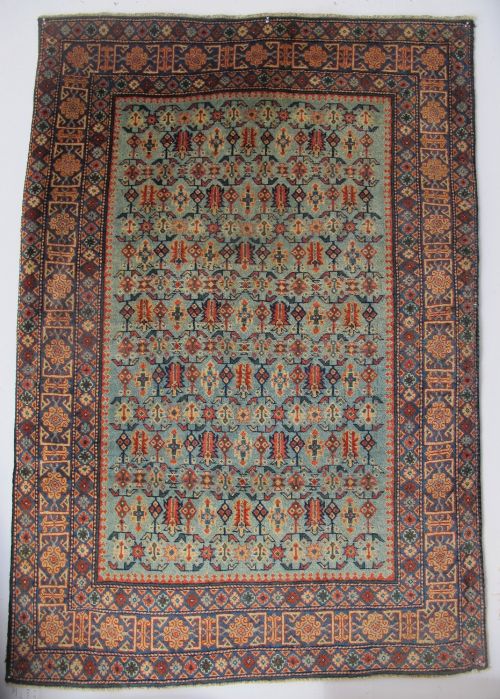
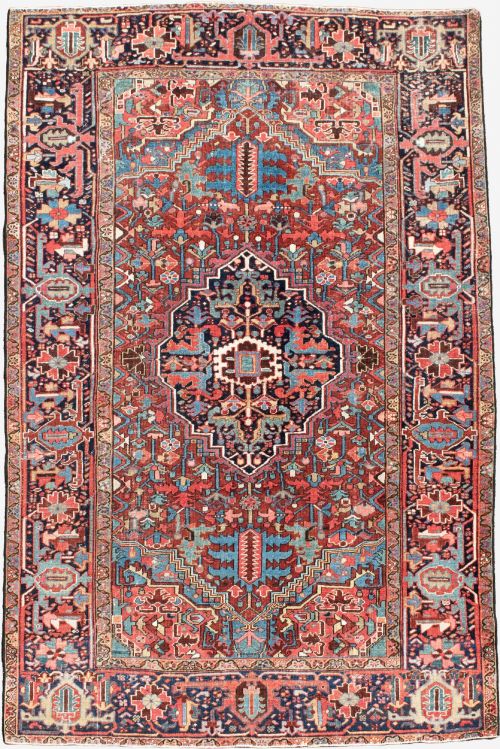
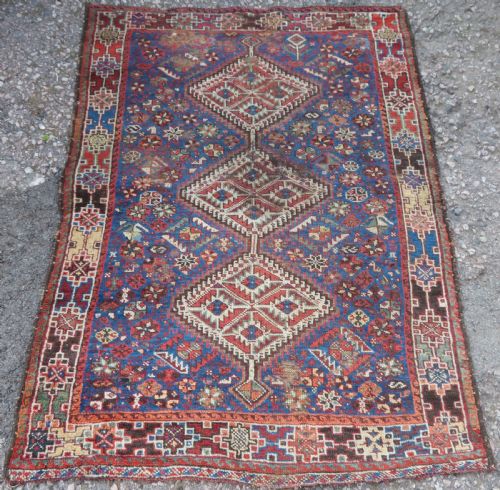
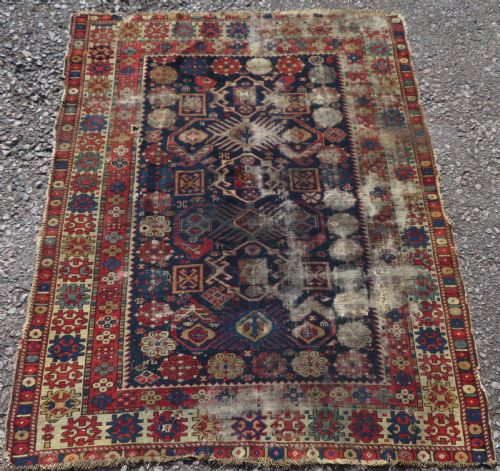
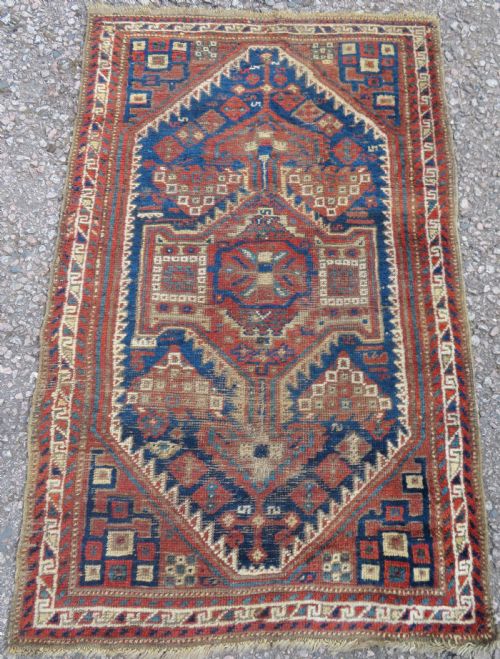
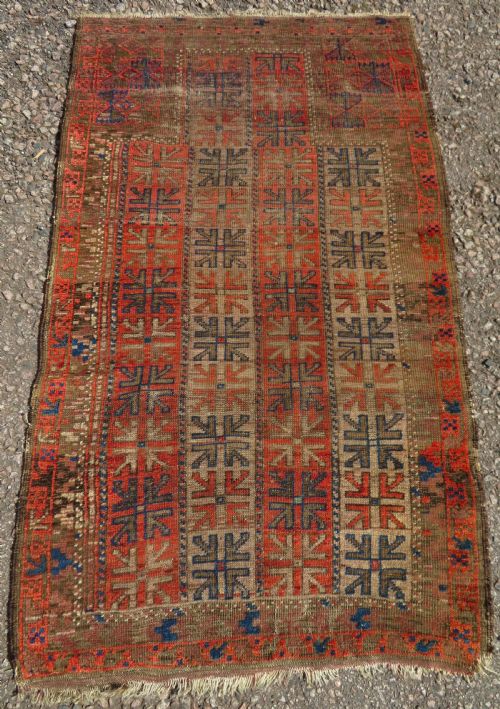
When searching for a small area rug carpet, buyers encounter woven floor coverings originating mainly from nineteenth and early twentieth-century traditions across Persia, Turkey, the Caucasus, and Central Asia. The selection spans distinct regional types such as Heriz, Bidjar, Afshar, Baluch, and Bergama, reflecting specific village and nomadic heritages.
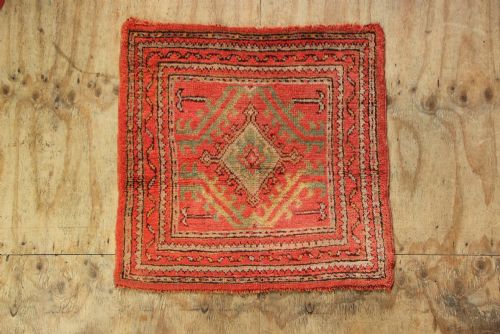
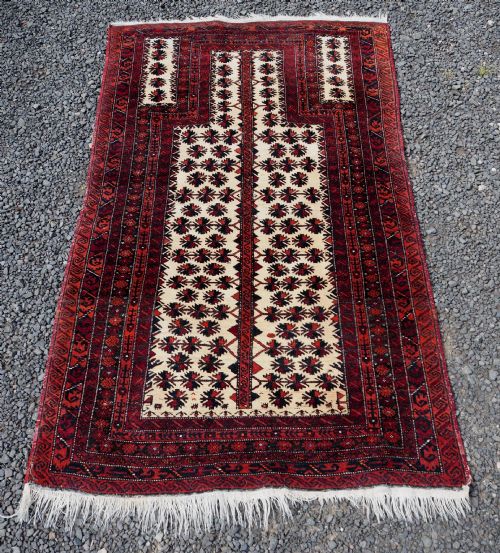
Most pieces on this page take the form of compact floor rugs, hearth-sized formats, square carpets, or specialised prayer and meditation rugs. These smaller proportions make them adaptable for accent placement in hallways, studies, or intimate living spaces while retaining traditional geometric and floral motifs.
Materials and weaving techniques
The construction of these pieces relies heavily on durable wool pile knotted onto sturdy foundations of cotton or wool warps. Artisans utilised hand-spun wool and natural dyes to achieve deep, varied tones that develop character over decades of use.
Regional weaving methods dictate the structure, from the dense, heavy compaction characteristic of Bidjar workshops to the looser, flexible nomad knits found in Baluch and Afshar tribal pieces. Tibetan varieties introduce specialised materials like Tibetan wool for meditation and khaden rugs.
Listings span production dates from the mid-nineteenth century through the 1930s, featuring wool, cotton, and natural dyes.
Assessing character and material integrity
Quality in these woven pieces rests in the integrity of the foundation and the depth of the dye work. Hand-spun wool paired with natural dyes yields a shifting subtlety of colour that machine-processed yarns simply do not replicate.
The precision of the knotting and the tightness of the weave govern structural longevity. Pieces that maintain firm selvedges and stable foundations despite age demonstrate superior initial craftsmanship.
The Small Area Rug Carpet Glossary
- Warp
- The stationary vertical threads stretched on a loom that form the structural skeleton of the rug. The fringe at either end of a finished carpet is typically an extension of these warp threads.
- Selvedge
- The finished side edges of a rug formed by binding the lateral weft threads to prevent unravelling. A sound selvedge protects the structural integrity of the pile.
- Prayer rug
- A small format rug featuring a mihrab or arch design indicating the direction of prayer. These pieces were historically used for individual devotion.
- Natural dye
- Colourants derived from plant, insect, or mineral sources rather than synthetic chemical laboratories. They produce rich, harmonious tones that age gracefully.
- Khanden
- A Tibetan sleeping or sitting rug used traditionally on platforms or floors. These often feature distinctive borders and symbolic iconography.
Small Area Rug Carpet: Frequently Asked Questions
Where should I place a small area rug carpet?
These compact rugs work well in smaller rooms, entryways, or beside beds where floor accents are needed without overwhelming the space. Their proportions also suit placement beneath small reading chairs or in hearth areas.
Because many examples date from the nineteenth and early twentieth centuries, placing them in moderate-traffic areas helps preserve their historic pile while still enjoying their visual warmth.
How do I identify a tribal rug?
Tribal rugs typically display geometric medallions, hooked motifs, and asymmetrical designs that reflect the nomadic or village heritage of the weavers. They often utilise spontaneous colour changes and simpler repeating patterns rather than rigid court designs.
Regions such as the Caucasus, Baluchistan, and Anatolia produced many of the distinctive tribal pieces found in these listings.
What is a prayer rug used for?
Historically, prayer rugs served a devotional function, featuring a characteristic pointed arch or mihrab design at one end. The user oriented this niche toward Mecca during daily prayers.
Today, collectors value them as concentrated examples of regional weaving skill, often utilising them as wall hangings or small accent floor pieces.
How can I tell the age of these rugs?
Dating relies on observing structural clues such as hand-spun wool, natural dye palettes, and specific regional designs tied to periods like the nineteenth century or early nineteen-hundreds. Irregularities in weave and natural wear patterns also indicate significant age.
Analysing the structure of the warp and weft helps distinguish older village and nomadic pieces from later reproductions.