

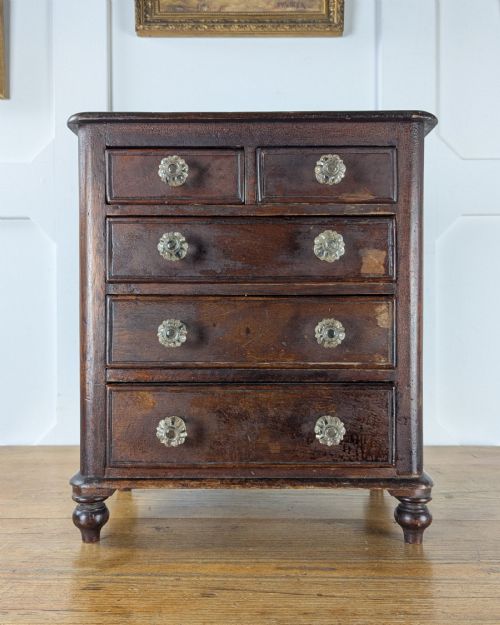
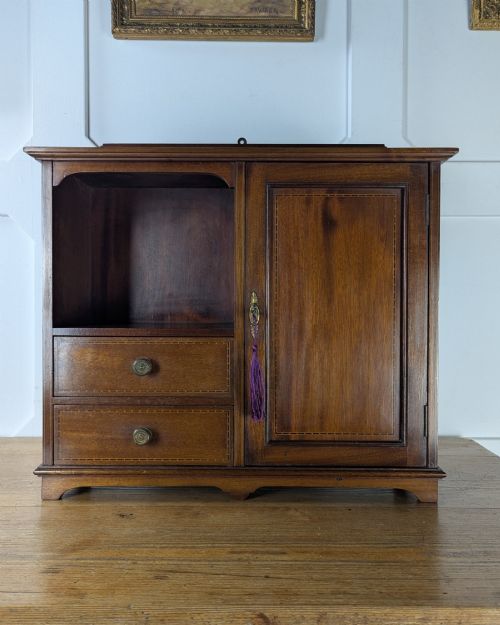
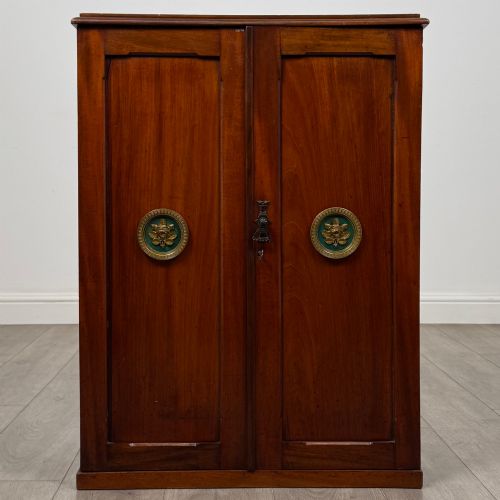
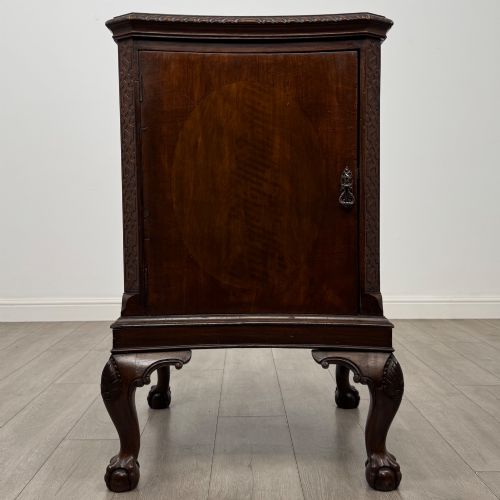
Small Wood Cupboard
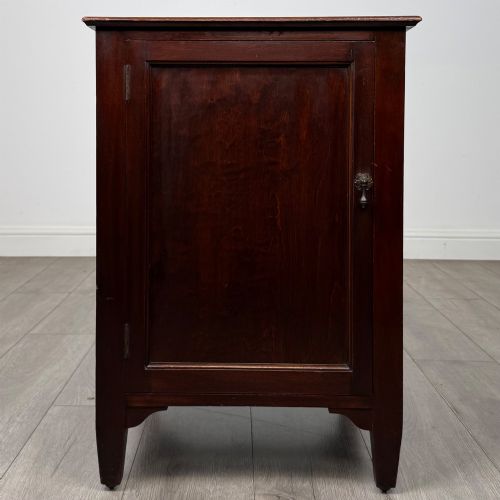
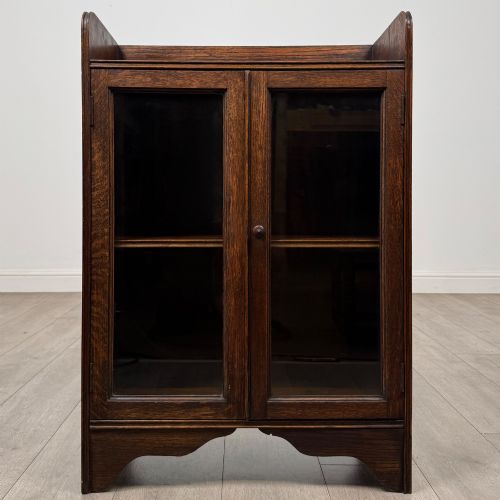
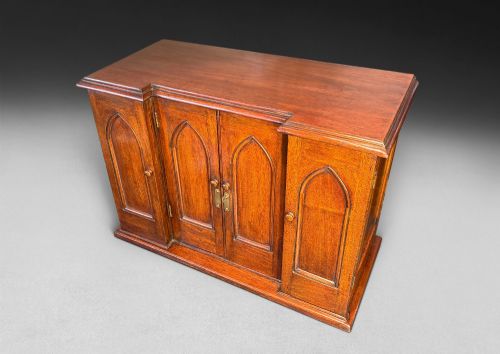
A small antique wood cupboard brings compact storage and rich timber grain into a room without dominating the floor space.
Small Wood Cupboard
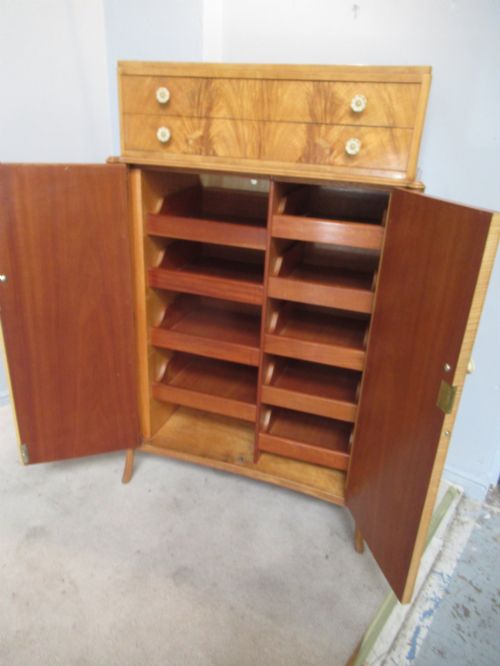
A small antique wood cupboard serves as a practical storage piece, often appearing as a bedside cabinet, wall-hanging unit, or compact display case. These items emerge from periods spanning the eighteenth, nineteenth, and early twentieth centuries, reflecting diverse domestic needs of the past.
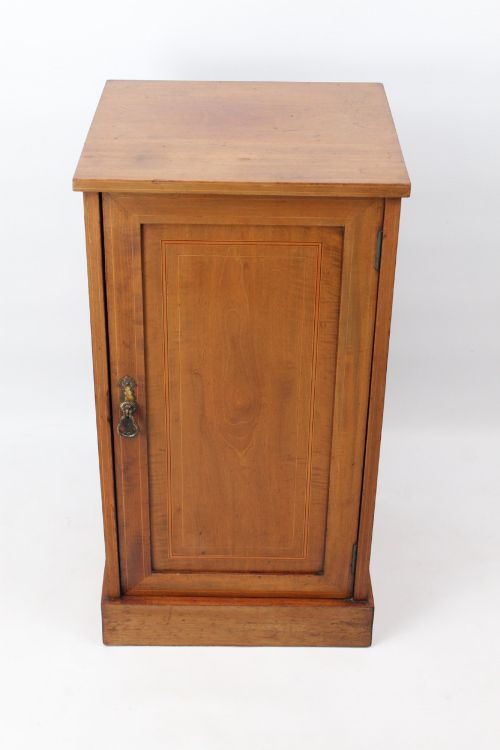
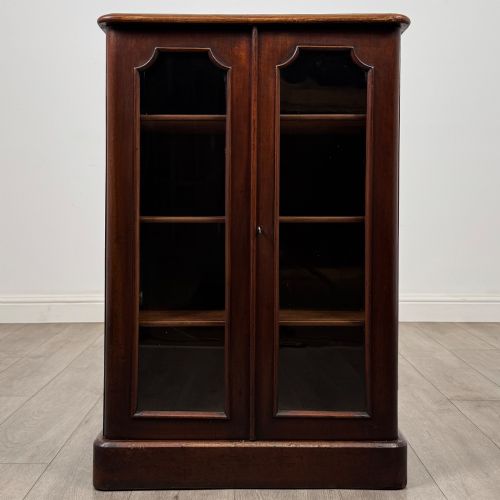
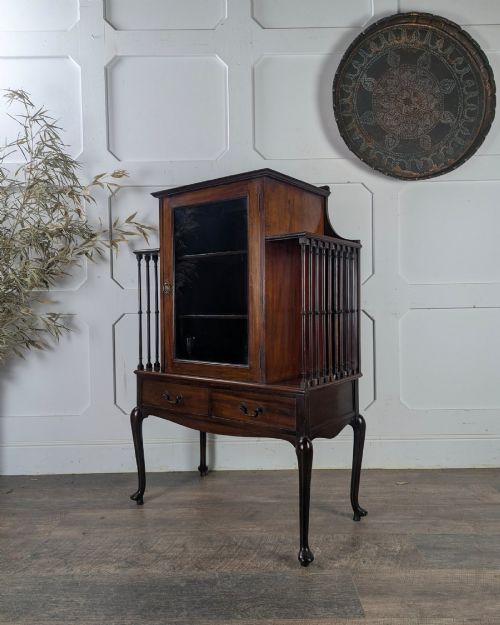
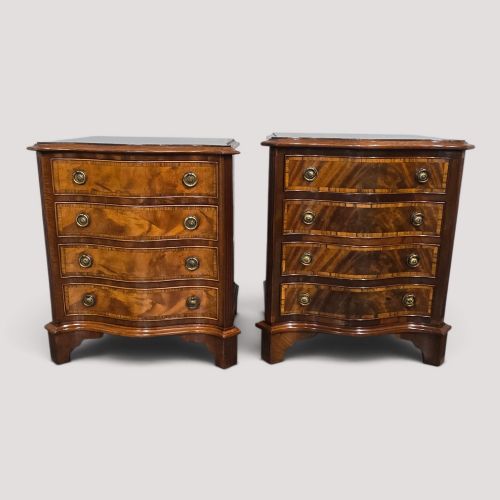
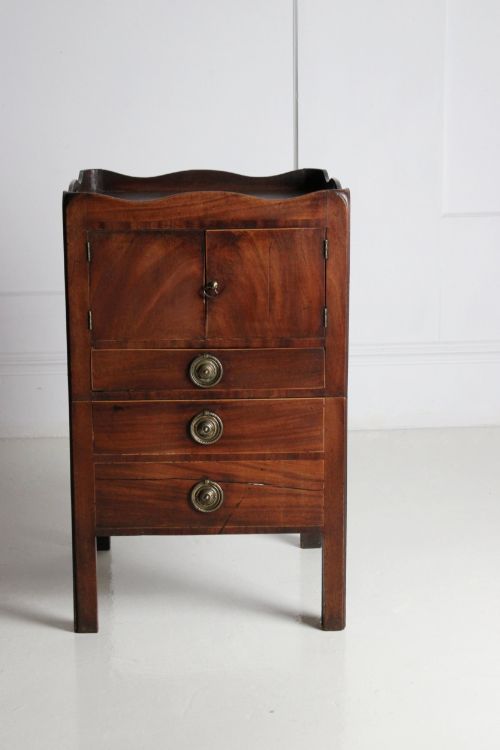
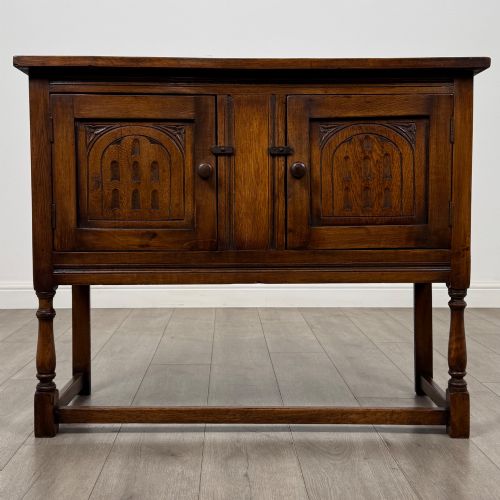
The version most commonly encountered on this page is the Edwardian or Victorian mahogany bedside cabinet or small display piece. Alongside these, buyers find Georgian night stands, oak wall cupboards, and occasional walnut or pine forms designed for specific domestic corners.
Buyers choose these pieces to introduce period character and useful enclosed shelving into modest spaces. Their varied forms, from corner cupboards to miniature chests, allow them to function cleanly in modern hallways, bedrooms, and studies.
Materials and Construction
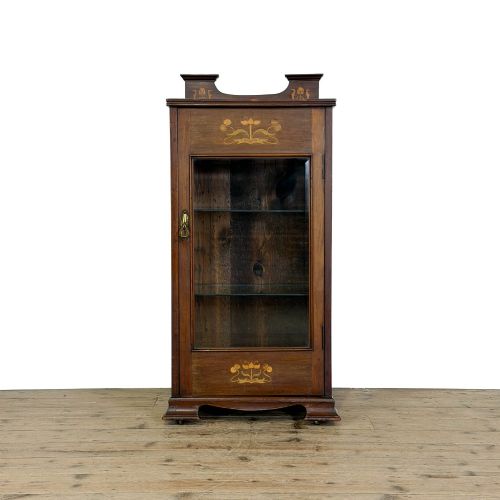
Timbers such as mahogany, oak, walnut, and pine form the structural core of these pieces, often enhanced with satinwood inlay, brass fittings, or glass panels. Cabinet makers utilised traditional joinery techniques to build carcases that endure through centuries of daily use.
Surface treatments range from plain polished wood and hand-carved oak details to painted finishes, Chinoiserie decoration, and Dutch marquetry. Glazed doors and brass hardware appear frequently on display cabinets and wall-mounted storage units.
Listings feature items spanning the eighteenth century through to the Art Deco period, constructed primarily in mahogany, oak, walnut, and pine.
Factors of Quality
The refinement of the timber selection and the crispness of any carved or inlaid decoration distinguish finer examples from standard utility pieces. Cabinet work featuring figured mahogany veneers, balanced proportions, and original brass hardware represents a higher tier of craftsmanship.
Structural integrity, the smoothness of opening doors and drawers, and the preservation of original surfaces dictate the standing of an individual item. Pieces retaining untouched period patination and subtle decorative detailing command greater interest among collectors.
The Small Wood Cupboard Glossary
- Bedside Cabinet
- A small enclosed piece of furniture designed to stand next to a bed for nighttime storage. These often feature a single door above a small compartment or drawer.
- Corner Cupboard
- A storage unit constructed with a triangular plan to fit neatly into the corner of a room. Surviving examples frequently feature hanging brackets or wall-mounting fixtures.
- Marquetry
- Decorative veneer work created by fitting together thin pieces of wood and other materials to form pictorial patterns. This technique appears on high-status eighteenth-century Dutch and later revival cabinets.
- Inlay
- A method of ornamenting a wooden surface by inserting contrasting strips or shapes of wood, such as satinwood or boxwood, flush with the surrounding timber.
- Night Stand
- An alternative term for a bedside table or small cupboard originating in the Georgian and Victorian periods. They often incorporate enclosed spaces for chamber pots or personal items.
Small Wood Cupboard: Frequently Asked Questions
How do I date a small wooden cupboard?
Dating relies on examining the timber species, construction methods, and stylistic cues present in the piece. Georgian and Victorian examples typically display different dovetailing techniques and secondary woods compared to Edwardian or later twentieth-century items.
Hardware, locks, and the presence of original glass or inlay also provide reliable chronological markers. Comparing the proportions and decorative vocabulary to known period pieces helps narrow down the decade of manufacture.
Where were these small cupboards placed originally?
These compact pieces were built for specific domestic zones, including bedrooms as bedside tables, and reception rooms as corner display units. Wall-hanging cupboards saved floor space in cramped Victorian and Georgian interiors.
Medical and writing variants, such as apothecary or kneehole configurations, served specialised functions in studies or dispensaries. Today, their adaptable scale allows them to function easily in modern hallways and living areas.
What is the difference between a cupboard and a cabinet?
Traditionally, a cupboard refers to a closed piece of furniture primarily intended for concealed storage behind solid doors. Cabinets frequently incorporate glass panels, open shelving, or display spaces intended to show off contents.
In historical listings, however, the terms often overlap, with many bedside and wall units described as both. Examining the door construction and internal layout provides the clearest indication of its original purpose.
How do I care for antique wood furniture?
Preserving these surfaces involves keeping them away from direct heat sources and sudden humidity changes that cause wood to crack. Regular dusting with a soft, dry cloth maintains the finish without building up heavy chemical residues.
Application of appropriate wax polish periodically helps nourish older timbers like mahogany and oak. Avoiding abrasive cleaners ensures the original patination and delicate inlay work remain intact.