
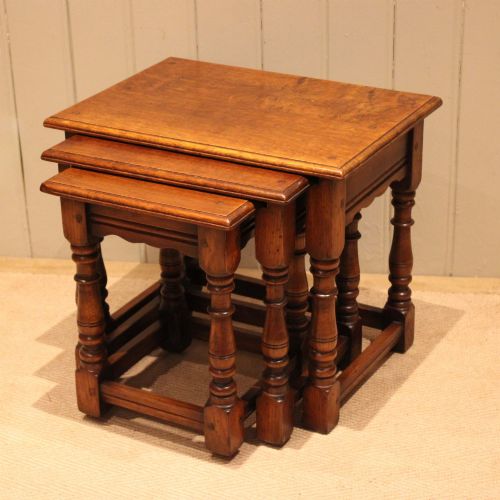
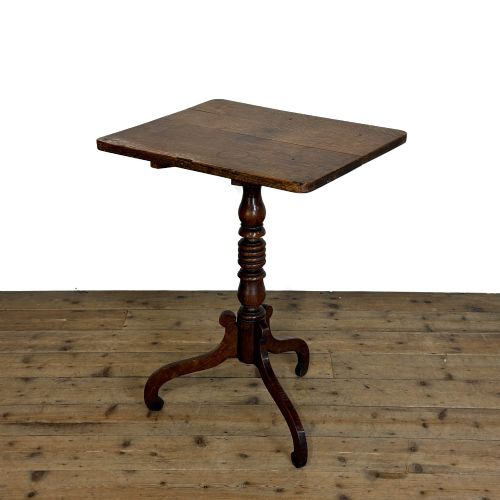
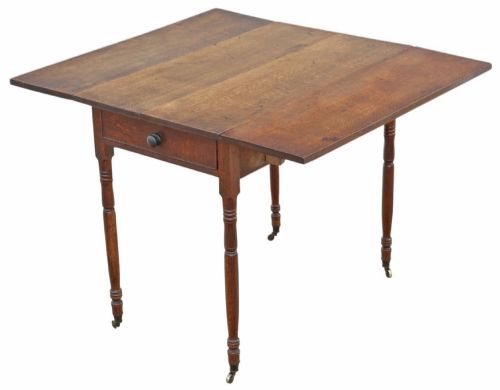
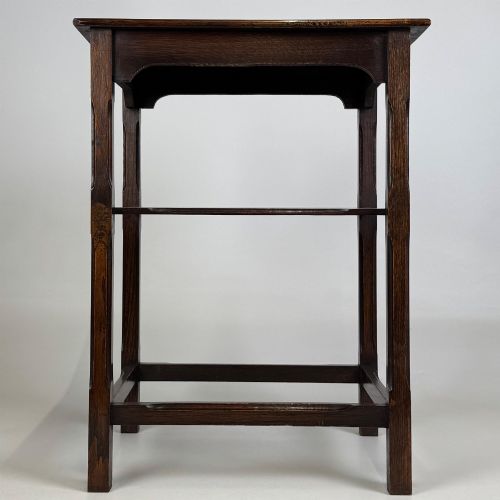


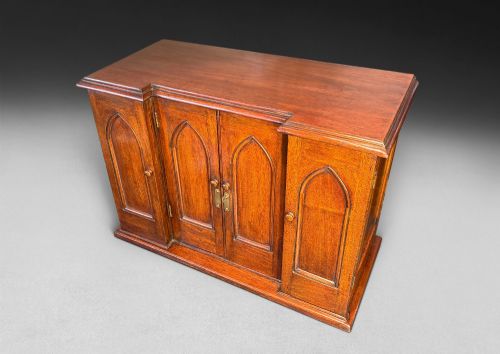
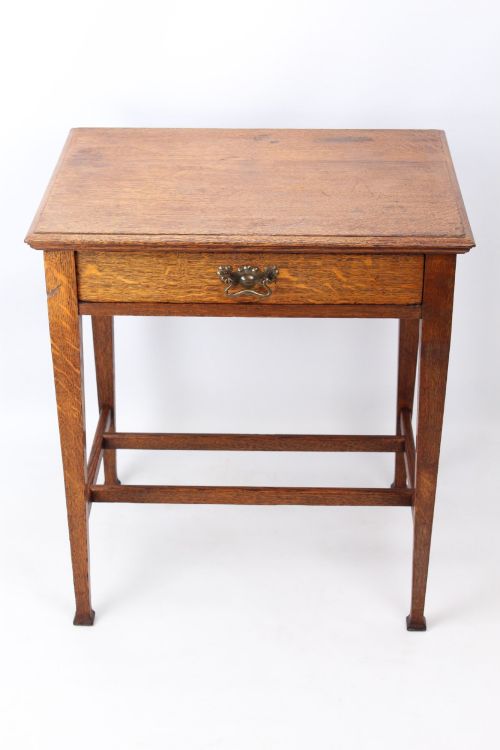
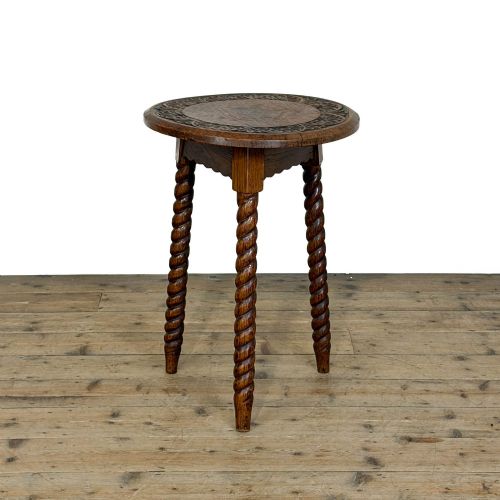
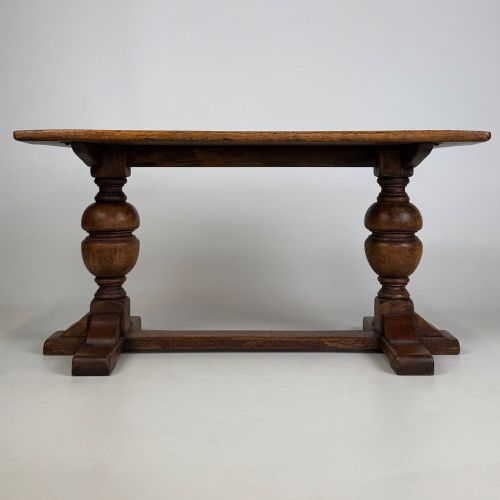
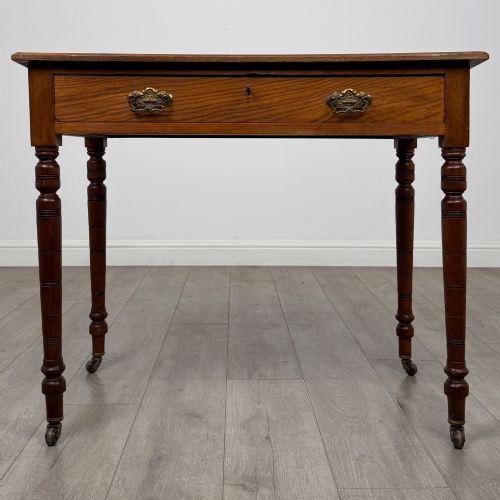
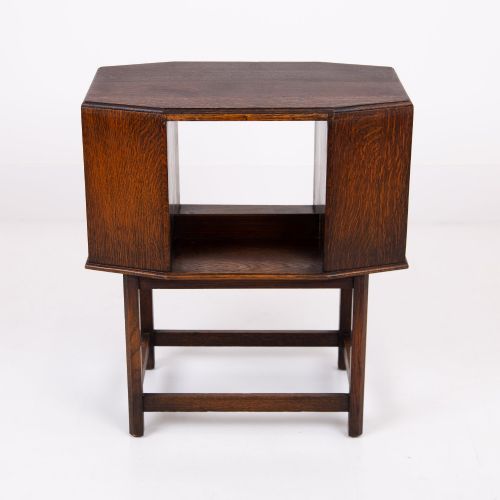
Small Oak Table
A small antique oak table brings domestic history into a room, offering functional surface space rooted in centuries of vernacular British and European craftsmanship.
Materials and construction
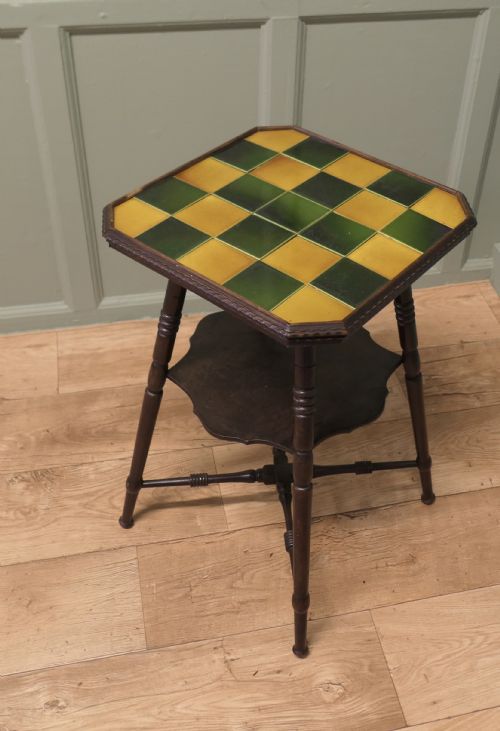
Makers relied primarily on solid oak, frequently supplemented by burr oak veneer, ash, and structural elements incorporating brass, iron, or ceramic fittings. Timber selection dictated the weight and grain pattern of the surface, with quartersawn oak displaying characteristic medullary rays.
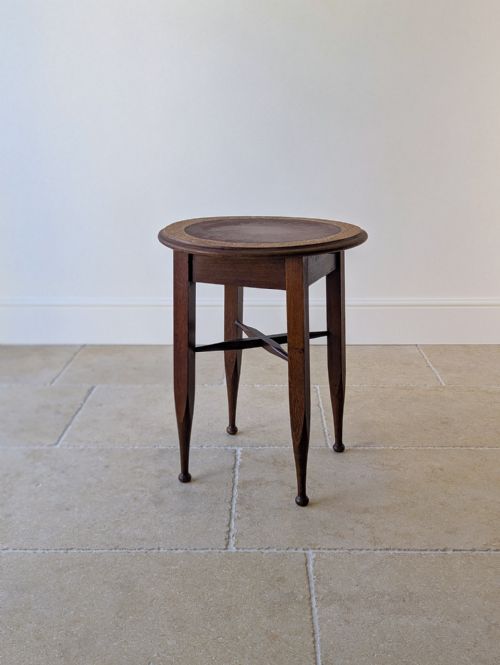
Joinery methods involved traditional pegging, mortise and tenon joints, and hand-cut dovetails for drawers, ensuring structural stability without modern adhesives. Turning techniques produced bobbin, barley twist, and tapered legs, while drop-leaf mechanisms depended on hinged wooden flaps supported by swinging gates or pull-out rule-joint arms.
Distinctions in manufacture
Evaluation rests on the integrity of the timber and the retention of original elements such as drop handles, hinges, and patinated finishes. Pieces constructed with thick plank tops and robust underframing demonstrate superior stability compared to later, lighter adaptations.
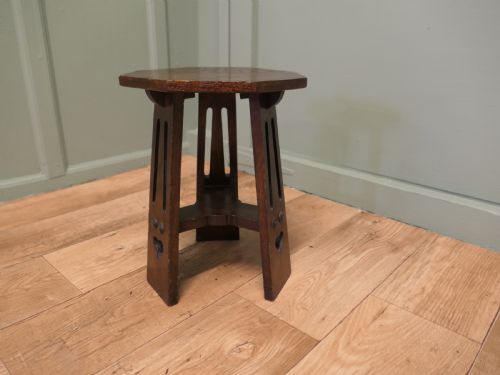
The precision of the joinery and the subtlety of hand-carved details, such as those found on Arts and Crafts or Jacobean revival examples, separate standard workshop output from finer productions. Surviving original surface wax and minimal timber replacement preserve the historical character valued by collectors.
Small Oak Table Retail Price Guide 2026
Typical asking prices for small oak table among the pieces listed under this phrase on Sellingantiques today, from the lower quarter to the upper quarter. They describe what is for sale here now, not the wider market.
Several small tables arrive equipped with hidden drawers or clever drop leaves, perfect for concealing secret notes or forgotten afternoon biscuits.
Shapland & Petter
The Small Oak Table Glossary
- Gateleg table
- A table featuring hinged flaps supported by swing-out legs that resemble a gate when opened. This form maximises surface area while allowing compact storage against a wall.
- Cricket table
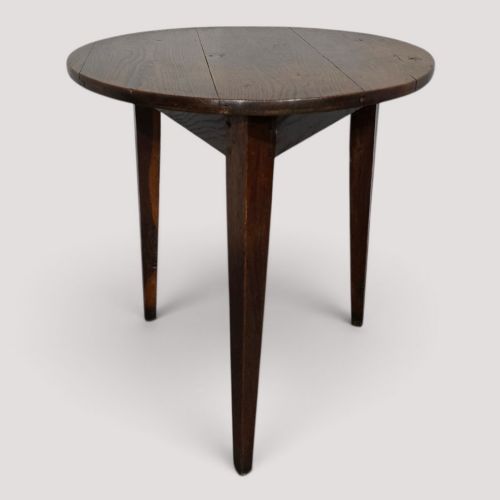
- A small, light round table traditionally supported by three legs, often featuring a triangular lower shelf for stability on uneven floors. The design dates back centuries in English vernacular woodworking.
- Low boy
- A small eighteenth-century dressing table or side table featuring one or more rows of drawers beneath a rectangular top. These pieces typically display slender cabriole or straight legs.
- Tripod table
- A pedestal table standing on three spreading feet attached to a central turned shaft. Many examples feature a tilt-top mechanism allowing the surface to fold vertically when not in use.
- Medullary ray
- A ribbon-like cellular structure radiating outward from the centre of a tree trunk, visible as flecks or tiger-stripes on quartersawn oak furniture. This feature indicates stable, radial timber cutting.
Small Oak Table: Frequently Asked Questions
How do I date a small oak table?
Dating relies on observing construction methods, joinery types, and overall design characteristics relative to known stylistic periods. Hand-cut dovetails, pegged joints, and specific turning styles such as bobbin or barley twist offer clear chronological indicators.
Secondary woods, hardware types, and wear patterns further help narrow down whether a piece originates from the seventeenth century, the Georgian era, or later revival periods.
Were these tables used for dining?
Many small forms, particularly drop-leaf gatelegs, Pembroke tables, and compact refectories, served functional dining roles in smaller households or country cottages. Their expandable tops accommodated meals before folding down to save floor space.
Other variations, such as side tables and occasional stands, were built for display, writing, or bedside use rather than seated dining.
How should I care for antique oak?
Maintenance involves applying natural beeswax periodically to nourish the dry timber and preserve the historic surface sheen. Avoiding direct sunlight and stable humidity levels prevents the oak from splitting or warping.
Cleaning requires only a soft, dry cloth to remove dust without stripping the accumulated patina developed over generations of use.
What is burr oak veneer?
Burr oak veneer consists of thin slices of figured wood cut from abnormal tree growths, displaying swirling, highly decorative grain patterns. Makers applied these prized veneers over solid oak carcases to create visually striking surfaces on select tables and cabinets.
This technique required high skill to lay smoothly and secure without bubbling over centuries of temperature changes.