
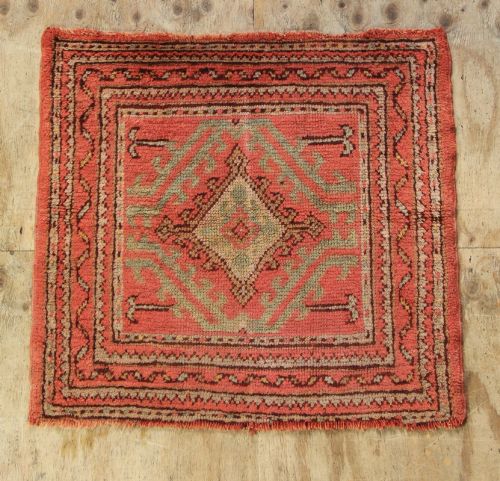


Small Anatolian Mat
A small anatolian mat brings the rich woven heritage of Turkish village looms into compact spaces.
Small Anatolian Mat
A small anatolian mat represents traditional woven textiles originating from various regions across Turkey, including Bergama, Konya, Oushak, and Milas. Buyers seeking these items will encounter village and tribal formats designed for specific domestic uses rather than grand floor coverings.
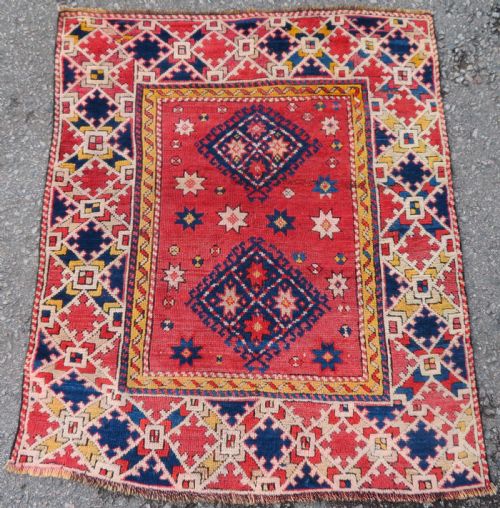
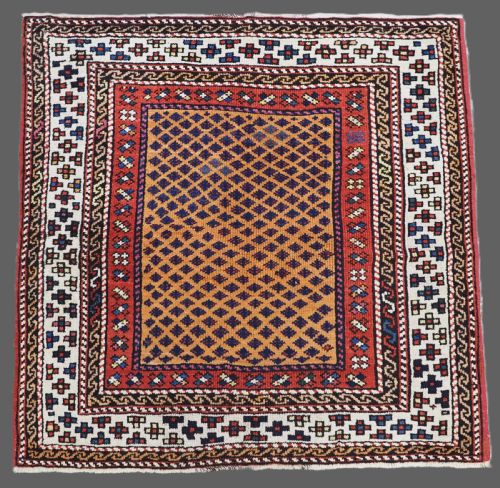
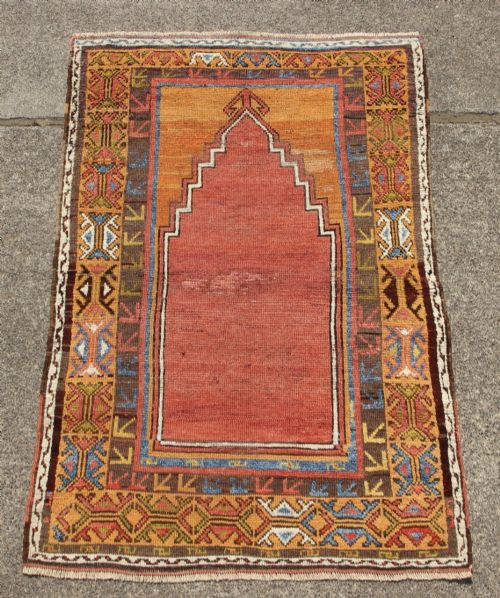
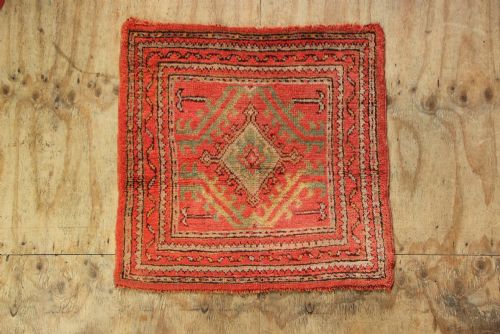
The selection on this page predominantly comprises antique prayer rugs, square formats, and village rugs dating from the eighteenth century through to the early twentieth century. These pieces reflect distinct regional weaving traditions within Anatolia, utilising recognizable design motifs such as mihrabs and geometric lattice patterns.
Formats range from compact scatter sizes and square proportions to specialised domestic pieces like yastics, which served as bolster cushions. Each piece carries the distinct visual language of the village or town where local weavers produced it.
How they were made
Weavers constructed these textiles primarily using wool, cotton, and hand-spun wool for the pile, warp, and weft foundations. The choice of local wool provided durable structures suitable for daily domestic life in Turkish households.
Traditional hand-knotting techniques secured the pile to the foundation threads, allowing artisans to build up intricate geometric and floral patterns. Natural dye materials supplied the deep colour palettes observed across the regional village types.
Many a small rug spent its youth supporting a tired Ottoman elbow before retiring to a collector's quiet study floor.
What varies in quality
Quality across these rugs depends upon the precision of the knotting and the crispness of the design execution. Tighter pile density and clear, well-drawn motifs separate superior regional examples from simpler village weaving.
The integrity of the wool and the depth of the colour saturation further distinguish the finer pieces. Age and regional attribution also influence the character of the weave, with certain towns known for particularly refined prayer mihrabs.
The Small Anatolian Mat Glossary
- Prayer rug
- A rug featuring a distinct architectural arch, known as a mihrab, designed to direct the placement of the head during daily prayers. These pieces often originate from weaving centres such as Konya, Ghiordes, and Milas.
- Yastic
- A traditional small Turkish cushion face or rug format, historically utilised as a cover for low divans and bolsters. They share the structural qualities and wool materials of larger area rugs.
- Mihrab
- The arched niche depicted on prayer rugs that mimics the prayer niche found in mosques. Its orientation points the user towards Mecca during worship.
- Warp
- The vertical foundation threads stretched tightly on the loom before the knotting begins. Cotton and wool serve as the primary materials for these structural elements.
- Weft
- The horizontal threads passed back and forth between the warp threads to bind the knots in place. This technique creates the stable foundation characteristic of antique Anatolian weaving.
Small Anatolian Mat: Frequently Asked Questions
Where were these small rugs made?
The pieces originate from various historical weaving districts across Anatolia, including Bergama in the west, Konya in central Turkey, and Milas in the southwest. Each region developed distinct patterns and colour choices.
Local village weavers produced these items using materials sourced directly from their surrounding pastoral communities.
How are prayer rugs identified?
Prayer rugs are recognised by the prominent architectural arch or mihrab depicted at one end of the field. This design element directed the user during daily devotions.
Towns such as Ghiordes, Kirsehir, and Konya became particularly well known for distinct variations of this architectural motif.
What is a yastic?
A yastic is a specific small format traditionally used to cover low domestic cushions or bolsters in Turkish homes. These items display the same knotting techniques and wool materials found in larger floor rugs.
Their compact proportions make them suitable for modern display as small decorative wall hangings or table mats.
How should antique wool rugs be cleaned?
Antique wool rugs require gentle care to preserve the hand-spun pile and natural dyes used by the original makers. Professional textile cleaning suited to antique pile carpets is recommended.
Regular light vacuuming without a rotating brush helps prevent dust accumulation within the wool foundation.