



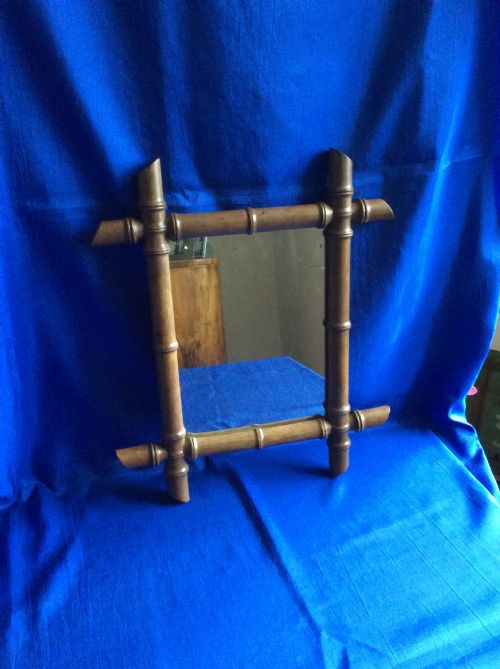


Small Accent Mirror
A small accent mirror brings light and proportion to a tight space, offering a decorative focal point through historic frames.
Small Accent Mirror
A small accent mirror serves to open up interior spaces while providing a distinct historic design element on the wall. Buyers searching this phrase encounter wall mirrors, pier cabinets, and console mirrors spanning multiple centuries.
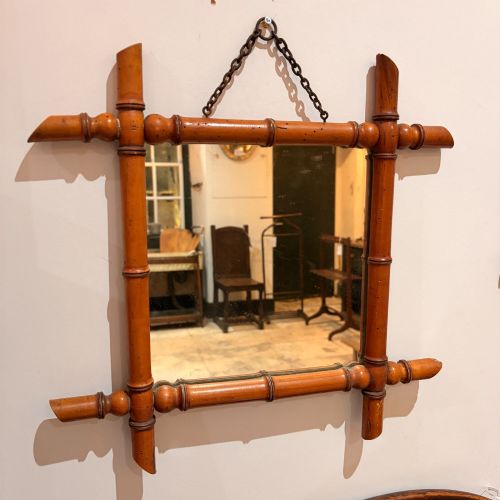
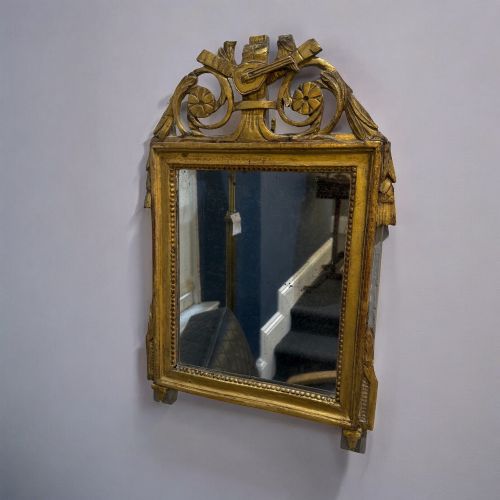
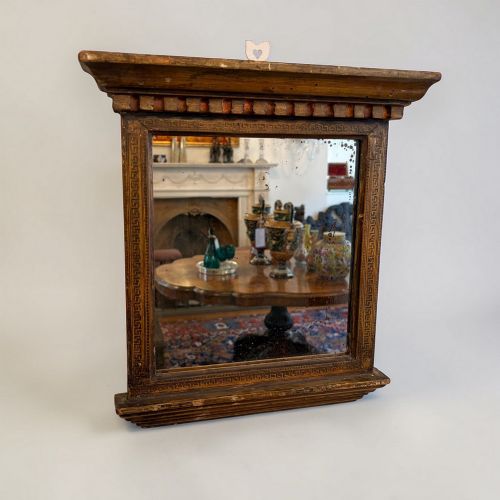
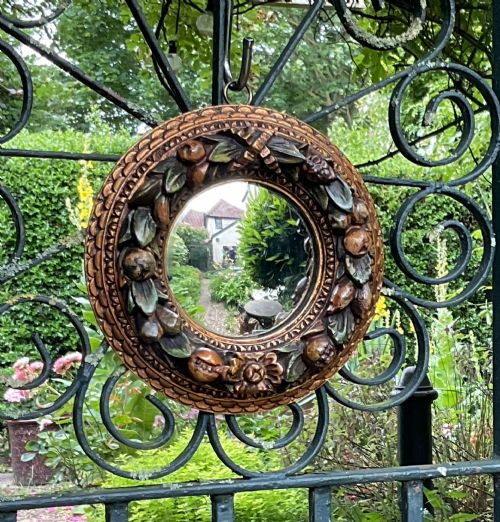
The pieces appearing on this page originate from the eighteenth, nineteenth, and early twentieth centuries, encompassing styles from Regency and Victorian to Baroque, Neoclassical, and Arts and Crafts. These include convex glasses, carved giltwood frames, and faux bamboo examples.
Most items are wall-mounted, though rarer configurations such as console mirrors with shelves and walnut pier cabinets with ormolu mounts also appear. Frames vary from restrained carved wood to ornate Italian Rococo and French aesthetic movement designs.
How they were made
Makers constructed these frames using timber such as carved wood and walnut, applying gesso to create crisp relief details before finishing the surface with gold leaf or gilding. Japanned finishes and faux bamboo treatments also appear in the record.
Glass production relied on traditional mirror glass techniques, often paired with heavy giltwood frames or carved wooden mounts. Metal mounts, such as ormolu, occasionally secure components like pier side cabinet doors.
Small Accent Mirror Retail Price Guide 2026
Typical asking prices for small accent mirror among the pieces listed under this phrase on Sellingantiques today, from the lower quarter to the upper quarter. They describe what is for sale here now, not the wider market.
What varies in quality
Quality rests in the crispness of the wood carving and the depth of the original gilding on the gesso layer. Finer examples show superior hand-carved detail in elements like Neoclassical motifs or convex frame surrounds.
The integrity of the mirror glass and the retention of the original surface finish dictate the standing of a piece. Finer cabinet and console forms combine structural joinery with well-preserved decorative metalwork.
The Small Accent Mirror Glossary
- Giltwood
- Wood covered with gold leaf or a gold-coloured metallic finish. This surface treatment was widely used on decorative frames throughout the eighteenth and nineteenth centuries.
- Gesso
- A plaster-like mixture applied to wood frames to create a smooth surface for gilding. Carvers modelled intricate details directly into this layer before applying gold leaf.
- Convex mirror
- A round mirror with a curved surface that reflects a wide, distorted field of view. These optical glasses often feature decorative balls or frames set within a circular moulding.
- Pier cabinet
- A piece of furniture designed to fit the wall space between windows. These cabinets occasionally incorporate mirror doors and ormolu mounts.
- Japanned
- A European imitation of East Asian lacquerwork applied to wood surfaces. This decorative technique creates a dark, glossy finish often found on specific period frames.
Small Accent Mirror: Frequently Asked Questions
Where should I hang a small accent mirror?
These mirrors work effectively in narrow hallways, above small consoles, or as part of a larger picture arrangement. Their proportions allow them to fit into spaces where a standard wall mirror would overwhelm the wall.
Consider the surrounding lighting to maximise the reflection and brighten darker corners of a room.
How do I identify a Regency convex mirror?
Regency convex mirrors typically feature a circular frame enclosing a curved glass disk. They frequently include ebonised reeded inner rings and carved crests such as eagles.
These pieces date predominantly to the early nineteenth century and were designed to provide a panoramic reflection of the interior.
What is faux bamboo furniture?
Faux bamboo refers to wood carved or turned to imitate the segmented stems of natural bamboo. This style gained popularity during the Victorian period and the late nineteenth century.
Mirrors utilising this technique often appear in lighter wood finishes or painted surfaces.
How do I care for antique giltwood?
Giltwood frames require gentle dusting with a soft, dry brush to protect the delicate gold leaf and gesso layers. Avoid using liquid cleaners, chemical sprays, or water on the gilded surface.
Keep the mirrors away from direct sunlight and high humidity to prevent the wood and gesso from shifting over time.