




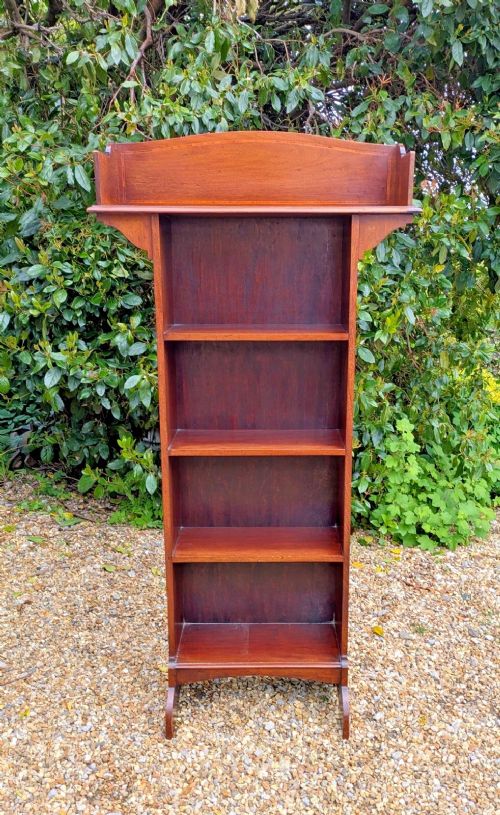
Slim Bookshelf
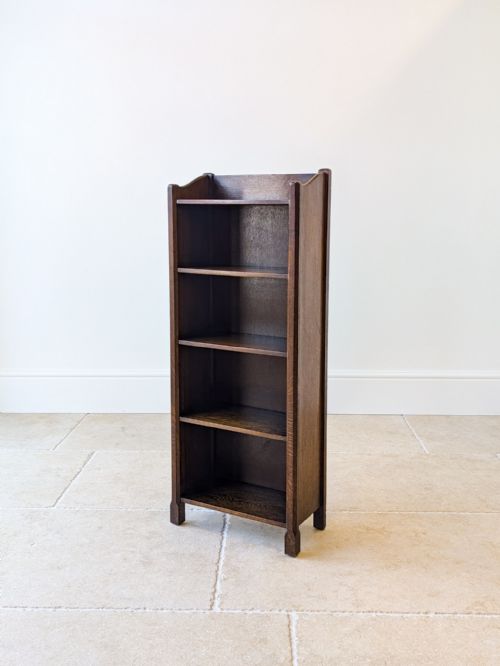
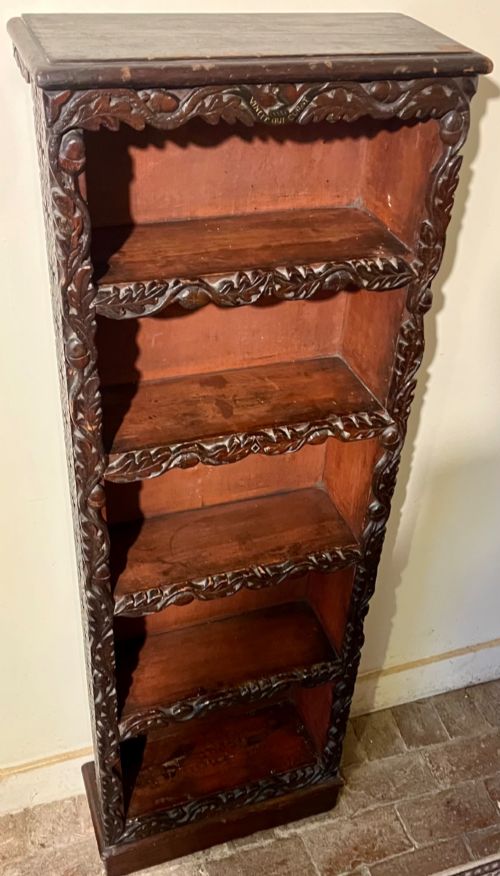
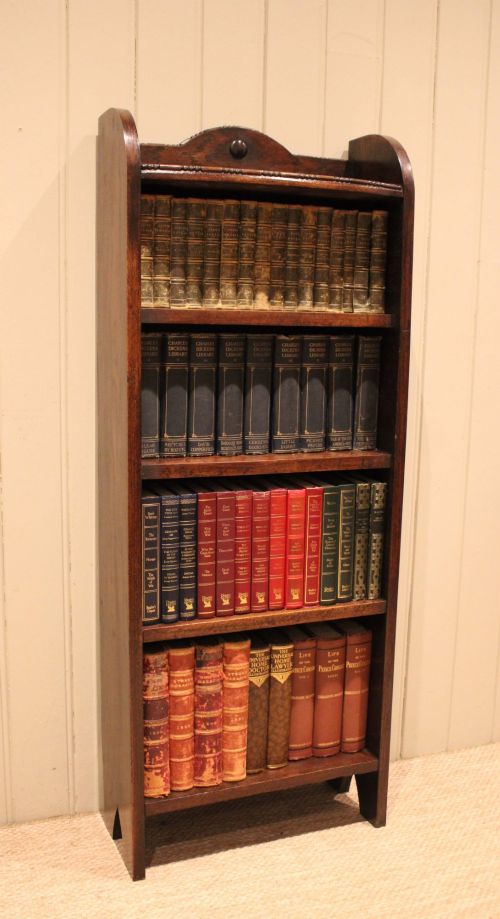
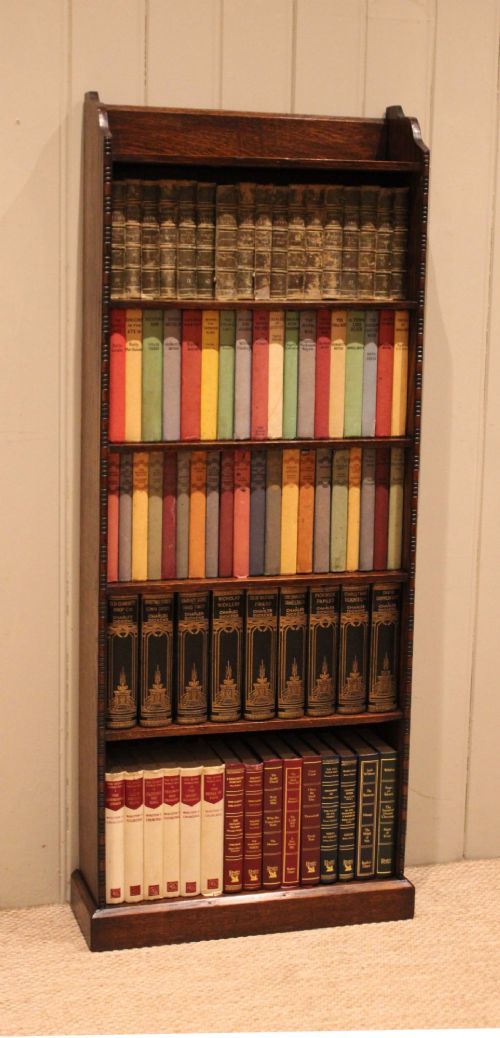
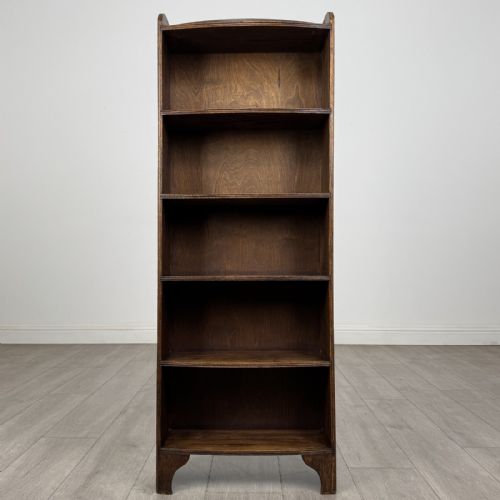
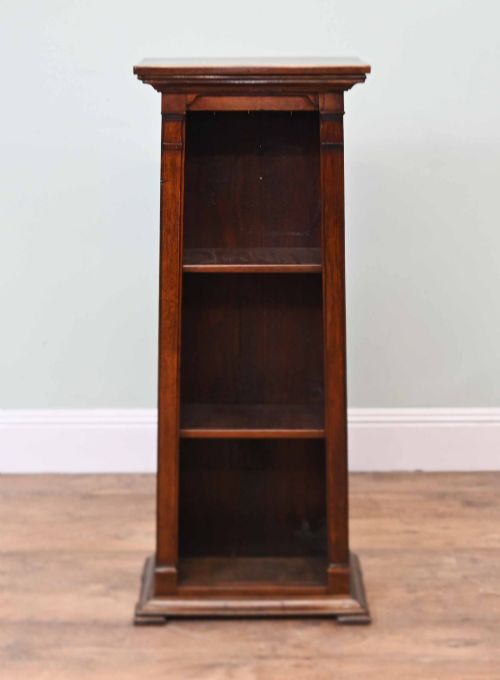
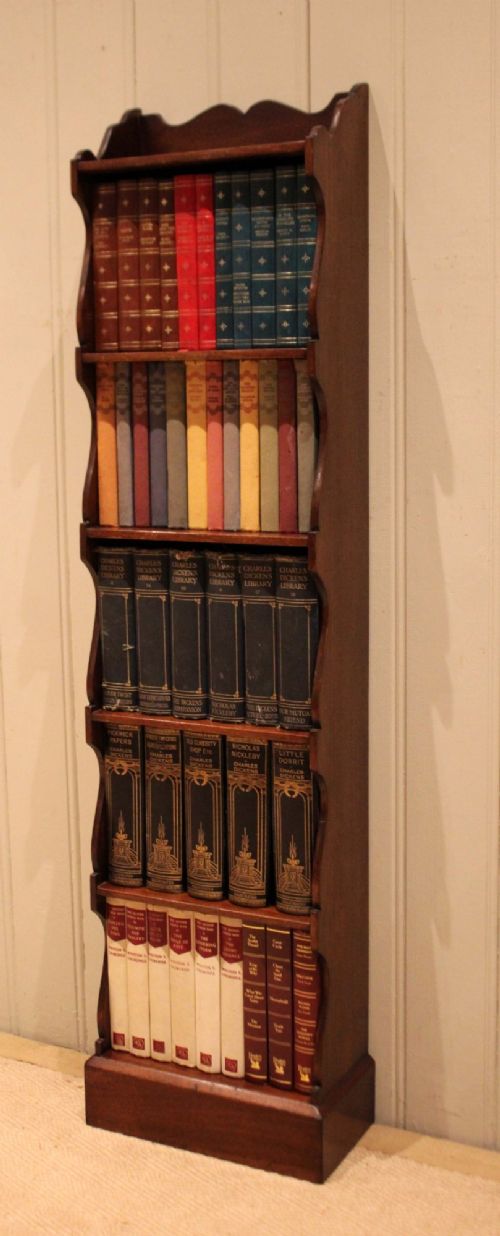
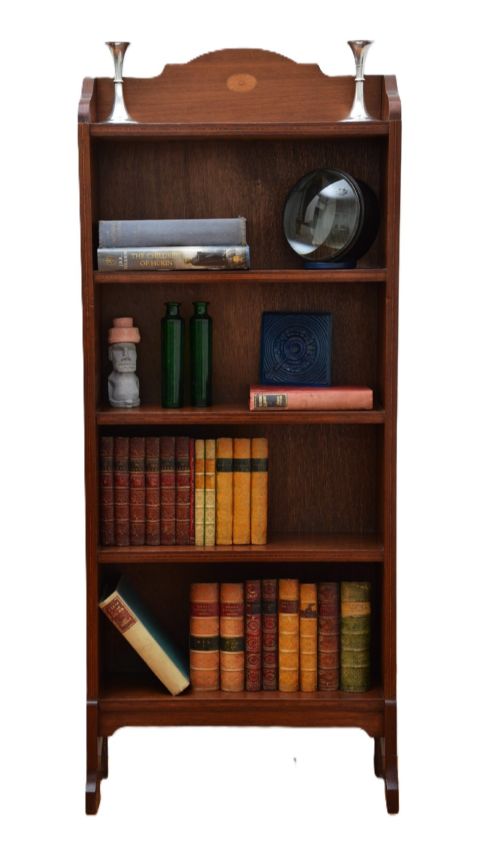
A slim antique bookshelf provides compact vertical storage for modest room spaces, combining period timber work with narrow footprints.
Slim Bookshelf
A slim antique bookshelf serves rooms requiring narrow vertical furniture for limited wall space. These pieces accommodate book collections without dominating domestic interiors.
The selection here brings together examples originating across the nineteenth and early twentieth centuries. Pieces span Victorian, Edwardian, and early twentieth-century periods.
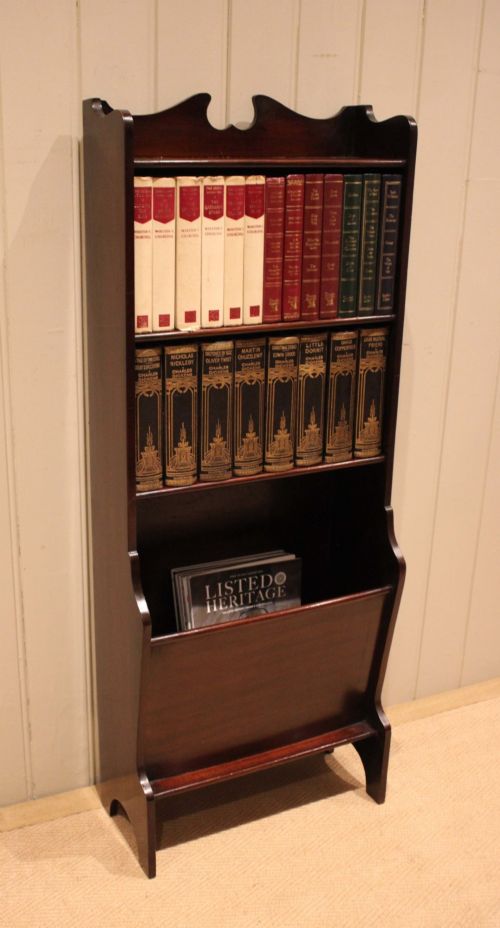
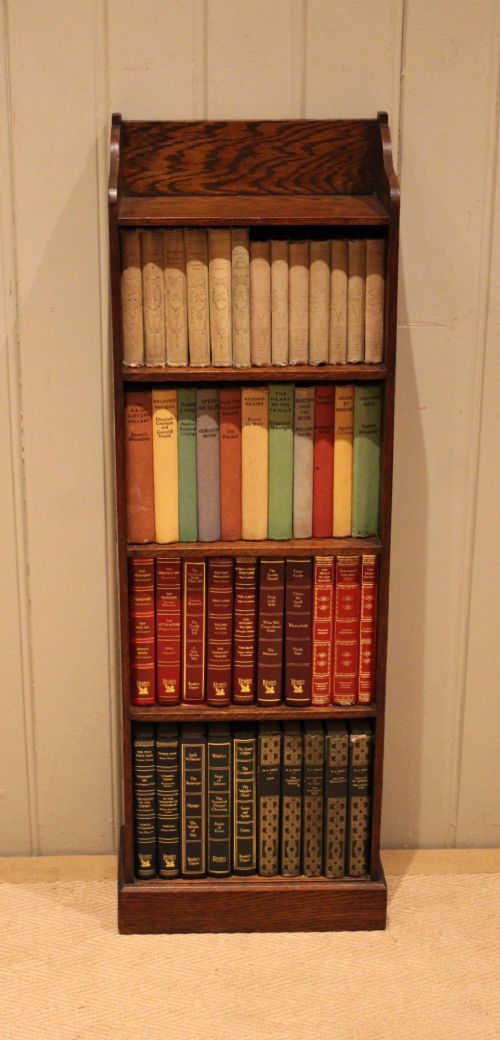
Most entries follow open shelf formats designed for easy volume access. Variations include raised galleries, arched galleries, and bow front shelves.
Assessing construction standards
Quality separates through timber selection and stability across tall proportions. Heavier oak and mahogany builds maintain structural integrity better than lighter pine frames over decades of use.
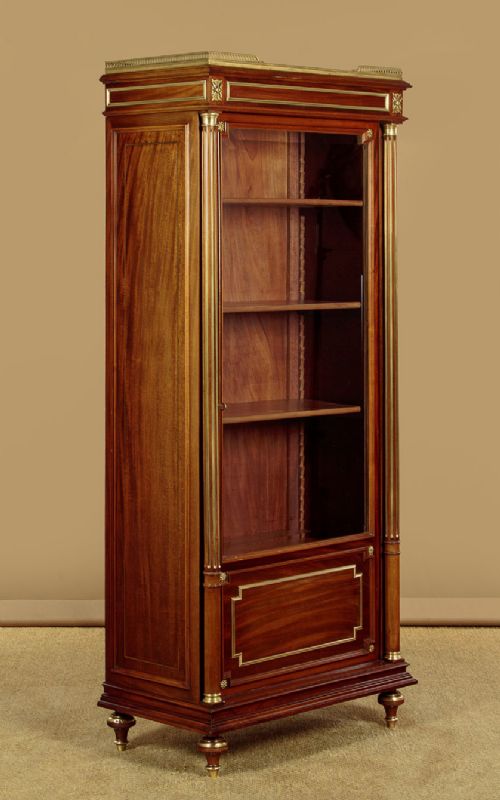
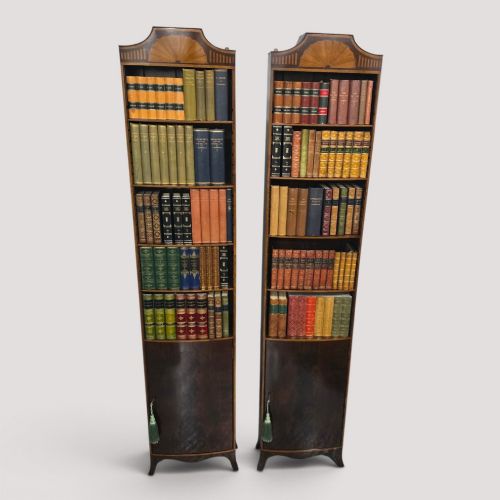
Refined detailing elevates specific examples above standard utility furniture. Inlay work, raised galleries, and adjustable shelving indicate higher craftsmanship during period production.
Slim Bookshelf Retail Price Guide 2026
Typical asking prices for slim bookshelf among the pieces listed under this phrase on Sellingantiques today, from the lower quarter to the upper quarter. They describe what is for sale here now, not the wider market.
One mahogany piece arrives equipped with an integrated magazine rack for tidy periodicals.
The Slim Bookshelf Glossary
- Raised gallery
- A low decorative railing positioned along the top surface of a piece. This feature prevents items from sliding off the uppermost shelf.
- Open bookcase
- A shelving unit lacking glazed or solid doors. This format prioritises immediate access to book collections.
- Satinwood inlay
- Contrasting timber veneer inserted into the primary wood surface for decorative effect. This technique characterises Sheraton Revival and Aesthetic Movement pieces.
- Brass mounted
- Furniture incorporating structural or decorative brass hardware. Such fittings appear on Edwardian narrow designs.
Slim Bookshelf: Frequently Asked Questions
What periods do these bookcases span?
The pieces date from the nineteenth century through the early twentieth century.
Examples include Victorian, Edwardian, and 1920s eras.
How do I style a narrow bookcase?
Place tall slim units in alcoves or narrow wall spaces where standard furniture fails to fit.
Mix vertical book stacks with small decorative objects to balance open shelving.
Are the shelves adjustable?
Specific pairs feature adjustable internal shelving for versatile storage.
Most open configurations utilise fixed horizontal timber boards.
What timbers were used?
Cabinet makers predominantly worked with oak and mahogany.
Secondary materials include pine, satinwood inlay, and brass hardware.