

Slide Storage Chest
A slide storage chest brings compact order to small items, offering pull-out surfaces and drawers built from mahogany, walnut, and oak.
Slide Storage Chest
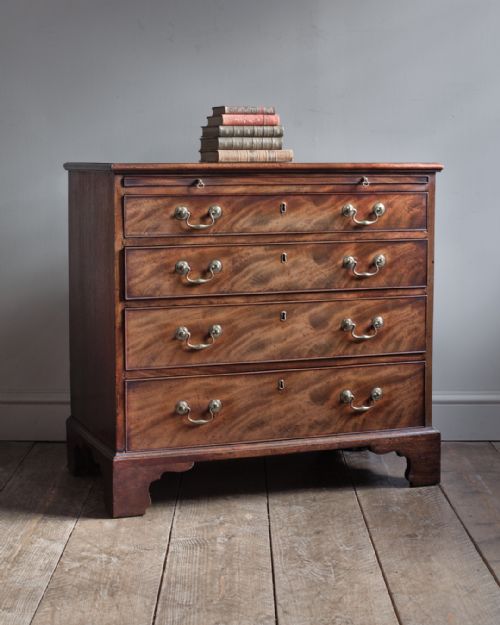
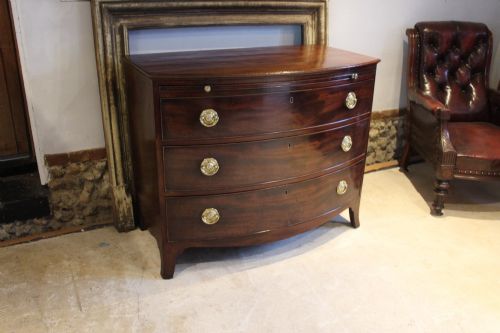
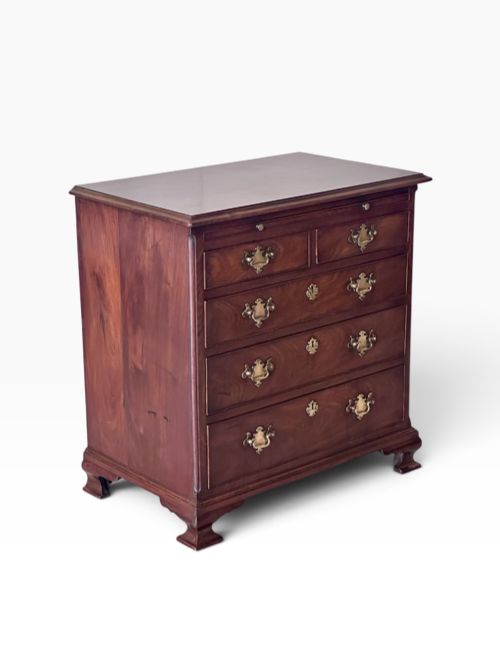
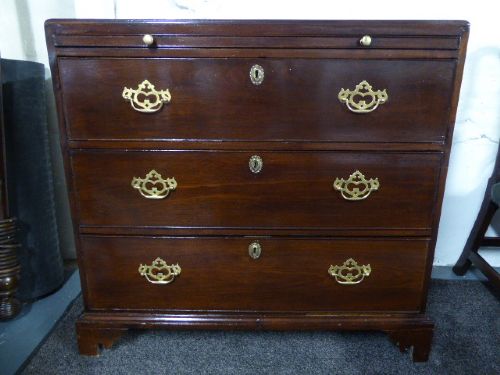
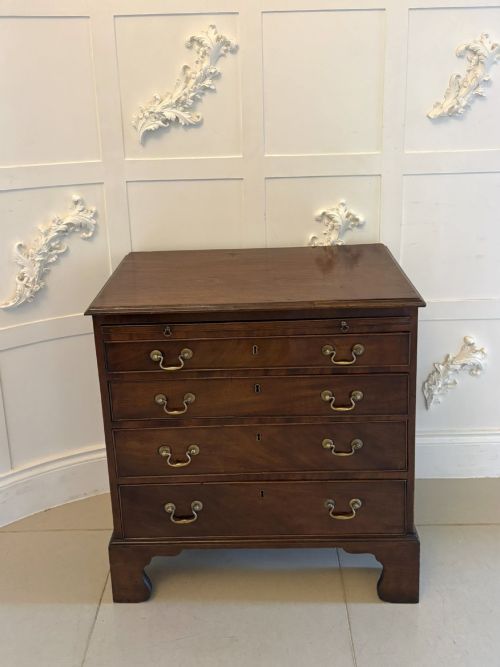
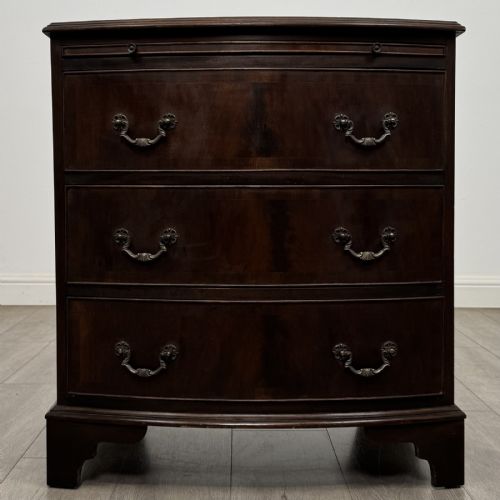
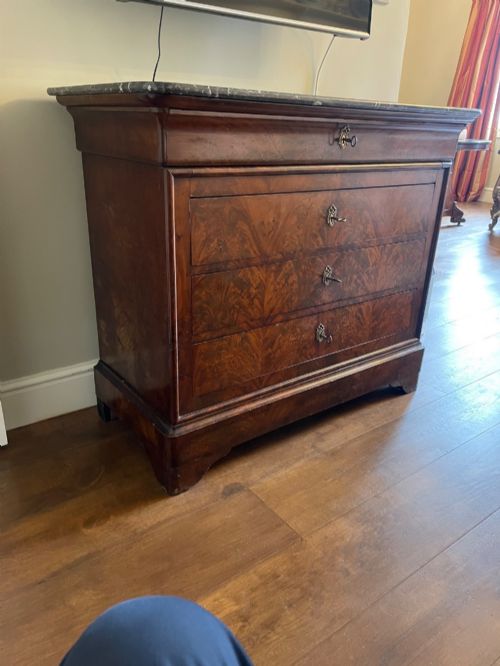
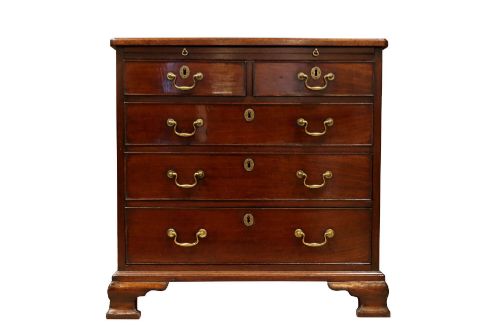
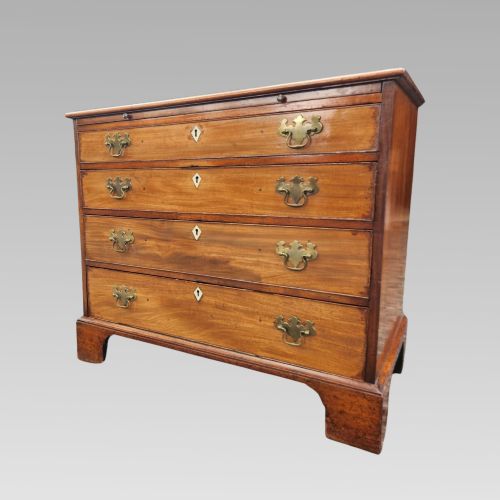
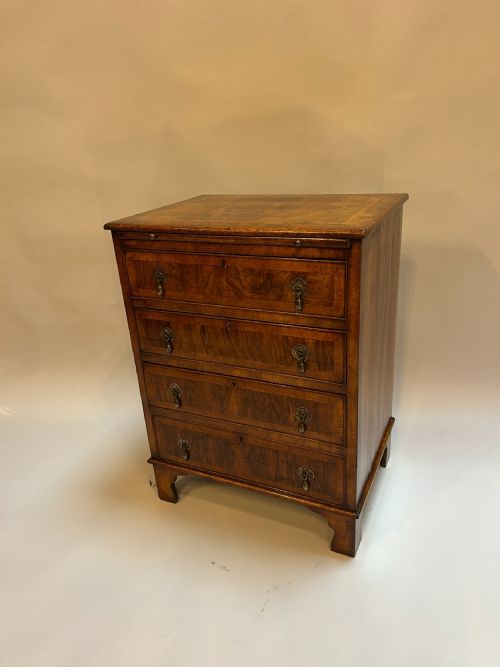
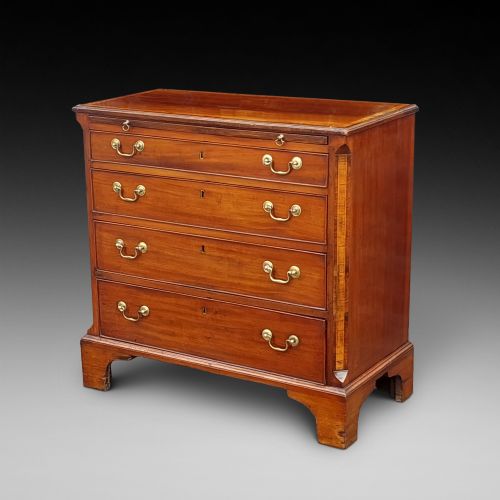
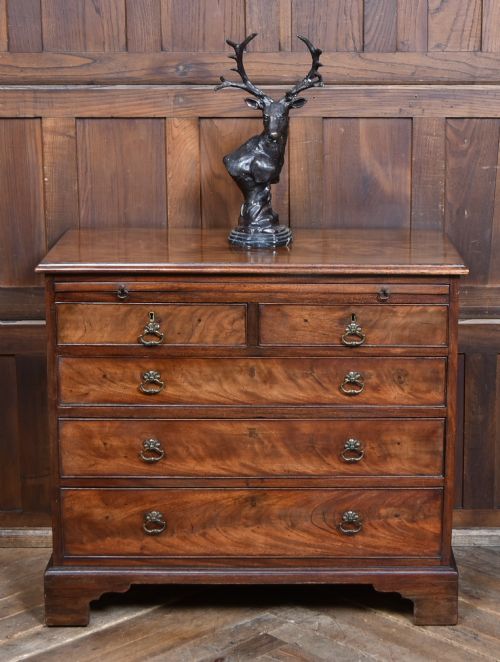
A slide storage chest is typically encountered as a Georgian or Victorian piece designed with a pull-out shelf, often termed a brushing slide or bachelors slide. These forms originate from eighteenth-century and nineteenth-century cabinetmaking traditions, including domestic chests of drawers and specialised collectors cabinets.
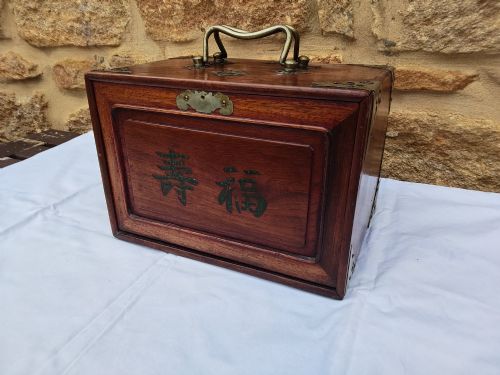
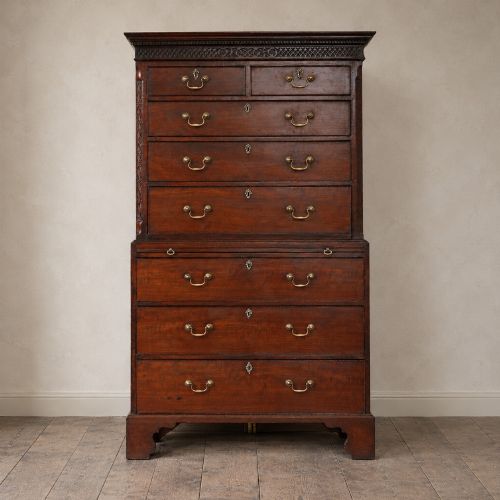
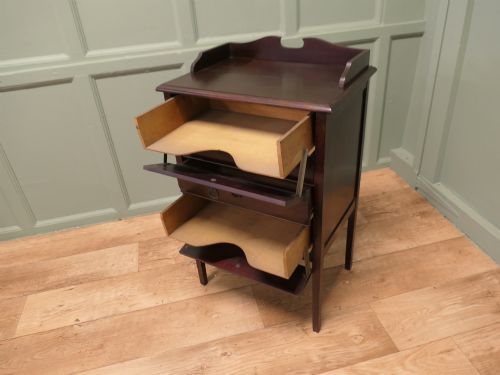
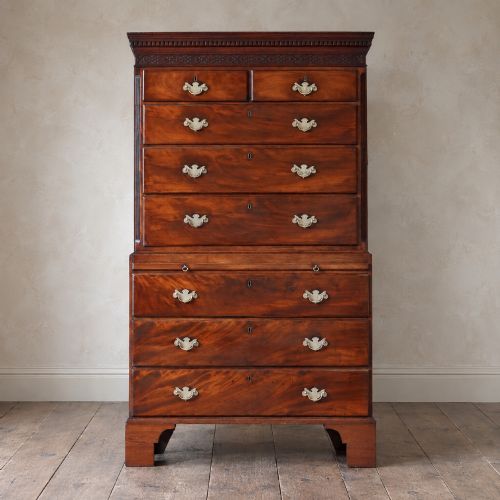
The selection here spans standard drawer chests with sliding boards, tall chests on chest, and compact tabletop cabinets intended for scientific slides or documents. Examples range from eighteenth-century George II and George III walnut and mahogany pieces to later revival pieces and Japanese tansu cabinets.
Materials and Technique
Construction relies heavily on dense timbers such as mahogany, flame mahogany, walnut, and oak, occasionally accented with brass hardware and glass doors for display cabinets. Cabinetmakers joined these woods using traditional carcass construction and precise drawer framing to support the weight of sliding panels and multiple drawers.
Surfaces exhibit varying degrees of figure, from plain oak and pine to highly figured walnut and mahogany veneers. Interior compartments and sliding mechanisms require close tolerances to function smoothly within the solid wood frames.
Slide Storage Chest Retail Price Guide 2026
Typical asking prices for slide storage chest among the pieces listed under this phrase on Sellingantiques today, from the lower quarter to the upper quarter. They describe what is for sale here now, not the wider market.
Listings feature pieces spanning the Georgian era, Victorian period, and Edwardian times, constructed from mahogany, walnut, oak, and pine.
Assessing Quality
Quality rests in the crispness of timber figuring, the integrity of the secondary woods, and the smoothness with which the slide operates within its runners. Pieces from the eighteenth century demonstrate fine joinery and select mahogany or walnut veneers that elevate domestic forms above utility storage.
Specialised examples, such as multi-drawer microscope slide cabinets, derive their distinction from the precision required to house hundreds of glass specimens neatly. Consistency in hardware, timber selection, and proportion dictates the standing of an individual piece.
Druce & Co
The Slide Storage Chest Glossary
- Brushing slide
- A pull-out shelf located above the primary drawers of a chest, historically used as a writing surface or for brushing clothes.
- Bachelors chest
- A compact form of chest of drawers, typically featuring a folding top or a sliding shelf, associated with small-household living.
- Chest on chest
- A tall storage unit comprising one chest of drawers stacked directly upon a larger base chest, often designated as a tallboy.
- Tansu
- A traditional Japanese mobile storage cabinet built from timber with iron mounts, designed for domestic use or merchant inventory.
- Figured mahogany
- Timber exhibiting an attractive, wavy, or mottled grain pattern prized by cabinetmakers for decorative exterior surfaces.
Slide Storage Chest: Frequently Asked Questions
What is a slide storage chest?
A slide storage chest is a piece of furniture featuring a pull-out board or internal sliding trays alongside standard drawers. These units range from domestic bedroom chests with brushing slides to specialised cabinetry designed to hold glass microscope slides.
Cabinetmakers utilised timber like mahogany, walnut, and oak to build these functional storage pieces across the Georgian and Victorian periods.
How was a brushing slide used?
A brushing slide served as a temporary horizontal surface pulled out from the upper section of a chest. Gentlemen used these boards to brush garments or as a compact writing desk.
In modern rooms, the slide offers a convenient shelf for resting small items while accessing the drawers below.
How do I date a mahogany chest?
Dating relies on observing construction methods, timber choice, and hardware styles across periods such as the Georgian era or the nineteenth century. Earlier pieces often display solid secondary woods and hand-cut joinery within the drawer linings.
Stylistic cues like bracket feet, cockbeading, and the presence of figured mahogany veneers help narrow the manufacturing window.
Are all slide chests for clothing?
Not all pieces served domestic wardrobes; many cabinets housed scientific specimens, documents, or specialised collections. Microscope slide cabinets feature dozens of shallow drawers lined to protect delicate glass slides.
Japanese tansu chests and European tabletop boxes provided secure containment for specific commercial or personal goods.