

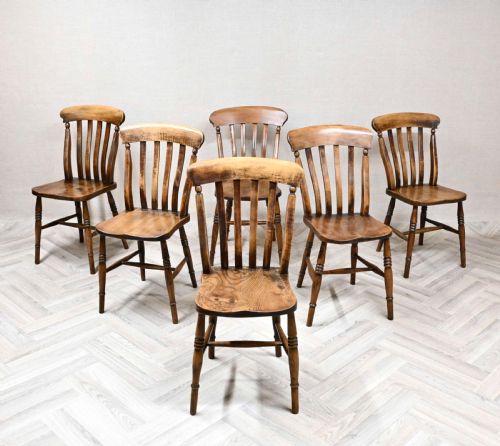
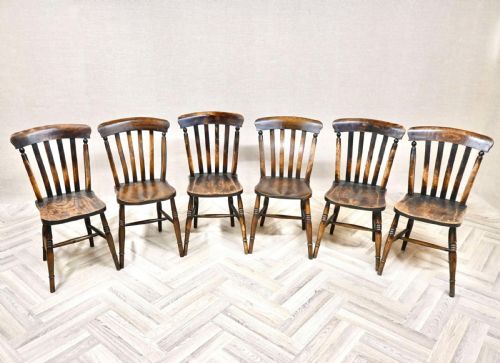
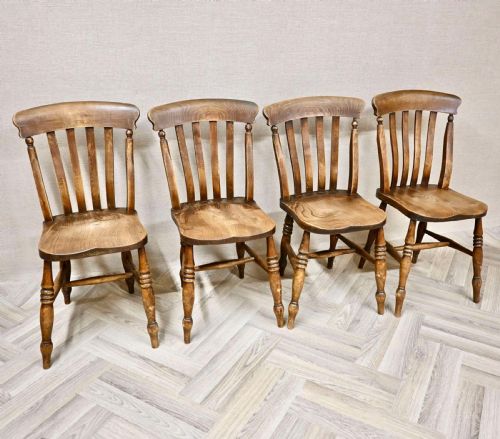
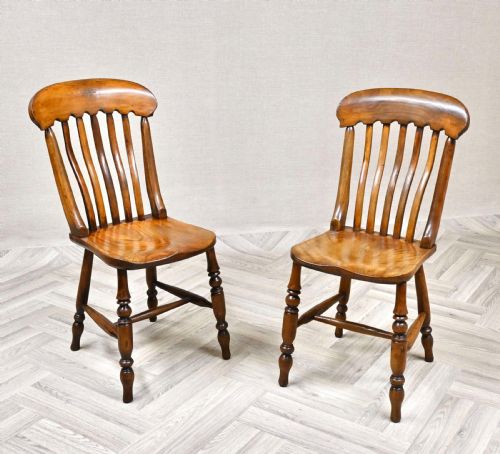



Slat Back Windsor Chairs
Slat back windsor chairs are sturdy vernacular seating pieces built for everyday utility, offering robust construction and enduring traditional charm.
Slat Back Windsor Chairs
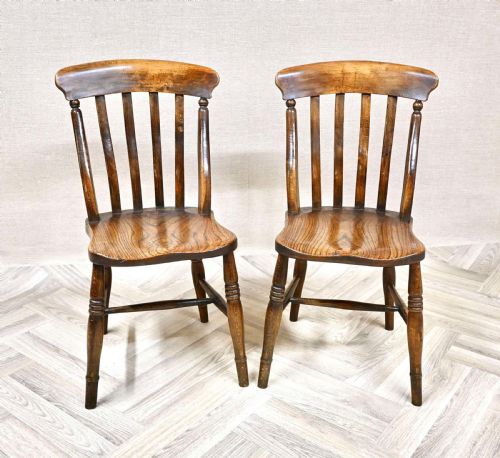
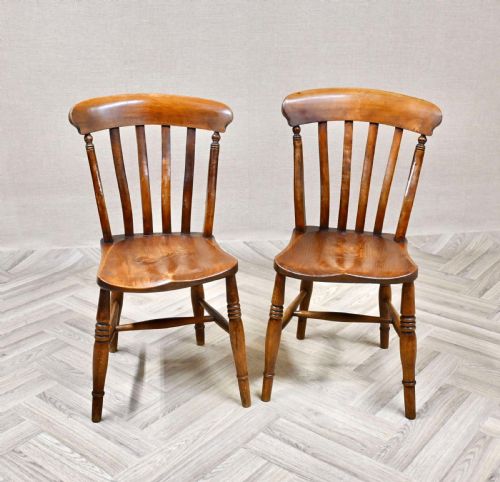
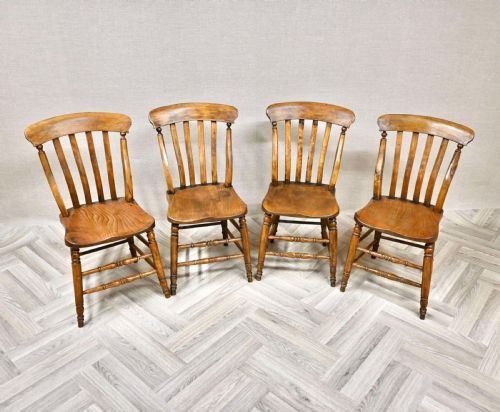
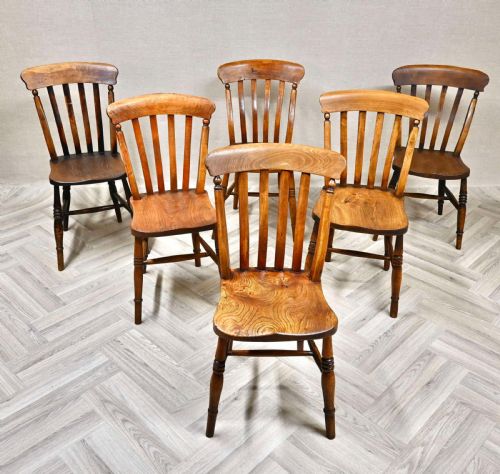
When you search for slat back windsor chairs, you find robust wooden seating originating largely from the nineteenth century and the Victorian period. These pieces encompass dining chairs, kitchen chairs, and fireside armchairs designed for practical daily use in English country settings.
The versions you are most likely to meet on this page appear as sets of four or six, alongside pairs and individual armchairs. They carry regional designations such as Thames Valley or vernacular styles aligned with farmhouse interiors.
How they were made
Maker workshops built these chairs by combining contrasting timber species to harness specific structural properties. Elm frequently forms the saddle seats, whilst ash, beech, and oak provide the necessary strength for spindles, legs, and frames.
Construction techniques relied on traditional turning and framing methods suited to vernacular production. Certain nineteenth century examples feature ebonised finishes applied to the combined ash and elm framework.
Slat Back Windsor Chairs Retail Price Guide 2026
Typical asking prices for slat back windsor chairs among the pieces listed under this phrase on Sellingantiques today, from the lower quarter to the upper quarter. They describe what is for sale here now, not the wider market.
Listings feature nineteenth century and Victorian periods, with specific dates including 1850, 1860, 1880, and 1900.
What varies in quality
The distinction between standard utility seating and finer examples rests in the selection and manipulation of the timber. Elm seats showing pronounced figuring and deep saddle shaping sit at a higher level than plain, flat boards.
Construction cohesion and the preservation of original surfaces separate exceptional survivals from heavily restored pieces. Matched sets of multiple chairs display a uniformity of turning and proportion that elevates their standing above harlequin groups.
The Slat Back Windsor Chairs Glossary
- Lath back
- A chair design featuring vertical wooden slats connected to the top rail, typical of nineteenth century vernacular seating.
- Saddle seat
- A wooden chair seat scooped and shaped by hand to mirror the contours of the body for comfort.
- Vernacular
- Everyday objects built by regional craftsmen using local traditions rather than following high style academic designs.
- Harlequin set
- A collection of chairs that share a similar style and period but were not originally manufactured together as a matching group.
- Ebonised
- Wood treated with a chemical stain or finish to imitate the dark, dense appearance of ebony.
Slat Back Windsor Chairs: Frequently Asked Questions
How are these chairs used today?
These chairs function well around kitchen and dining tables, providing sturdy and reliable everyday seating. Their traditional appearance suits both rustic interiors and modern spaces requiring characterful wooden furniture.
Armchair variants work effectively as fireside or desk seating. Their robust construction handles daily domestic use comfortably.
How do I care for elm and ash chairs?
Protect the wood by keeping chairs away from direct heat sources and sudden temperature shifts that cause timber to split. Regular dusting with a dry cloth maintains the surface.
Apply occasional appropriate wax polish to nourish the grain and preserve the original appearance. Avoid excessive moisture during cleaning.
How do I tell nineteenth century pieces apart?
Examine the turning details on the legs and stretchers, as earlier nineteenth century examples often display more hand-carved nuance. Tool marks beneath the seat reveal traditional manufacturing methods.
Check for consistency in timber usage, such as elm seats paired with ash or beech spindles. Later Victorian items often show more standardised machine turning.
What defines an English country vernacular chair?
Vernacular chairs reflect local building traditions and available materials rather than strict adherence to metropolitan design rules. Regional makers constructed them for utility in farmhouses and cottages.
These pieces prioritise structural strength and functional comfort above ornamental detail. Their unpretentious forms embody nineteenth century rural craftsmanship.