

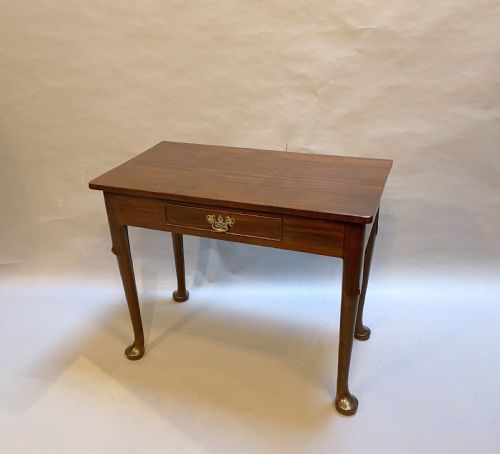
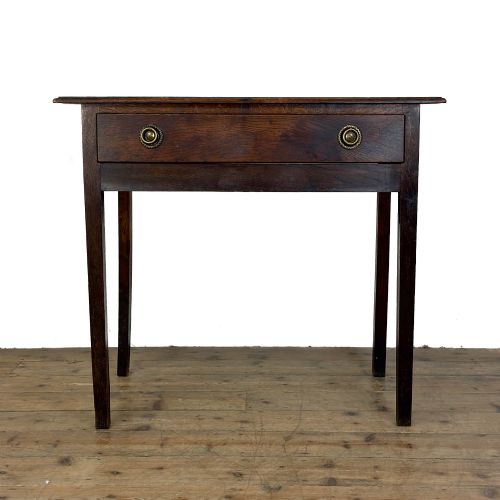


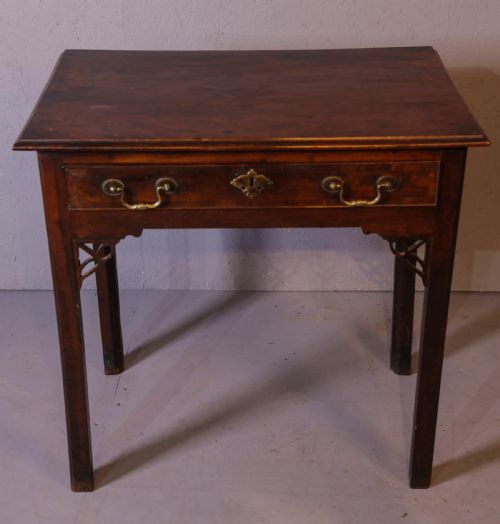


Single Drawer Lowboy
A single drawer lowboy is a compact and useful table built for service, most often found here in oak and mahogany from the Georgian and eighteenth-century periods.
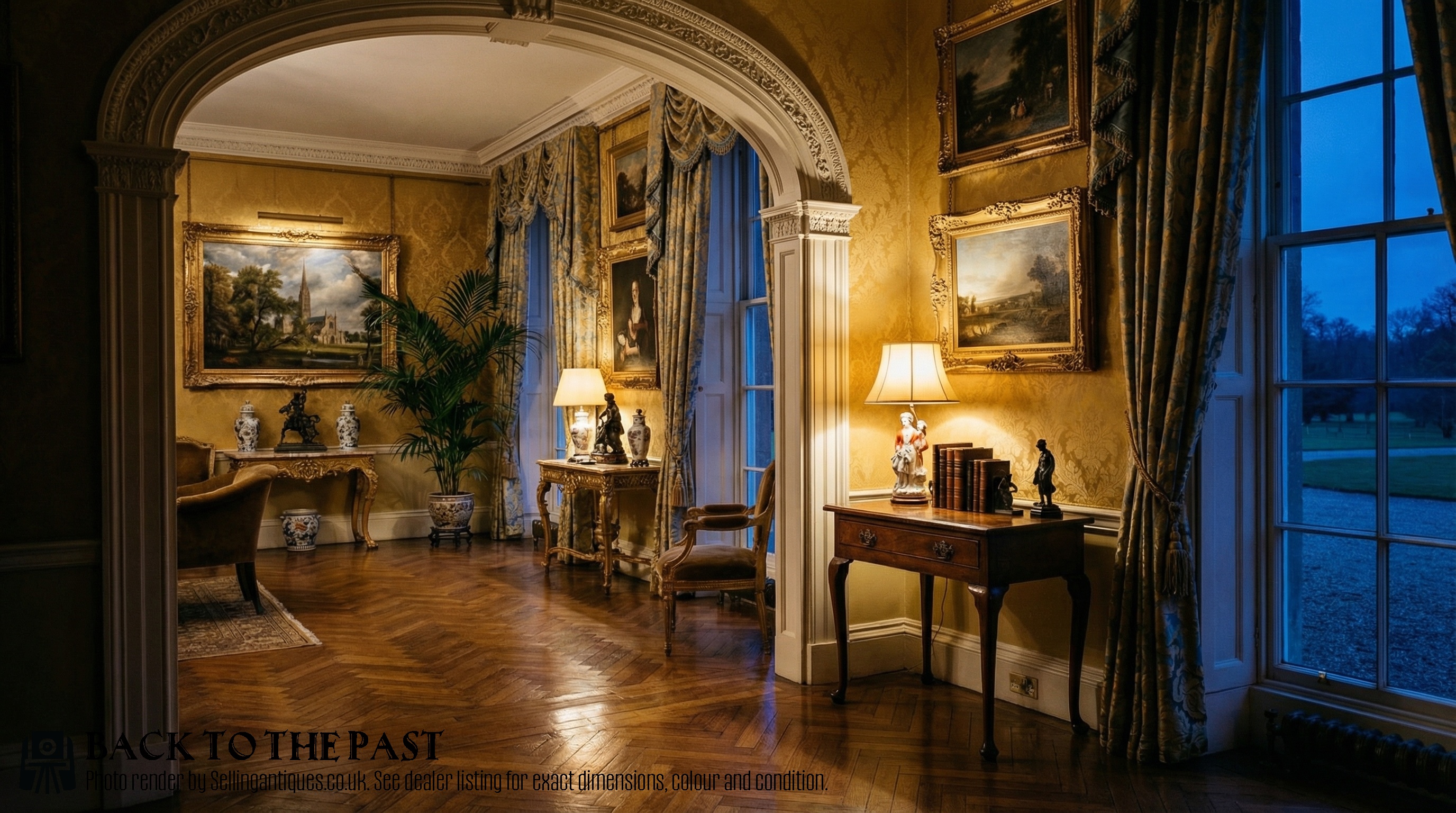
Single Drawer Lowboy
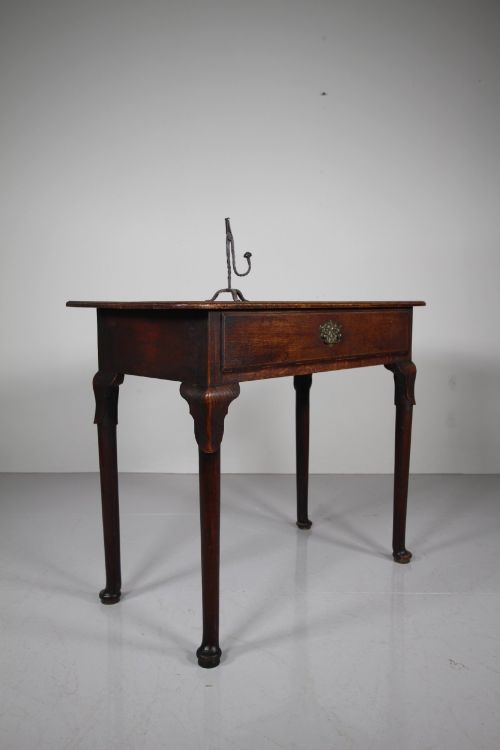
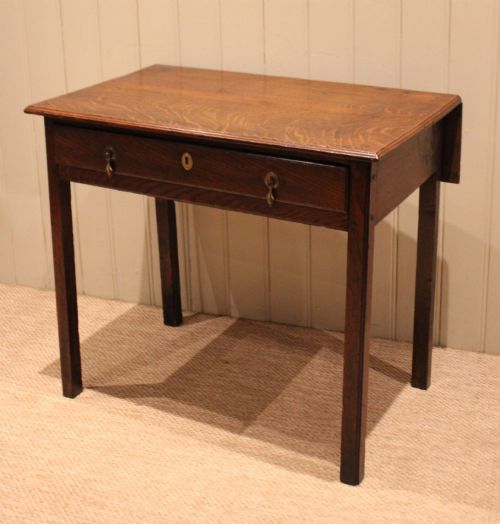
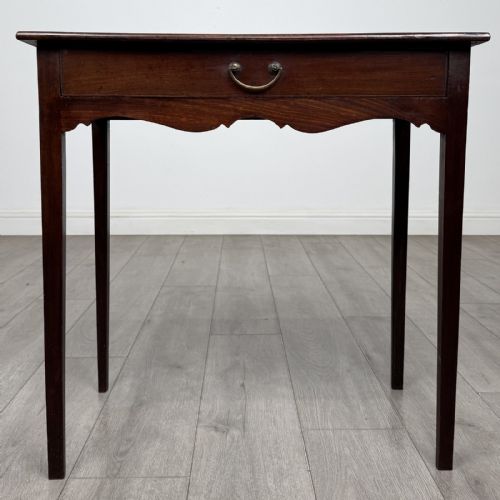
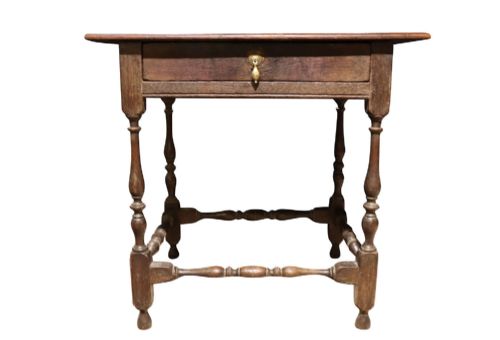
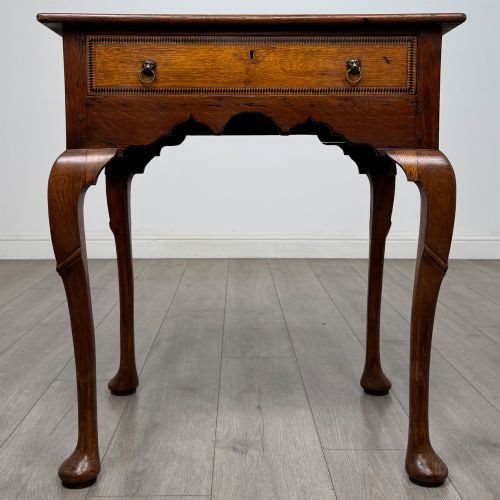
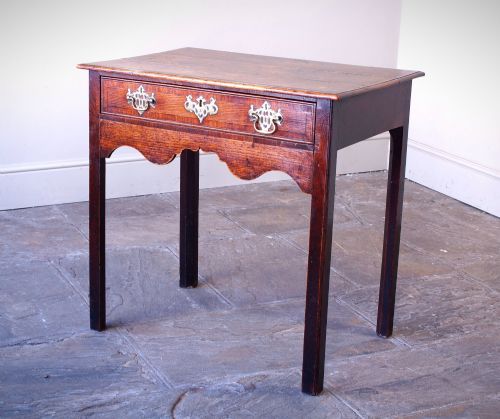
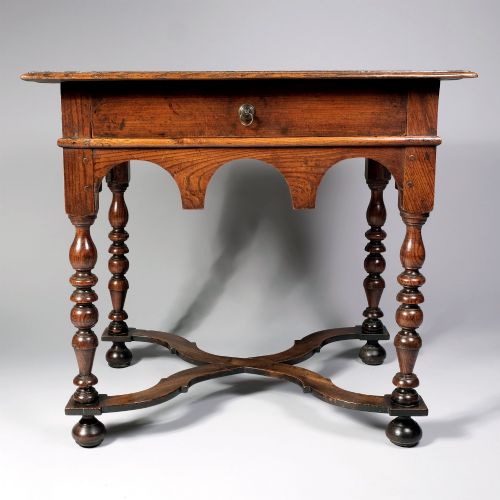
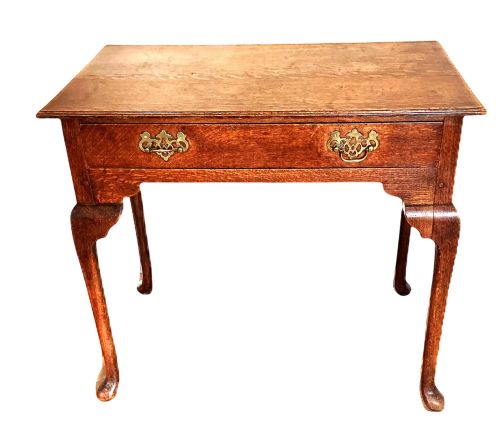
A single drawer lowboy is a small utilitarian table designed with a single frieze drawer beneath the top, serving historically as a dressing table or a serving surface in smaller rooms. When you browse this page, you meet pieces primarily spanning the seventeenth, eighteenth, and nineteenth centuries, with a strong concentration of Georgian examples. These tables appear under various labels including side tables and writing tables, yet the form remains distinct through its compact footprint and single-drawer configuration.
The materials you encounter most frequently in these tables are oak and mahogany, alongside occasional pieces in walnut, yew, elm, pine, and cherry wood. Stylistically, the inventory covers Queen Anne, William and Mary, Charles II, and George II through to George III periods, alongside English country interpretations. Buyers seeking a traditional lowboy will find that oak and mahogany variants from the eighteenth century dominate the current selection.
How they were made
Cabinetmakers constructed these tables using solid timbers such as oak, mahogany, and walnut, often pairing denser hardwoods for the frame with secondary timbers for internal drawer linings. Joinery techniques relied on traditional mortise and tenon frames to support the top and legs, ensuring stability without bulky structural additions. Timber selection governed the visual weight of the piece, from the robust grain of seventeenth-century oak to the refined reddish tones of eighteenth-century mahogany.
Surface treatments varied from waxed natural timber finishes to painted pine surfaces and polished burr walnut veneers. Drawer construction typically featured hand-cut dovetails, holding the front and sides together securely through decades of daily use. Brass hardware, including drop handles and escutcheons, was fitted to the single drawer, complementing the timber tone.
Single Drawer Lowboy Retail Price Guide 2026
Typical asking prices for single drawer lowboy among the pieces listed under this phrase on Sellingantiques today, from the lower quarter to the upper quarter. They describe what is for sale here now, not the wider market.
Listings feature woods including oak, mahogany, walnut, yew, elm, pine, burr walnut, and cherry.
What varies in quality
The distinction between ordinary and superior tables rests in the choice of timber and the crispness of the cabinetmaker's joinery. Superior examples display carefully matched grain patterns across the top and drawer front, whilst simpler country pieces utilise plainer boards with visible knots and utilitarian construction. The handling of edges, mouldings, and leg profiles separates a standard provincial side table from a finely proportioned urban lowboy.
Proportion and structural integrity dictate the standing of an individual piece. Tables that retain their original brass hardware, uncompromised drawer linings, and correct period height command greater respect among collectors. Alterations to legs or replaced drawer bottoms shift a piece away from its original state, altering its appeal.
The Single Drawer Lowboy Glossary
- Lowboy
- A small table with one or more drawers and cabriole or straight legs, used originally as a dressing or side table. They sit lower than standard writing desks.
- Frieze
- The horizontal band running directly beneath the tabletop, which houses the single drawer in these pieces. It provides structural rigidity to the upper frame.
- Cabriole leg
- A furniture leg that curves out gracefully and tapers down to a foot, typical of Queen Anne and Georgian design. This form mimics animal limbs in subtle, restrained lines.
- Dovetail
- A joint formed by interlocking wedge-shaped fingers, used primarily to join drawer sides to drawer fronts. It represents standard high-grade cabinetmaking.
- Escutcheon
- A flat plate of brass placed around a keyhole to protect the surrounding wood from wear. They serve both a decorative and a protective function on period drawers.
Single Drawer Lowboy: Frequently Asked Questions
What is a single drawer lowboy?
A single drawer lowboy is a low-standing table featuring a single drawer beneath the top surface, historically used for personal grooming or as a side table in parlours and bedrooms.
Cabinetmakers built them in various timbers, making them versatile items that adapt easily to modern hallways or living spaces as accent furniture.
How were lowboys used historically?
These tables served primarily as dressing tables where mirrors could be placed on top, or as small serving tables in dining areas for holding linens and silverware.
Their compact size allowed them to fit into tight alcoves or beneath windows where larger desks and sideboards could not go.
How do I date a lowboy?
Dating relies on examining the timber species, the style of the legs, and the construction methods used in the drawer frame and joinery. Eighteenth-century pieces often feature mahogany or oak with hand-cut dovetails, whilst earlier seventeenth-century examples display heavier oak framing and simpler turned supports.
Comparing the secondary woods and hardware against known period characteristics helps narrow down the decade of manufacture.
Where should I place a lowboy at home?
A lowboy works well in an entrance hall as a surface for keys and post, or in a sitting room positioned against a blank wall beneath a painting or mirror.
Its shallow depth ensures it stays out of heavy foot traffic whilst providing useful concealed storage within the single drawer.