




Silverware Set in Case
A silver set in case brings together matched implements and fitted housing, offering portable elegance across Victorian and Art Deco eras.

Silverware Set in Case
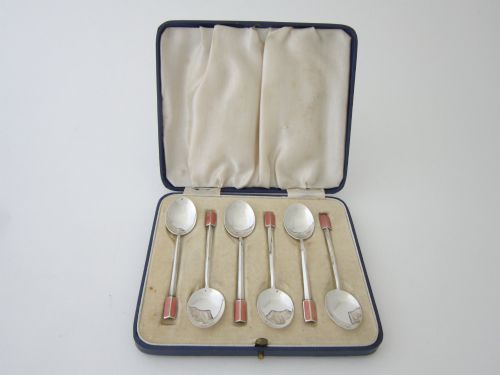
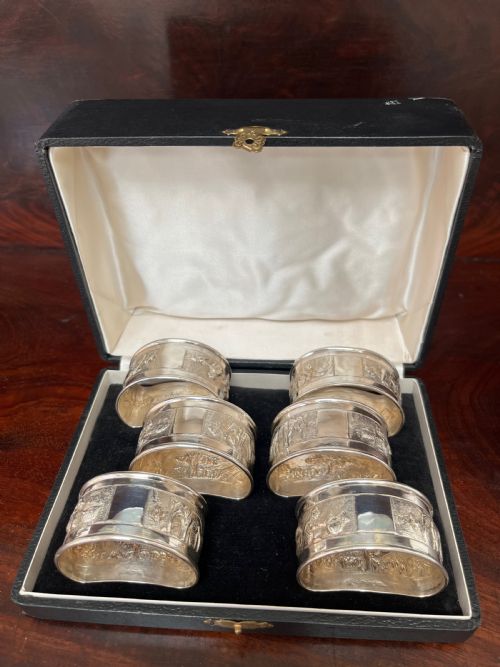
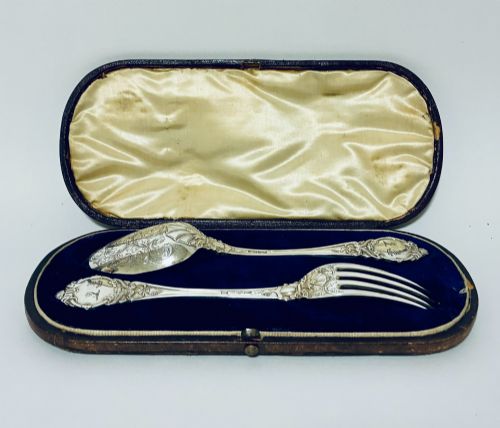
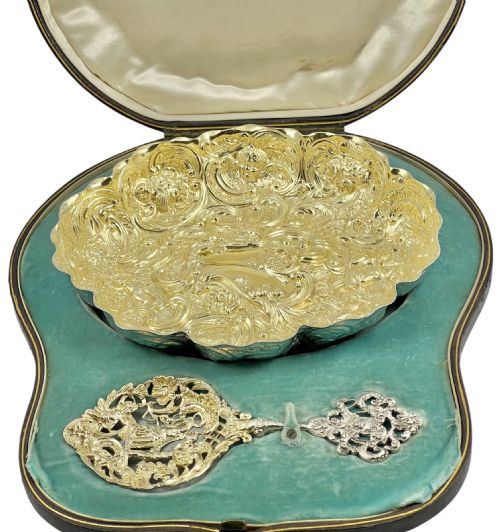
A silverware set in case gathers matched utensils into dedicated fitted boxes, ranging from Victorian christening sets and strawberry services to Art Deco coffee and teaspoon collections. These groupings provide a complete service for specific dining rituals, securely housed within protective compartments.
The pieces on this page span the Victorian, Edwardian, and mid-century periods, alongside Art Deco designs from the 1930s. Buyers frequently encounter teaspoons, napkin rings, butter knives, and salt and pepper shakers housed in their original tailored containers.
Victorian examples often include intricate silver gilt sugar bowls and tongs, whilst later twentieth-century iterations lean towards clean geometric lines and vibrant enamel work. Each configuration reflects the social dining habits of its decade of origin.
Materials and Construction
The primary structural material is sterling silver or solid silver, occasionally enhanced with silver gilt or vitreous enamel decoration. Makers form these items through traditional silversmithing techniques, shaping handles and bowls before applying decorative detailing.
The accompanying protective cases rely on robust leather or wood foundations lined with tactile fabrics such as silk and velvet. These interiors are custom-moulded to cradle each individual implement securely, preventing movement during transport or storage.
Listings feature items from the Victorian, Edwardian, and Art Deco periods, utilising sterling silver, enamel, leather, and velvet.
Evaluating Craftsmanship and Preservation
Quality rests upon the crispness of the silversmith's work, the weight of the solid silver elements, and the preservation of any applied enamel. Superior examples retain sharp hallmarks and undamaged decorative surfaces without excessive wear from past polishing.
The integrity of the housing equally influences the overall standard, particularly the condition of the exterior leather and the interior silk or velvet lining. Complete sets with their original fitted cases intact command greater interest than assembled groups placed in later boxes.
Waring & Gillows·Robert Stebbings
The Silverware Set in Case Glossary
- Silver gilt
- Silver that has been coated with a thin layer of gold on its surface. This technique provides a rich two-tone appearance frequently seen on Victorian spoons and sugar bowls.
- Vitreous enamel
- A material made by fusing powdered glass to a metallic substrate through firing. It supplies the vibrant coloured accents found on twentieth-century spoons and salt cellars.
- Campaign cutlery
- Portable dining implements designed for travel during the nineteenth century. These items pack tightly into compact travelling cases for field use.
- Hallmark
- An official stamp applied to precious metals indicating purity, origin, and maker. These marks allow collectors to date pieces accurately to specific assay offices and years.
Silverware Set in Case: Frequently Asked Questions
What periods do these cased sets represent?
The listings encompass nineteenth-century Victorian and Edwardian examples alongside 1930s Art Deco items. These periods demonstrate shifting design preferences from ornate floral engraving to sleek geometric styling.
Mid-century options also appear, extending the timeline into the 1950s with simpler domestic forms.
How were these cased sets used originally?
Owners utilised them for specific dining occasions, ranging from formal tea service to christening ceremonies and fruit courses. The fitted containers allowed households to store delicate items safely or transport them securely.
Specialist sets like campaign cutlery served travellers who required functional dining tools on journeys.
What materials line the storage cases?
Interior compartments typically feature plush velvet or smooth silk tailored to fit the exact contours of the cutlery. These soft fabrics protected the polished silver surfaces from scratching during storage.
Exterior shells generally consist of durable leather or covered wood designed to withstand regular handling.
How do I care for silver and enamel items?
Sterling silver benefits from regular gentle cleaning with appropriate non-abrasive polishes to maintain its lustre without removing fine detail. Enamelled surfaces require extra caution to avoid harsh chemicals that might dull the glass finish.
Keeping items dry inside their original lined cases prevents tarnish and environmental damage.