
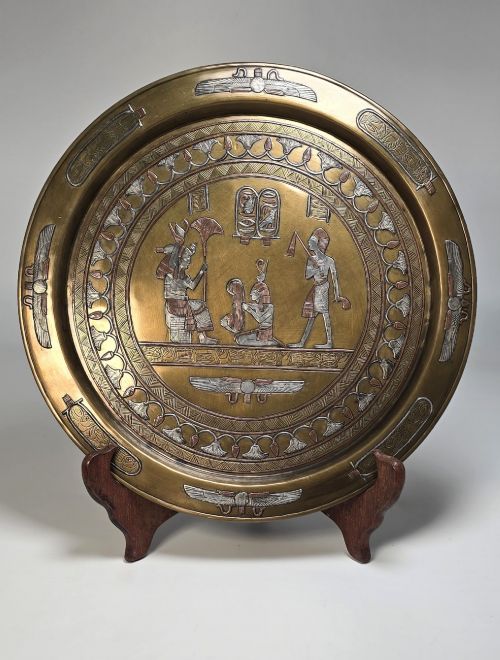


Silvered Metal Wall Charger
A silvered metal wall charger brings remarkable surface interest and historic metalwork traditions straight to your interior.
Silvered Metal Wall Charger
A silvered metal wall charger serves as a decorative display piece rather than table service, appearing in formats like wall plates, large platters, and circular plaques. When searching for a silvered metal wall charger, buyers encounter diverse historical interpretations spanning centuries of metalworking skill.
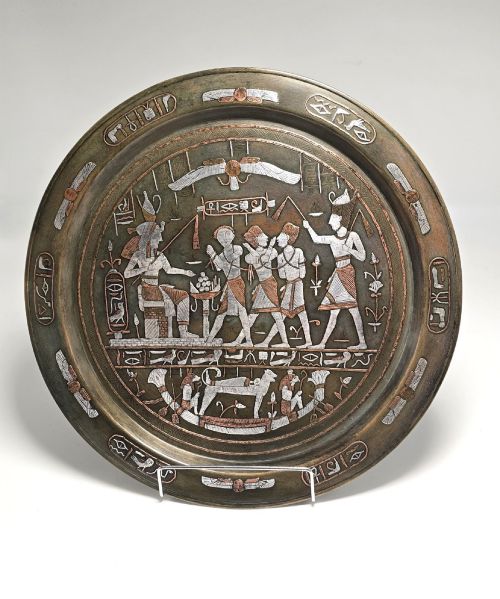
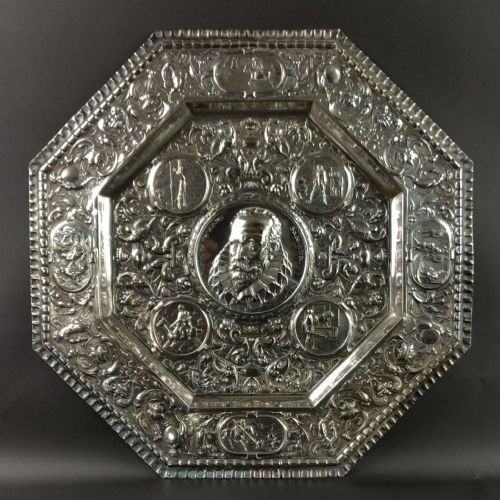
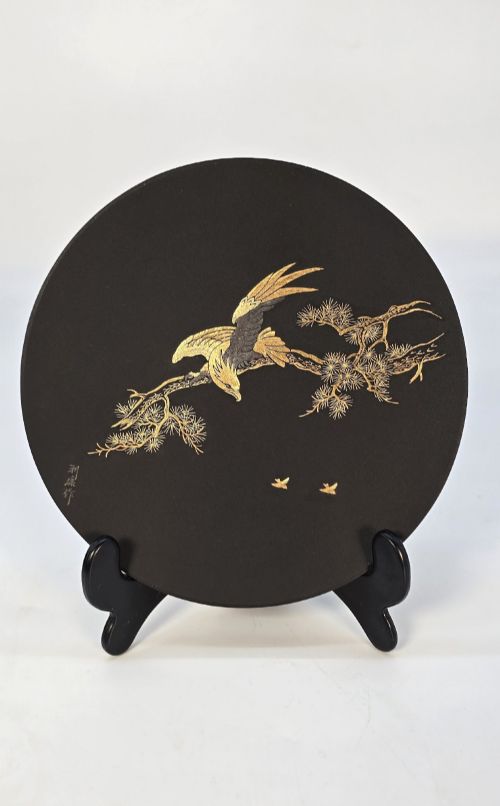
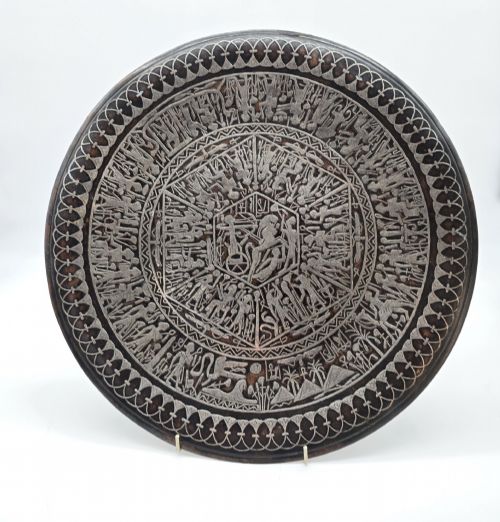
The selections on this page range from nineteenth-century European commemorative platters to intricate Middle Eastern inlaid copper and bronze vessels. These large decorative plates bring considerable visual weight and historical depth to vertical display spaces.
Many examples showcase revivalist aesthetics, including Egyptian Revival Cairo Ware, Renaissance motifs, and Arts and Crafts hammered textures. Buyers frequently find pieces utilising silver plating, electrotype techniques, or patinated metal surfaces to achieve their metallic finish.
What varies in quality
Quality rests primarily in the crispness of the hand-worked detail, whether in repoussé relief or inlaid wire ornament. Superior examples display precise control over hammered textures and secure, flush metal inlay.
The depth and durability of the silver plating or patinated finish distinguish finer studio productions from simpler commercial output. Heavier gauge metal plates maintain their structural integrity better over centuries of hanging.
Historical figures immortalized in the metalwork range from Spanish literary creations like Miguel de Cervantes to seventeenth-century monarchs.
Elkington and Co·Thomas Powell·WMF
The Silvered Metal Wall Charger Glossary
- Repoussé
- Metalworking technique where the artisan hammers the design from the reverse side to form a raised relief on the front. This method allows for expressive pictorial scenes and decorative borders.
- Cairo Ware
- Nineteenth-century and early twentieth-century metalwork produced in Egypt featuring intricate silver and copper inlay upon brass or bronze. These decorative chargers were popular souvenirs of the Grand Tour.
- Electrotype
- A replica metal object created through an electrolytic deposition process directly onto a prepared mould. This technique gained prominence in the Victorian era for replicating museum-quality metalwork.
- Patinated
- An aged or chemically treated surface appearance that adds colour depth and perceived antiquity to metal. Makers used patination to accentuate engraved details and relief work.
- Pewter
- A malleable metal alloy consisting principally of tin, historically combined with copper, antimony, or lead. It serves as a traditional base for chargers, plates, and domestic vessels.
Silvered Metal Wall Charger: Frequently Asked Questions
How do I hang a heavy metal charger safely?
Heavy chargers require specialised wall brackets or spring-loaded plate hangers designed to distribute the weight evenly without stressing the rim. Ensure the fixing secures firmly into solid masonry or a wall stud.
Avoid using simple wire loops or adhesive discs that might fail over time. Proper support protects both the historic metalwork and the wall surface.
Were these chargers used for dining originally?
Large chargers from earlier periods often functioned as display pieces on sideboards or buffets to demonstrate household wealth. Later nineteenth-century examples were designed specifically as decorative wall plaques.
While some plain pewter dishes saw actual dining use, heavily inlaid or silvered versions were purely decorative items.
How should I clean silvered metal surfaces?
Dust the surface gently with a soft, dry microfiber cloth to remove everyday particles. Avoid aggressive metal polishes that can strip away thin silver plating or historical patination.
Consult a professional restorer if the piece requires deeper cleaning to preserve delicate wire inlay and patinated finishes.
What indicates a Grand Tour souvenir piece?
Grand Tour pieces often feature characteristic Middle Eastern or Egyptian revival motifs, such as Cairo Ware silver and copper inlay on bronze. Travellers acquired these items during nineteenth-century journeys through the Mediterranean and Near East.
Their construction typically combines traditional local metalworking methods with styles tailored to European collectors.