


Antique Silvered Display Plate
An antique silvered display plate brings weight and reflective depth to a room, catching light across centuries of metalwork.
Antique Silvered Display Plate
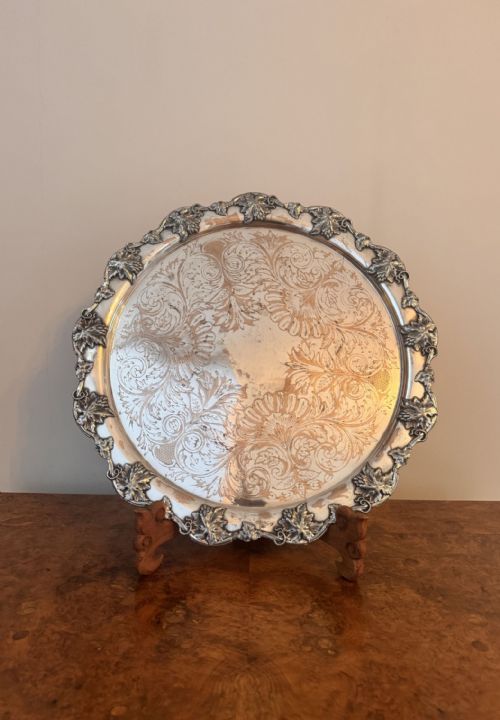
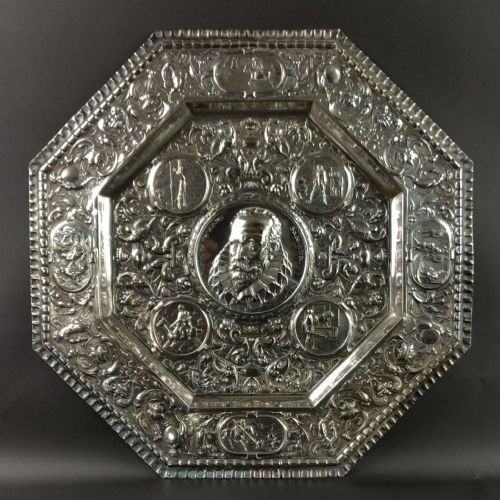
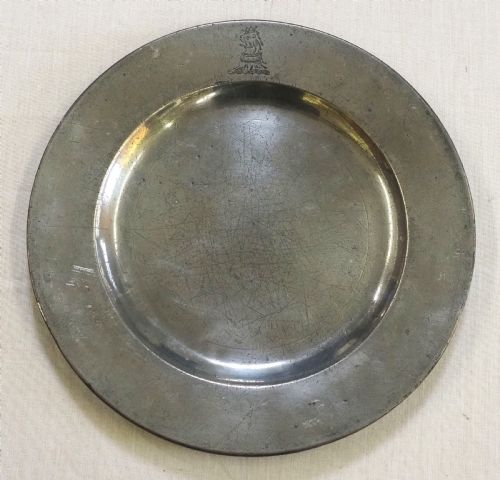
You will most frequently encounter nineteenth-century silver plated chargers and eighteenth-century English pewter plates among these listings. Forms range from plain rim dishes to heavy repoussé chargers depicting historical figures and battle scenes.
Periods represented stretch from the late seventeenth century through the Art Deco era, encompassing Georgian, Victorian, and Edwardian aesthetic tastes. Alongside traditional plates, the selection includes related display forms such as tazzas, mirror table plateaux, and decorative trays.
What varies in quality
The depth and crispness of repoussé ornamentation separate standard production items from masterworks. Plates featuring deeply chased figural scenes, heraldic crests, or commemorative portraits demand superior artisan skill compared to plain or simply bordered rims.
Weight and gauge of metal dictate the structural integrity and feel of a dish. Heavier silver plated bronze or thick gauge pewter plates retain their shape and resist warping over centuries of handling and display.
A silver plated model of a Vickers Wellington aircraft shares space with centuries-old tavern chargers.
James Spackman·Thomas Templeman·Thomas Powell·S Duncomb·Elkington
The Antique Silvered Display Plate Glossary
- Charger
- A large ceremonial or decorative plate, typically exceeding fourteen inches in diameter, used for display on sideboards or beneath smaller dining dishes.
- Repoussé
- A metalworking technique where the artisan hammers and pushes the design from the reverse side to form a raised relief on the front.
- Silver Gilt
- Silver object coated with a thin layer of gold applied through chemical or electrochemical processes, producing a warm dual-tone metallic finish.
- Tazza
- An ornamental pedestal plate or shallow bowl raised upon a central foot, traditionally used for serving fruit or sweets.
- Sheffield Plate
- An early fused plating method sandwiching a layer of silver between copper sheets before rolling into workable metal plates.
Antique Silvered Display Plate: Frequently Asked Questions
How were antique chargers used?
Chargers served primarily as decorative display pieces on sideboards or dining tables, though they occasionally functioned as under-plates for grand meals. Their generous size made them ideal canvases for detailed armorial crests and commemorative scenes.
Over time, their role shifted entirely to ornamental display, highlighting the craftsmanship of metalworkers and silversmiths in formal interiors.
What is the difference between pewter and silver plate?
Pewter is a durable metal alloy composed principally of tin, valued for its soft grey lustre and traditional hammered surfaces. Silver plate involves a base metal, such as copper, bronze, or Britannia metal, coated with a thin layer of silver.
While pewter offers a subdued matte finish, silver plate provides high reflectivity and mirrors the appearance of solid silver items at a different scale.
How do I date an antique metal plate?
Dating relies on maker marks, hammer marks, rim profiles, and the prevailing decorative style of the period. Eighteenth-century pieces often feature touchmarks stamped by guild members, while nineteenth-century items utilise electroplate stamps or patent registry dates.
Examining the manufacturing technique, such as fused Sheffield plate versus nineteenth-century electroplating, provides a reliable window of origin.
How do I display these plates safely?
Display chargers and decorative plates using sturdy plate stands designed for heavy metal objects or wall mounting brackets secured to solid wall studs. Ensure the weight of larger bronze or thick pewter chargers is evenly supported across the base.
Keep pieces away from direct heat sources and excessive moisture to preserve the silvered surfaces and prevent tarnishing or corrosion.