




19th Century Repousse Plate
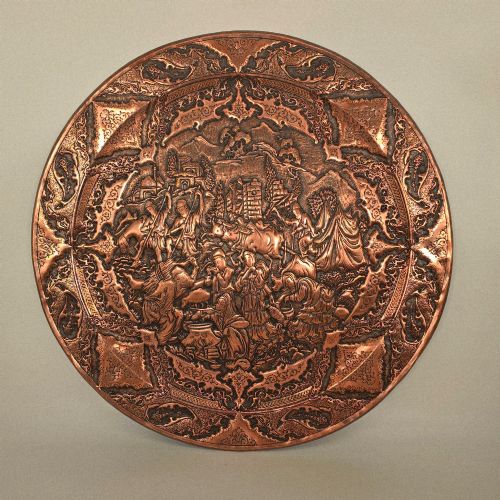
A 19th century repousse plate brings heavy relief metalwork and classic narrative scenes straight to a sideboard or wall.
19th Century Repousse Plate
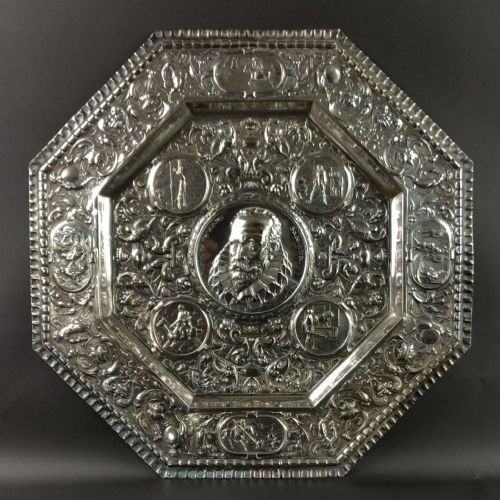
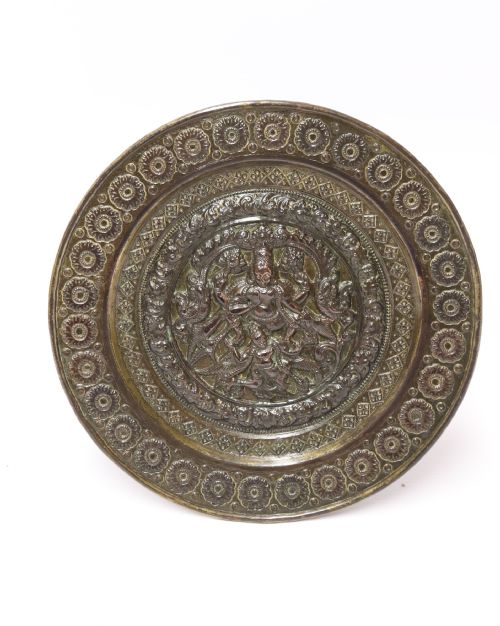
A 19th century repousse plate typically takes the form of a decorative charger, display plaque, or large serving dish shaped by hammering from the reverse. These pieces draw on Victorian, Renaissance Revival, and Neoclassical styles, often depicting mythological figures, historical portraits, or dense floral motifs. Buyers search for this phrase to find substantive metalwork that serves as a focal point for a room.
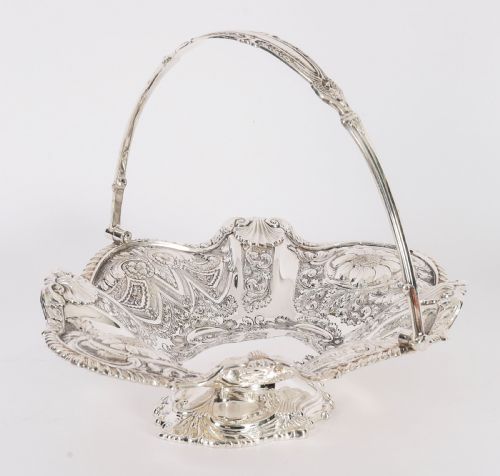
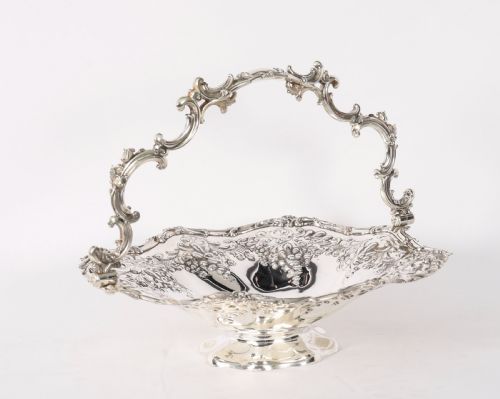
The selection ranges from large bronze platters and silver-plated fruit baskets to detailed wall plaques celebrating literary or classical subjects. Most examples emerge from the nineteenth century, including specific pieces dated near 1870 and 1880 alongside broader Victorian periods. Alongside British and European workshops, occasional Indian Raj period and Grand Tour items appear in the mix.
Assessing quality and execution
The integrity of the surface finish separates standard production items from exceptional commissions. Thicker silver deposits and well-preserved gilding or original patination indicate superior workshop output, particularly among pieces produced by established makers.
Miguel de Cervantes rubs shoulders with Neptune and classical deities on these hammered metal stages.
George W. Scott & Sons Ltd·Elkington & Co·Walker and Hall·James Dixon
The 19th Century Repousse Plate Glossary
- Repoussé
- A metalworking technique where the artisan hammers the design from the reverse side to form a raised relief on the front. This method creates tactile depth on chargers and plaques.
- Electrotype
- A metal object produced by electrodeposition into a mould, enabling exact replication of complex historical reliefs. Elkington utilised this process extensively in the nineteenth century.
- Charger
- A large ornamental plate used traditionally for display on a sideboard or wall rather than for dining. These heavy dishes showcase elaborate figural or floral decoration.
- Silver Gilt
- Silver object coated with a thin layer of gold, often termed vermeil. This treatment provides the lustre of gold combined with the working properties of silver.
19th Century Repousse Plate: Frequently Asked Questions
How do I hang a heavy charger?
Large chargers require robust wall fixings and a secure, coated wire or spring hanger that distributes the weight evenly across the rim. Ensure the hook is anchored directly into a wall stud or uses a heavy-duty plaster anchor.
Avoid relying on simple adhesive discs or light picture wire, as the substantial bronze or plated metal composition makes these pieces significantly heavier than standard ceramic plates.
Can I clean silver plated plates?
Cleaning should be limited to very gentle dusting or occasional use of a specialist non-abrasive silver cloth. Vigorous scrubbing will wear through the silver plating to reveal the base metal underneath.
Keep chemical dips away from these items, particularly where dark patination or gilding was intentionally applied to highlight the repousse details.
What is Renaissance Revival style?
Renaissance Revival draws inspiration from fifteenth and sixteenth-century European art, focusing on symmetry, classical motifs, and elaborate storytelling panels. In metalwork, this translates to dense strapwork, mythical figures, and detailed battle scenes.
Victorian makers embraced this aesthetic to project historical gravitas and technical skill through complex repousse compositions.