
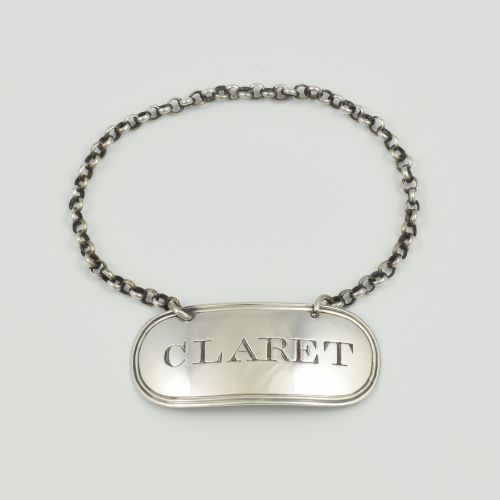


Silver Wine Label
A silver wine label identifies the contents of a decanter while adding a flash of polished metal to the dining table.
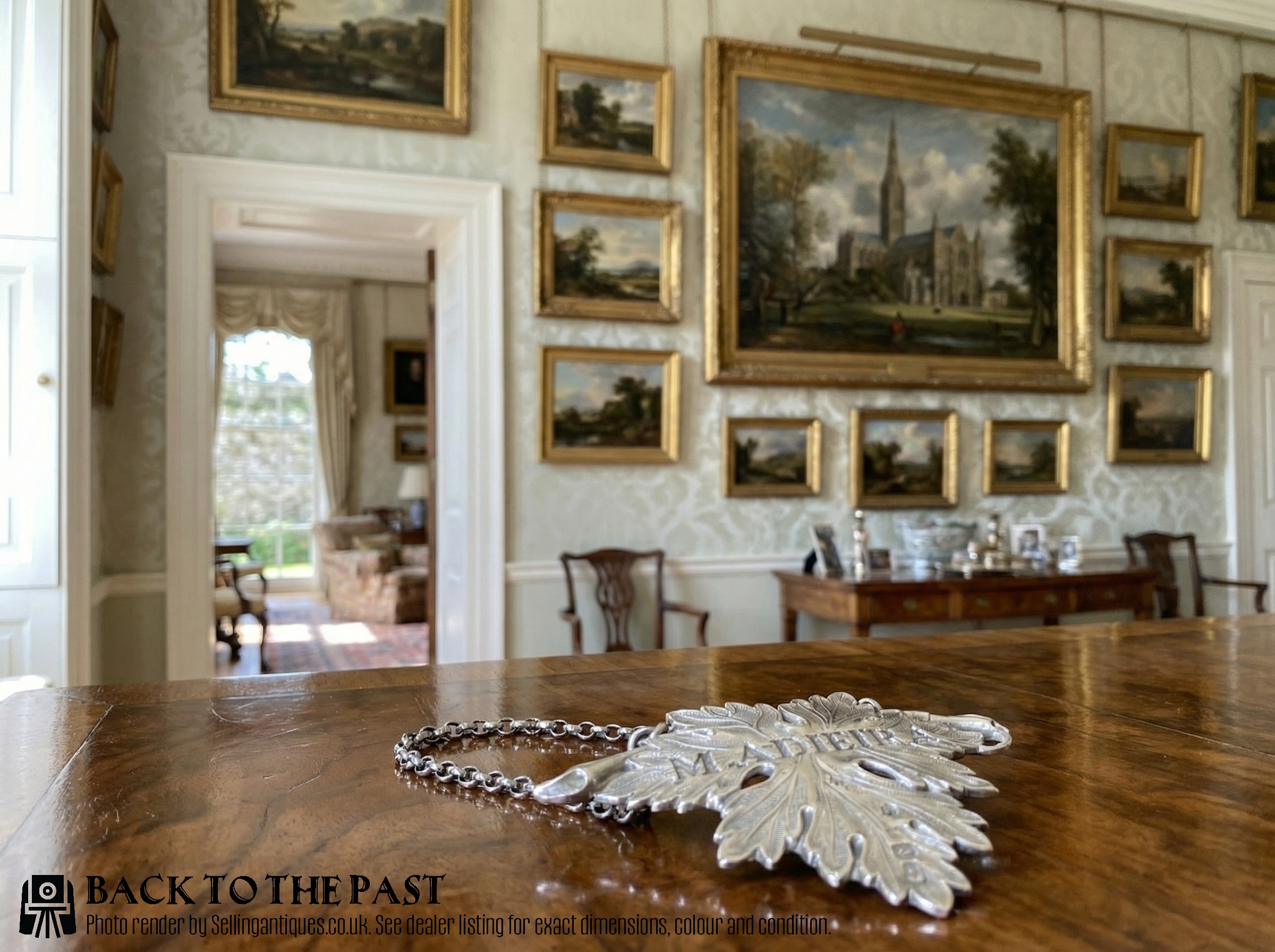
Silver Wine Label
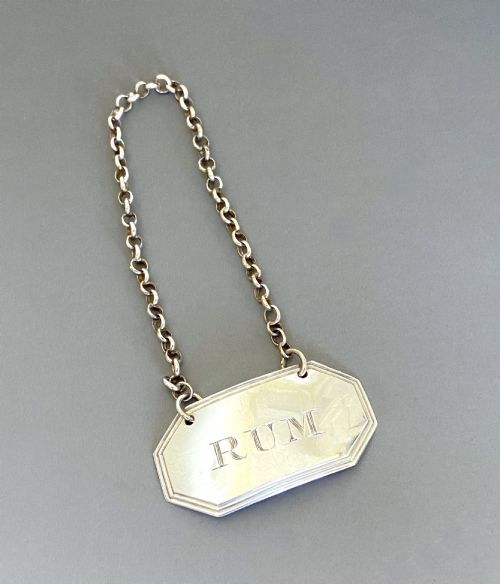
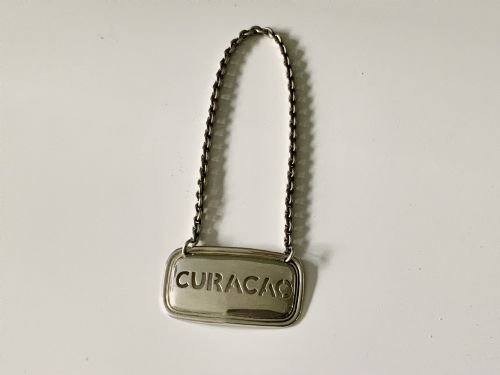
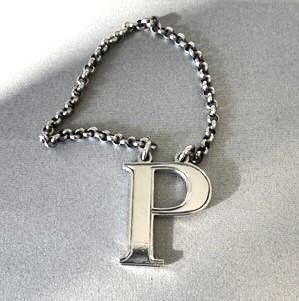
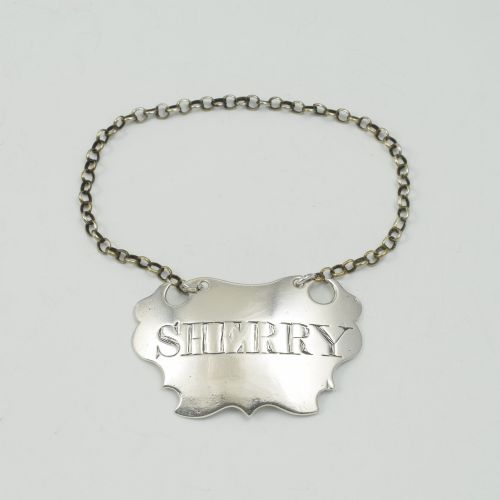
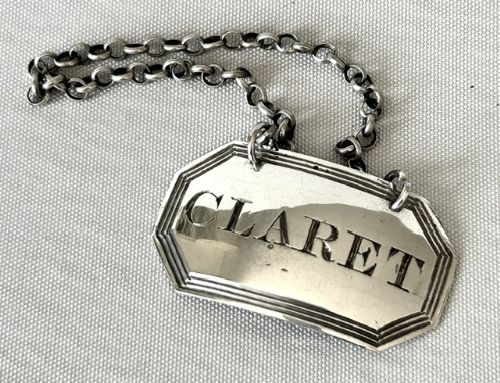
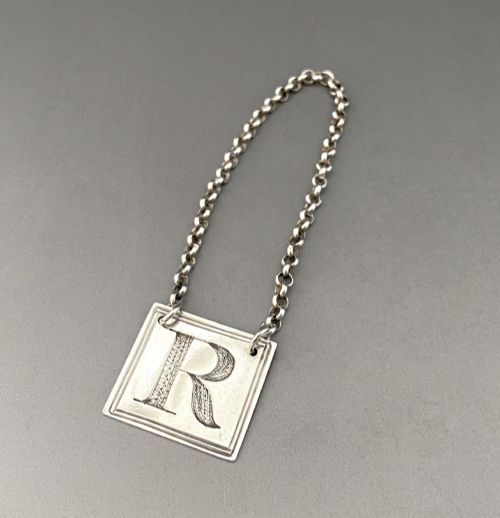
A silver wine label, often termed a decanter label or bottle ticket, hangs from a chain around the neck of a decanter to name the spirit or fortified wine within. The pieces seen here span the Georgian, Victorian, and Edwardian eras, alongside later mid-century examples.
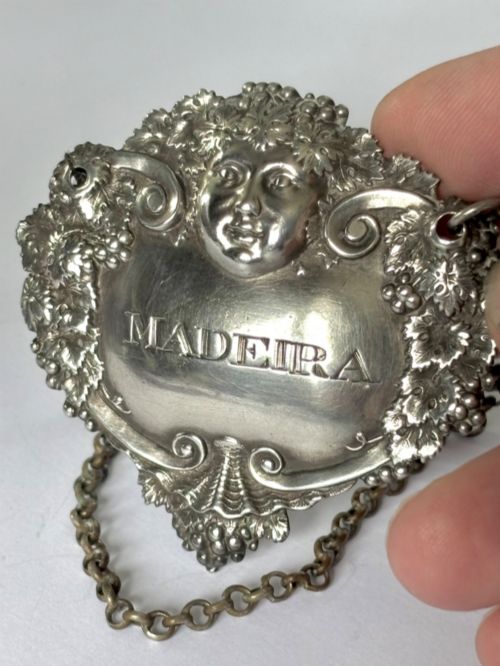
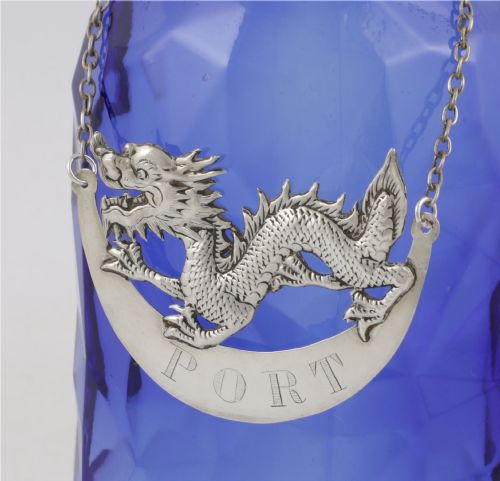
The most common formats on this page are stamped sterling silver tags bearing titles such as Port, Sherry, Madeira, and Claret. Collectors also encounter crescent shapes, escutcheon outlines, and naturalistic vine leaf motifs hanging from silver chains.
Originating largely from British silversmiths, these small barware accessories range from plain provincial punchwork to elaborate crested pieces associated with historic family cellars.

Design Depth and Maker Attribution
Quality in a silver wine label rests on the crispness of the piercing, the weight of the silver sheet, and the distinction of the maker mark. Pieces produced by recognised workshops exhibit sharper lettering and heavier gauge metal than generic factory issues.
The presence of specialised drink titles, uncommon regional hallmarks, or sculptural motifs like Bacchus and grapes separates standard dining accessories from sought-after cabinet items.
Silver Wine Label Retail Price Guide 2026
Typical asking prices for silver wine label among the pieces listed under this phrase on Sellingantiques today, from the lower quarter to the upper quarter. They describe what is for sale here now, not the wider market.
Listings feature solid silver and silver-plated examples spanning the Georgian, Victorian, and Edwardian periods, alongside mid-century enamel pieces.
Elizabeth Morley·Digby Scott Benjamin Smith·John Reily·Thomas Wallis II·Peter And Anne Bateman·Hester Bateman·Susannah Barker·Phipps And Robinson·William Sharp·Taylor And Perry·Charles Rawlings·George Unite·Hilliard And Thomason
The Silver Wine Label Glossary
- Escutcheon
- A shield-shaped plate utilised for heraldry or inscriptions. On this page, it describes a popular Georgian label silhouette.
- Hallmark
- An official stamp indicating metal purity, assay office, and year of manufacture. British pieces carry these marks to verify solid silver content.
- Piercing
- The technique of cutting decorative openwork patterns through sheet metal. Makers used saws and punches to create delicate borders of vines and trelliswork.
- Bacchus
- The classical god of wine, frequently depicted on nineteenth-century labels surrounded by grapes and vine leaves.
- Decanter slide
- A coaster or stand placed beneath a decanter to protect the table surface. They share materials and periods with bottle tickets.
Silver Wine Label: Frequently Asked Questions
What is a silver wine label used for?
A silver wine label hangs around the neck of a decanter to indicate whether the vessel holds port, sherry, madeira, or claret.
They prevented confusion at the dining table once decanted wines lost their original bottle markings.
How do I hang a decanter label?
Most antique labels feature a small ring or loop attached to a fine silver chain that slips over the neck of the decanter.
The chain allows the tag to suspend freely against the glass below the stopper.
How can I tell a Georgian label from a Victorian one?
Georgian labels often display hand-engraved lettering, crisp shield outlines, and delicate bright-cut borders executed by specialist makers.
Victorian examples tend to utilise heavier cast vine leaf designs, machine-stamped elements, and bolder relief work.
Did makers sign these pieces?
Silversmiths stamped their maker's initials or full names on the reverse alongside town marks, duty marks, and standard lion hallmarks.
Finding clear stamps helps attribute pieces to prominent workshops from London, Birmingham, Edinburgh, or provincial centres.
What drinks appear most often on antique labels?
Port, sherry, madeira, and claret dominate the titles found on eighteenth and nineteenth-century examples due to the popularity of fortified and aged wines.
Less common designations include hock, gin, whisky, rum, and moselle.