



Antique Bottle Ticket
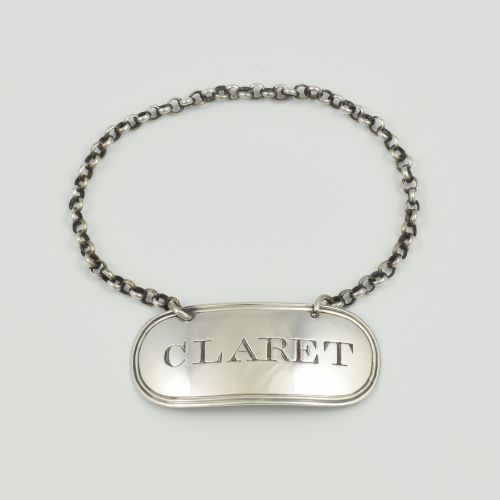
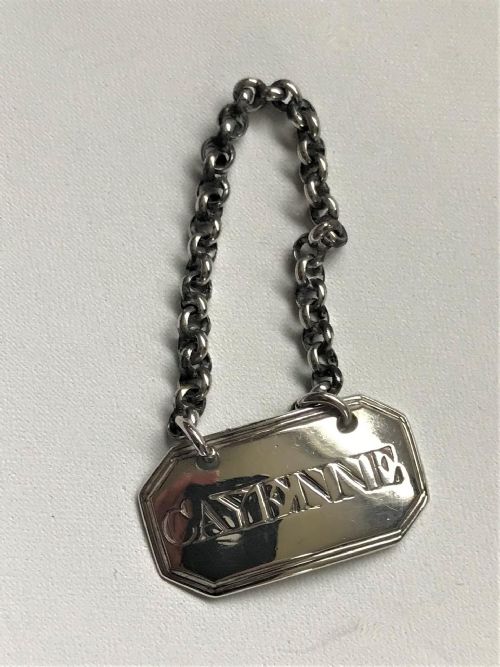
An antique bottle ticket sits on the neck of a decanter, naming the vintage within through bright metal and piercing.
Antique Bottle Ticket
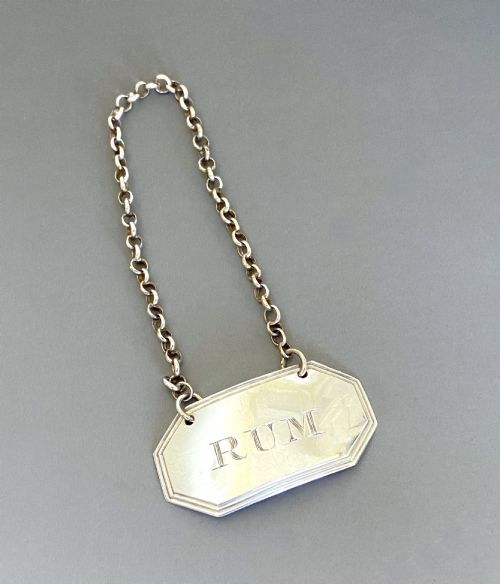
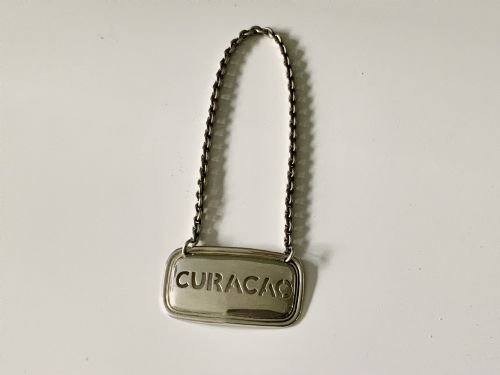
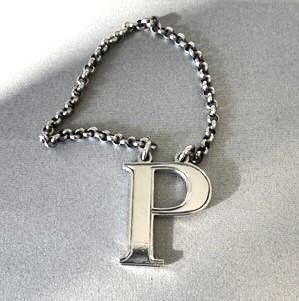
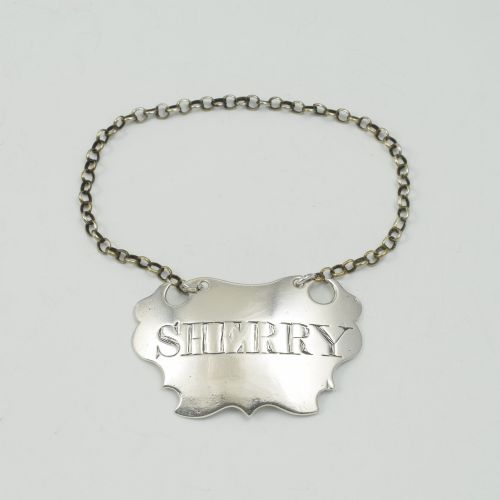
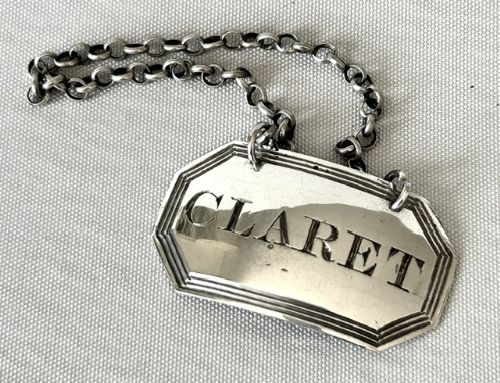
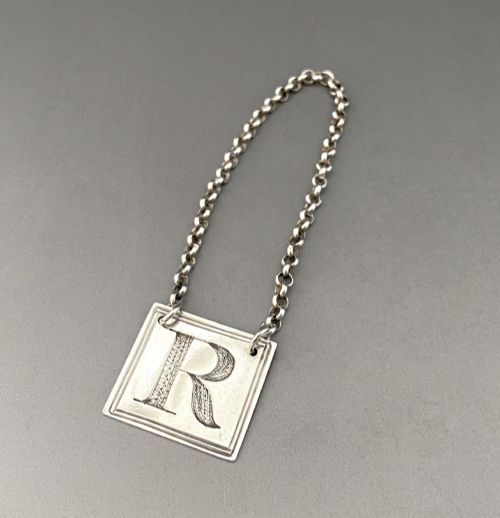
An antique bottle ticket, also catalogued as a decanter label or barware accessory, serves the traditional purpose of identifying spirits and wines on the sideboard. These small identifiers hang from slender chains around the bottle neck, naming contents such as sherry, port, madeira, rum, claret, gin, brandy, or cayenne.
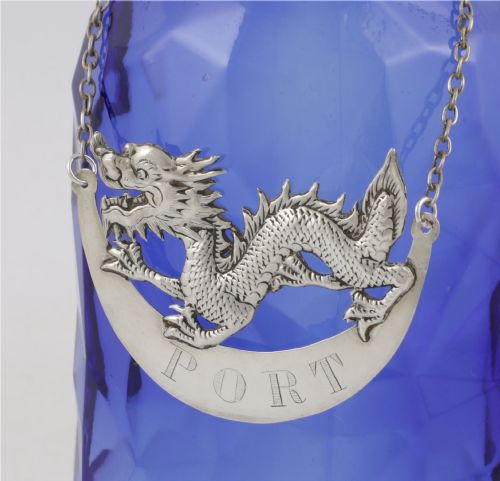
The pieces appearing on this page span the Georgian, Regency, William IV, Victorian, and Edwardian periods, stretching into the early twentieth century. Most examples take the form of silver tags, escutcheon shapes, or vine leaf motifs, originating from London, provincial workshops, Scotland, and Chinese export commission.
Makers utilise specific titles for specific drinks, sometimes showing unusual names like hock or moselle alongside standard wine designations. Collectors encounter single pieces, matched sets of three, and miniature labels designed for individual servings.
Materials and construction methods
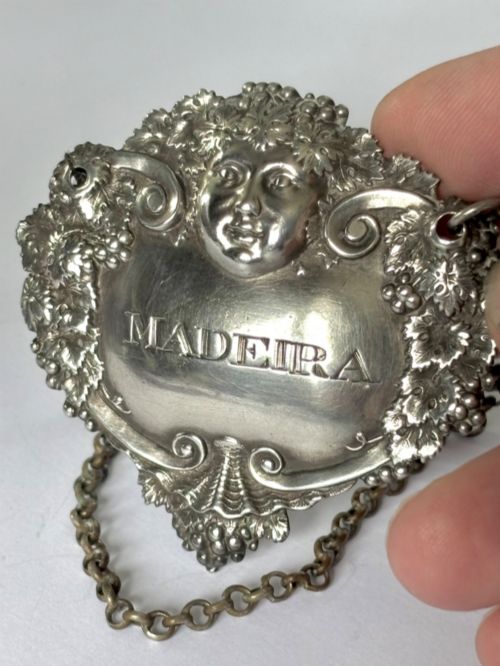
Silversmiths constructed these tags predominantly from sterling silver, solid silver, and silver gilt, frequently augmenting designs with enamel or mounting them onto teal glass bottles. Metalsmiths pierced, chased, or engraved the silver plate to form vine leaves, escutcheons, and script titles.
Craftsmen applied hallmarks, maker marks, and personal monograms directly onto the metal surface using traditional punches and dies. Chains of matching silver secure the tags, completing the construction of each bottle ticket.
Listings feature sterling silver, solid silver, and silver gilt alongside teal glass bottles, spanning the Georgian, Victorian, Edwardian, and Regency periods.
Distinctions in quality and execution
The division between standard production and superior work rests upon the crispness of the piercing, the depth of the engraving, and the hand of the silversmith. Pieces bearing the marks of known makers display sharper lettering and more delicate ornamentation than anonymous workshop output.
The presence of gilding, enamel detailing, or unusual titles like cayenne elevates a ticket beyond standard sherry and port labels. Sets of matching labels maintain a higher desirability than single assembled pieces.
Elizabeth Morley·Tiffany·Digby Scott Benjamin Smith·John Reily·Thomas Wallis II·William Sharp·Peter Anne Bateman
The Antique Bottle Ticket Glossary
- Bottle Ticket
- An alternative term for a decanter label, hanging from a chain to name the wine or spirit contained in the vessel.
- Escutcheon Shape
- A shield-shaped form commonly used for Georgian and Victorian silver labels, often featuring bright-cut borders.
- Silver Gilt
- Silver covered with a thin layer of gold, providing a rich yellow lustre to vine leaf and pierced designs.
- Provincial Silver
- Plate struck with marks from makers working outside London, such as Scottish regional silversmiths.
- Vine Leaf Motif
- A naturalistic style shaped like grape foliage, frequently employed by Victorian and Georgian makers for wine labels.
Antique Bottle Ticket: Frequently Asked Questions
How were bottle tickets used?
Hosts placed these tags around the necks of glass decanters so guests and servants could easily distinguish between different wines and spirits during dinner parties.
The chains allowed the tags to hang freely against the glass without scratching the surface of the bottle.
How do I date a silver label?
Dating relies upon the hallmarks stamped into the metal, which record the assay office, the date letter for the year, and the maker's mark. Stylistic clues like Georgian bright-cut engraving or Victorian vine leaf motifs also help determine the period.
Examining the script style and the weight of the silver provides further context for the decade of manufacture.
How do I clean antique silver?
Silver labels require gentle handling to preserve the original hallmarks and engraved details accumulated over centuries. Dust and tarnish clear away with a soft cloth and specialised silver cleaner, avoiding abrasive pastes that wear down the metal.
Enamel and glass elements need separate, careful attention to prevent moisture from damaging mounts or chains.