

Silver Wine Bucket
When choosing a silver wine bucket, collectors select from period examples shaped for dining tables and grand hospitality.
Silver Wine Bucket
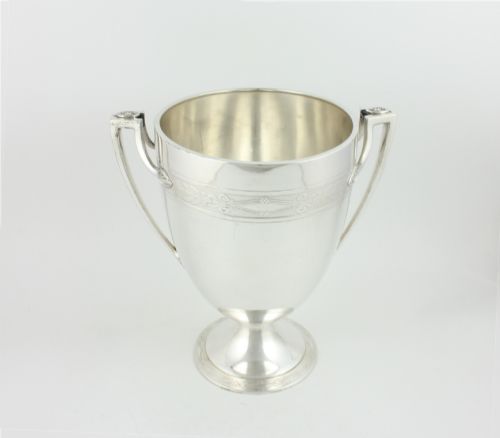
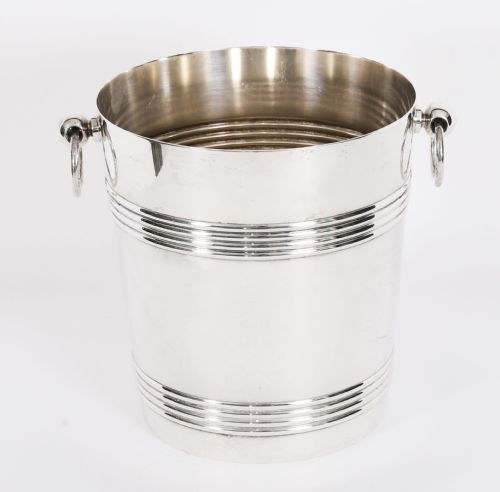
A silver wine bucket encompasses a range of dining vessels designed to chill champagne and bottles at the table, spanning the eighteenth century through the mid-twentieth century. Buyers encounter classic Georgian and Victorian forms alongside Edwardian ice pails and Art Deco champagne coolers from English and French makers.
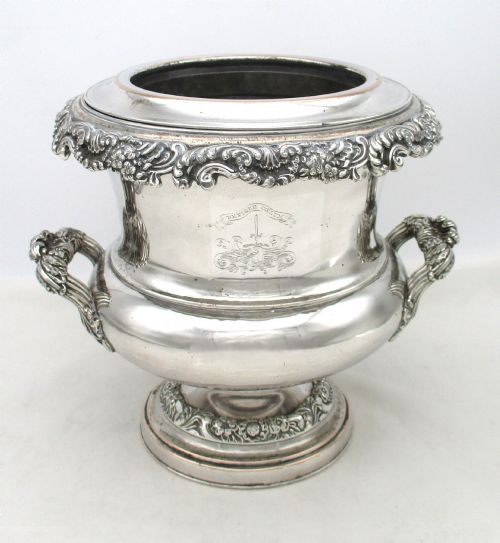
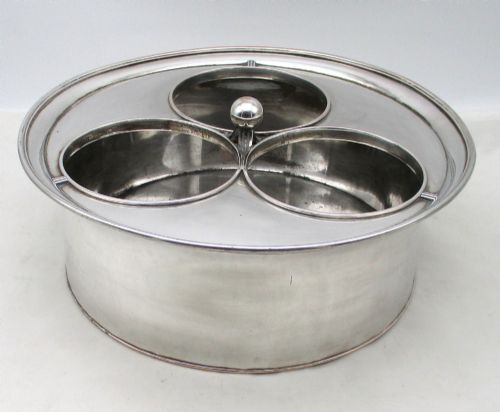
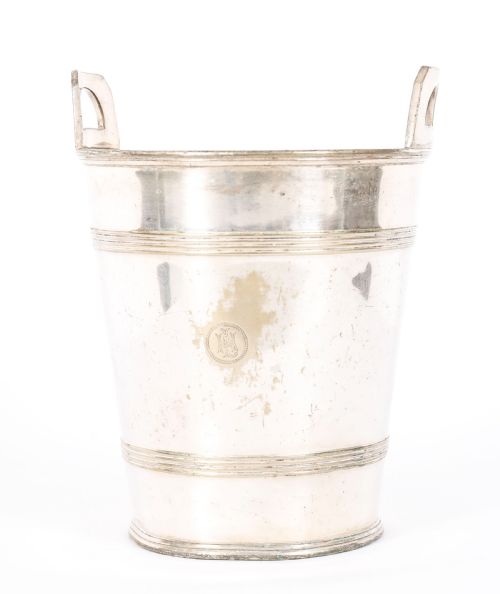
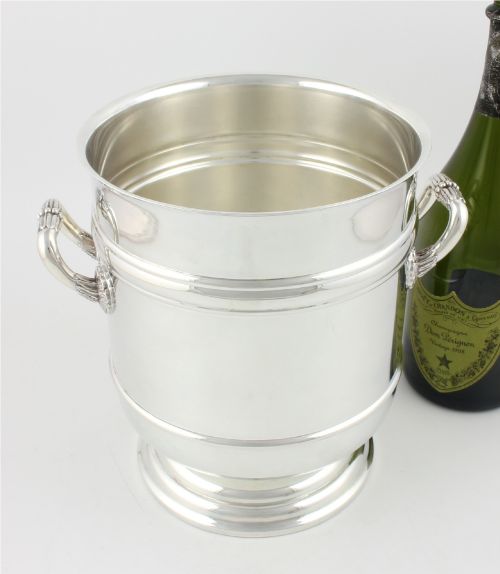
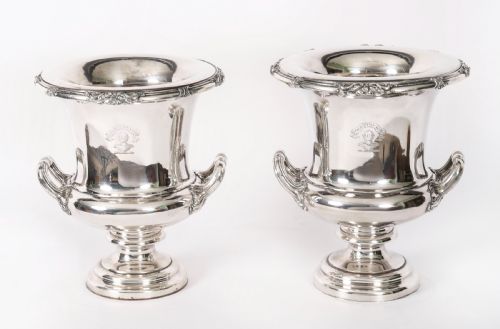
The selection includes multi-bottle vessels, pedestal urns, and ring-handled buckets in both silver plate and Old Sheffield Plate. These objects served formal dining rooms, ocean liners, and Parisian establishments, bridging practical utility and display.
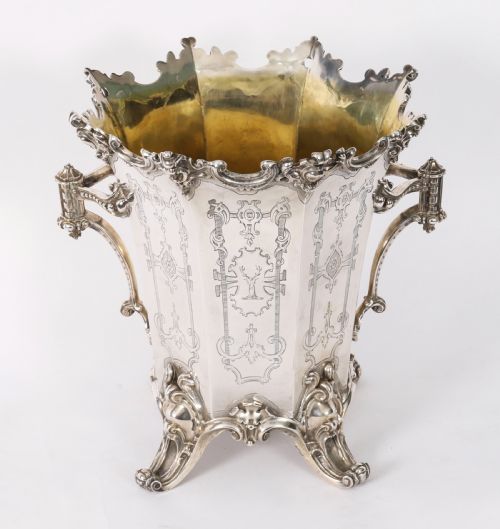
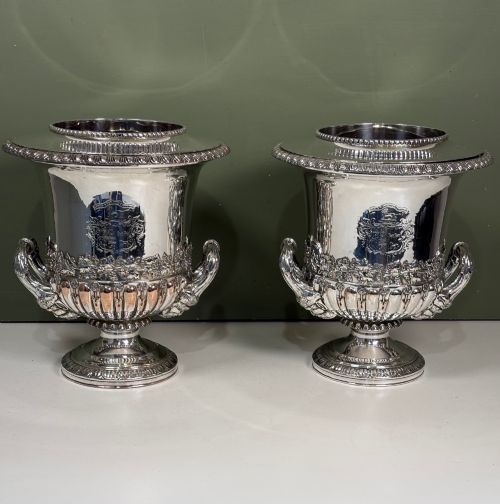
Pieces frequently appear as matched pairs or individual presentation items bearing coats of arms or crests. Their structural variety accommodates everything from single magnums to floor-standing champagne coolers.
Materials and Techniques
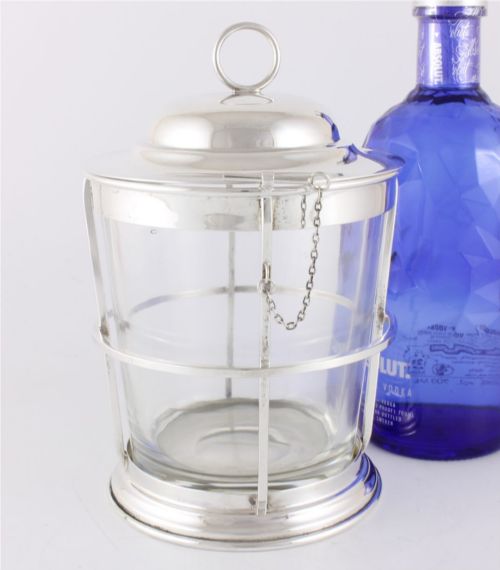
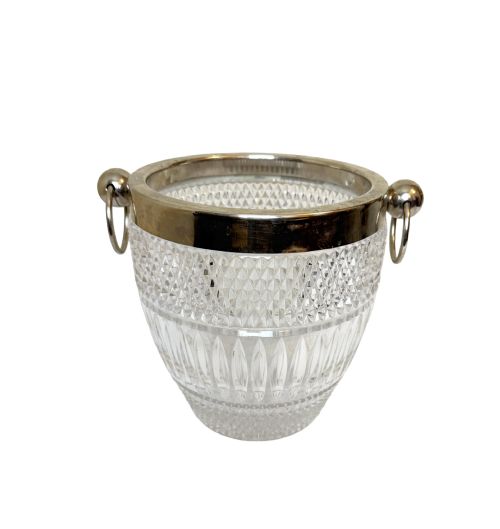
Makers utilised silver plate over copper, solid sterling silver, and Old Sheffield Plate, where a thin sheet of silver was fused to a copper base. Cut glass and crystal liners appear inside pierced or solid metal frames, paired with brass or pewter elements in specific continental designs.
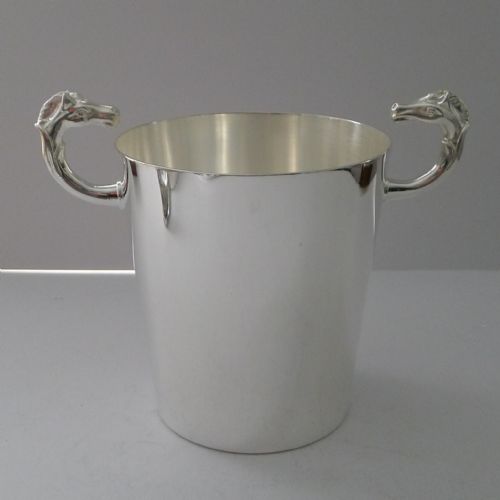
Manufacturing methods moved from hand-hammered and Sheffield plating techniques in the Georgian era to electroplating processes developed by nineteenth-century firms like Elkington and Christofle. Detail work involved applied cast handles, engraved armorial crests, and chased floral or tendril motifs characteristic of the Art Nouveau and Art Deco periods.
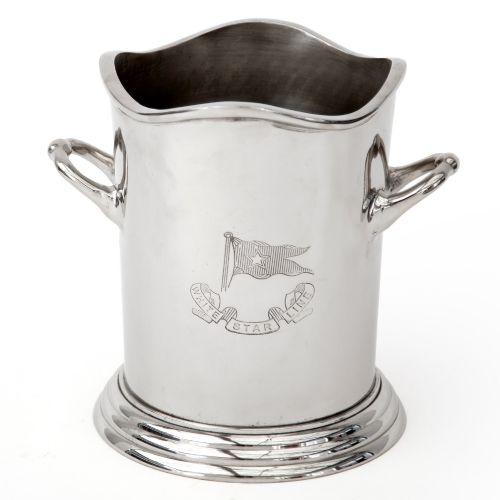
Several ice buckets served aboard ocean liners like the White Star Line, ready for transatlantic toasts.
Evaluating Craftsmanship
Quality rests in the weight of the metal, the crispness of cast decorative details like handles and rims, and the integrity of the underlying base metal. Superior examples retain their original glass liners, tight-fitting collars, and clear maker stamps or hallmarks without excessive base metal exposure.
Proportion and balance distinguish standard production items from bespoke presentation pieces commissioned with armorial crests or specialised mounts. The precision of the plating and the restraint or ambition of the decorative style dictate the standing of each piece within its period.
Christofle·Elkington·Mappin And Webb·Ercuis·Barker Ellis·Wmf
The Silver Wine Bucket Glossary
- Old Sheffield Plate
- A composite material made by fusing a thin layer of silver to a copper ingot, common in eighteenth and early nineteenth-century items. This technique leaves a characteristic copper seam visible on raw edges.
- Silver Plate
- A thin layer of silver deposited onto a base metal, typically through nineteenth-century electroplating methods. This process democratised the production of heavy dining wares.
- Campagna
- A classical urn shape featuring a flared bowl on a pedestal foot, often utilised for nineteenth-century wine coolers. The silhouette echoes ancient Roman bronze vessels.
- Magnum
- A larger bottle format requiring wider or taller bucket proportions. Coolers designed for these bottles accommodate increased volume and ice capacity.
- Pail
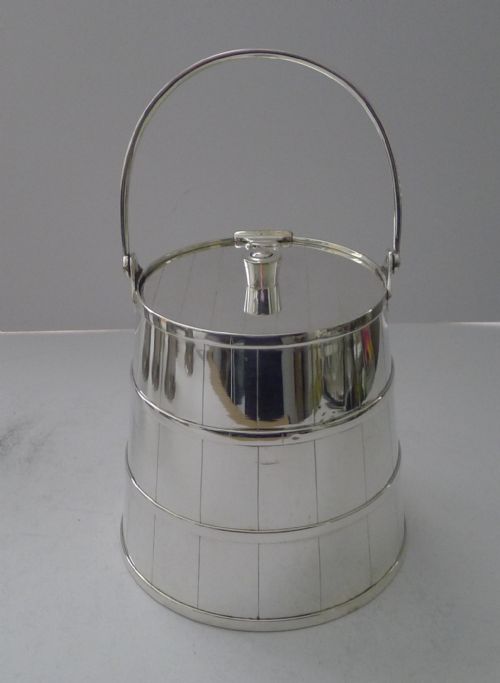
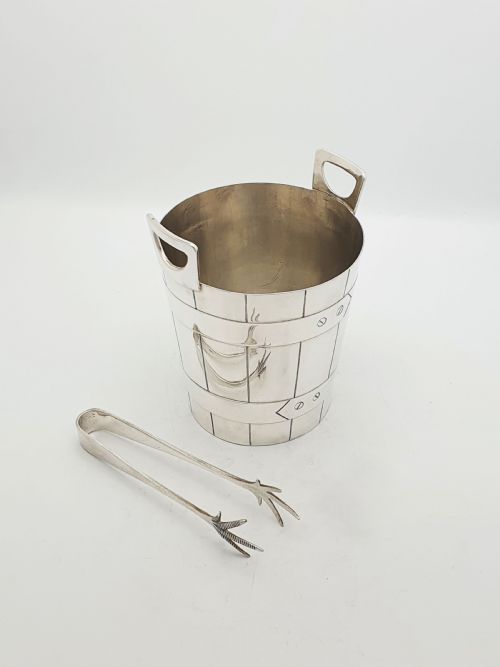
- An open bucket form, frequently fitted with a swinging handle and matching tongs for ice service. These items often incorporate cut glass inserts.
Silver Wine Bucket: Frequently Asked Questions
How do I date a silver wine bucket?
Dating relies on maker marks, style markers such as Art Deco geometric lines or Victorian rococo revival scrolls, and manufacturing techniques. Electroplate marks generally point to the Victorian era and later, while fused copper edges indicate earlier Old Sheffield Plate.
Examining crests, presentation inscriptions, and form can narrow the decade of production. Comparative examples from documented workshops help confirm the likely period.
What is the difference between Old Sheffield Plate and silver plate?
Old Sheffield Plate involves physically fusing silver sheets to copper through heat and pressure before rolling them into sheets. This mechanical bond differs fundamentally from later electroplating.
Electroplating deposits silver via an electrical current onto a base metal. This later method produces a uniform coating without the telltale copper edges found on genuine Old Sheffield pieces.
Were these buckets used exclusively for wine?
While primarily designed to chill wine and champagne bottles during formal meals, many forms doubled as ice pails or punch bowls. Liners allowed them to hold melting ice cubes for table service.
Large presentation bowls and floor-standing models accommodated multiple bottles or larger gatherings. Their versatility adapted to changing dining customs across the nineteenth and twentieth centuries.
How should I clean silver plated coolers?
Maintenance requires mild silver polish applied with a soft cloth to preserve the plating over the copper or base metal. Harsh abrasives will wear away the thin silver layer over time.
Rinsing thoroughly after use prevents residue from tarnishing the surface. Preserving original patinas is standard practice among collectors.