



Silver Topped Walking Cane
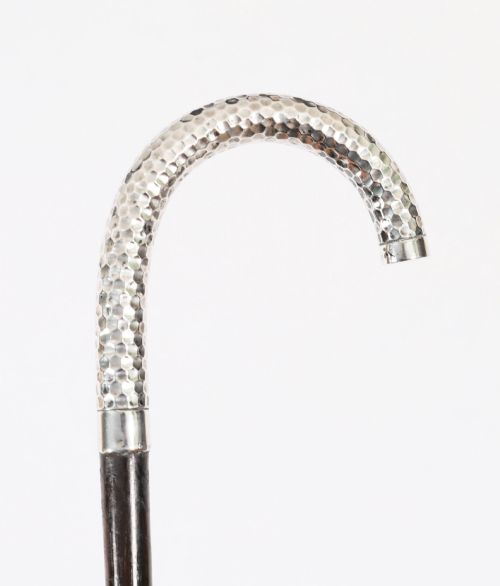
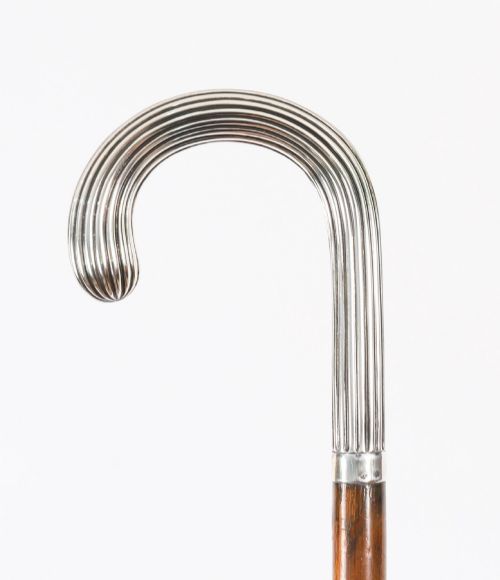
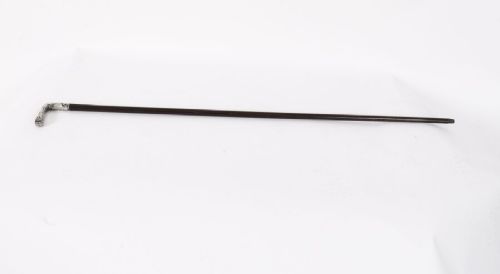
A silver topped walking cane carries the weight of a refined past, combining functional support with decorative metalwork.
Silver Topped Walking Cane
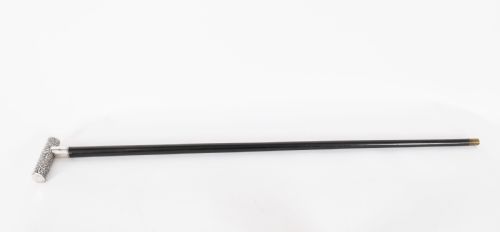
A silver topped walking cane is a traditional support implement finished with a precious metal handle, often measuring between eighty and one hundred centimetres in length. When searching for a silver topped walking cane, buyers encounter examples originating from Victorian, Edwardian, and Continental workshops spanning the nineteenth and early twentieth centuries.
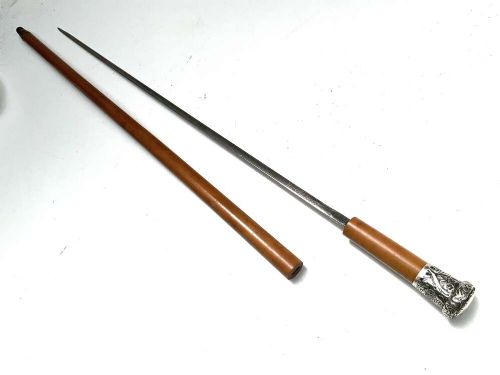
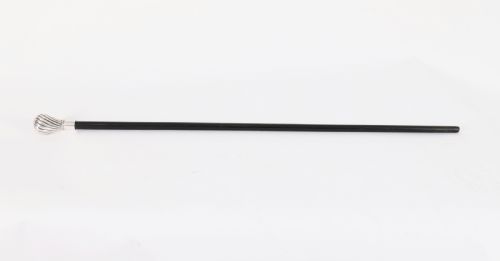
The common forms include standard walking sticks, slender swagger sticks used by military officers, and specialised concealed blades or watch canes. Most pieces pair a silver handle with shafts formed from malacca, ebonised wood, or bamboo.
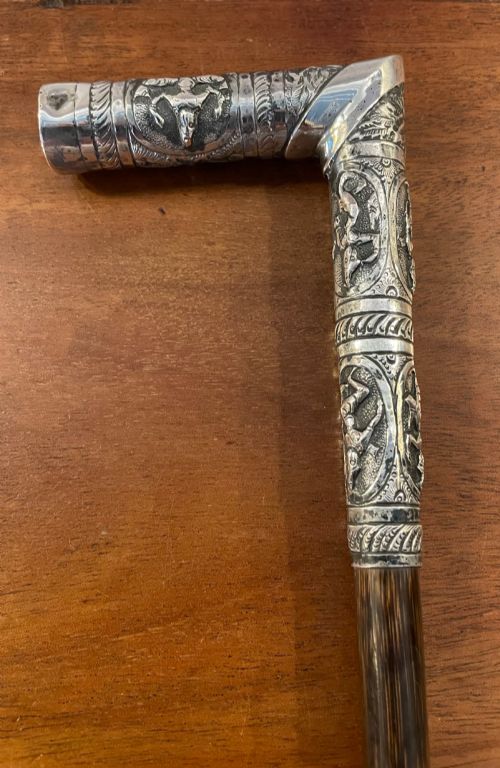
Regional variations appear frequently, ranging from French Belle Epoque and Art Nouveau designs to Chinese Export and Asian pieces featuring intricate prunus blossom motifs or repousse work.
Materials and construction
Handles are constructed from sterling silver, silver-plate, or occasionally solid metal embellished with boar heads, chalcedony, or figural animal carvings. These metal components are securely joined to shafts made from organic materials such as malacca, palm wood, snakewood, rosewood, and ebonised oak.
Metals often display hallmarks indicating London assay offices or Continental standards, alongside intricate hand-engraved or repousse surface decoration. Shafts are frequently fitted with brass ferrules at the base to prevent wear during daily use.
Listings feature silver topped walking cane examples incorporating unusual complications including functioning watches, glass compartments, and concealed sword blades.
Distinctions in craftsmanship
Quality rests in the weight and detail of the silver handle, where deep repousse work, crisp casting, and clear hallmarks separate standard production from superior artistry. The integration between the precious metal top and the underlying wooden shaft demands precise fitting to ensure structural integrity.
Material selection also dictates distinction, with dense tropical hardwoods like malacca and exotic additions like incorporated watches or concealed sword blades representing higher tiers of period production.
Wang Hing and Company·Asprey
The Silver Topped Walking Cane Glossary
- Hallmark
- An official stamp applied to precious metals indicating the standard of purity, the assay office, and the date of manufacture. These small stamped marks help verify the exact origin of silver handles.
- Repousse
- A metalworking technique where the silver is hammered into relief from the reverse side. This method creates raised decorative motifs and floral patterns on the handle.
- Malacca
- A type of rattan cane known for its mottled brown surface and exceptional strength. It serves as a favored lightweight shaft material for walking sticks.
- Swagger stick
- A short, slender cane carried by military officers as a symbol of authority rather than for physical support. These often feature distinctive regimental top mounts.
- Ferrule
- The protective metal cap fitted to the bottom tip of a walking stick. This component prevents the wood shaft from splitting or wearing down on hard surfaces.
Silver Topped Walking Cane: Frequently Asked Questions
How do I identify the date of my cane?
Dating relies primarily on metal hallmarks stamped onto the silver handle, which indicate specific assay office years and maker marks. Stylistic indicators, such as Art Nouveau curves or Victorian engraving patterns, provide secondary chronological clues.
Shaft materials and construction techniques also align with distinct periods, helping narrow down the decade of production when stamps are worn or absent.
Were these canes used for support?
Many examples served as daily walking aids for gentlemen and ladies, providing genuine physical support during urban strolls. Sturdier hardwoods like malacca and oak were specifically chosen for their load-bearing capacity.
Other variations, such as swagger sticks or decorative court canes, were carried purely as fashion accessories or symbols of social status.
What are sword sticks?
Sword sticks are functional walking canes that conceal a hidden steel blade within the wooden shaft. The handle acts as a secure release mechanism for the concealed dagger.
These pieces were popular among travellers and gentlemen during the nineteenth century for personal protection in unfamiliar environments.
How should I display a walking cane?
Walking canes are best stored upright in dedicated floor stands or mounted horizontally on wall brackets designed for display. Keeping them away from direct sunlight and extreme humidity protects the delicate bond between the silver top and the wooden shaft.
Regular dusting and occasional treatment of the wooden elements help maintain the original finish of the materials.