


Silver Topped Glass Box
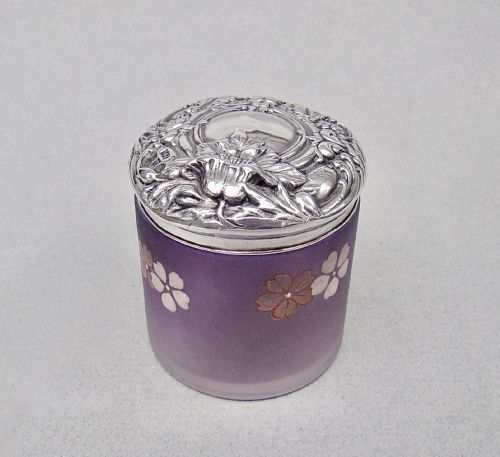
A silver topped glass box combines solid metalwork with heavy crystal or pressed vessels, creating a useful receptacle for dressing tables and desks.
Silver Topped Glass Box
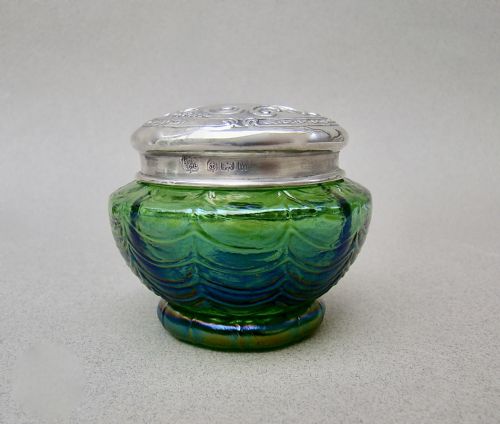
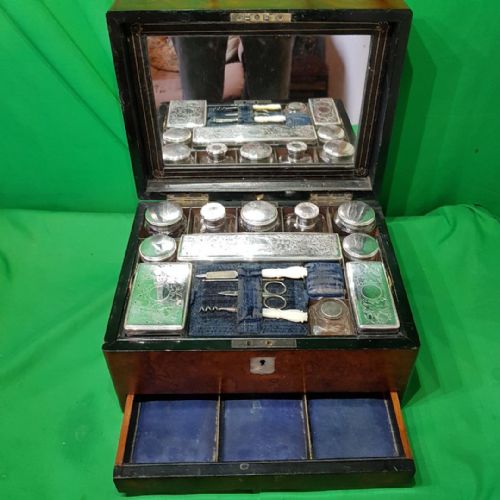
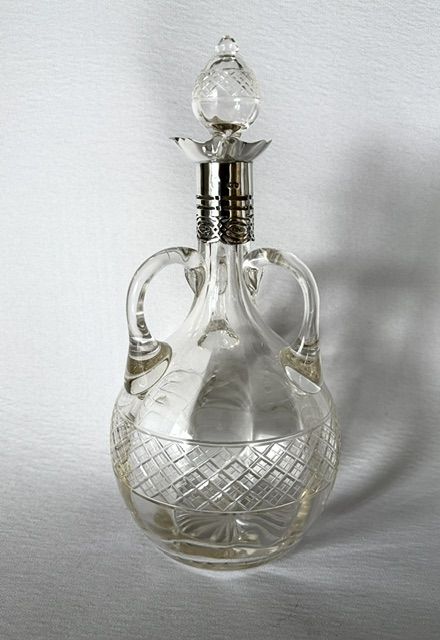
A silver topped glass box encompasses a variety of dressing table jars, vanity pots, trinket containers, and larger biscuit barrels designed to hold small personal items or provisions. The pieces span periods from the Georgian era through the Victorian and Edwardian decades into the Art Deco years, reflecting shifting domestic habits.
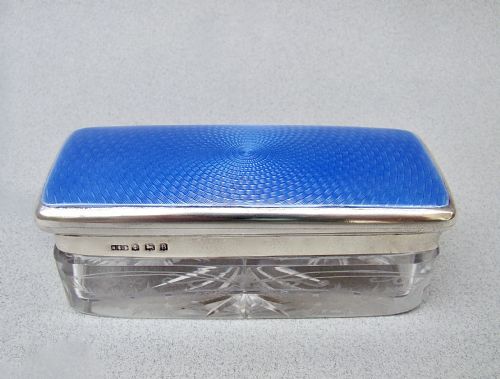
The form relies on a sturdy glass body, moulded, cut, or faceted, capped with a fitted metal lid made of sterling silver or silver plate. Buyers frequently encounter Edwardian and 1920s iterations featuring cut crystal bases paired with hallmarked Birmingham or London metalwork.
How they were made
Bodies were formed from heavy glass, crystal, frosted glass, or Kralik and Clichy art glass, often shaped by blowing into moulds before receiving deep hand-cut flutes, facets, or etched motifs. Metal lids were cast, stamped, or spun from sterling silver or silver plate, sometimes incorporating subsidiary materials like velvet, tortoiseshell, or brass.
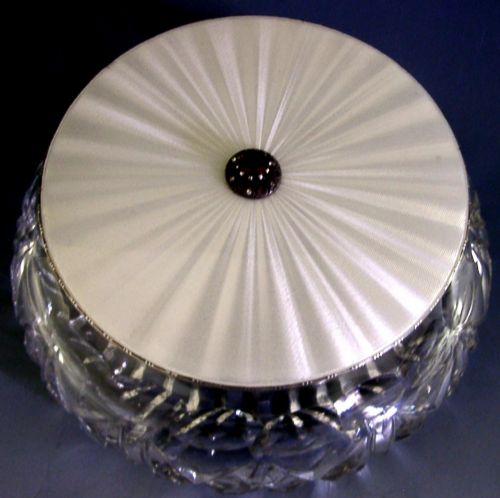
Surface ornamentation on the metal components utilised engine-turned guilloché enamel in coloured pigments, repoussé embossing, or simple polished finishes secured to the glass collars with internal mounts or collars.
A stag crest engraved on an 1814 dressing table set suggests the original owner took their hunting very seriously indeed.
What varies in quality
Distinction across the range rests on the depth and crispness of the glass cutting, the weight of the silver lid, and the integration between the two materials. Thicker crystal bases with sharp, clean facets demonstrate superior glassmaking skill compared to light, thin-walled moulded vessels.
Substantial gauge silver lids that fit flush against the glass rim without rocking indicate higher workshop standards, whilst crisp Birmingham or London hallmarks confirm official assay compliance and maker reputation.
A. J. Pepper & Co·Henry Clifford Davis·Walker & Hall·Levi & Salaman·Goldsmith's and Silversmith's Co.·James Dixon and Sons·Thos Johnson
The Silver Topped Glass Box Glossary
- Guilloché
- Enamel applied over a mechanically engraved metal surface creating repeating geometric patterns. This technique appears frequently on Art Deco dressing table jars.
- Hallmark
- A series of official stamps punched into precious metal indicating the maker, assay office, and year of testing. These marks provide precise dating for silver lids.
- Cut Glass
- Glass shaped and patterned by holding the vessel against a rotating abrasive wheel. It produces deep, light-refracting facets across trinket boxes and biscuit barrels.
- Biscuit Barrel
- A cylindrical container with a fitted lid used originally for storing dry biscuits in the dining room. They often feature silver plated mounts and swing handles.
- Sterling Silver
- An alloy consisting of ninety-two point five percent silver and seven point five percent other metals, chiefly copper. Most British lids carry this standard.
Silver Topped Glass Box: Frequently Asked Questions
How do I clean the glass base?
Wash the glass vessel in warm soapy water using a soft cloth, taking care to keep moisture away from any glued or fitted metal collars.
Dry the piece thoroughly with a lint-free cloth to restore the clarity of the cut facets without damaging the silver.
Can I polish the silver lid?
Apply a gentle silver polish with a soft cloth to the metal surface, working around any glass or enamel sections to avoid abrasive contact.
Buff the lid lightly to remove tarnish while preserving the original hallmark stamp and surface details.
What were vanity jars used for?
Victorian and Edwardian dressing tables utilised vanity jars and trinket boxes to hold creams, pins, hairpins, and small personal accessories.
These covered containers kept dressing tables tidy while adding reflective metallic and glass accents to the room.
How do I date the silver lid?
Locate the hallmark stamps on the metal rim, which typically include a date letter corresponding to a specific assay office year table.
Compare the stamp style and city mark with established records to confirm the exact decade of manufacture.