



Silver Tea Caddy Accessories
Silver tea caddy accessories are the small, specialised implements and containers that accompany tea service, offering both utility and craftsmanship.
Silver Tea Caddy Accessories
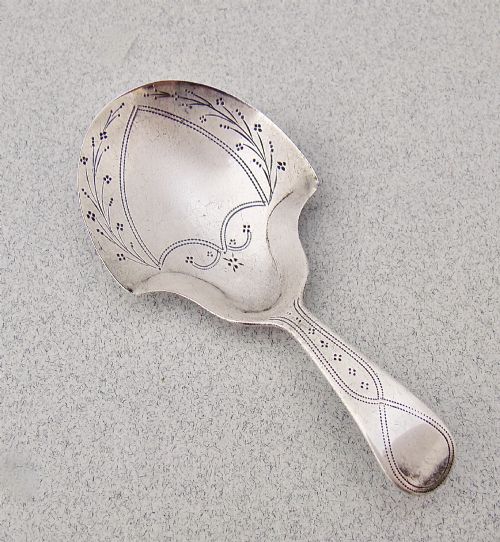
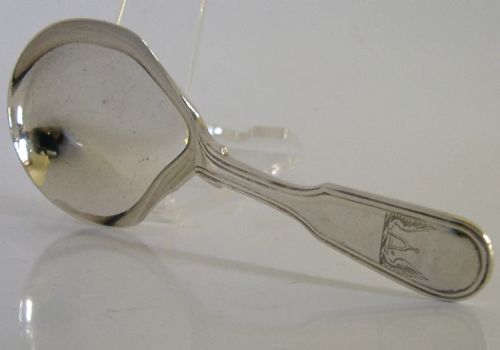
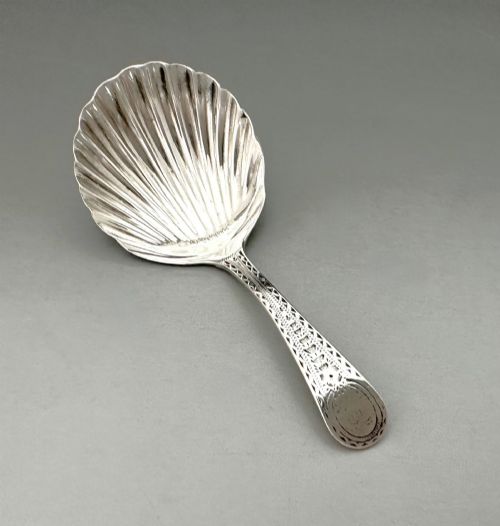
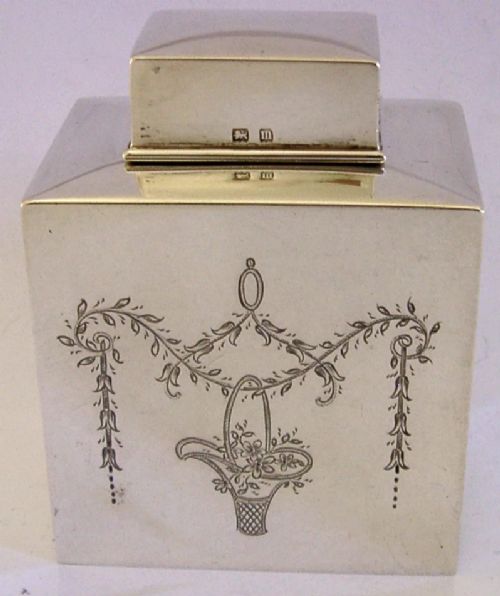
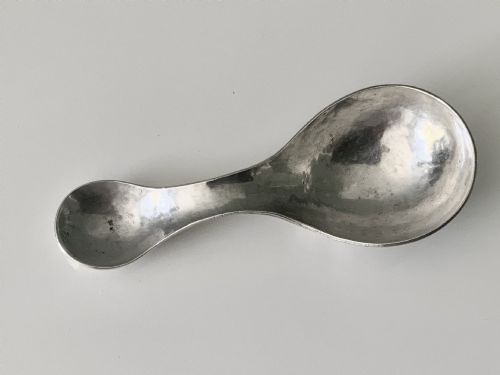
Silver tea caddy accessories encompass everything from diminutive spoons designed to measure dry leaves to larger boxes, caddies, and biscuit barrels intended for storage. When exploring silver tea caddy accessories, the most common form encountered is the small caddy spoon, frequently produced in Georgian, Victorian, and Edwardian styles.
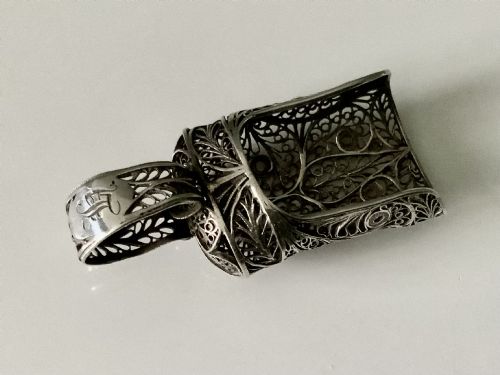
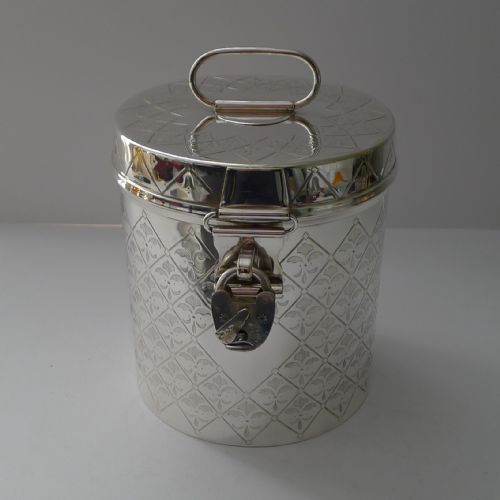
The selection ranges from simple provincial spoons to elaborate novelty items shaped like jockey caps, alongside cut glass and silver plated biscuit boxes or larger locking containers. Pieces span multiple eras, including the eighteenth century, the nineteenth century, and twentieth-century modernist designs.
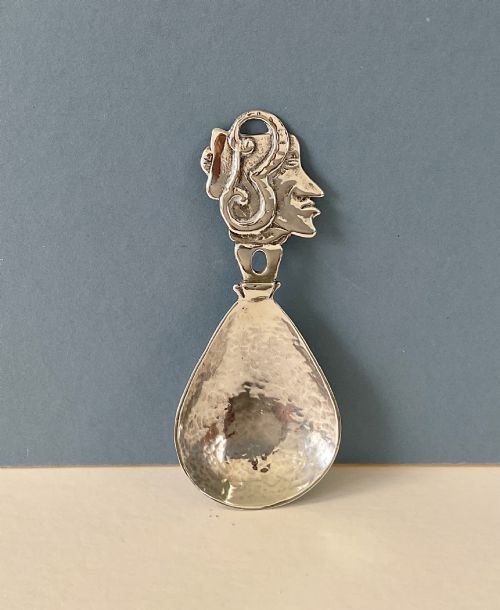
Makers and silversmiths utilised various materials, yielding sterling silver alongside EPNS, silver plate, and cut glass combinations. Whether looking for a plain shovel-shaped spoon or an ornate Arts and Crafts creation, the range reflects shifting domestic habits across generations.
Methods and materials in silver tea caddy accessories
Silversmiths primarily worked with sterling silver and silver plate, hammering, casting, and stamping metal into precise forms. Many spoons feature detailed engraving upon the bowl or handle, while larger boxes incorporate locking mechanisms and fitted interiors.
Silver Tea Caddy Accessories Retail Price Guide 2026
Typical asking prices for silver tea caddy accessories among the pieces listed under this phrase on Sellingantiques today, from the lower quarter to the upper quarter. They describe what is for sale here now, not the wider market.
Materials across the inventory include sterling silver, silver plate, EPNS, and cut glass.
Judging quality in silver tea caddy accessories
Quality rests upon the crispness of the stamp, the weight of the metal, and the clarity of any engraved or chased decoration. Superior pieces maintain clear hallmarks and retain the original geometry of their bowls and hinges without thinning from excessive wear or polishing.
Design complexity also separates standard utility items from masterworks, particularly in novelty forms such as jockey caps or distinct stylistic movements like Arts and Crafts and Art Deco. Integrity of construction, particularly in moving parts like hinges on boxes and strainers, dictates lasting utility.
Zimmermann·Mappin and Webb·William Neale·Georg Jensen·George Unite·Peter Pierre Gillois
The Silver Tea Caddy Accessories Glossary
- Caddy spoon
- A short-handled spoon specifically designed for measuring tea leaves from a caddy into a teapot. These typically feature shallow bowls shaped like shells, leaves, or shovels.
- Hallmark
- An official stamp applied to precious metals indicating the standard of purity, the assay office, and the year of manufacture. These marks help verify the age and origin of silver pieces.
- EPNS
- Electroplated Nickel Silver, a process where a thin layer of silver is applied to a base metal core. This method became common in the nineteenth century for producing affordable tableware.
- Novelty silver
- Silver items shaped to resemble everyday objects, animals, or clothing, such as jockey caps or boots. These whimsical pieces were particularly popular during the Victorian period.
- Biscuit barrel
- A covered container designed for storing biscuits on the dining table, often combining ceramic or cut glass bodies with silver plated mounts and swing handles.
Silver Tea Caddy Accessories: Frequently Asked Questions
What is a caddy spoon used for?
A caddy spoon is a small scoop designed to measure loose tea leaves from a storage caddy into the teapot.
Their compact size allowed them to fit neatly inside or on top of traditional tea caddies.
What is the difference between sterling silver and silver plate?
Sterling silver consists of a solid silver alloy containing ninety-two point five percent pure silver throughout the entire object. Silver plate involves a thin coating of silver bonded over a base metal such as copper or nickel.
How should I clean antique silver accessories?
Antique silver benefits from gentle washing in warm, soapy water followed by thorough drying with a soft cloth. Avoid harsh abrasive dips that can strip away desirable patination and fine engraving details.