

Silver Tabletop Photo Frame
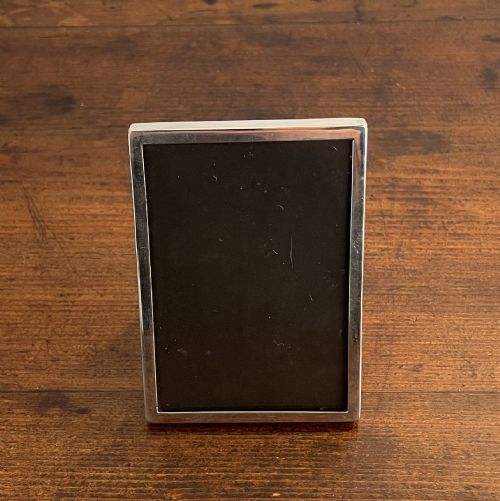
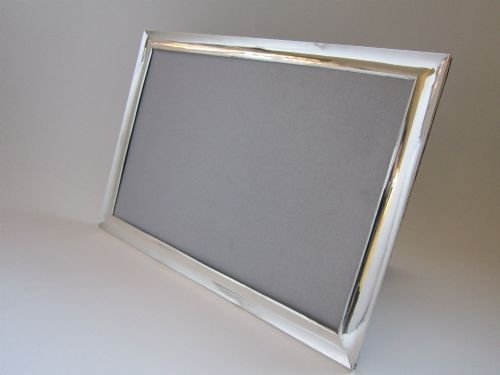
A silver tabletop photo frame brings domestic portraiture into display, merging precious metal with glass and wooden backs.
Silver Tabletop Photo Frame
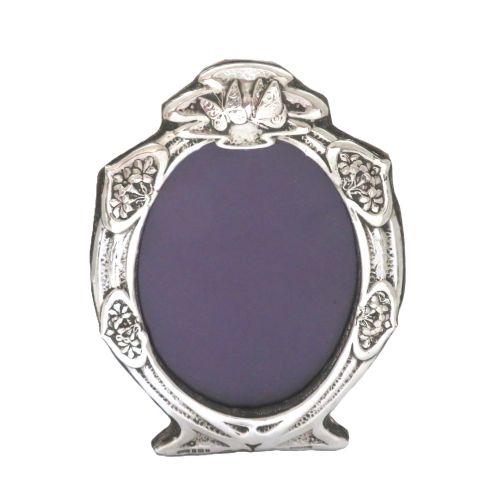
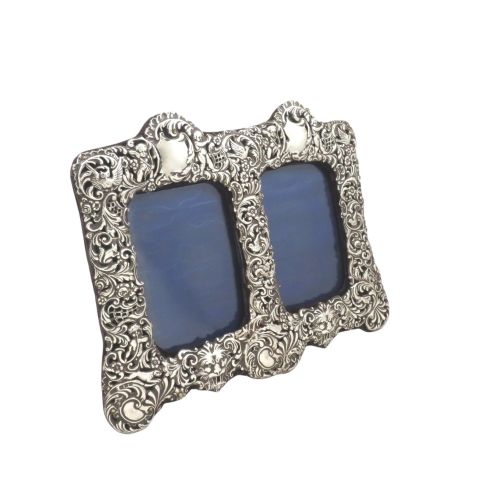
A silver tabletop photo frame is a domestic accessory designed to display portraits on surfaces like desks, mantels and tables. When searching for a silver tabletop photo frame, buyers encounter pieces originating from the Victorian, Edwardian, and George V periods, alongside later twentieth-century examples.
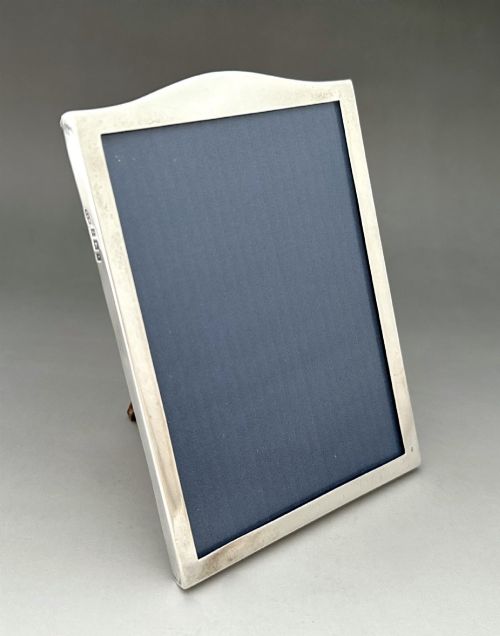
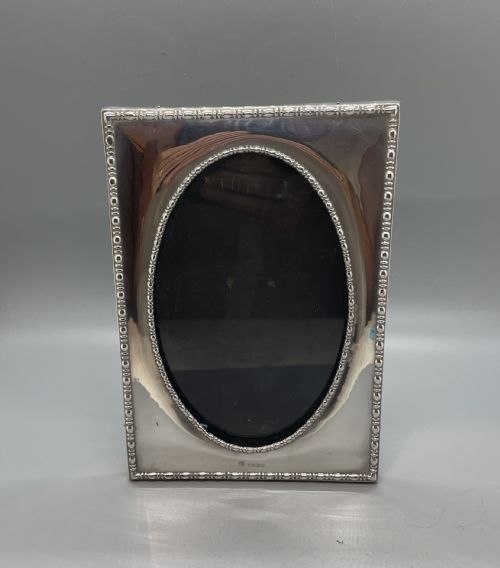
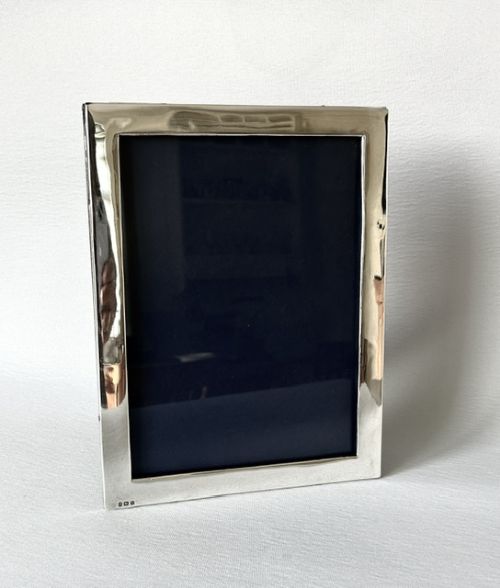
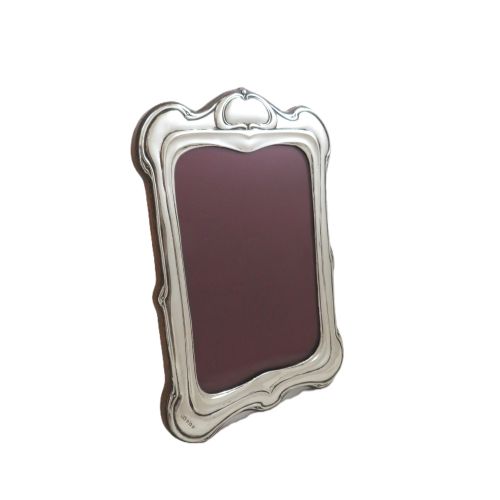
The selections span simple rectangular formats to heart-shaped designs, circular variants, and double configurations. Many retain original wooden backs and structural stands that support the display upright on flat surfaces.
Materials and construction
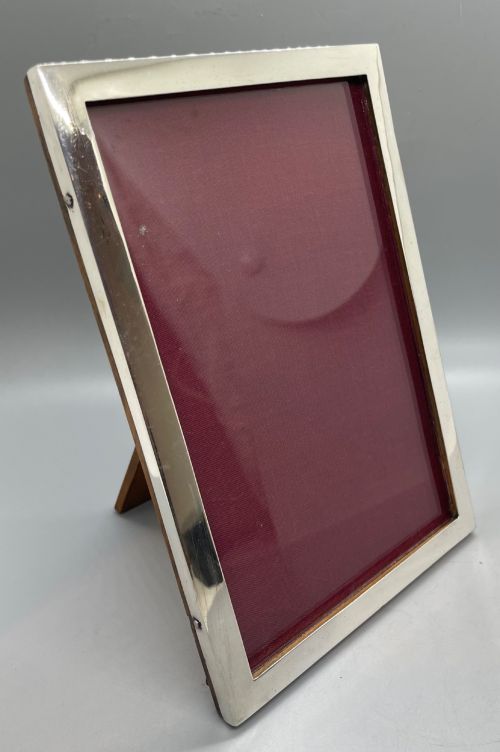
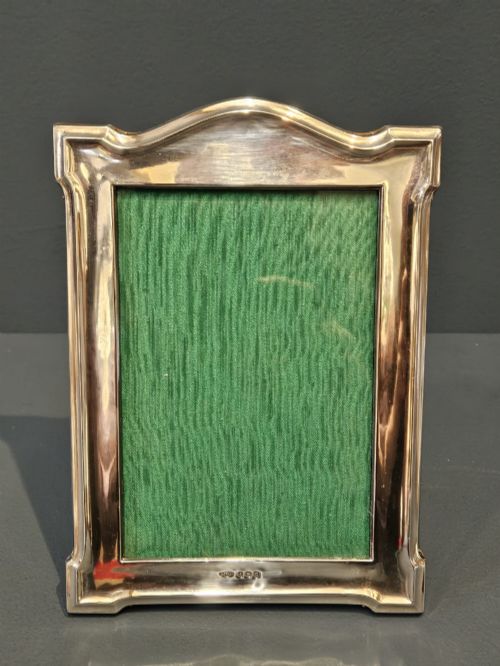
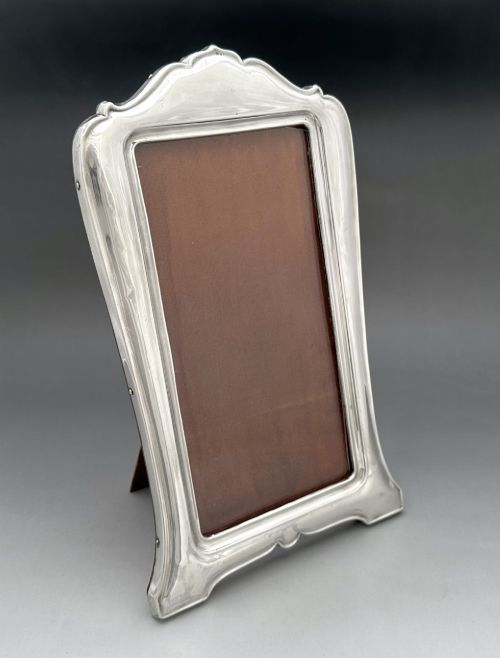
These items rely on sterling silver or silver plate mounted over structural wooden cores, glass panes, and protective internal linings. Velvet, silk and various fabrics frequently line the interior backing boards to hold the structural components together.
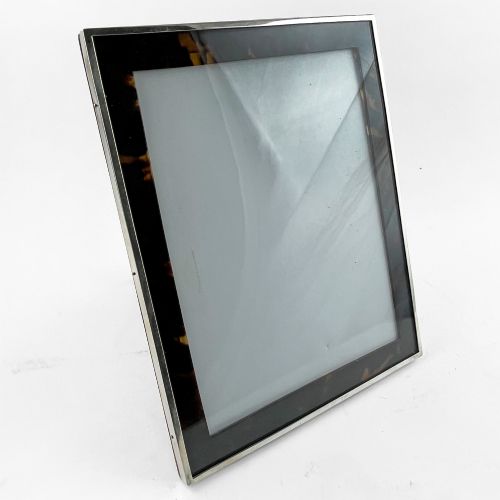
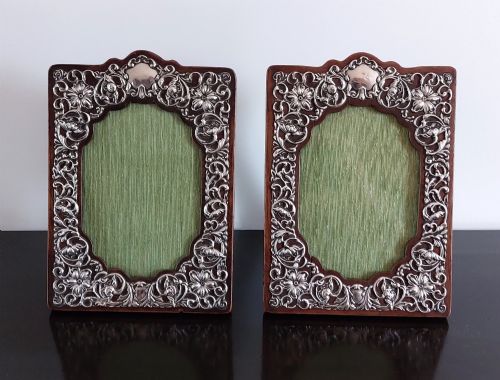
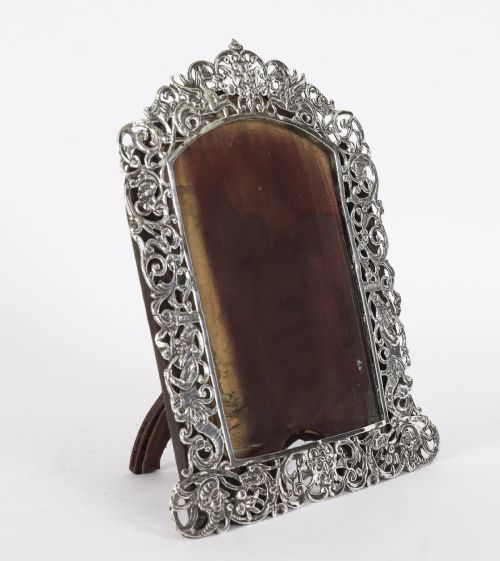
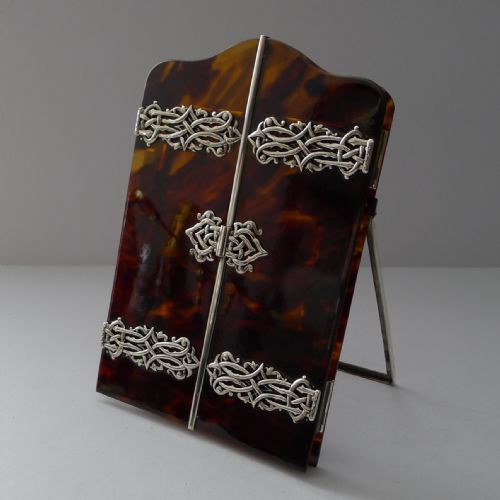
Makers utilised embossing, engraving, and engine-turning techniques directly onto the silver sheet metal to create floral borders, ribbons, cherubs, and geometric patterns. Tortoiseshell and gilt accents occasionally appear applied to the silver mounts.
Silver Tabletop Photo Frame Retail Price Guide 2026
Typical asking prices for silver tabletop photo frame among the pieces listed under this phrase on Sellingantiques today, from the lower quarter to the upper quarter. They describe what is for sale here now, not the wider market.
Materials recorded across the inventory include sterling silver, glass, velvet, wood, fabric, silk, and silver plate.
Assessing craftsmanship and condition
Quality separates through the crispness of chased or embossed motifs like ribbons, floral borders, and cherubs stamped into the silver sheet. Stronger pieces retain deep relief work rather than softened, worn stamping.
The integrity of the internal wooden backing, original easel stand, and secure glass retainers distinguishes better-preserved examples. Complete structural elements maintain the original utility of the frame.
Rosenthal, Jacob and Co·Walker and Hall·Syner and Beddoes·Henry Matthews·Hardy Brothers
The Silver Tabletop Photo Frame Glossary
- Sterling silver
- A silver alloy containing 925 parts silver per thousand by mass. This material forms the primary metal body for the majority of these frames.
- Engine-turned
- A mechanical technique for producing precision geometric patterns on metal surfaces. It appears on several larger silver frames.
- Easel stand
- A hinged rear strut that props a frame upright on a table. Most tabletop pieces incorporate this component.
- Hallmark
- Official marks stamped on precious metals to indicate purity, assay office, and date of manufacture. These symbols date individual items precisely.
Silver Tabletop Photo Frame: Frequently Asked Questions
How do I date a silver photo frame?
Assay office hallmarks stamped onto the silver border provide the exact year and city of manufacture. Stylistic indicators like Art Nouveau organic curves or Edwardian floral embossing also point to specific decades.
Matching the hallmarked letter code against standard British assay records gives a precise date for the silver mount.
What is the backing usually made of?
Most frames use wooden boards covered in fabric such as velvet, silk, or plain cloth to secure the glass and photograph. A hinged wooden strut attached to this back supports the frame on flat surfaces.
Original wooden backs often feature the manufacturer's clips or turn-buttons to hold the internal contents firmly in place.
Can I polish the silver safely?
Soft microfiber cloths and gentle silver creams remove tarnish without abrading thin silver sheet metal or embossed details. Care prevents the cleaning paste from getting behind the glass or staining the fabric backing.
Avoiding harsh dips preserves any original dark oxidation intentionally left in the recesses of embossed motifs.
How were these frames displayed originally?
Victorian and Edwardian households placed these objects on writing desks, occasional tables, and mantelpieces to display family portraits. Their easel stands kept photographs visible within sitting rooms and parlours.
They functioned both as personal keepsakes and as decorative table ornaments reflecting contemporary interior tastes.