

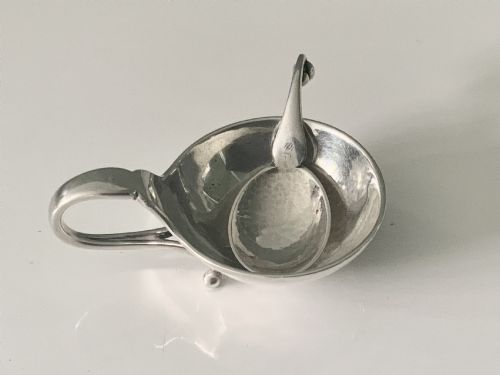
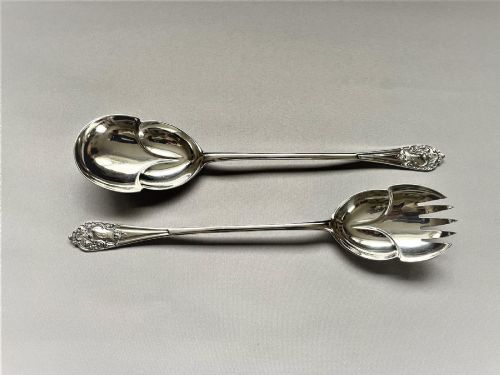


Silver Table Spoons Set
A silver table spoons set brings robust historic utility and gleaming dining presence to the table, spanning multiple centuries of craftsmanship.
Silver Table Spoons Set
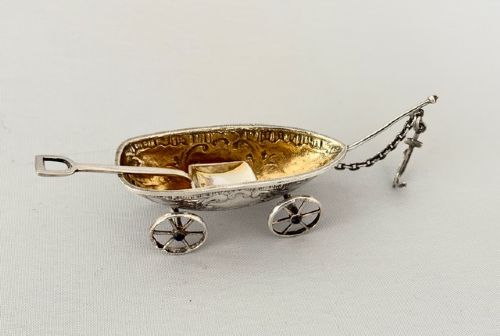
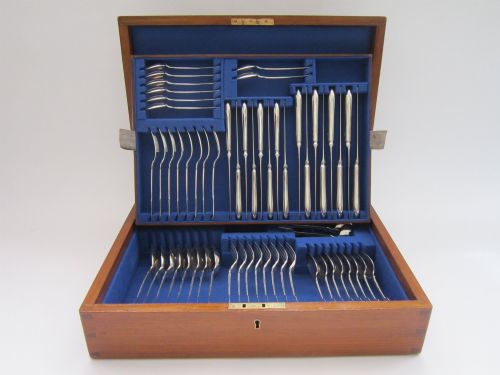
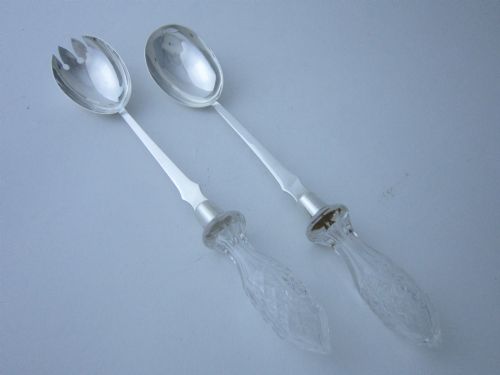
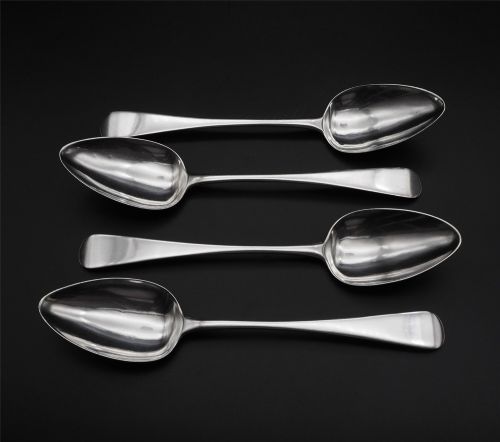
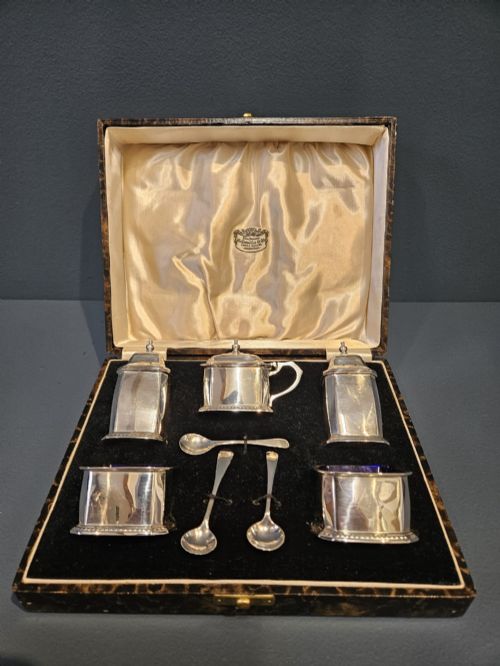
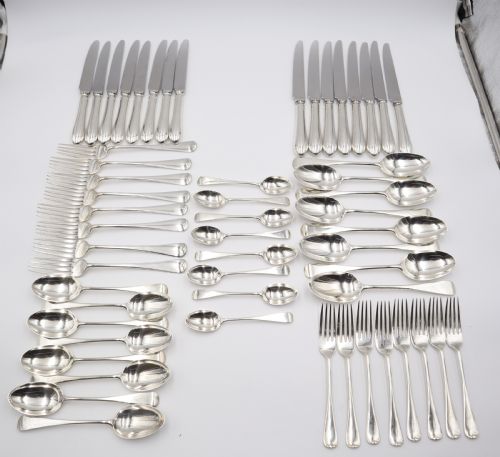
A silver table spoons set comprises grouped eating or serving utensils forged from sterling silver or silver plate, designed for formal dining or grand presentation. These collections often appear as matched sets of six, smaller paired servings, or cased configurations intended for table service.
The pieces on this page emerge from distinct historical periods ranging from the eighteenth century through the Victorian and Edwardian eras up to the mid-twentieth century. Buyers frequently encounter Georgian and Victorian iterations, alongside specialised cruet spoons, berry spoons, and flatware groupings.
How they were made
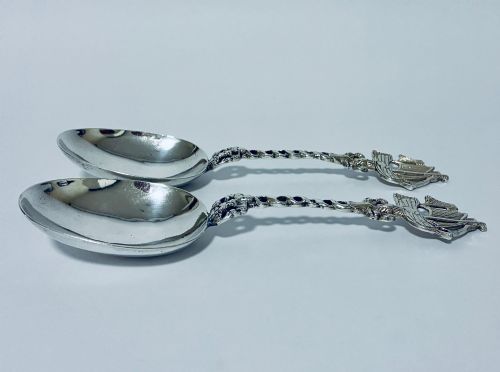
Silversmiths utilised traditional techniques such as hammering, casting, and hand-engraving to shape sterling silver and silver plate into durable utensils. Many older pieces incorporate specialised motifs like the rat-tail drop or decorative patterns including Kings pattern and Queens pattern.
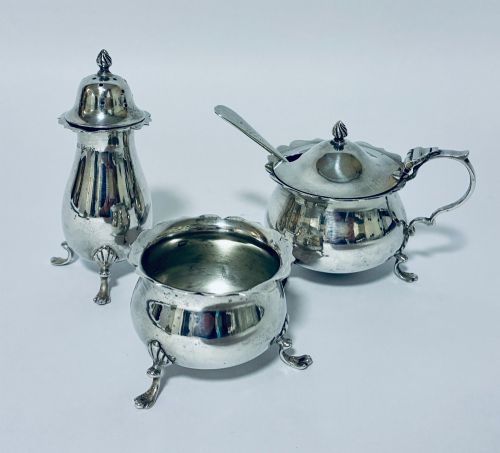
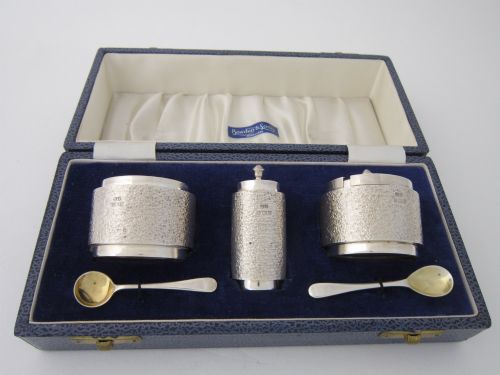
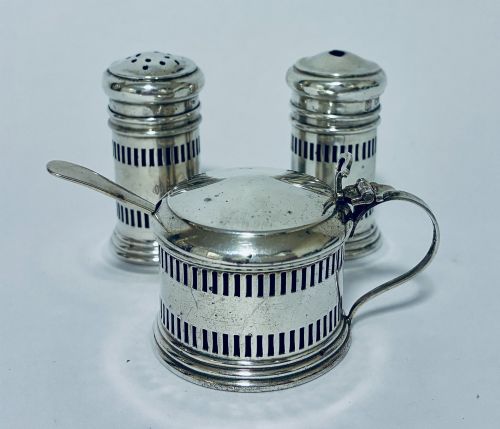
Construction frequently involved fitted presentation cases lined with materials like velvet, silk, or satin, accompanied by glass liners or steel components for auxiliary items such as cruet and condiment sets.
Silver Table Spoons Set Retail Price Guide 2026
Typical asking prices for silver table spoons set among the pieces listed under this phrase on Sellingantiques today, from the lower quarter to the upper quarter. They describe what is for sale here now, not the wider market.
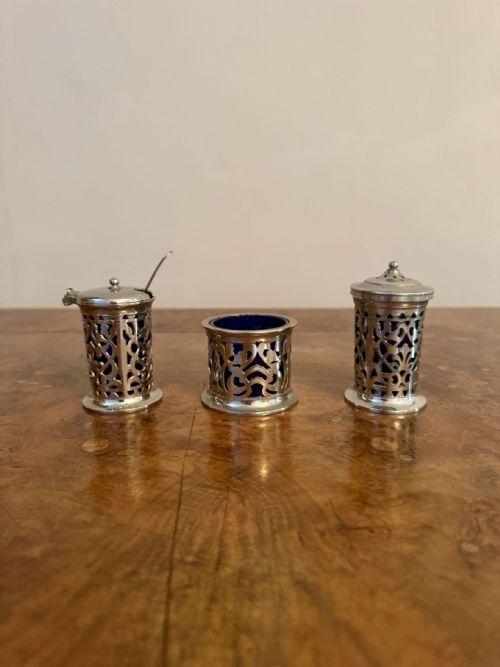
Several dining sets include original blue glass liners designed to protect the silver from corrosive condiments.
What varies in quality
Quality rests upon the crispness of hallmarks, the retention of original bowl shape despite decades of polishing, and the clarity of decorative engraving. Heavy gauge silver provides a substantial hand feel that distinguishes superior service flatware from lighter commercial production.
The integrity of matching sets and the presence of original fitted presentation boxes or matching accessory spoons elevate historical completeness. Artisanal execution by recognised workshops separates standard utility flatware from exceptional collector examples.
Georg Jensen·Bricks and Sons·Wilmot Manufacturing Co·John Locker·Vale Brothers and Sermon·Liberty and Co·William Marshall·Thomas Wallis II
The Silver Table Spoons Set Glossary
- Sterling silver
- A silver alloy containing 92.5 percent pure silver and 7.5 percent other metals, usually copper, ensuring structural durability for daily or ceremonial use.
- Hallmark
- An official stamp applied by an assay office indicating the purity of the metal, the maker, and the year of manufacture.
- Berry spoon
- A large serving spoon, often eighteenth-century, later retrofitted or specifically chased with fruit and leaf motifs on the bowl.
- Kings pattern
- A lavish nineteenth-century flatware design featuring a shell and scroll motif at the terminal handle.
- Rat-tail
- A slender tapering tongue of metal extending from the handle down the reverse of the spoon bowl, strengthening the joint in early pieces.
Silver Table Spoons Set: Frequently Asked Questions
How were silver table spoons used historically?
These large spoons served grand dining roles at the communal table, moving food from serving dishes to individual plates or managing specific courses.
Over successive centuries, larger formats evolved from basic dining utensils into specialised implements for serving berries, gravy, or soups.
Can I use an antique silver table spoons set daily?
Solid sterling silver sets possess the durability required for regular dining use provided they receive proper hand washing and careful storage.
Avoiding harsh abrasives and dishwashers preserves the historic hallmarks and delicate surface engraving on older pieces.
How do I identify the date of my silver spoons?
Assay office hallmarks stamped directly onto the reverse of the handle provide definitive letter codes indicating the exact year of production.
Stylistic indicators such as dognose terminals, rat-tail backs, or Victorian pattern work also help narrow the manufacturing era.
What is the difference between a table spoon and a serving spoon?
Table spoons were historically sized for individual dining use at formal multi-course meals before the smaller teaspoon and dessert spoon standard took over.
Serving spoons measure significantly larger and feature deeper bowls intended for portioning shared dishes at the table.