


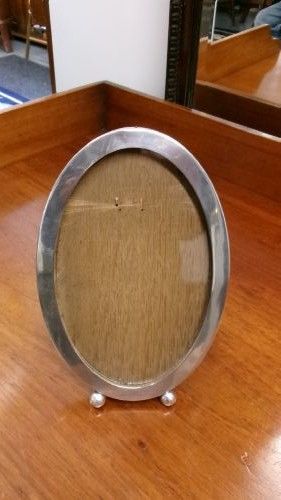


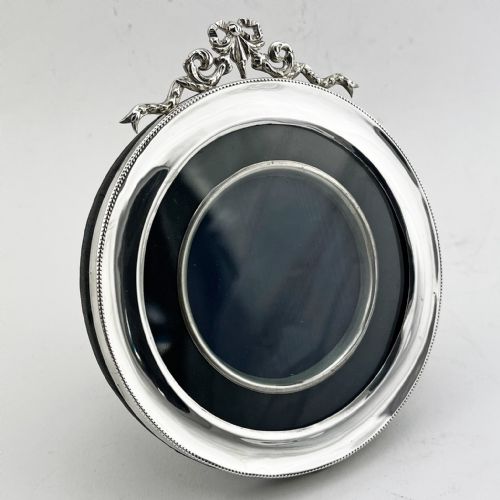
Silver Standing Picture Frame
A silver standing picture frame holds a cherished portrait while introducing precious metal and glass to a dressing table or desk.
Silver Standing Picture Frame
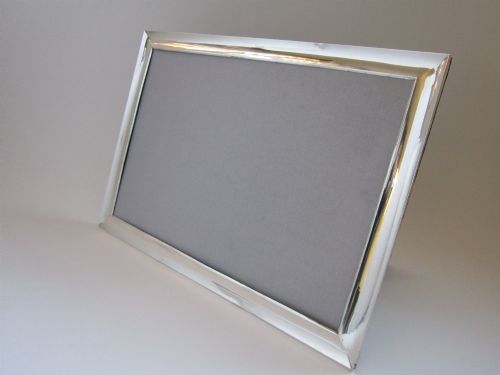
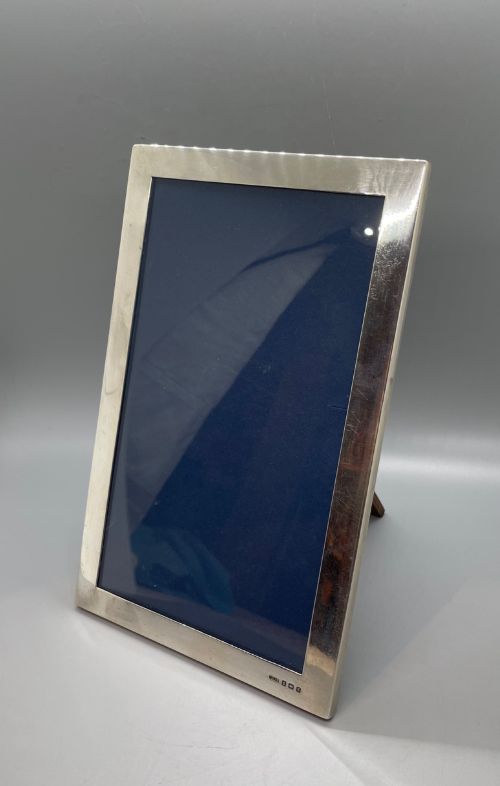
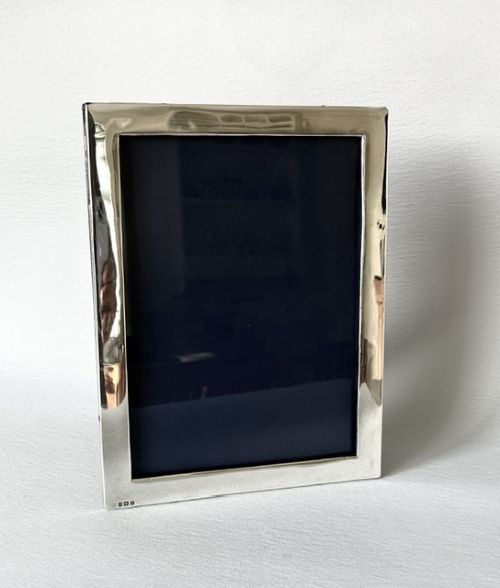
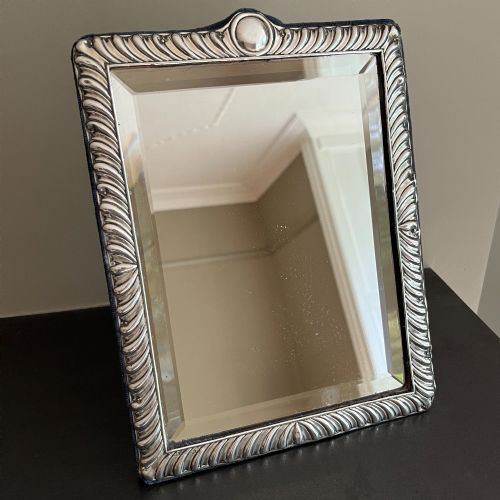
A silver standing picture frame is designed to display photographic portraits or mirrors upright on a flat surface using a rear support strut. The pieces catalogued here span from the late nineteenth century through the Edwardian era and into the modernist designs of the 1930s.
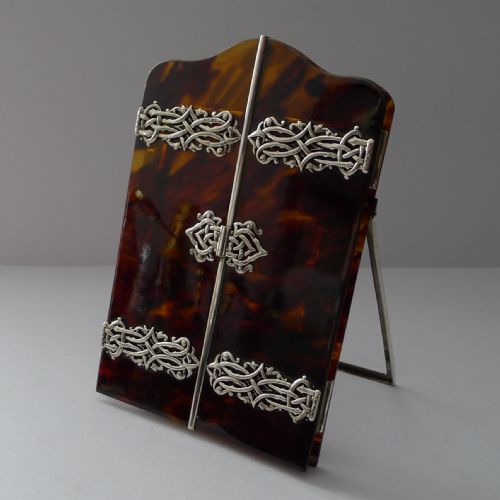
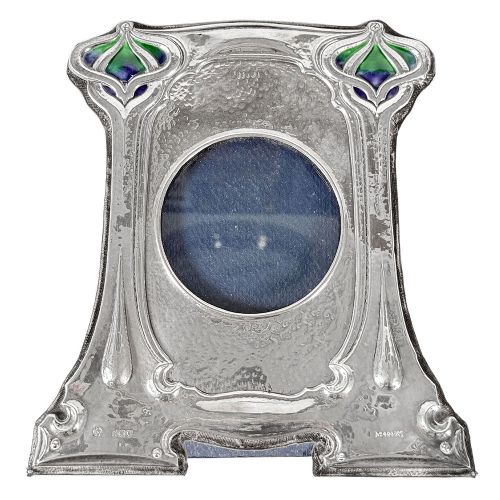
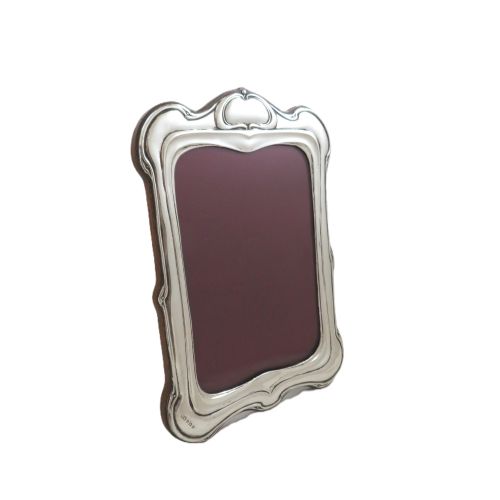
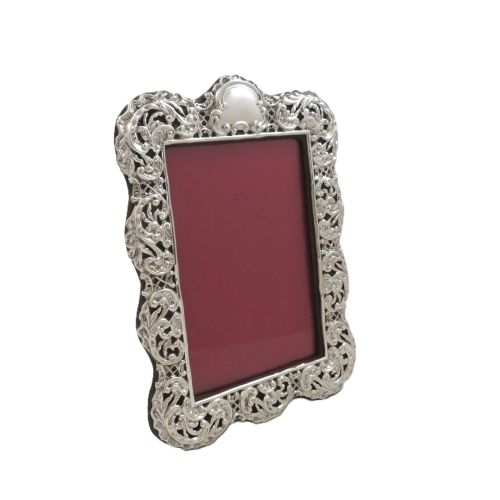
The Edwardian period contributes heavily to the selection, bringing floral embossed borders, oval shapes, and organic Art Nouveau motifs alongside plain polished silver. Victorian examples introduce tortoiseshell mounts and rich embossing, while later pieces reflect the clean lines of Art Deco chrome and nickel-plated silver.
Materials and construction
Sterling silver sheets are stamped, embossed, or engine-turned to create patterned borders, then mounted around a central glass panel. These metal fronts are supported by wooden backs, often covered in black leather, fabric, or velvet, which hold the strut in place.
Art Deco iterations shift toward chrome, nickel-plated silver, and glass combinations, while specialised makers incorporate enamel details or tortoiseshell inlays into the primary silver frame structure.
Silver Standing Picture Frame Retail Price Guide 2026
Typical asking prices for silver standing picture frame among the pieces listed under this phrase on Sellingantiques today, from the lower quarter to the upper quarter. They describe what is for sale here now, not the wider market.
Periods represented include the Victorian era, Edwardian period, George V reign, and the 1930s Art Deco movement.
Judging quality
Quality rests in the crispness of the chased or embossed decoration and the weight of the sterling silver sheet. Deeper relief work and heavier gauge metal distinguish finer workshops from simpler commercial production.
The integrity of the backing materials matters greatly, with original leather or velvet backs and functioning wooden struts indicating a well-preserved piece. The retention of clear hallmarks on the silver border confirms the origin and date of manufacture.
William Hutton and sons·Pinci Roma·Syner and Beddoes·William Comyns
The Silver Standing Picture Frame Glossary
- Hallmark
- Official stamps pressed into precious metal to indicate purity, the assay office, and the date of making.
- Strut
- The hinged rear leg that allows a frame to stand upright on a table or mantelpiece.
- Engine-turned
- A decorative technique involving precise geometric patterns engraved into the metal surface by a machine.
- Embossed
- Raised ornamentation hammered or pressed into the front silver sheet from behind.
- Tortoiseshell
- The mottled shell of certain turtle species used historically as an inset contrasting material against sterling silver mounts.
Silver Standing Picture Frame: Frequently Asked Questions
How do I clean a silver standing picture frame?
Use a soft cloth and a gentle silver polish, taking care to avoid the glass and any fabric or leather backing.
Keep polish away from embossed crevices and inset materials like tortoiseshell to prevent staining.
Are these frames meant for wall hanging?
These pieces are designed as standing frames, utilising a rear strut to rest upon tables or desks.
They rely on gravity and the support leg rather than suspension rings for display.
How can I tell an Edwardian frame from a Victorian one?
Victorian examples often feature heavier, darker embossed work and tortoiseshell combinations.
Edwardian pieces lean toward lighter floral borders, oval silhouettes, and distinct Art Nouveau curves.
What backs are original to these frames?
Original backs typically consist of wood covered in black leather, fabric, or velvet, paired with a hinged wooden or metal strut.
Replacements are common due to wear over a century of use.