


Silver Spoon Presentation Box
These silver spoon presentation box pieces house precious cutlery, offering tailored protection and elegant display for cherished gifts.
Silver Spoon Presentation Box
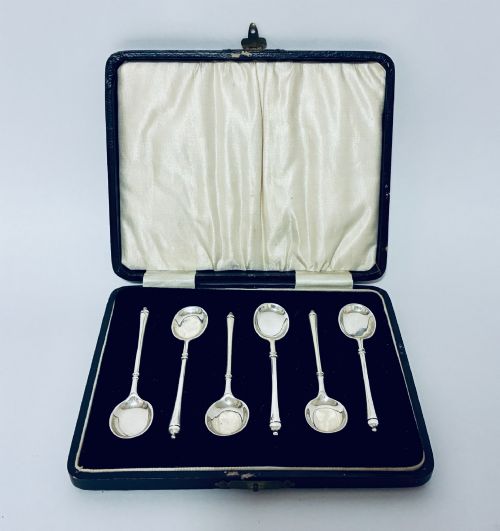
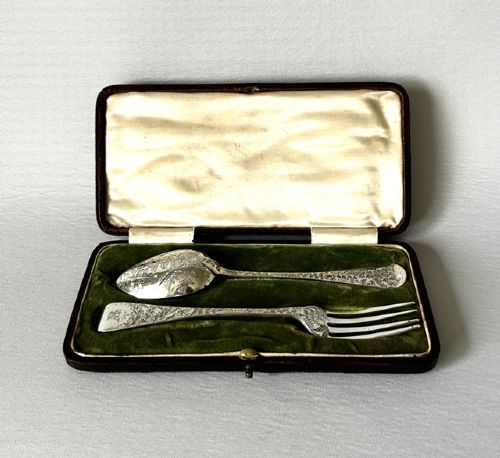
A silver spoon presentation box protects individual spoons, sets, or christening cutlery inside fitted compartments. These items span Victorian, Edwardian, and later periods, often taking the form of dedicated cases for single pieces or matched sets.
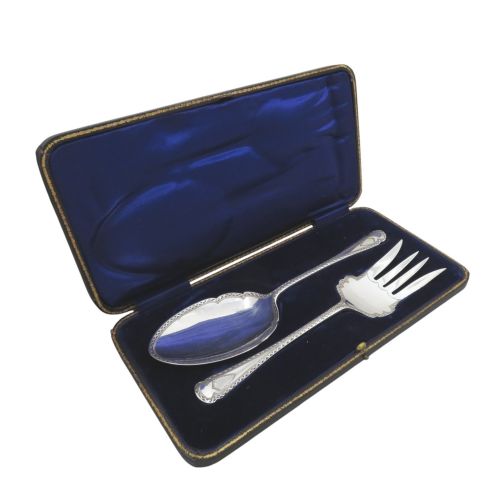
Buyers encounter fitted containers lined for display, housing items such as coffee spoons, serving spoons, and christening sets. The listings show a strong presence of Victorian and Edwardian examples designed to showcase silverware securely.
Origins include English workshops and Dutch continental pieces, encompassing standalone boxes with tortoiseshell or leather exteriors as well as complete fitted sets. Each enclosure serves the dual purpose of safe storage and formal presentation.
How they were made
Exterior construction relies on materials such as leather, leatherette, and tortoiseshell, providing a rigid outer shell to shield the contents. Artisans shaped these protective housings to follow the specific contours of the silverware within.
Interiors feature plush linings of velvet, silk, or satin, meticulously fitted to cradle each spoon, fork, or knife. These soft fabrics prevent movement and surface friction while the box remains closed.
Listings feature items dated across the Victorian, Edwardian, and Art Deco periods, utilising materials like velvet, silk, and tortoiseshell.
What varies in quality
Quality shows in the precision of the internal lining and the durability of the exterior materials, distinguishing bespoke fitted boxes from simpler mass-produced variants. Finer examples maintain pristine fabric interiors and robust hinges that secure the lid firmly.
The sophistication of the outer casing, whether fine leatherwork or detailed tortoiseshell construction, marks the distinction between standard storage and high-tier presentation pieces.
Robert Stebbings·George Unite
The Silver Spoon Presentation Box Glossary
- Sterling Silver
- A standard alloy consisting of silver and other metals to increase durability. This material appears frequently across the fitted spoons and flatware found in these cases.
- Christening Set
- A commemorative collection of cutlery given to mark a baptism. These sets often include specialised spoons housed in dedicated presentation boxes.
- Leatherette
- A synthetic material mimicking the appearance and texture of leather. Manufacturers utilised this substance for durable box exteriors.
- Cobalt Glass
- A deep blue glass used in containers such as open salts. It provides a striking visual contrast when paired with silver spoons in fitted presentation sets.
Silver Spoon Presentation Box: Frequently Asked Questions
What is a silver spoon presentation box?
A silver spoon presentation box is a fitted container designed to store and display specific cutlery items safely. These enclosures protect the silver from tarnish and physical damage while offering an attractive way to present gifts.
Most examples feature a hard exterior covered in leather or tortoiseshell, paired with a soft interior lining of silk, velvet, or satin. They range from single presentation containers to multi-piece sets containing serving cutlery or coffee spoons.
How do I date these boxes?
Dating relies on stylistic clues, materials, and accompanying hallmarks found on the silverware inside the case. Victorian and Edwardian pieces exhibit distinct exterior finishes and interior fabric choices typical of their respective decades.
Examining the hinges, clasp mechanisms, and lining styles helps narrow down the manufacturing period. Hallmarks on the enclosed silver provide the most definitive chronological markers.
How should I clean the interior lining?
Cleaning velvet, silk, or satin linings requires gentle methods to avoid damaging delicate vintage fabrics. Light dusting with a soft, dry brush usually removes surface particles safely.
Moisture and chemical cleaners should be avoided, as liquids can stain the fabric and warp the underlying structure of the box. Professional textile conservation is recommended for heavily soiled interiors.
Were these boxes always sold with spoons?
Many presentation boxes were manufactured specifically to house the exact spoons or flatware sets they currently contain. The fitted interior compartments were custom-shaped for specific cutlery pieces.
Some standalone boxes survive without their original contents, while others retain their complete matched sets from makers such as George Unite or Robert Stebbings.