



Silver Ring Dish
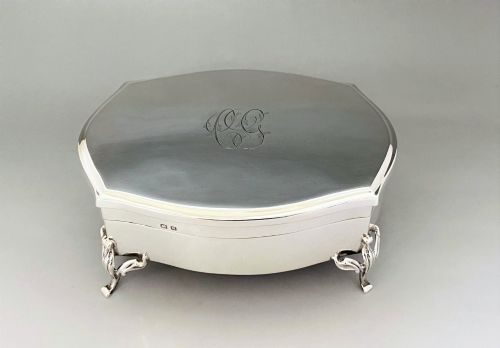
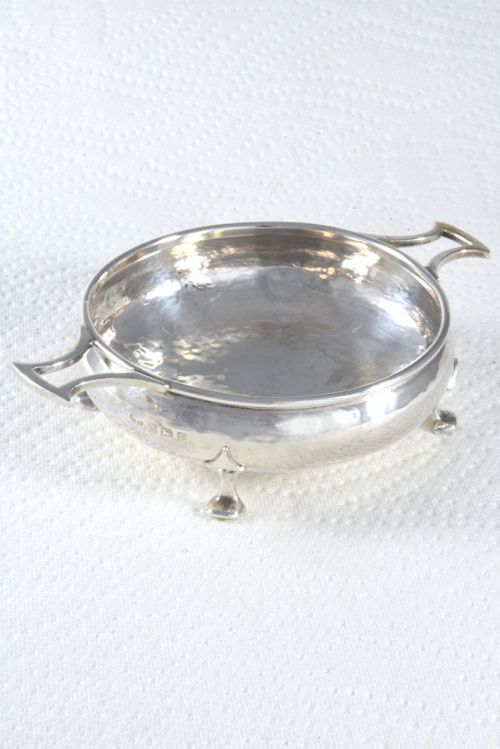
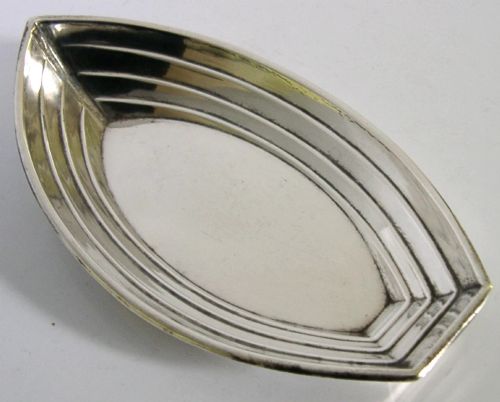
When you search for a silver ring dish, you are looking at small vessels and stands designed to safely hold rings and trinkets.
Silver Ring Dish
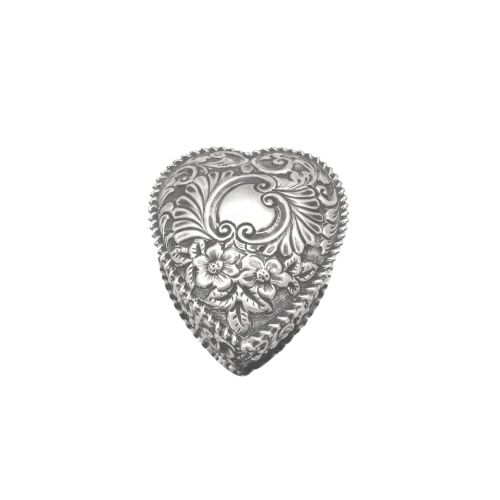
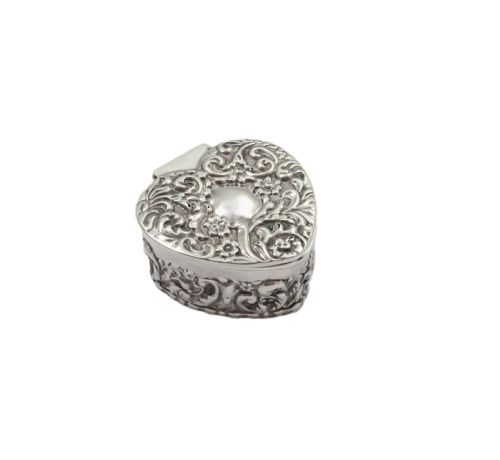
When you search for a silver ring dish, you encounter a variety of forms including dedicated ring trees, small pin trays, heart-shaped trinket boxes, and larger dish rings.
The pieces on this page span several eras from the eighteenth century through the Edwardian and Victorian periods up to the mid-twentieth century.
You are most likely to meet small Edwardian ring trees and Victorian sterling silver pin trays or heart-shaped boxes while browsing these listings.
Materials and Construction
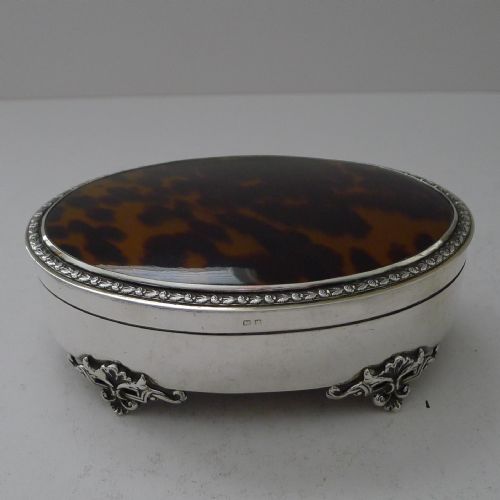
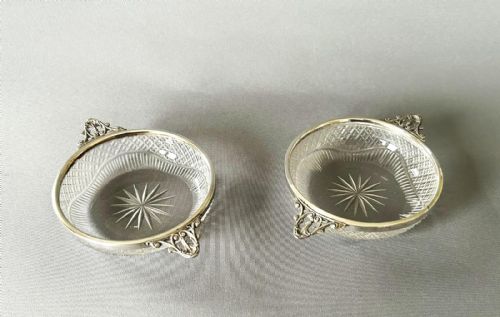
The items are constructed from sterling silver, silver plate, and old Sheffield plate, occasionally combined with copper, tortoiseshell, cut glass, or cobalt blue glass.
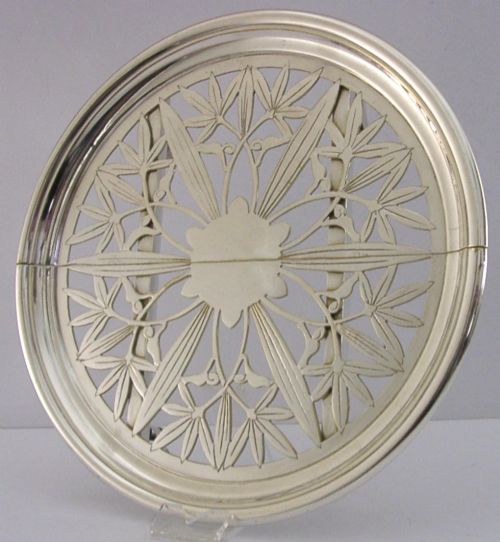
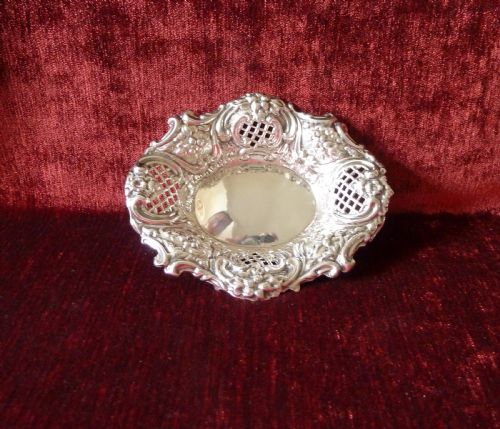
Manufacturing techniques include piercing, repoussé relief work with cherubs or animals, and mounting glass liners within silver frames.
Among the small silver items are novelty pieces shaped like rowing boats and traffic lights.
Evaluating Quality
Quality rests upon the crispness of the chased or pierced decoration, such as the detailed relief on dish rings and heart boxes.
The weight of the metal and the integrity of any fitted glass or tortoiseshell components distinguish standard production items from finer workshop pieces.
Wallace·Christofle·William Neale And Sons·Henry Williamson Ltd·Nathan And Hayes·Carrington And Co·James Hennell·Hermes Paris
The Silver Ring Dish Glossary
- Ring tree
- A vertical post mounted on a small dish designed specifically to hold rings on its stem. These pieces became particularly popular during the Edwardian period.
- Dish ring
- A pierced or openwork cylindrical stand, often called a potato ring, traditionally used to elevate bowls on a dining table. They frequently feature elaborate repoussé scenes.
- Old Sheffield plate
- A composite material made by fusing a layer of silver to a copper base prior to shaping. This technique predates modern electroplating.
- Pin tray
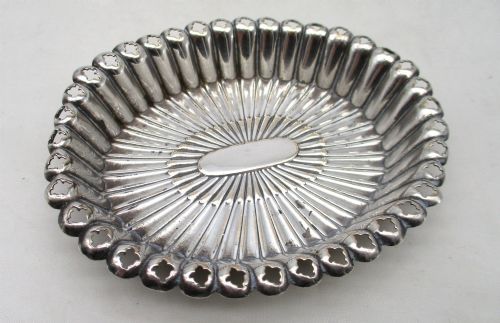
- A shallow rectangular or oval dish intended for holding pins and small trinkets on a dressing table. They often bear hallmarks for major assay offices like Birmingham and London.
Silver Ring Dish: Frequently Asked Questions
What is a silver ring tree used for?
A ring tree provides a vertical upright stem where rings can be safely slipped off fingers and stored when not being worn. The surrounding dish catches smaller loose items like earrings and pins.
These pieces were staples of the dressing table, keeping valuable daily jewellery organised and within easy reach.
How do I identify an Edwardian piece?
Edwardian items typically display hallmarks corresponding to the reigns between 1901 and 1910, often featuring delicate floral motifs or specific structural forms like ring trees.
Makers working in this era frequently utilised crisp stamping and pierced techniques derived from earlier styles while maintaining a lighter aesthetic.
What distinguishes a dish ring from a standard bowl?
A dish ring is an open-ended, spool-shaped band rather than a solid-bottomed vessel, designed to sit on a surface as a stand or decorative collar.
Originating largely in silver and silver plate, they often feature pierced latticework or chased pastoral and musical scenes.
How should I clean silver with tortoiseshell?
Silver components require a specialist polish applied carefully to avoid touching organic elements like tortoiseshell or glass inserts. Gentle wiping with a dry microfiber cloth maintains the surface of the shell.
Immersion in liquid silver dip must be avoided entirely when dealing with fitted pieces containing organic materials or glued components.