

Silver Plated Table Centerpiece
A silver plated table centrepiece anchors a dining table with height, candlelight or structured floral displays, bringing period presence to a room.
Silver Plated Table Centerpiece
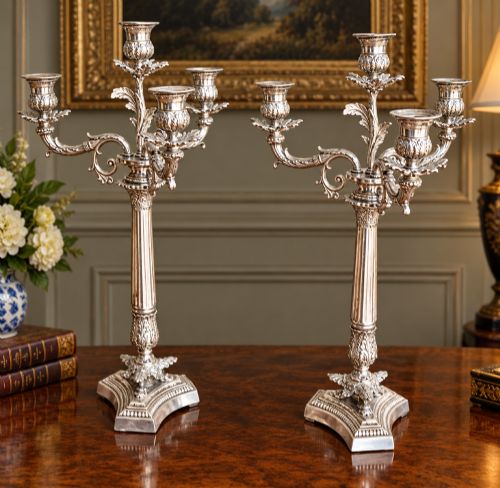
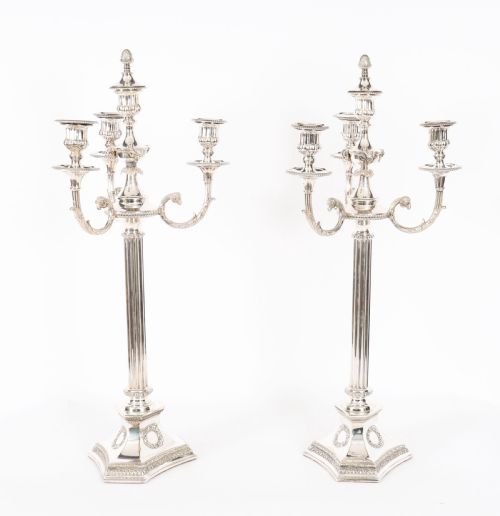
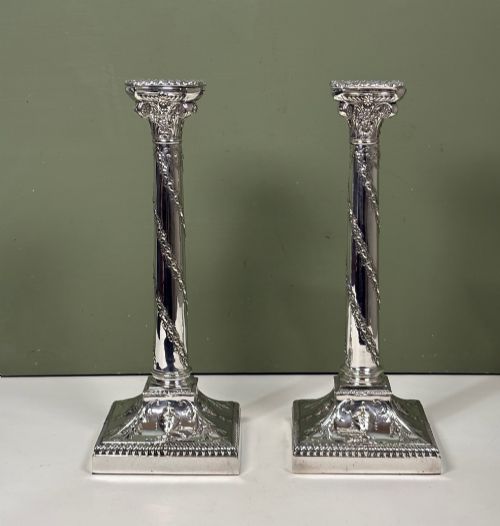
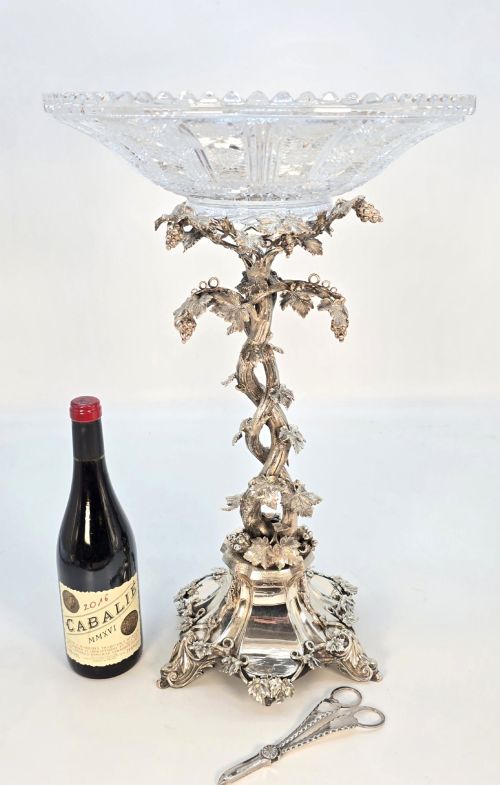
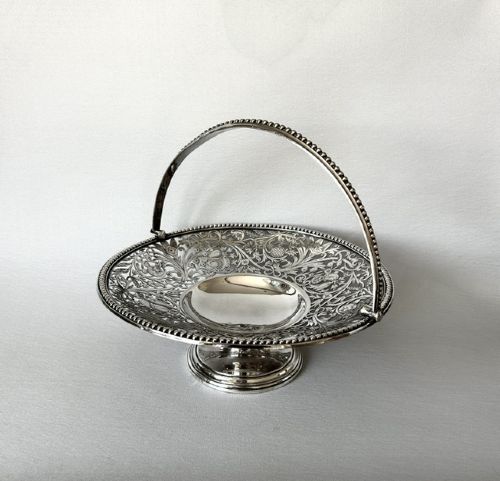
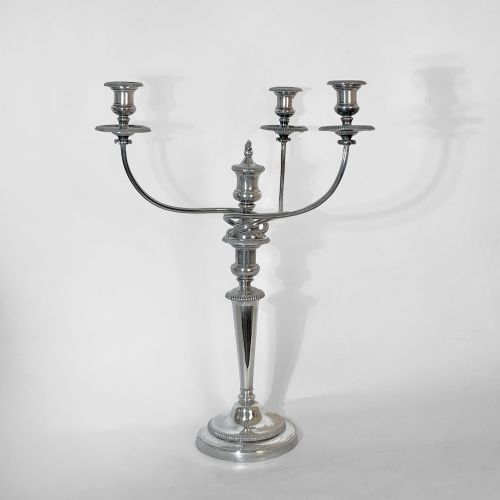
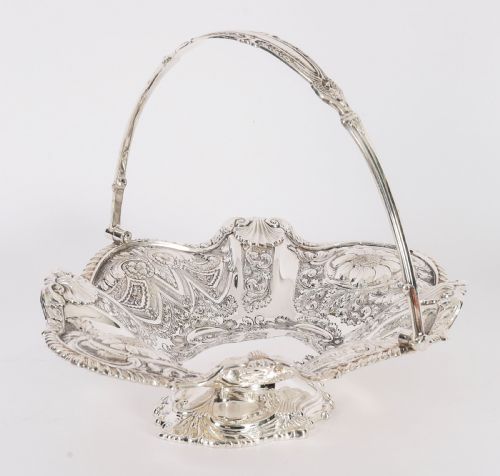
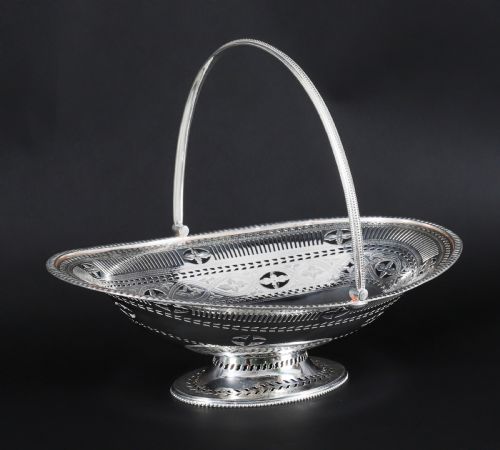
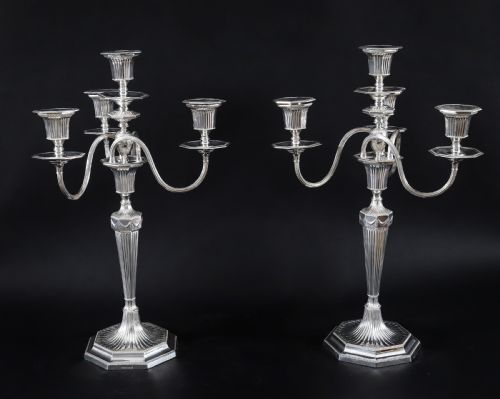
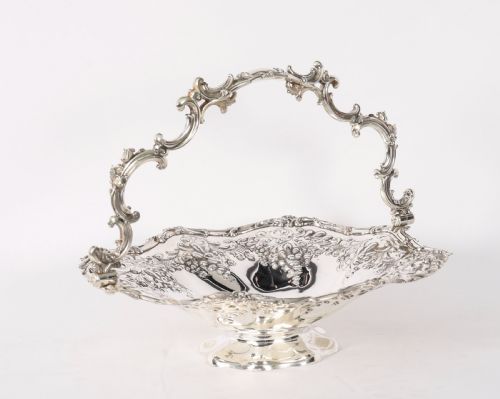
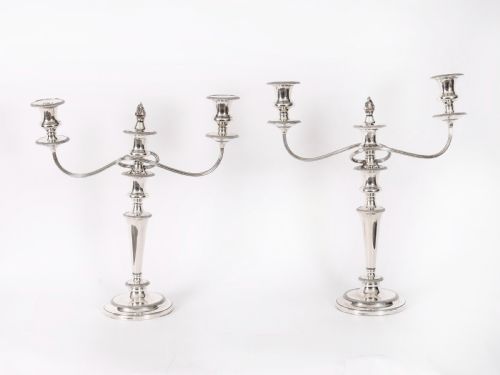
A silver plated table centrepiece brings a commanding presence to a dining table, uniting function and display through elaborate metalwork, glass liners and tiered lighting. These dramatic items range from towering multi-light candelabras and spreading epergnes to pierce-work fruit baskets and decorative dishes designed to dominate the centre of a formal table.
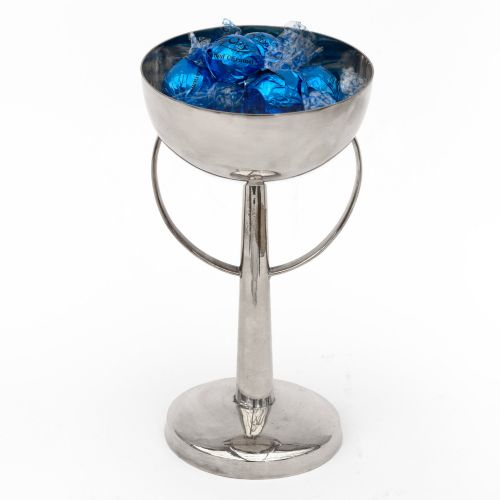
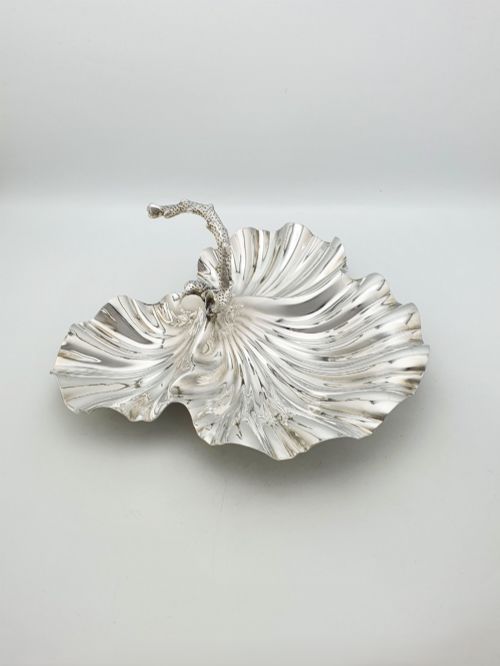
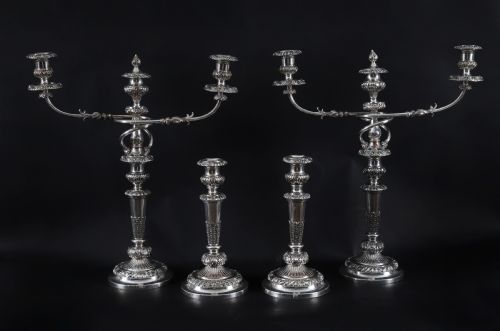
On this page, buyers meet examples spanning the eighteenth, nineteenth and early twentieth centuries, drawing on Georgian, Victorian, Edwardian and Art Nouveau aesthetics. Pieces incorporate diverse forms including nautilus shell spoon warmers, figural pheasant models, low bonbon dishes and sweeping candelabra suites.
Origins stretch across English workshops in Sheffield and London alongside continental makers, utilising base metals layered with silver. The grouping includes Old Sheffield Plate creations alongside later electroplated nickel silver and standard silver plate items.
How they were made
Makers fused thin sheets of silver to heavier copper bodies in early Old Sheffield Plate pieces, or applied silver coatings electrolytically onto base metals like nickel silver in later electroplated wares. This plating was combined with cast, stamped or pierced decorative elements to build up complex structural forms.
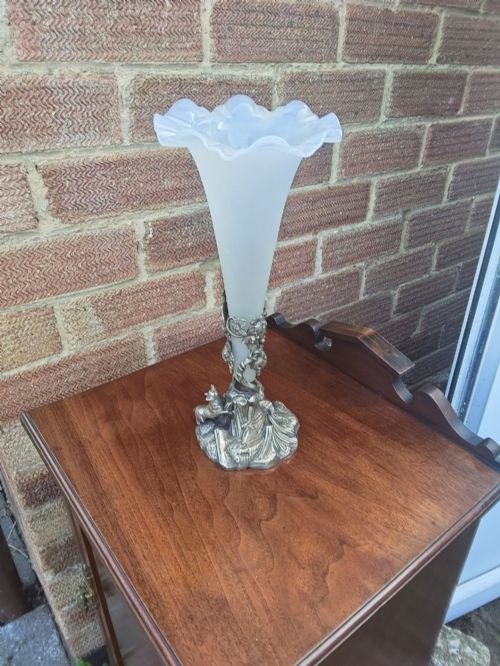
Vessels incorporated cut glass, ruby glass, amber glass, opaque glass and green vaseline glass inserts held within pierced or wirework metal frames. Hand-chasing, repoussé work, and applied floral or classical motifs added texture and depth to the metal surfaces.
Victorian diners enjoyed elaborate silver-plated spoon warmers shaped like resting pheasants, nautilus shells and coiled sea-creatures to keep their dining implements comfortably heated.
What varies in quality
Quality rests in the crispness of the chased or repoussé detail and the structural integrity of complex multi-light frames and pivoting joints. Superior examples maintain their underlying metal layers without heavy copper telegraphing through worn silver, and retain their original matched glass inserts rather than modern replacements.
Design ambition separates standard commercial production from exceptional studio outputs, seen in balanced proportions, heavier gauge metals, and sculptural elements such as cast figural handles or naturalistic coral and palm motifs.
George W. Scott & Sons Ltd·Hawksworth Eyre·Garrard & Co·Matthew Boulton·Mappin & Webb·WMF
The Silver Plated Table Centerpiece Glossary
- Old Sheffield Plate
- An early composite material made by fusing a thin sheet of silver to a copper core before shaping. This technique creates a distinctive edge where the copper base metal occasionally shows through.
- EPNS
- Electroplated Nickel Silver, a durable base alloy introduced during the nineteenth century that received a thin coating of pure silver through an electrical bath. It forms the foundation of most later Victorian and Edwardian tableware.
- Candelabra
- A branched lighting fixture designed to hold multiple candles, often engineered with removable arms so the main shaft functions as a single candlestick. These form the architectural centrepieces of formal dining settings.
- Repoussé
- A metalworking technique where the artisan hammers and pushes the design from the reverse side to form raised relief patterns on the surface. This method creates tactile floral and scroll borders on baskets and dishes.
- Epergne
- A tiered table centrepiece featuring a central trumpet or basket surrounded by smaller hanging baskets or arms for fruit, sweetmeats or flowers. They frequently incorporate coloured or cut glass liners to catch the light.
Silver Plated Table Centerpiece: Frequently Asked Questions
What is the difference between Old Sheffield Plate and later silver plate?
Old Sheffield Plate uses a mechanical fusion method where a sheet of silver is bonded to copper by heat and pressure. Later silver plate relies on an electrical current to deposit a silver coating onto a nickel or white metal alloy base.
Items made by the earlier fusion method often reveal a warm copper line along exposed edges and high points with age and use. Electroplated items generally show a more uniform silvery surface unless the plating has worn down completely to the grey base metal.
How were centrepieces used on historical dining tables?
Large centrepieces held fruit, sweetmeats or floral arrangements while also providing ambient illumination through attached candle arms. They served as the visual focal point of the table during long, multi-course dining rituals.
Specialist vessels such as spoon warmers or cruet sets sat alongside these main pieces to assist diners during the meal. Their ornate designs reflected the host's social standing and taste during formal gatherings.
How do I care for silver plated centrepieces?
Clean these items gently using a non-abrasive silver polish and a soft cloth to preserve the thin metal coating over the base alloy. Avoid harsh scrubbing on raised repoussé details and engraved crests where the plating may be thinner.
Glass inserts should be washed separately in lukewarm soapy water rather than submerged with the metal frame, particularly if the glass is antique cut or coloured glass.
How can I distinguish Victorian pieces from Georgian ones?
Georgian items often display the restrained symmetry of Neoclassical or Regency design, with crisp lines and heavier Old Sheffield plate construction. Victorian pieces frequently embrace ornate naturalism, Rococo revival curves, heavy cast ornament and later electroplating techniques.
Looking at the construction of joints, the weight of the metal and any accompanying registry or maker's marks helps narrow down the production era.