



Silver Plated Dish Cover
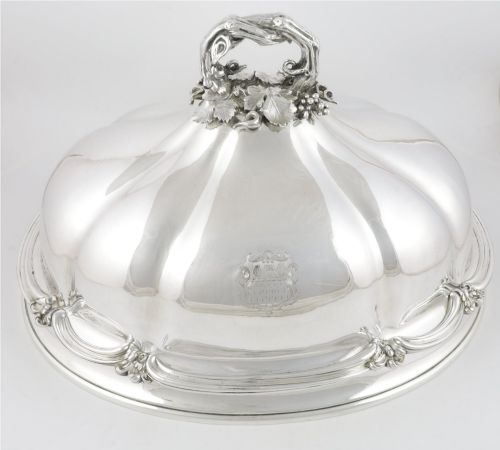
A silver plated dish cover keeps food warm at the table while bringing substantial period weight to a dining room.
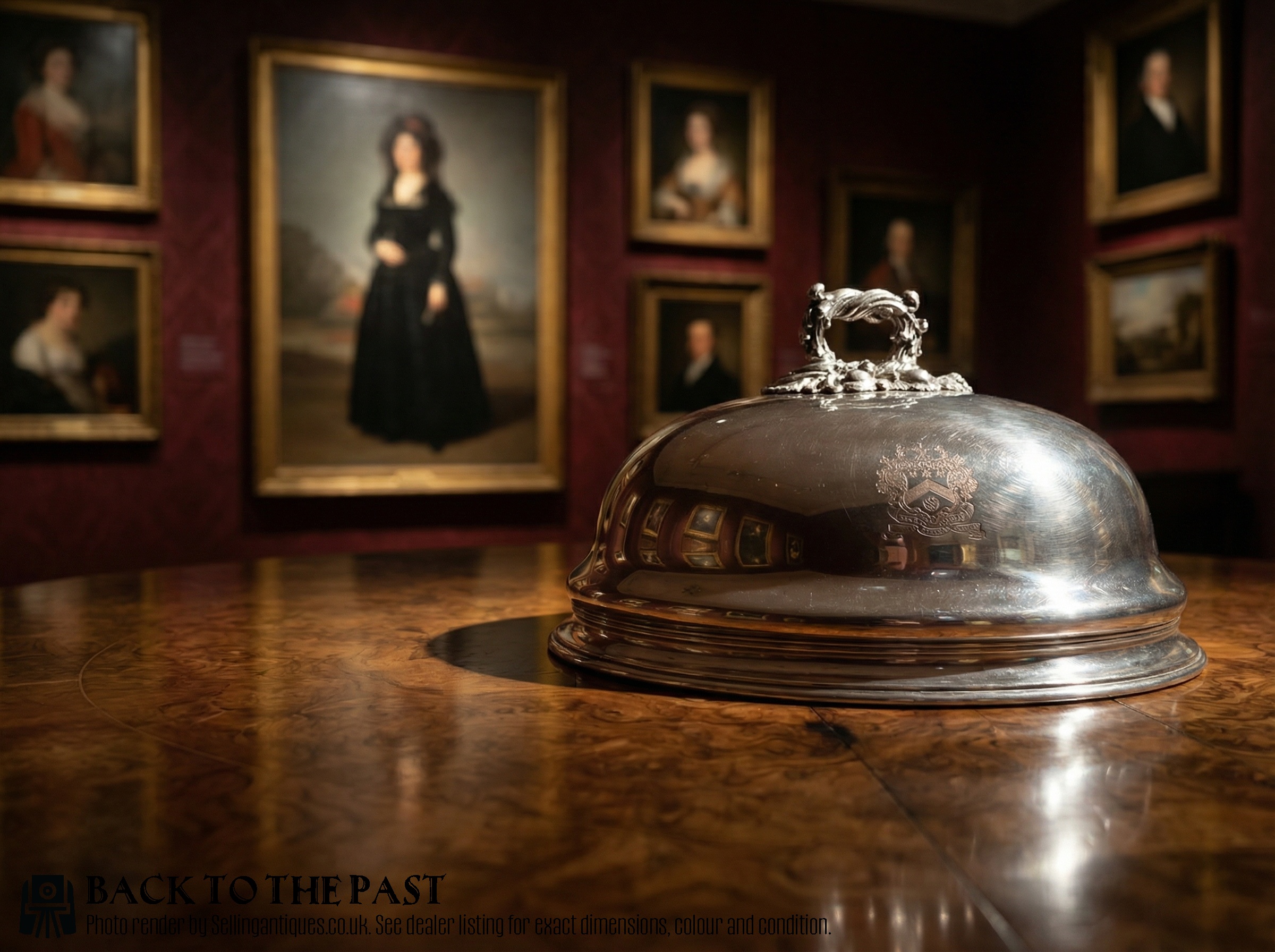
Silver Plated Dish Cover
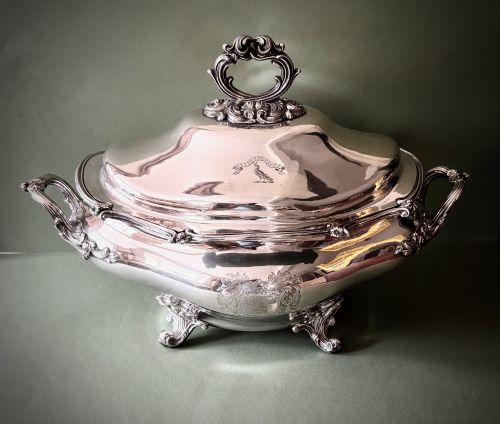
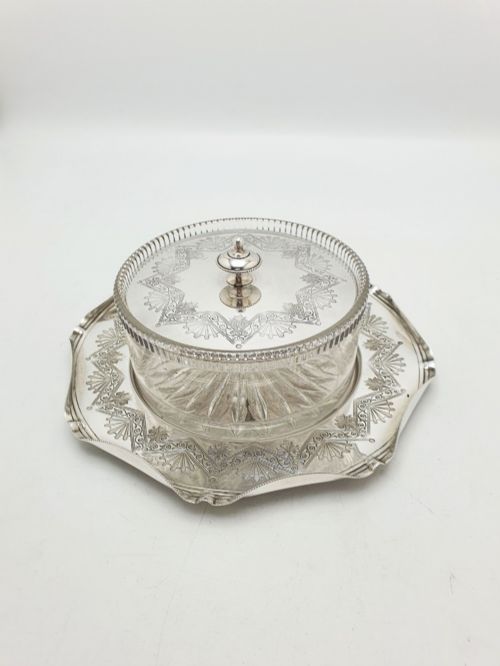
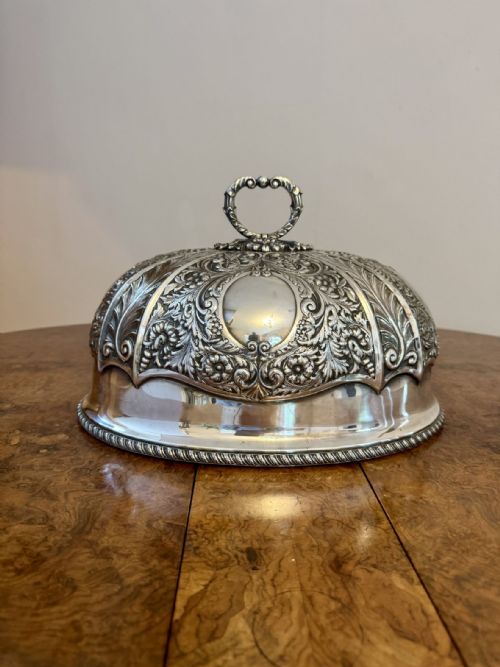
A silver plated dish cover encompasses large meat domes, tall game covers, rectangular or oval entrée dishes, and lidded tureens spanning the Georgian, Victorian, Edwardian, and Art Deco periods. Buyers seeking a silver plated dish cover will encounter deep serving dishes with glass liners, cheese dishes, and warming dishes alongside grand table domes.
The assortment on this page reflects centuries of formal dining, originating in early Old Sheffield Plate and evolving through nineteenth-century electroplating down to twentieth-century designs. Form follows function, ranging from small butter dishes to heavy meat covers intended for grand roasts.
Materials and methods of construction
Early pieces utilise Old Sheffield Plate, a process fusing a thin sheet of silver to a thicker copper base, often revealing subtle copper bleed along exposed edges and seams. Later items employ electroplated nickel silver, commonly known as EPNS, depositing a silver coating over a base metal alloy using electricity.
Makers shaped copper and base metal alloys through hammering, rolling, and soldering, applying cast handles, finials, and applied borders. Glass liners appear inside butter and cheese dishes, combining transparent vessels with plated metal domes.
Listings feature items spanning the Georgian, Victorian, Edwardian, and Art Deco eras, constructed from silver plate, Old Sheffield Plate, copper, and glass.
Factors determining quality
Quality rests in the weight of the underlying metal, the crispness of cast handle details, and the intactness of the silver layer over copper or nickel silver. Superior examples maintain balanced proportions, sturdy hinges or fitted lids, and crisp maker marks without excessive base metal exposure from over-polishing.
The distinction between an ordinary utility vessel and a top-tier piece lies in the depth of engraving, the robustness of the handles, and whether the maker fused Old Sheffield Plate or utilised early electroplating with thick silver deposits.
Roberts Cadman·Henry Wilkinson·Mappin and Webb·Hamilton and Inches·Boulton·Daniel and Arter·Dan Holy·Walker and Hall·Elkington·Cresswick·Christofle·Gallia·Hukin and Heath·Atkin Brothers
The Silver Plated Dish Cover Glossary
- Old Sheffield Plate
- A method of fusing silver to a copper core before rolling into sheets, practiced before the invention of electroplating. Edges frequently show thin lines of underlying copper.
- Electroplated Nickel Silver
- A base metal alloy of copper, nickel, and zinc coated with a layer of silver via an electrolytic process, often abbreviated as EPNS. This technique replaced Old Sheffield Plate during the nineteenth century.
- Entree Dish
- A shallow serving vessel with a removable lid, used for presenting courses at formal dinners. These often feature rectangular or oval shapes with decorative handles.
- Meat Dome
- A large, domed cover designed to fit over a platter of meat to retain heat. They frequently include sturdy looped handles for lifting.
- Cloche
- A bell-shaped dish cover used to maintain food temperature at the table. The term derives from the French word for bell.
Silver Plated Dish Cover: Frequently Asked Questions
How can I tell Old Sheffield Plate from EPNS?
Examine the edges and high points of the piece under a magnifying glass to look for the reddish hue of copper shining through the silver surface. Old Sheffield Plate displays this characteristic copper bleed, whereas EPNS reveals a dull grey nickel or brass base metal when the plating wears thin.
Old Sheffield Plate pieces also tend to feel heavier and show a hand-finished construction with visible seam lines. Electroplated items often bear specific nineteenth-century marks indicating the use of an electrical deposition process.
Were these covers used daily?
Wealthy households utilised these heavy domes and tureens daily for formal multi-course dinners to keep roasted meats and sauces warm between the kitchen and the dining table. Servants transported them as part of elaborate tablescapes.
Over decades of service, many pieces accumulated minor surface scratches and dents from frequent polishing and handling. These signs of use demonstrate their original domestic function in period homes.
How do I display a dish cover at home?
Large meat domes and game covers look striking placed directly on sideboards, side tables, or open shelving as sculptural metalwork. Their reflective surfaces brighten dark corners of a room.
Entree dishes and tureens work well paired with their original glass liners on dining tables or in glass-front cabinets. Keeping them away from direct sunlight and damp environments prevents rapid tarnishing.