

Silver Plate Wine Cooler
A silver plate wine cooler brings immediate theatre to the dining table, combining practical bottle chilling with decades or centuries of metallurgical craft.

Silver Plate Wine Cooler
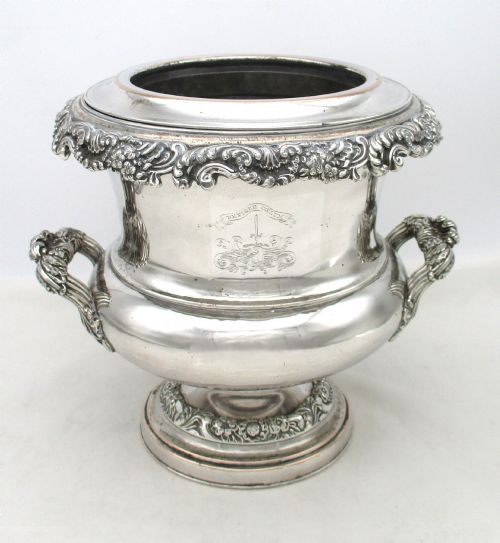
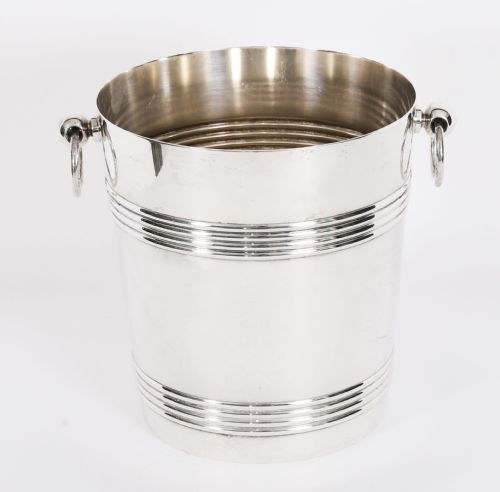
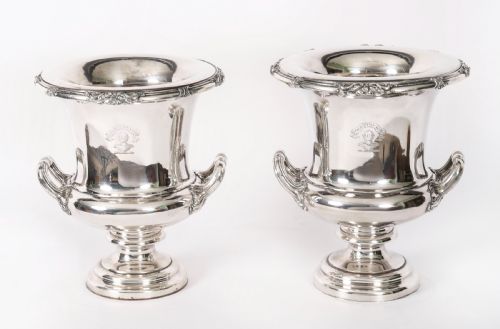
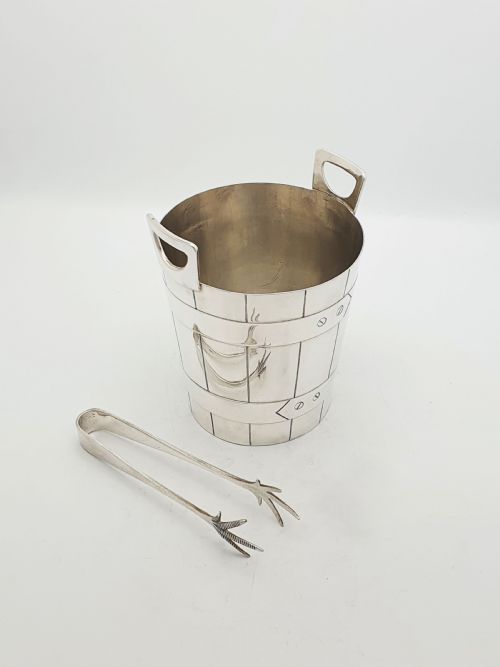
A silver plate wine cooler is designed to hold bottles at low temperatures while presenting a polished metallic surface for dining or entertaining. These pieces range from compact ice buckets to large multi-bottle vessels and floor-standing champagne coolers.
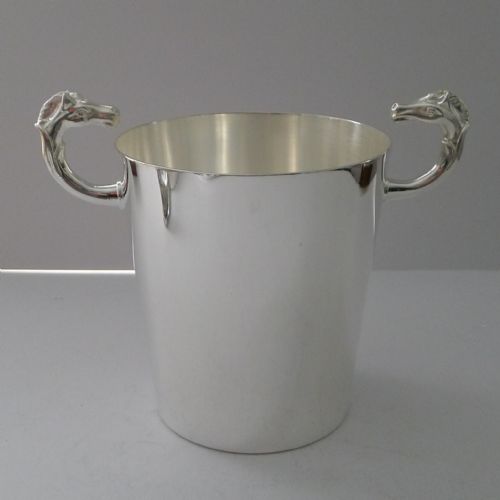
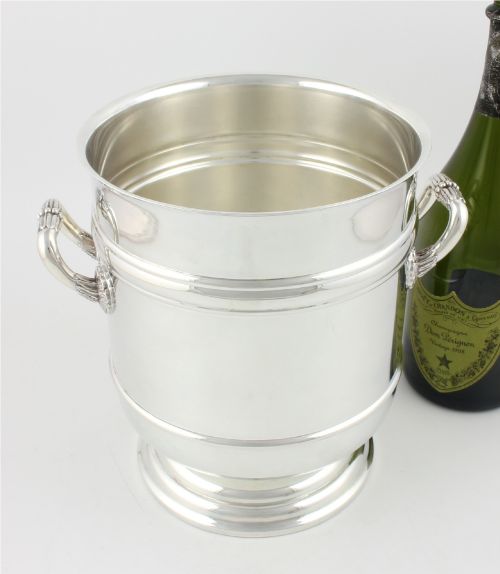
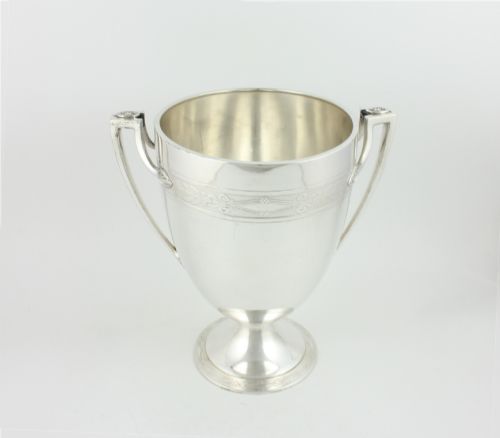
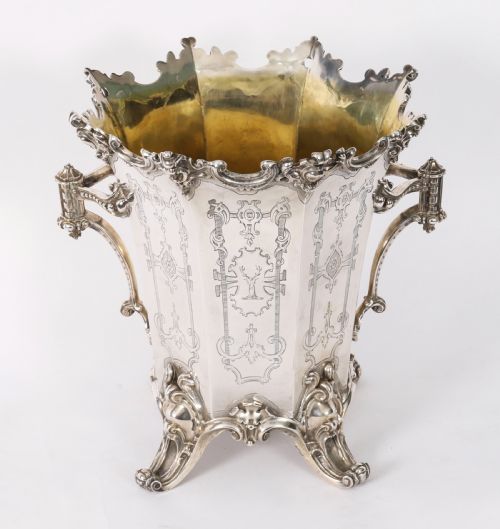
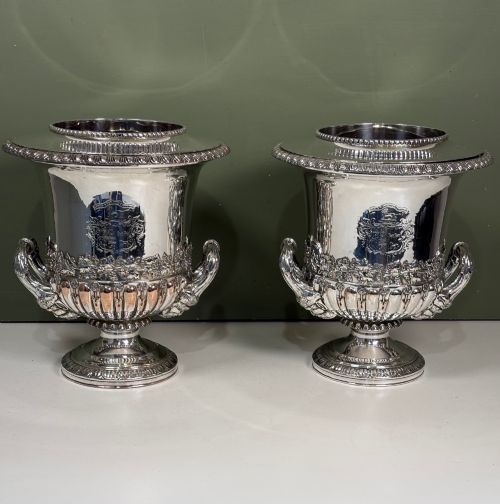
The selections available span multiple stylistic eras, from the neoclassical lines of Old Sheffield Plate through Victorian revivalism to geometric Art Deco and mid-century French designs. Buyers frequently encounter twin-handled vessels, bucket forms, and footed urns.
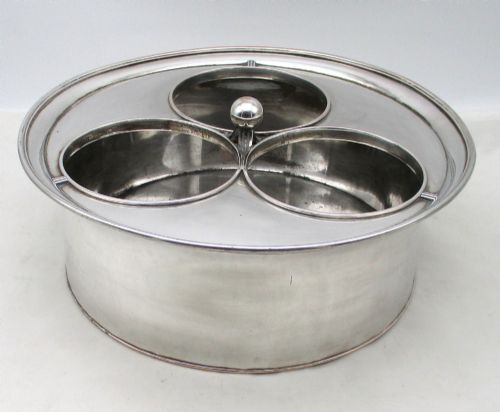
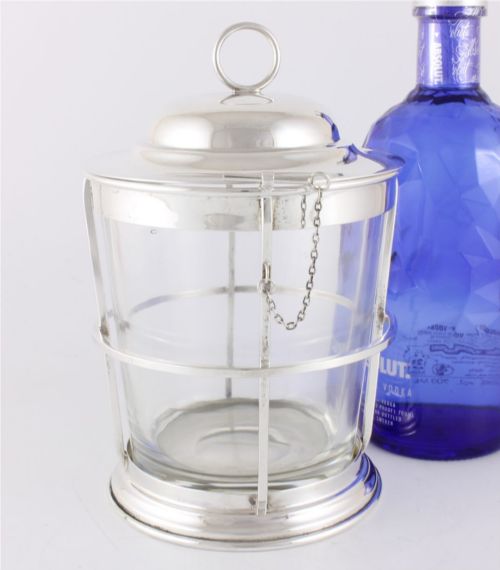
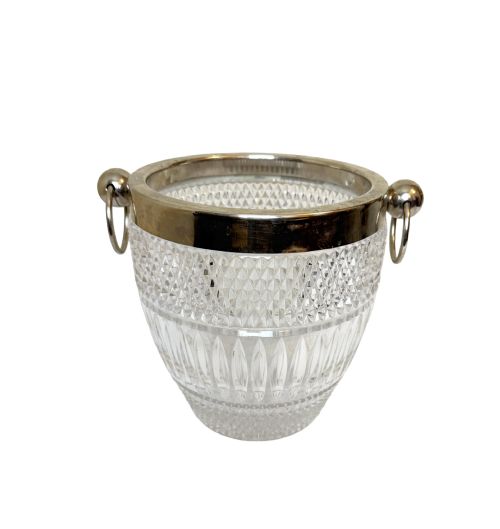
Many examples incorporate practical liners made of glass or removable metal inserts to protect the outer plating from moisture. Makers also produced specialised items including biscuit boxes, presentation bowls, and ice pails.
Materials and construction methods
Early items utilise Old Sheffield Plate, a technique involving the fusion of a thin sheet of silver onto a thicker copper ingot before rolling and shaping. This method often reveals thin lines of underlying copper where edges meet or where wear has occurred over generations.
Later manufacturing shifted towards electroplating, depositing a layer of silver onto a base metal or copper substrate using electrical current. This allowed workshops to apply heavy ornamentation, cast handles, and detailed crests with greater uniformity.
Combinations of silver plate with cut crystal glass, brass accents, and applied metal tendrils appear across Victorian and twentieth-century production. Construction frequently involves soldered joints, spun metal bodies, and cast decorative mounts.
Silver Plate Wine Cooler Retail Price Guide 2026
Typical asking prices for silver plate wine cooler among the pieces listed under this phrase on Sellingantiques today, from the lower quarter to the upper quarter. They describe what is for sale here now, not the wider market.
Listings feature items spanning the eighteenth century through the mid-twentieth century, including specialised barware, punch bowls, and floor-standing champagne buckets.
Indicators of superior craftsmanship
Quality rests primarily on the thickness of the original silver coating and the durability of the underlying metal substrate. Substantial gauge metal resists denting and maintains structural integrity during daily use.
The crispness of chased or embossed decoration distinguishes finer workshops from standard commercial production. Hand-finished details, well-fitted liners, and securely cast handles indicate higher tier manufacturing.
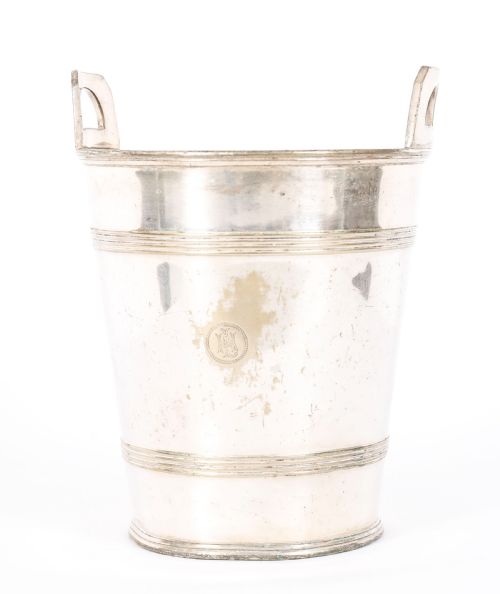
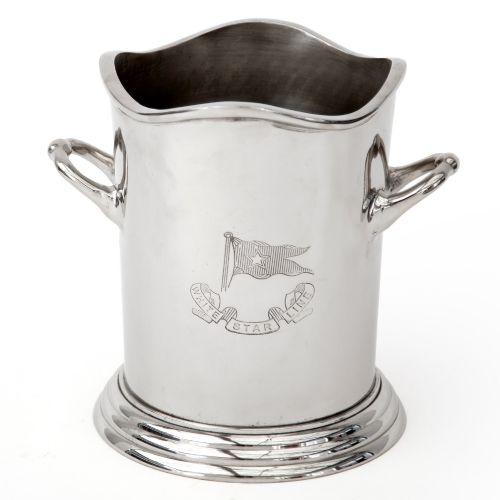
Maker marks and institutional crests provide historical context and demonstrate that an object was produced by a recognised firm or commissioned for a specific regiment, liner, or hotel.
Hutton Sheffield·Christofle·PH Vogel·Elkington, Mason & Co·Barker Ellis·WMF·Mappin & Webb·IMA·Dawson·Benjamin Smith II·Ercuis·St Medard·Barker Brothers·Puiforcat
The Silver Plate Wine Cooler Glossary
- Old Sheffield Plate
- A composite material made by fusing silver to a copper base prior to shaping, common in items from the eighteenth and early nineteenth centuries.
- Electroplate
- A process utilising electrical current to deposit a layer of silver onto a base metal object, replacing older fusion techniques during the nineteenth century.
- Campagna
- A classical urn shape featuring a flared bowl on a pedestal foot, frequently utilised for nineteenth-century wine vessels.
- Pail
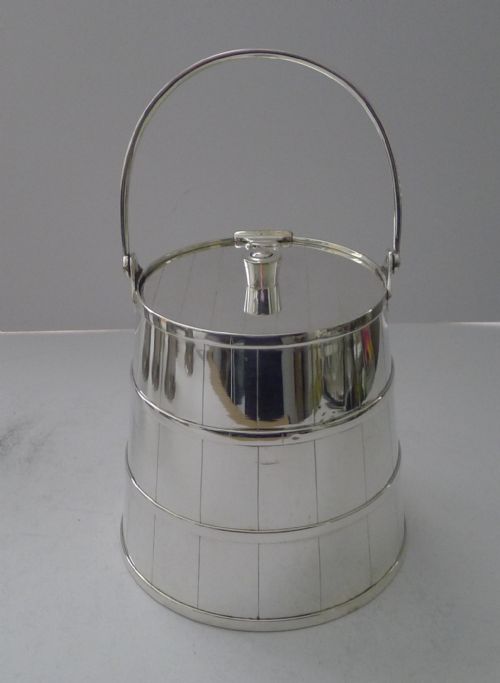
- A deep cylindrical vessel equipped with a swing handle, often utilised for holding ice or chilling individual bottles.
- Gallia
- A proprietary metal alloy and mark utilised by Christofle for high-end silver plated hollowware during the early twentieth century.
Silver Plate Wine Cooler: Frequently Asked Questions
How do I clean a silver plate wine cooler?
Wash the vessel using warm water and a mild, non-abrasive liquid soap to remove surface dirt and residue. Dry the surface thoroughly with a soft cloth to prevent water spots.
Apply a specialised silver polish only when necessary, using gentle circular motions. Avoid harsh chemical dips that can strip thin plating or damage underlying copper.
Can I use an ice bucket for everyday dining?
These vessels were engineered for practical hospitality use, making them durable enough for regular dining and entertaining. Using them for ice or chilled bottles fulfills their intended function while adding historical character to a table setting.
Ensure glass liners are handled carefully and that moisture is not left sitting inside unlined metal bodies for extended periods after use.
How do I distinguish Old Sheffield Plate from later electroplate?
Examine the rims and edges of the piece for tiny lines of reddish copper shining through the silver layer. This characteristic edge-bleed indicates the fused copper sheet method used before electroplating became standard.
Look for maker marks, as electroplated items generally feature clear manufacturer stamps while older fused pieces often display maker punches or lack marks entirely.
What is the difference between a wine cooler and an ice bucket?
Wine coolers are typically deeper or wider vessels designed to accommodate wine and champagne bottles alongside ice and water. They often feature sturdy handles for carrying heavy loads.
Ice buckets generally serve to hold ice cubes for drinks, frequently including matching tongs, internal drainer grids, or glass liners for insulation.