





Silver Plate Salt Cellar
These silver plate salt cellar pieces are charming dining table essentials that bring period elegance and character to any home.
Silver Plate Salt Cellar
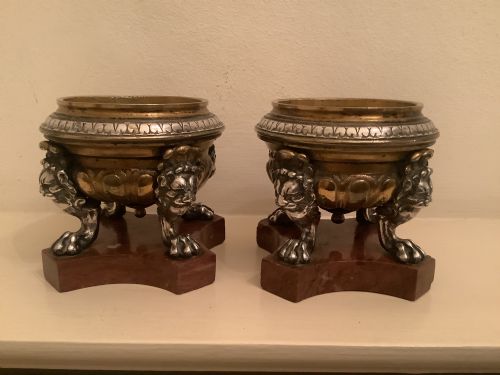
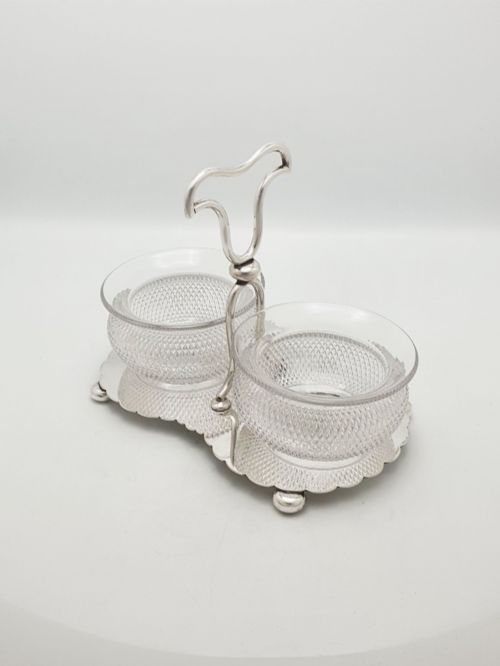
A silver plate salt cellar is a traditional table accessory designed to hold salt for dining, often accompanied by coloured glass liners or forming part of larger condiment sets. When searching for this phrase, buyers encounter various forms ranging from simple open salts to elaborate novelty designs.
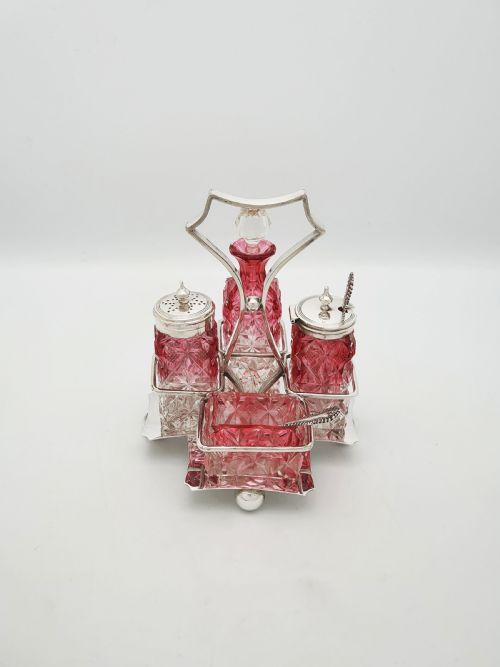
The pieces on this page span several periods, most notably the Victorian and Edwardian eras alongside later twentieth-century examples. You will frequently find pairs or sets accompanied by cranberry glass, cobalt glass, or cut glass inserts.
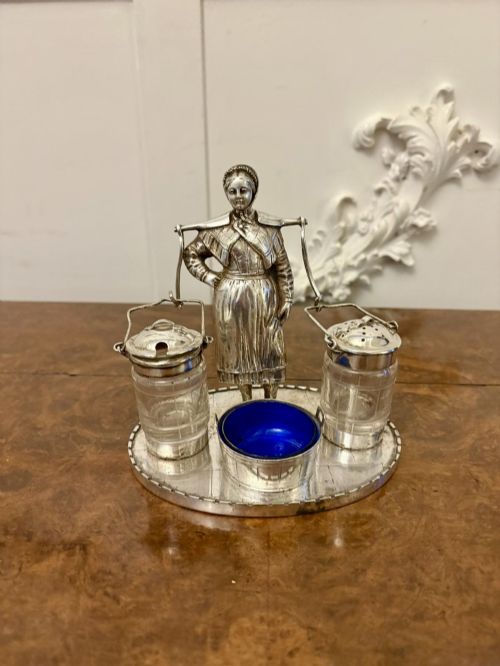
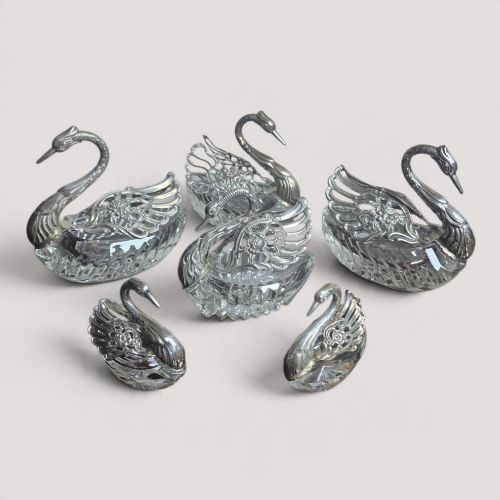
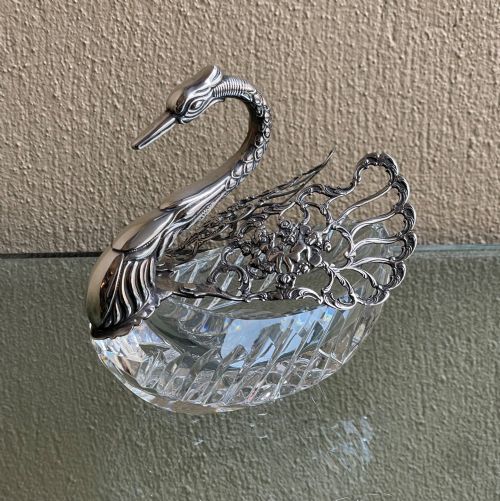
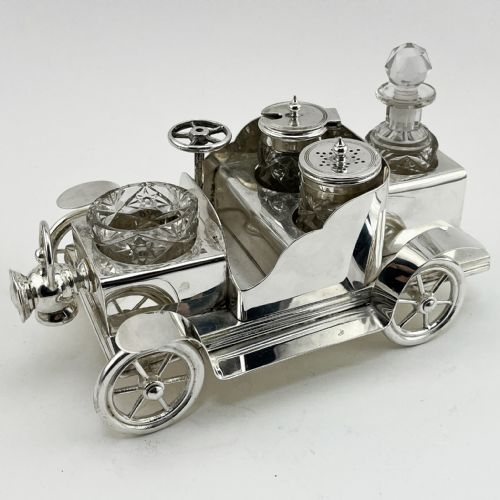
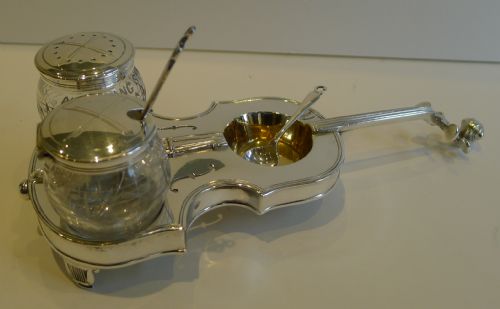
Beyond standard open salts and condiment stands, the selection includes whimsical novelty pieces shaped as cars, farmyards, carriages, eagles, and musical instruments. These diverse forms reflect the imaginative table arrangements popular during the nineteenth and early twentieth centuries.
What varies in quality
The distinction between standard items and exceptional pieces lies in the crispness of the casting and the artistry of the figural work, particularly in novelty designs such as carriages and animals. Superior examples exhibit finer detail in the chasing and engraving.
The condition and quality of the glass liners also influence the overall standard, with intact coloured glass inserts adding considerable appeal. Heavier plating and robust construction distinguish the finer domestic tableware from simpler productions.
Silver Plate Salt Cellar Retail Price Guide 2026
Typical asking prices for silver plate salt cellar among the pieces listed under this phrase on Sellingantiques today, from the lower quarter to the upper quarter. They describe what is for sale here now, not the wider market.
The Silver Plate Salt Cellar Glossary
- Silver Plate
- A base metal coated with a thin layer of silver. This technique allowed manufacturers to produce elaborate tableware items during the Victorian period.
- Cranberry Glass
- A rich red glass created by adding gold chloride to the molten glass mixture. It appears frequently in nineteenth-century cruet sets and liners.
- Cruet Set
- A matched collection of bottles or containers for condiments, often held within a silver plated stand. These sets sat centrally on dining tables.
- Open Salt
- A small dish designed to hold loose salt, accessed with a tiny spoon rather than a shaker. They often feature removable glass liners to protect the metal.
- Cobalt Glass
- A deep blue glass coloured with cobalt oxide. It provides a striking visual contrast when paired with gleaming silver plate.
Silver Plate Salt Cellar: Frequently Asked Questions
How do I clean my silver plate salt cellar?
Clean silver plate gently using a specialised silver cloth or mild soapy water, avoiding harsh abrasives that could wear away the thin silver layer. Dry thoroughly with a soft cloth to maintain the shine.
Take care to remove any glass liners before cleaning the metal frame to prevent trapped moisture from causing damage.
Were these salt cellars used every day?
Many of these pieces served dining rooms in middle and upper-class households during the Victorian and Edwardian periods. Elaborate novelty cruet sets often appeared during formal dinners to spark conversation.
Simpler open salts saw more regular domestic use for individual place settings before the invention of free-flowing table salt.
How do I date an Edwardian cruet set?
Edwardian pieces generally date from the reign of King Edward VII between 1901 and 1910, often displaying lighter, more refined proportions than heavy Victorian designs. Look for stylistic cues such as neoclassical revival motifs.
Maker marks and registration numbers stamped on the metal can also help pinpoint the exact year of manufacture.
Can I still use these for dining?
These pieces function well for modern dining, though glass liners should be checked for secure fits and washed by hand. Salt can be corrosive if left in direct contact with metal for long periods.
Using them with modern table salts is straightforward as long as you rinse and dry the liners and cellars after use.