


Silver Pepper Shaker Set
A silver pepper shaker set brings refined proportion and functional heritage to the dining table.
Silver Pepper Shaker Set
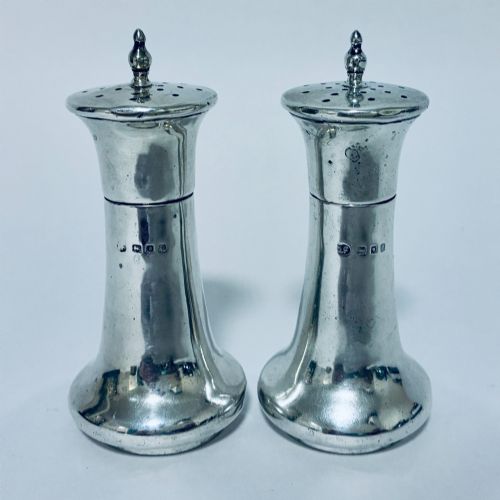
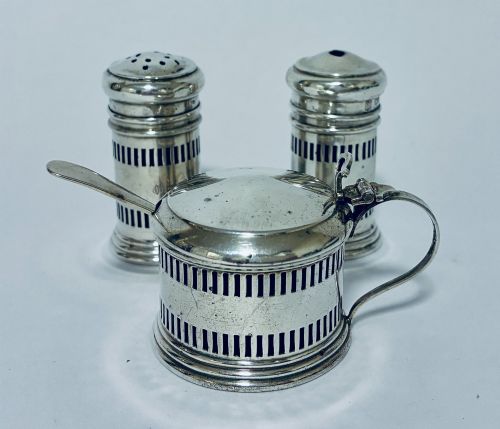
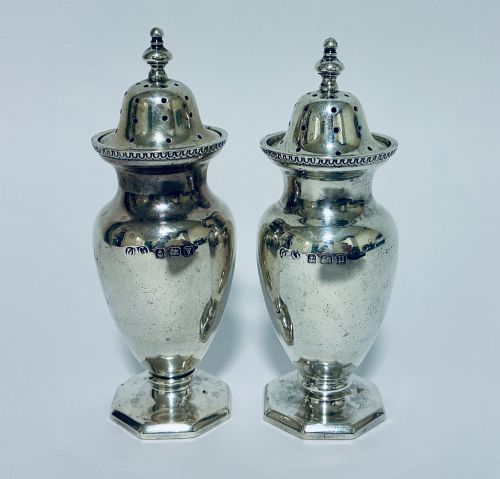
A silver pepper shaker set comprises matching vessels designed to dispense seasoning at the table, frequently appearing alongside salt cellars and mustard pots within larger cruet configurations. These assemblages span the Victorian, Edwardian, and mid-century periods, utilising forms from simple classical casters to whimsical animal novelties.
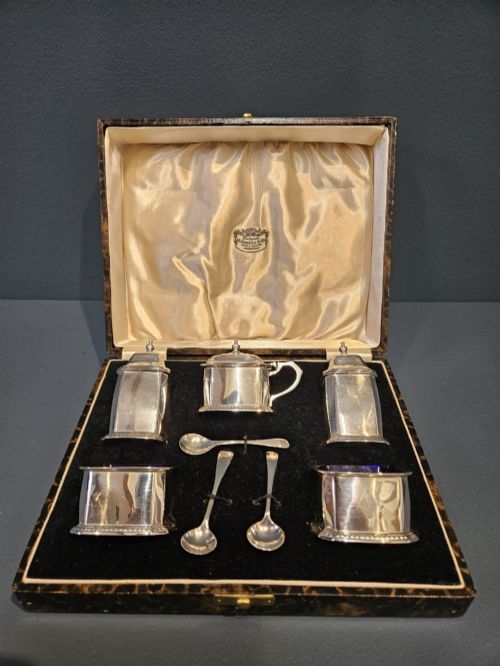
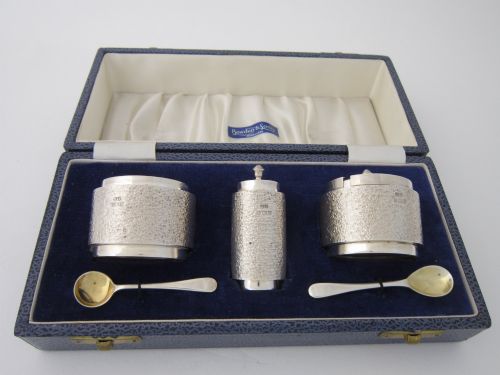
Buyers encounter individual pairs of pepper pots alongside comprehensive cased condiment sets containing spoons, liners in glass or cut glass, and fitted presentation boxes lined with velvet or satin. The selection ranges from robust solid silver constructions to silver-plated frames designed for daily service.
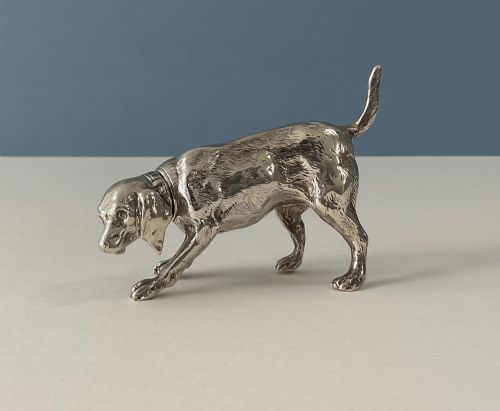
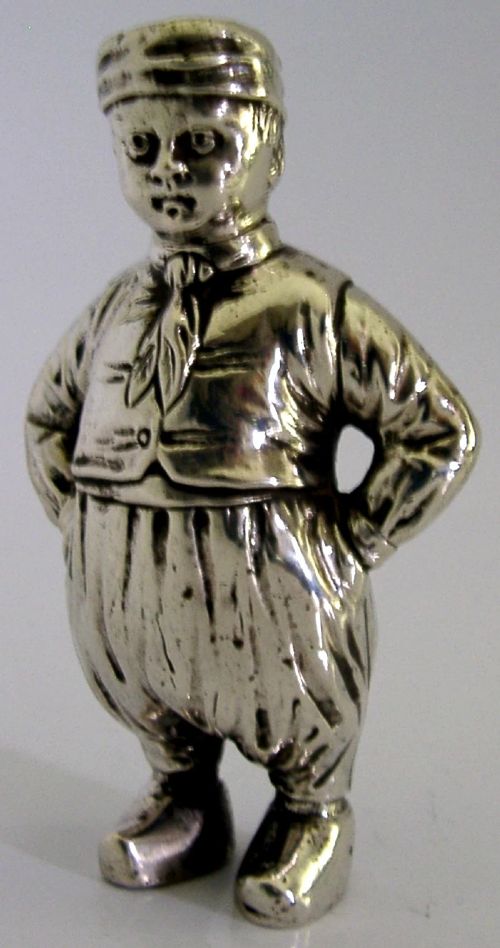
Origins vary from English provincial workshops to continental makers, encompassing traditional Georgian revival styles as well as playful novelty figures such as owls, dogs, and chicks.
Evaluating Quality
Quality rests upon the crispness of the chased detail, the structural integrity of hinged mounts, and the balance of the base.
Makers who invested in heavy-gauge sterling silver and fully articulated casting achieved enduring distinction, whereas plated items rely upon the preservation of the original finish over the underlying metal.
Listings feature items spanning the eighteenth century through to the mid-twentieth century, incorporating sterling silver, silver plate, and cut glass.
Sampson Mordan·Wilmot Manufacturing Co·Thomas Pritchard·Berthold Muller·Mappin & Webb
The Silver Pepper Shaker Set Glossary
- Cruet set
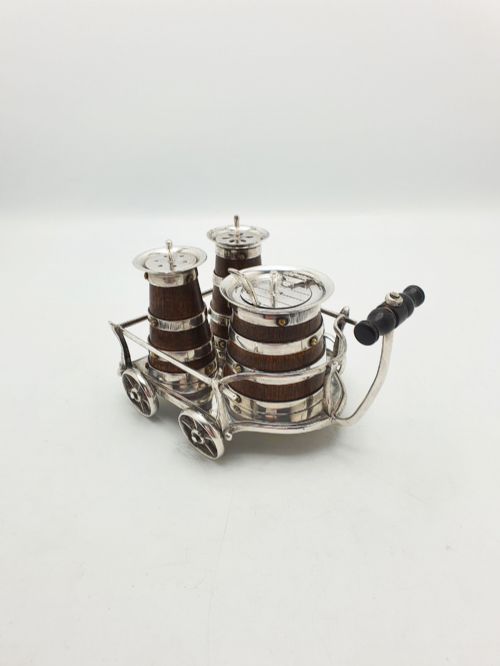
- A matched collection of bottles, casters, and pots held within a stand for table condiments. These sets often included frames with handles for service.
- Pepperette
- A small vessel specifically designed for dispensing ground pepper, usually featuring a pierced dome top. The term appears frequently in nineteenth-century inventory descriptions.
- Silver plate
- A layer of silver fused to a base metal core such as copper or Britannia metal. This technique offered an accessible alternative to solid silver for larger dining assemblages.
- Caster
- A tall jar with a perforated top used for shaking sugar or pepper onto food. Early examples often featured heavy cast bodies and bayonet-fitting lids.
- Novelty pepper
- A shaker formed in the likeness of an animal, human figure, or object rather than a traditional vase shape. Victorian and Edwardian makers excelled in these whimsical designs.
Silver Pepper Shaker Set: Frequently Asked Questions
What is a silver pepper shaker set?
A silver pepper shaker set is a coordinated pair or group of containers used to hold and dispense pepper at the dining table. They are often found accompanied by salt cellars and mustard pots within a shared cruet stand.
These pieces reflect the design sensibilities of their period, ranging from plain domestic tableware to elaborate figural novelties cast as animals.
How do I date an antique silver set?
Dating relies upon hallmarks stamped into the metal, which indicate the assay office, the specific year letter, and the maker's mark. Stylistic clues such as floral chasing or geometric Art Deco lines also point to the era of manufacture.
Unmarked silver plate requires stylistic comparison with dated examples from the Victorian and Edwardian periods.
Were these sets used daily?
Many sets served everyday dining in middle and upper-class households, particularly robust silver-plated versions and standard sterling pepperettes. Cased sets were often reserved for special occasions or kept as presentation items.
Their survival in fitted boxes indicates that many were carefully stored between uses.
How do I clean antique silver?
Cleaning requires a soft cloth and a gentle silver polish formulated to remove tarnish without abrading the metal surface or wearing down fine chased details. Harsh chemical dips should be avoided, especially on antique plated items where the silver layer is thin.
Glass liners and bottles should be washed separately in warm soapy water.