

Silver Omega Wristwatch
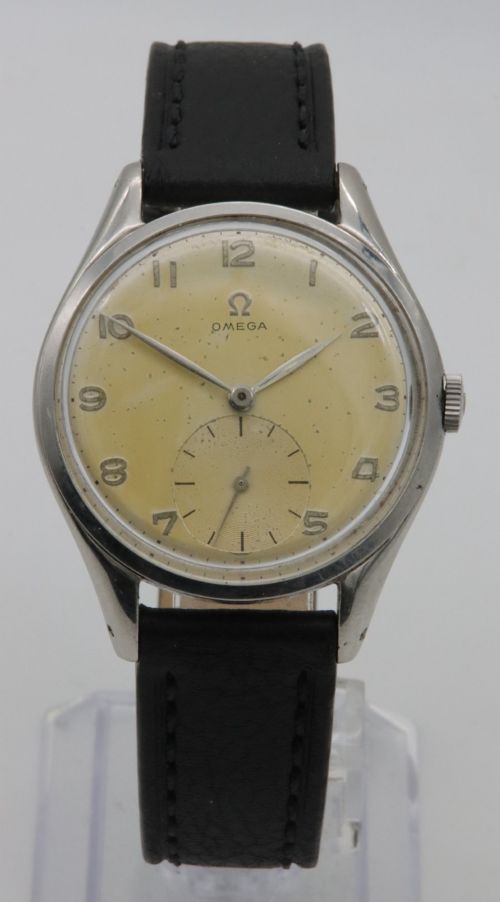
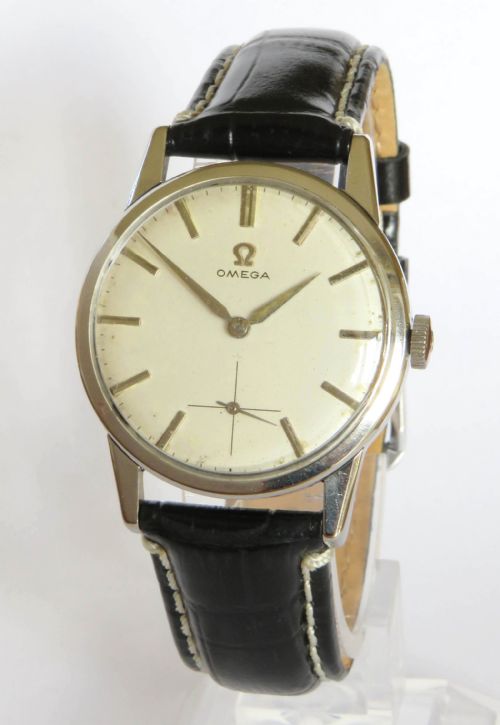
A silver omega wristwatch holds a century of precise Swiss engineering, offering a reliable piece of horological history for everyday wear.
Silver Omega Wristwatch
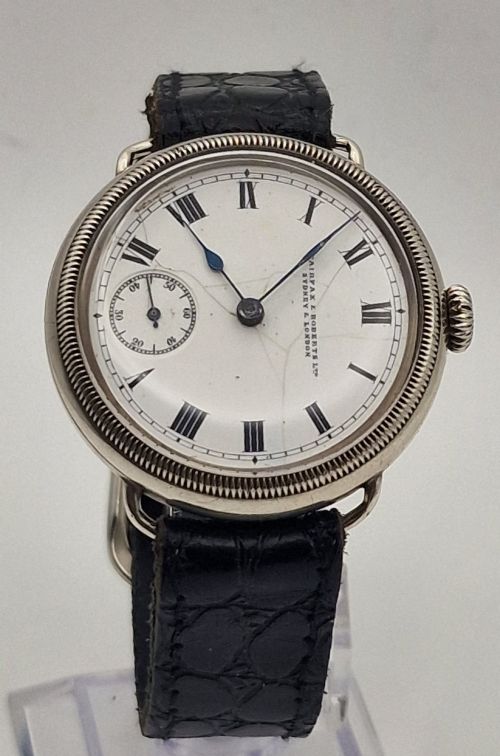
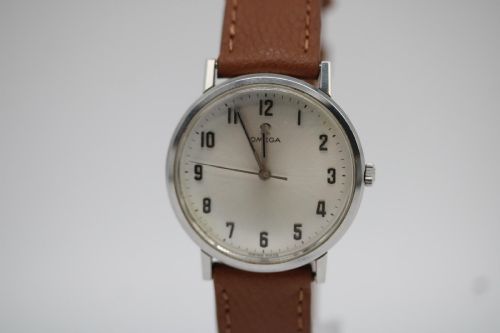
When you search for a silver omega wristwatch, you look at decades of horological output spanning the 1930s, 1940s, 1950s, 1960s, and 1970s.
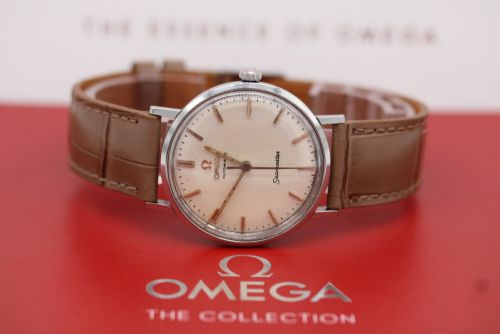
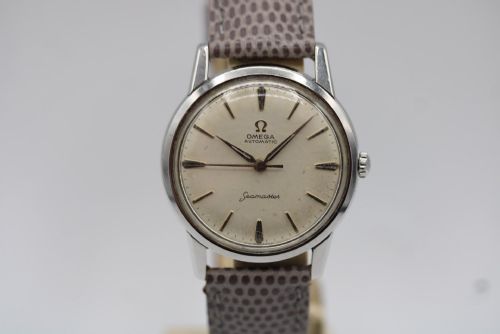
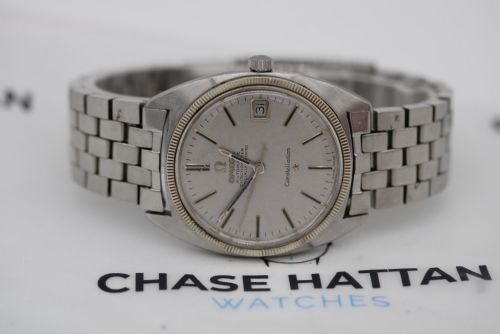
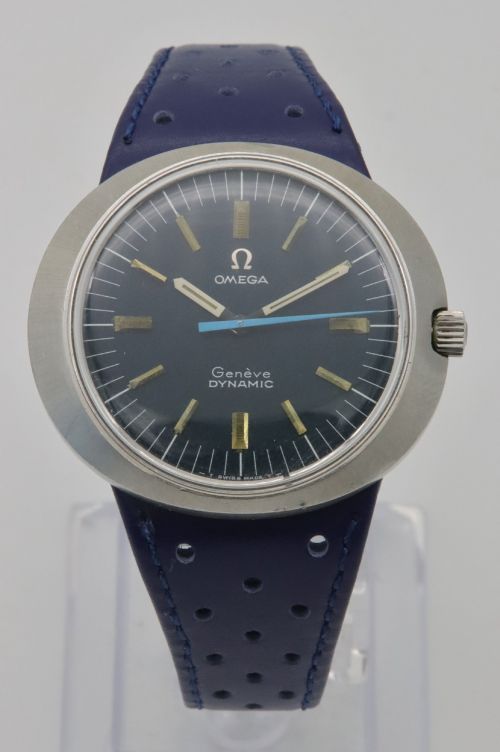
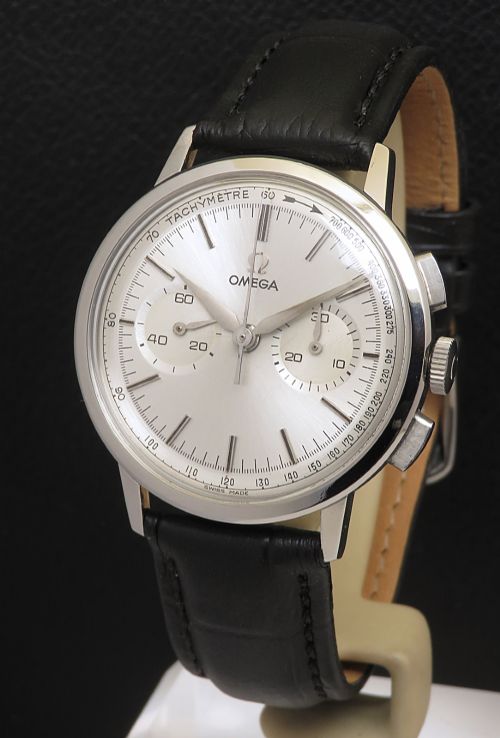
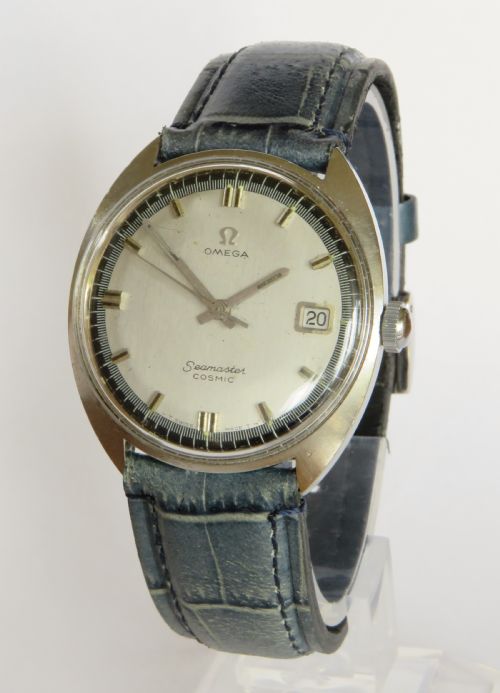
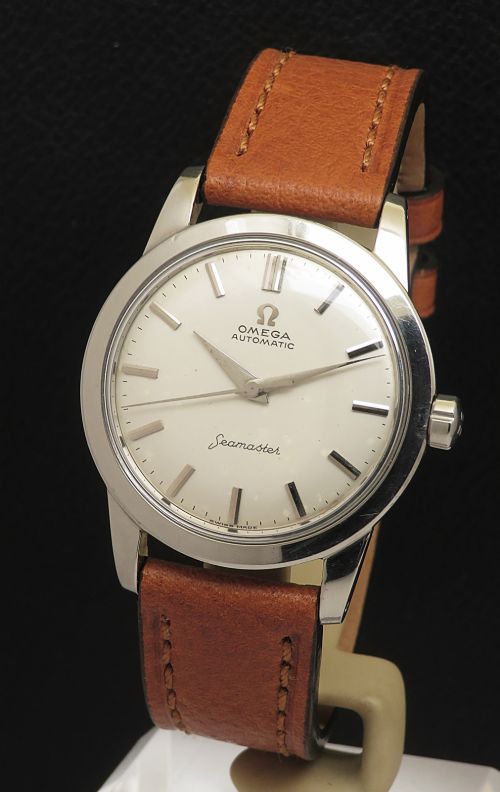
The version you are most likely to meet on this page is a mid-century gents wristwatch in stainless steel, often housing an automatic or manual wind movement.
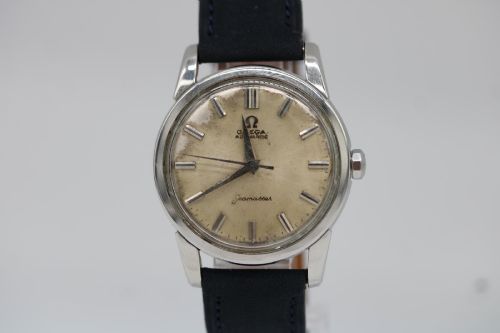
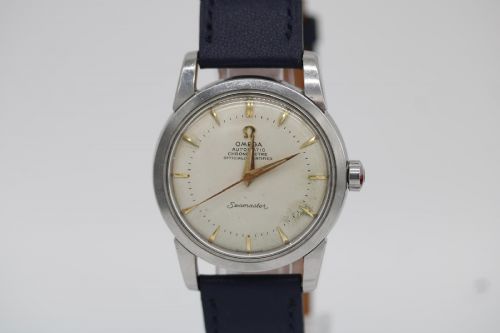
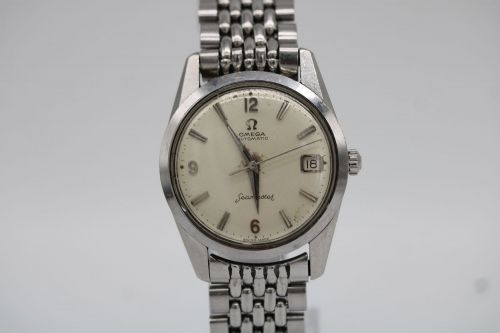
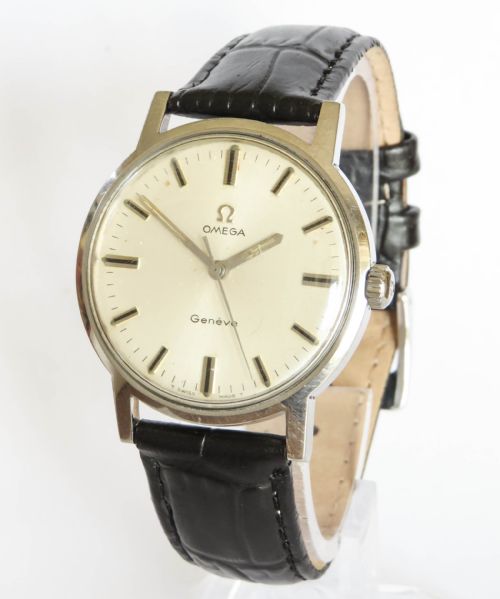
These pieces encompass diverse forms, from robust military issue pilots watches to dress models like the Seamaster, Geneve, De Ville, and Chronostop.
Materials and construction
Cases are constructed primarily from stainless steel, paired with dials protected by acrylic glass or standard glass.
Stamps and movements rely on traditional metal machining techniques, whilst straps commonly utilise leather.
Silver Omega Wristwatch Retail Price Guide 2026
Typical asking prices for silver omega wristwatch among the pieces listed under this phrase on Sellingantiques today, from the lower quarter to the upper quarter. They describe what is for sale here now, not the wider market.
Some military models carry history beyond the barracks, having been re-issued for the Pakistan Airforce.
Standards of craftsmanship
The distinction between tiers rests upon the preservation of original dial patination, case edges, and movement integrity.
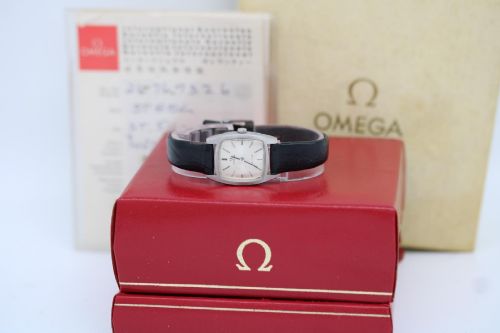
Factory finishing on calibres and the presence of original boxes and papers elevate certain examples above standard iterations.
Omega
The Silver Omega Wristwatch Glossary
- Calibre
- The specific internal movement designation used by the manufacturer to identify the mechanical mechanism driving the watch. Knowing the calibre helps date the exact production era of the piece.
- Automatic
- A self-winding mechanical movement that uses the natural motion of the wearer's wrist to power the mainspring. This technology became standard in many mid-century dress and sports models.
- Manual wind
- A movement requiring the wearer to hand-wind the crown daily to store energy in the mainspring. Many pieces from the 1930s and 1940s rely on this traditional method.
- Acrylic glass
- A lightweight plastic material utilised for crystal covers on vintage watch faces prior to the widespread adoption of synthetic sapphire. It offers flexibility and can be polished if scratched.
- Jumbo
- A colloquial term applied by collectors to oversized watch cases from periods when smaller diameters were standard. These larger proportions appeal directly to modern wear preferences.
Silver Omega Wristwatch: Frequently Asked Questions
How do I wind a manual watch?
Turn the crown gently clockwise between your thumb and forefinger until you feel firm resistance. Stop immediately to avoid damaging the internal mainspring.
Do this at the same time each day to maintain steady timekeeping performance.
Are vintage watches waterproof?
Original vintage seals and gaskets degrade over decades, meaning historical water resistance cannot be guaranteed today. Keep these pieces away from moisture and humidity unless professionally serviced with modern replacement gaskets.
Even models originally designated for military or diving use require modern precautions.
How do I read a reference number?
Reference numbers stamped inside casebacks or on movements identify the specific model family, case material, and design iteration. Consulting manufacturer archives with these digits reveals production dates and original specifications.
Matching numbers confirm the authenticity of the internal components.
Can I wear my watch daily?
These robust mechanical items served generations as reliable daily timekeepers and continue to function well with normal wear. Regular servicing by a qualified horologist keeps internal gears lubricated.
Avoid wearing them during high-impact sports or manual labour to protect the case and acrylic glass.