
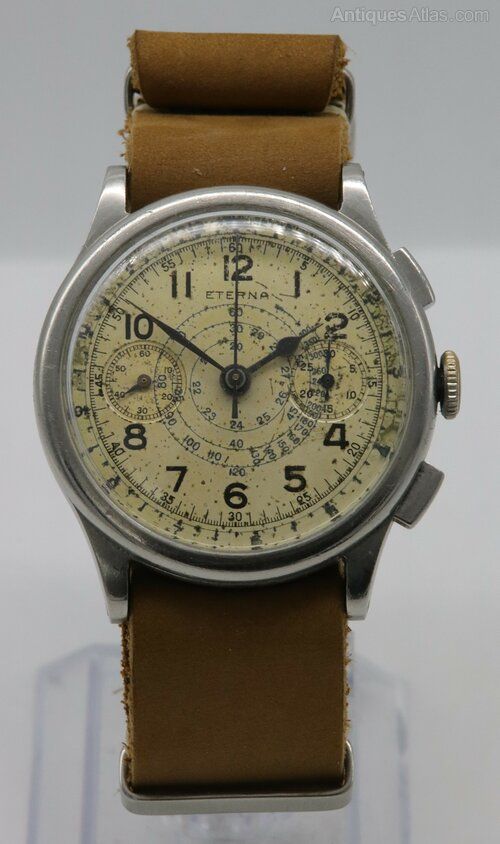
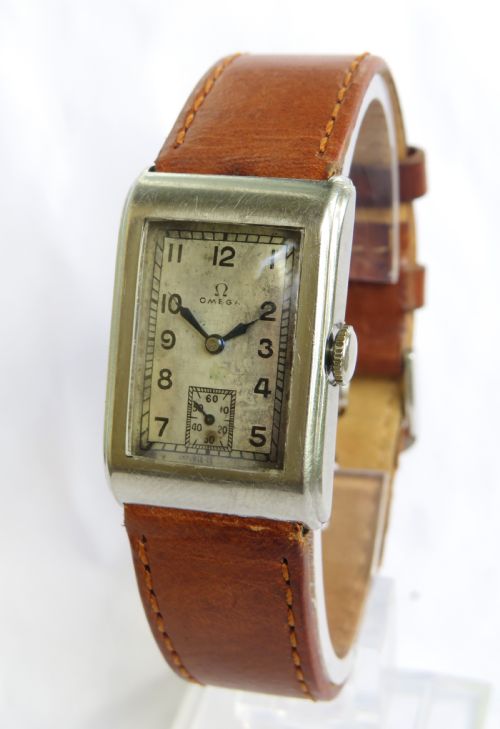
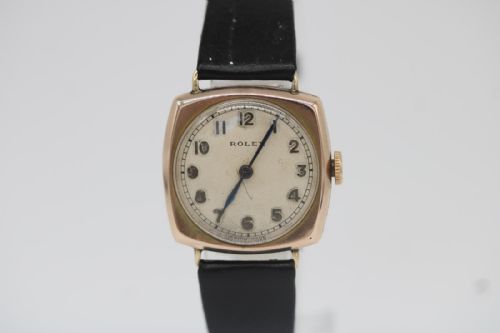


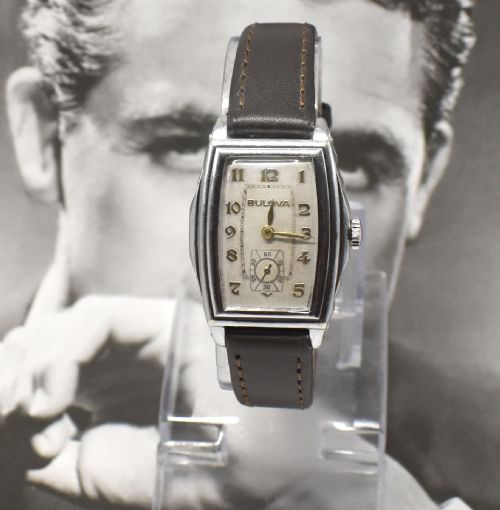


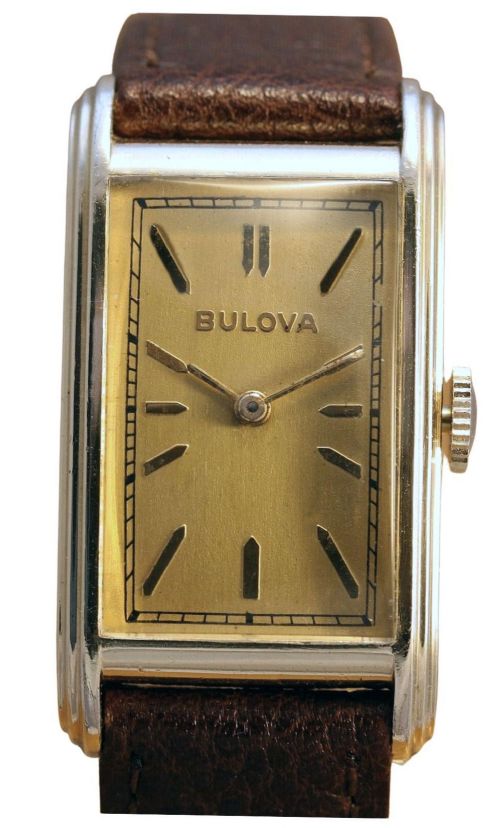


1930s Mens Wristwatch
These 1930s mens wristwatch examples bring geometric elegance and mechanical charm to the wrist, offering genuine period character for daily wear.
1930s Mens Wristwatch
A 1930s mens wristwatch typically displays the characteristic geometric lines and restrained symmetry of the Art Deco style. These timepieces capture a transformative decade in horology when strap watches decisively overtook pocket watches in everyday popularity.
You will frequently encounter square and rectangular dials alongside traditional round formats on this page. Cases often exhibit curved profiles or stepped designs intended to hug the contour of the wrist.
Examples from this era originate primarily from the 1930 decade, featuring manual wind movements that require daily engagement. The selection reflects both European and American production from that specific period.
Materials and construction methods
Cases utilise a variety of metals ranging from solid 9ct rose gold and white gold to gold fill, rolled gold, chrome, and stainless steel. Glass protects the dial, while straps are fashioned from leather.
Movements rely on mechanical components powered by manual winding, often housing multiple jewels to reduce friction in the gear train. Metal plating techniques applied over base metals allowed manufacturers to achieve precious metal appearances at accessible price points.
Several vintage pieces remain completely unworn as old stock, preserving their mid-century crispness across the decades.
Distinctions in quality and execution
The distinction between standard commercial pieces and finer examples rests in the refinement of the movement and the precision of the case geometry. Finer watches employ higher jewel counts in their manual wind mechanisms and feature crisper articulation in their Art Deco case motifs.
Materials also divide the range, as solid 9ct rose gold or white gold cases demonstrate superior longevity compared to rolled gold or gold plated alternatives. The integrity of the dial typography and the preservation of original case sharp angles further separate exceptional survivals from heavily worn specimens.
Eterna·Omega·Rolex·Zenith·Le Coultre·Bulova·Elgin
The 1930s Mens Wristwatch Glossary
- Art Deco
- A design style dominant in the 1930s characterised by sleek geometric shapes, streamlined forms, and symmetrical patterns. This aesthetic heavily influences the dial layouts and case architecture of the period.
- Manual wind
- A mechanical movement that requires the wearer to turn the crown by hand to tension the mainspring. Most watches from this decade operate via this traditional method rather than automatic self-winding systems.
- Rolled gold
- A manufacturing method where a layer of gold is mechanically bonded to a base metal core. This provides a durable exterior gold surface without the full cost of solid precious metal.
- Curvex
- A trademarked or descriptive term for a wristwatch case and movement curved to fit the anatomical shape of the wrist. Zenith produced notable examples utilising this ergonomic format.
- Tank watch
- A rectangular wristwatch design with vertical brancards or bars that integrate the strap lugs, named after military combat vehicles. The silhouette became a staple of 1930s men's horology.
1930s Mens Wristwatch: Frequently Asked Questions
How do I wind a 1930s mens wristwatch?
Gently rotate the crown clockwise between your thumb and forefinger until you feel firm resistance. Stop immediately at that point to avoid damaging the mainspring.
Perform this action once a day, preferably at the same time each morning, to keep the mechanical movement running accurately.
Can I wear a 1930s mens wristwatch daily?
Many collectors wear these vintage timepieces regularly, provided the movement has been recently serviced and oiled. Care must be taken to avoid water exposure and heavy physical impacts.
Because these watches lack modern shock protection and waterproofing, treating them with gentle consideration ensures longevity.
What is a manual wind watch?
A manual wind watch relies entirely on a wound mainspring to supply power to the gear train and escapement. It contains no rotor or automatic winding mechanism.
Owners must manually supply energy to the watch every day by turning the winding crown.
How do I identify an Art Deco watch?
Look for rectangular or square dials, stepped case designs, and stylised Arabic numerals with sharp geometric angles. These visual cues define the modernist aesthetic of the 1930s.
Cases often feature linear engraving and symmetrical decorative motifs that break away from traditional round pocket watch layouts.