


Silver Muffineer Shaker
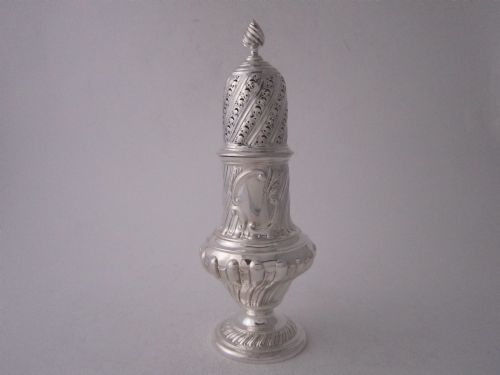
These silver muffineer shakers are small table vessels for scattering sugar, offering a touch of period elegance to a dining table.
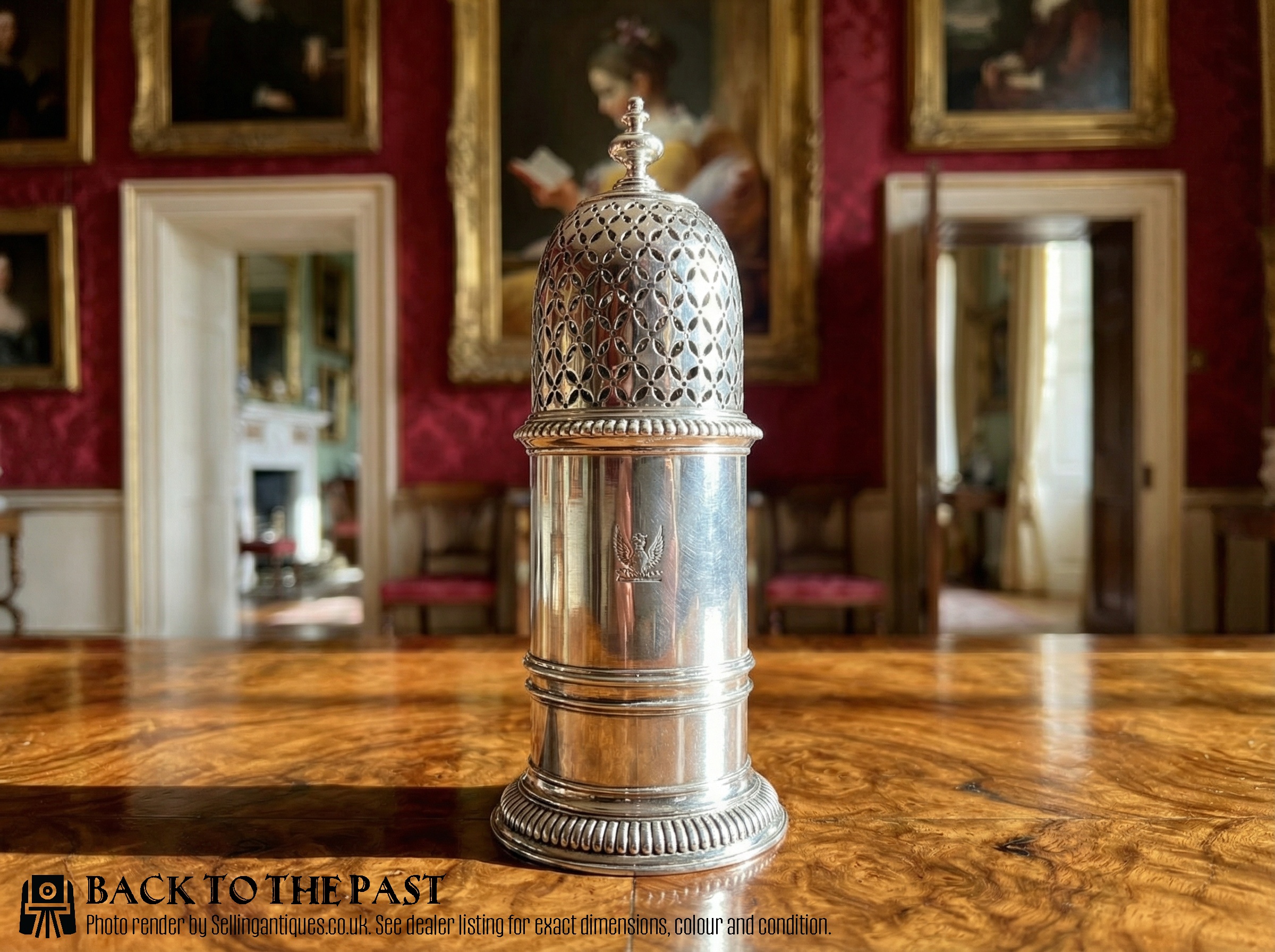
Silver Muffineer Shaker
A silver muffineer shaker is a table vessel designed to hold and scatter sugar over food, appearing in forms such as sugar casters and shakers. When you search for this phrase, you encounter pieces spanning the eighteenth century through to the early twentieth century.
The selections available here showcase distinct chronological eras, including Georgian, Victorian, and Edwardian periods. Most examples follow traditional forms, ranging from modest domestic shakers to monumental casters made by notable silversmiths.
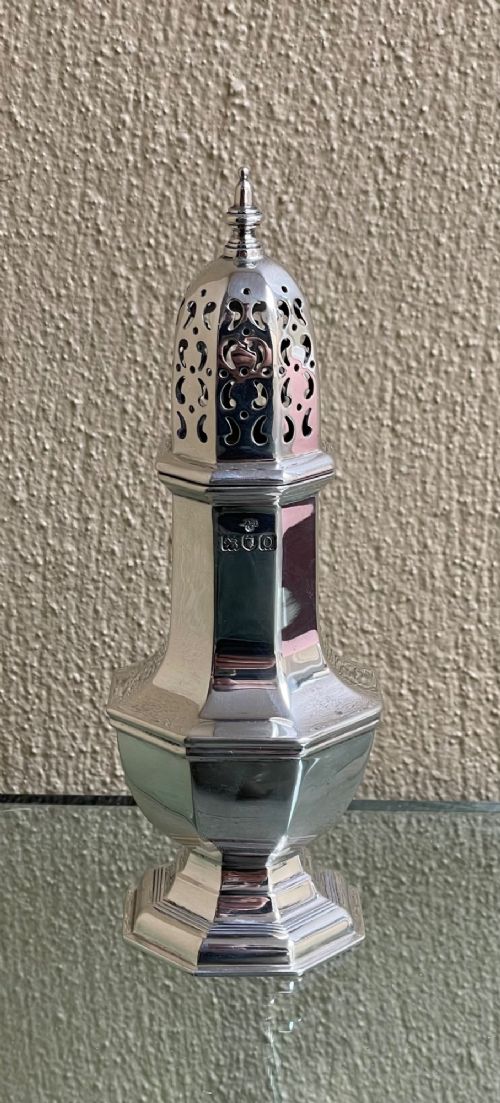
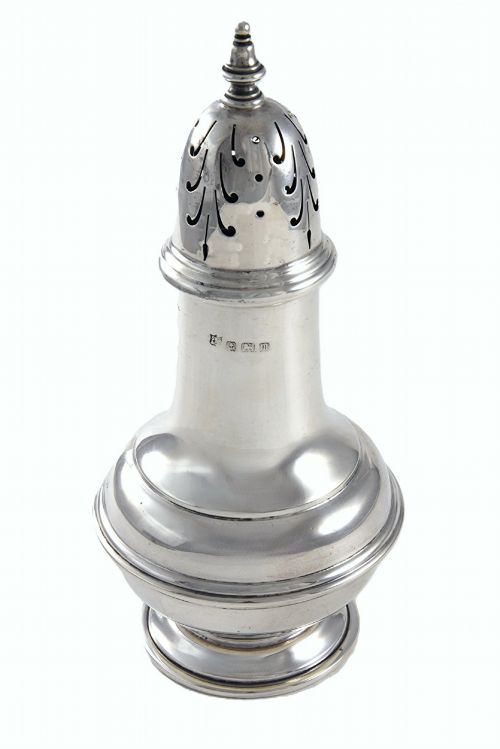
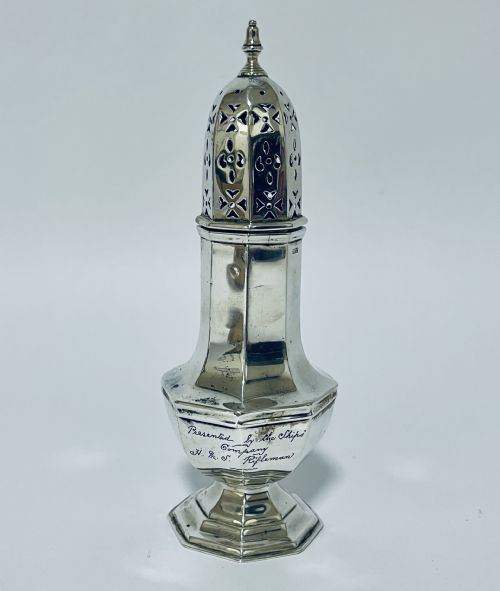
Makers utilised sterling silver across all listed items, shaping vessels into octagonal profiles and classic baluster forms. These objects reflect the changing tastes of British dining customs across three centuries.
Materials and construction
Every piece recorded in the inventory is fashioned from sterling silver, providing the weight and lustre expected of fine British silverwork. Silversmiths worked the metal into substantial forms, with individual pieces scaling up to heavy weights.
Construction techniques include raised bodies and pierced lids designed for sifting sugar evenly. Master smiths applied hallmarks, maker marks, and precise geometric facets, such as octagonal designs, to finish each vessel.
Listings feature sterling silver sugar casters spanning the Georgian, Victorian, and Edwardian periods.
Assessing quality and craftsmanship
Quality in these silver vessels rests on the crispness of the piercing on the lid and the overall heft of the sterling silver. Heavy, well-balanced pieces with clear hallmarks demonstrate superior original manufacture compared to lighter, plainer alternatives.
The distinction between standard domestic items and top-tier examples also lies in the provenance and the reputation of the maker. Master silversmiths executed proportions and decorative flourishes with greater precision, elevating simple functional objects into collectible works of art.
Stephen Adams·Thomas Ross·Charles Alchorne
The Silver Muffineer Shaker Glossary
- Caster
- A small table vessel with a pierced top for sprinkling sugar or spices. These objects were essential for the dining table before granulated sugar became standard.
- Hallmark
- An official stamp applied to precious metals indicating purity, origin year, and maker. British silver relies on these marks to verify authenticity and date of production.
- Sterling silver
- An alloy consisting of pure silver and other metals to increase durability. This material forms the foundation of all items found in this category.
- Baluster
- An architectural shape featuring a swollen lower portion tapering towards the top. Many sugar shakers adopt this classic silhouette for aesthetic balance and ease of handling.
Silver Muffineer Shaker: Frequently Asked Questions
What is a silver muffineer shaker used for?
These vessels served to sprinkle fine sugar over muffins, pastries, or desserts at the dining table. The pierced lid allowed diners to control the flow of sugar precisely.
Over time, their role shifted from active dining implements to decorative silver collections and display pieces in period interiors.
How do I date an antique silver shaker?
Dating relies heavily on the hallmarks stamped into the sterling silver body by the assay office. These marks record the specific year of manufacture and the maker's stamp.
Stylistic clues, such as octagonal Georgian shapes versus Edwardian silhouettes, also help identify the correct period of origin.
Are all these shakers made of sterling silver?
Every listed item in this category is formed from solid sterling silver. Makers utilised this durable alloy to ensure the vessels survived centuries of daily use.
Weight varies significantly between pieces, reflecting the original purpose and the amount of silver expended during construction.
How should I clean antique silver shakers?
Maintaining silver requires gentle cleaning with specialised silver cloth to preserve the patina accumulated over decades. Avoid harsh chemical dips that strip away the historical character of the metal.
Store pieces in dry environments away from direct sunlight to prevent excessive tarnishing between uses.