
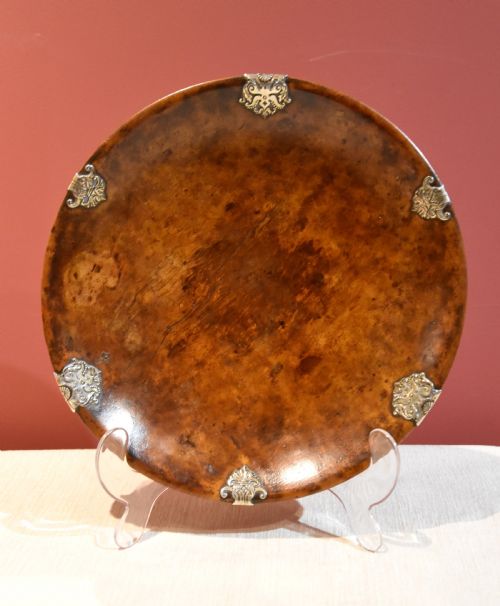


Silver Mounted Dishes
Silver mounted dishes combine precious metal with glass, crystal, or carved materials to create functional centrepieces for the home.
Silver Mounted Dishes
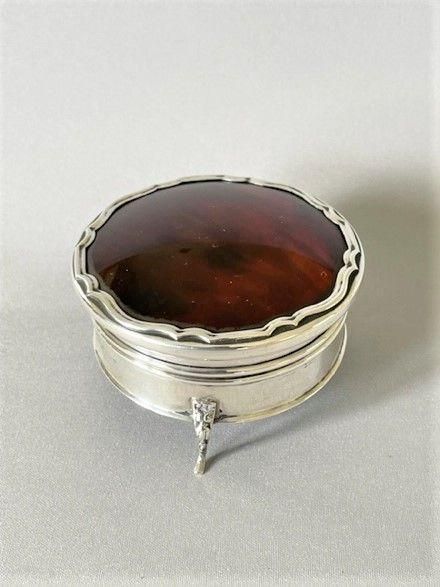
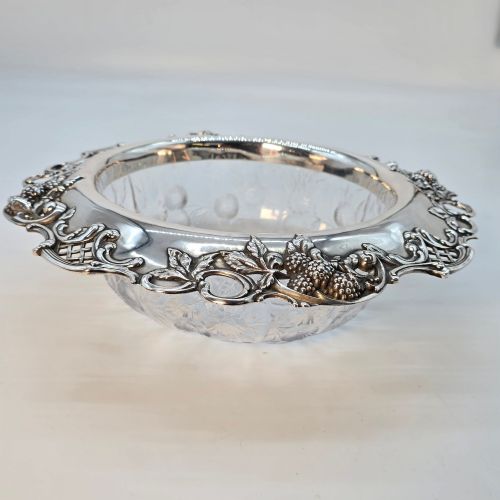
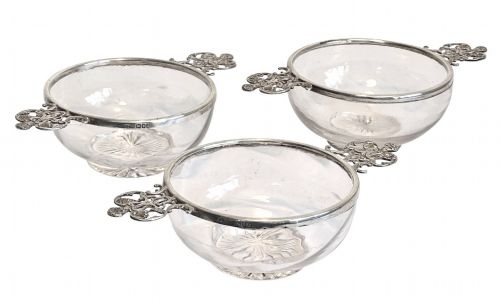
Silver mounted dishes encompass a varied collection of vessels, from decorative bowls and trinket boxes to salad bowls and match strikers. These pieces combine a main body of cut glass, crystal, stoneware, or wood with applied silver rims, feet, or complete framework mounts.
Vessels span multiple design movements, including Art Deco, Arts and Crafts, Art Nouveau, and Neoclassical Revival styles. This diversity means collectors find both simple functional items and highly ornamental decorative baskets or lidded boxes.
How they were made
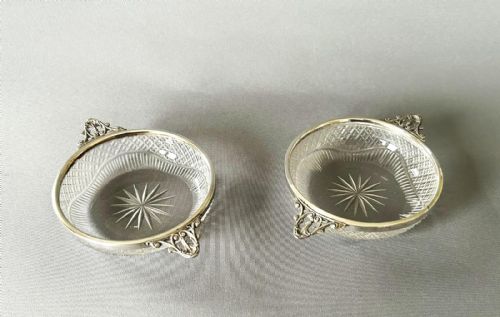
Makers utilised glassblowing, crystal cutting, and pottery techniques to form the central body of each dish before applying metalwork. Glass bodies often show deep geometric facets or intricate pressed patterns designed to catch the light.
Silversmiths then fashioned rims, hinged lids, and decorative mounts from sterling silver, silver plate, or continental silver. These metal mounts were carefully fitted or cemented to the glass, ceramic, or wooden bases to secure the structure.
Listings feature Edwardian, Victorian, and mid-twentieth-century eras alongside materials like cut glass, burr walnut, and sterling silver.
What varies in quality
Quality rests heavily on the weight and thickness of the silver mounts and the clarity of the underlying glass, crystal, or stone. Heavier gauge silver and deeply hand-cut crystal indicate superior production standards.
The precision of the fit between the metal mount and the vessel body separates finer workshop output from mass-produced utilitarian items. Maker marks and clear hallmarks also elevate the standing of a piece within the market.
Tiffany & Co.·William Comyns·Doulton Lambeth·Posen of Frankfurt and Berlin·Royal Doulton·Gorham
The Silver Mounted Dishes Glossary
- Hallmark
- An official stamp applied to precious metals indicating purity, maker, and assay office. These marks help historians date the silver mount accurately.
- Cut Glass
- Glass shaped and patterned by holding it against a rotating abrasive wheel. This technique creates sharp facets that contrast with smooth silver rims.
- Silver Plate
- A base metal coated with a thin layer of pure silver. It allowed makers to produce decorative dishes at a lower cost than solid sterling silver.
- Pot Pourri Basket
- An open vessel designed to hold dried scented plant materials for perfuming rooms. They often feature pierced silverwork to allow fragrances to circulate.
- Match Striker
- A small desktop container with a rough surface for igniting matches, usually fitted with a protective silver collar.
Silver Mounted Dishes: Frequently Asked Questions
How do I clean silver mounts on glass dishes?
Use a soft cloth and a gentle silver polish, taking care to avoid getting liquid cleaners trapped between the metal and the glass body.
Preventative care involves storing items away from direct sunlight and moisture to keep both the silver and the crystal bright.
Were these dishes used for dining or display?
Many of these pieces served practical functions on dining tables, holding sweets, fruit, salads, or condiments during formal meals.
Others remained in drawing rooms as decorative trinket boxes, pot pourri baskets, or vanity items for holding small personal accessories.
How can I tell the Victorian pieces from Edwardian ones?
Victorian examples often favour heavy, ornate ornamentation reflecting traditional revival styles, with deep cut glass and elaborate floral motifs.
Edwardian designs tend toward lighter proportions and smoother lines, influenced by emerging Arts and Crafts or Art Nouveau aesthetics.
Are all mounts made of solid sterling silver?
The metal components vary between solid sterling silver, continental grades, and silver plate depending on the maker and the intended market.
Examining the metal for official hallmarks clarifies whether a piece is solid sterling or silver plated.