




Antique Silver Rimmed Bowl
An antique silver rimmed bowl joins cut glass, ceramic or timber to create a practical centrepiece.
Antique Silver Rimmed Bowl
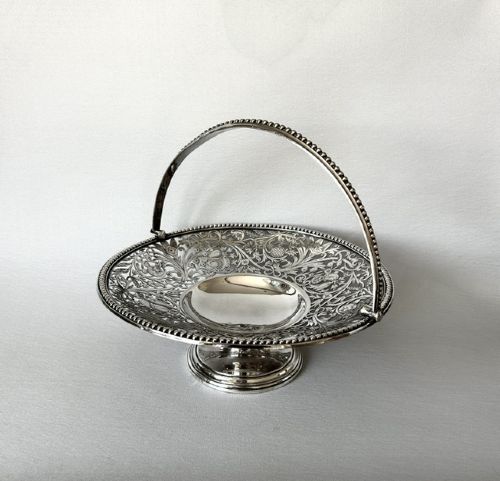
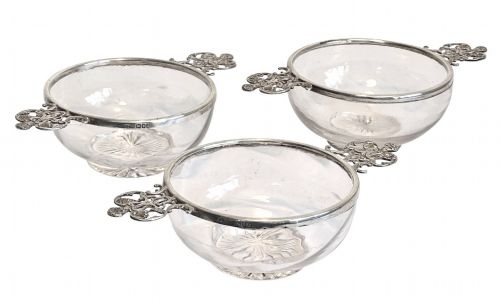
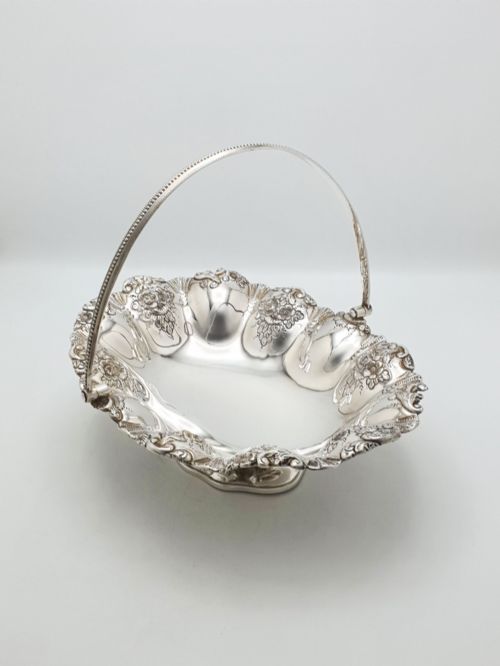
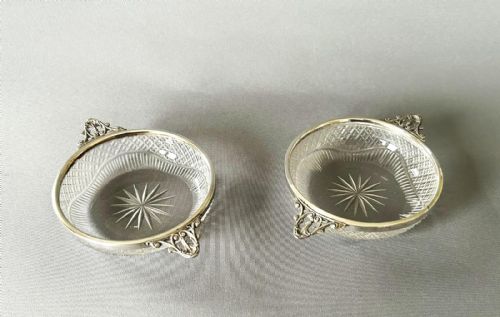
An antique silver rimmed bowl combines metal mounts with vessels formed from cut glass, ceramic, crystal or timber. These items function as fruit baskets, bonbon dishes, centrepieces and salad servers originating from the nineteenth and early twentieth centuries.
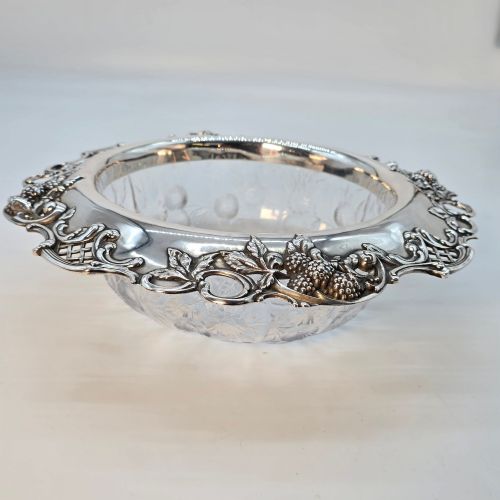
The version most commonly encountered on this page is the Edwardian or Victorian table bowl featuring a pierced or repoussé metal rim fitted to a glass or ceramic body. Makers utilised sterling silver or silver plate for the mount to frame the body beneath.
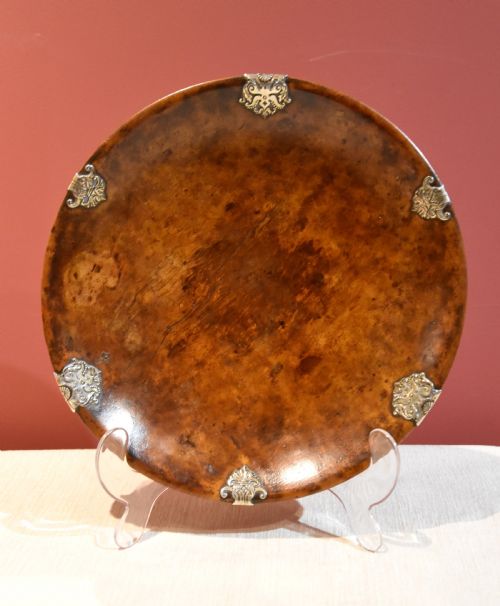
Forms extend beyond standard domestic dishes to include oak servers, majolica pottery, crystal vessels with blue enamel, and jade-rimmed ashtrays. Each piece reflects the decorative tastes of the Victorian, Edwardian, Art Nouveau and Art Deco periods.
How they were made
Silversmiths formed the rims using sterling silver or silver plate, frequently applying repoussé hammer work, piercing, or floral motifs to the metal edge. These mounts were then secured to vessels shaped from cut glass, crystal, ceramic, or turned timber such as oak and burr walnut.
Glass bodies relied on mould-blowing and hand-cutting techniques, sometimes incorporating green vaseline glass or coloured enamel details. Ceramic and stoneware bodies, including pieces by Doulton, utilised traditional pottery methods before receiving their metal mounts.
A dragon ashtray with a jade rim proves that even nineteenth-century smokers deserved a touch of mythical elegance.
What varies in quality
The distinction between standard domestic items and superior examples lies in the weight of the metal rim and the depth of the hand-chased repoussé work. Heavier sterling silver mounts demonstrate greater substance than thin silver plate over base metal.
The clarity and depth of cut glass or the refinement of the ceramic body dictate overall merit. Pieces bearing clear maker marks from established firms demonstrate superior provenance compared to unmarked domestic ware.
Tiffany & Co.·William Comyns·WMF·Doulton Burslem·Doulton Lambeth·Royal Doulton·Gorham·Walter Brind·S. Kirk & Son Company
The Antique Silver Rimmed Bowl Glossary
- Repoussé
- Metalworking technique where the design is hammered into relief from the reverse side. This method creates textured floral and scroll patterns along the metal rim.
- Pierced work
- Metal pierced with decorative openwork patterns using a saw or piercing punch. This technique lightens the appearance of heavy silver mounts on baskets and bowls.
- Vaseline glass
- Type of glass containing uranium dioxide that produces a distinctive yellow-green colour. It glows brightly under ultraviolet light and frequently appears in Edwardian table wares.
- Majolica
- Low-fired earthenware glazed with tin-opacified lead glazes. It provides brightly coloured surfaces often paired with metal mountings in nineteenth-century serveware.
- Hallmark
- Official stamp applied to precious metals indicating the standard of purity, assay office, and maker. British silver carries these marks to verify its age and origin.
Antique Silver Rimmed Bowl: Frequently Asked Questions
How were silver rimmed bowls used?
These bowls served primarily on dining tables as centrepieces, fruit dishes, salad bowls, or bonbon receptacles. Their decorative rims held crystal, glass, or ceramic bodies designed to present food or flowers.
Smaller versions functioned as trinket dishes or ash trays for domestic use. The combination of metal and glass allowed them to catch the light during formal meals.
How do I clean silver rims on glass bowls?
Clean the metal rim gently using a soft cloth and a specialised silver polish while avoiding contact with the glass or ceramic body. Harsh abrasives can damage delicate silver plate or scratch the surrounding material.
Wash the glass or ceramic portion separately in warm soapy water. Dry both components thoroughly before reassembly to prevent moisture retention beneath the mount.
How can I tell Victorian from Edwardian bowls?
Victorian bowls often feature heavier ornamentation, deep hand-chased repoussé work, and dark woods or rich majolica ceramics. The decorative styles draw heavily from nineteenth-century traditional and ornate aesthetic movements.
Edwardian pieces tend to show lighter forms, simpler floral motifs, and brighter glass colours like green vaseline or clear crystal. Art Nouveau and early Arts and Crafts influences frequently appear in these later items.
Are silver plated rims durable?
Silver plated rims consist of a thin layer of silver bonded to a base metal core. With careful handling, this plating remains durable over generations of domestic use.
Excessive cleaning or abrasive polishes can wear through the plating and reveal the base metal underneath. Gentle maintenance preserves the original surface finish.