



Victorian Serving Bowl
When you search for a victorian serving bowl, you enter a diverse world of ceramics, silver plate, and glass designed for grand dining tables.
Victorian Serving Bowl
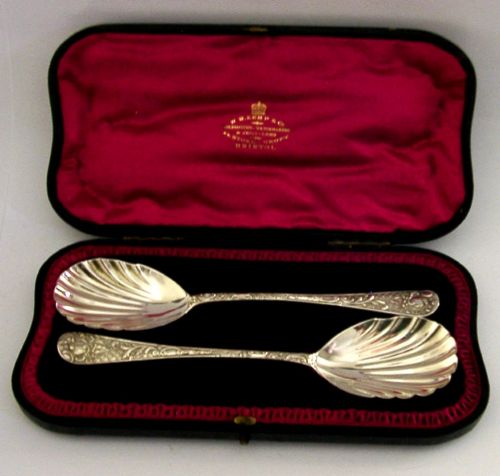
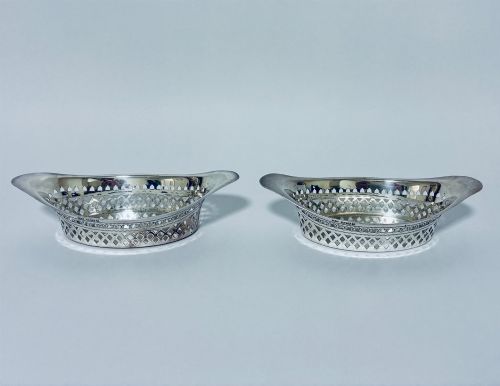
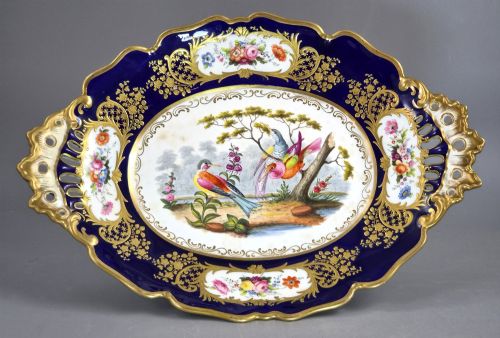
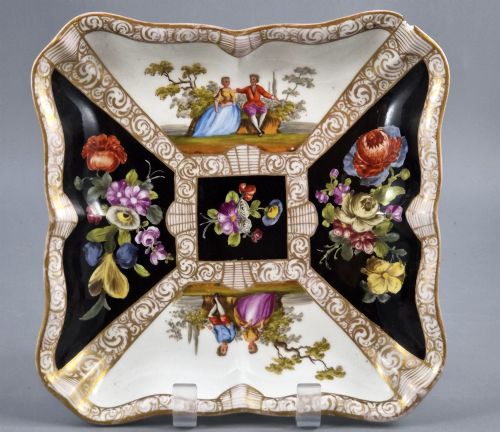
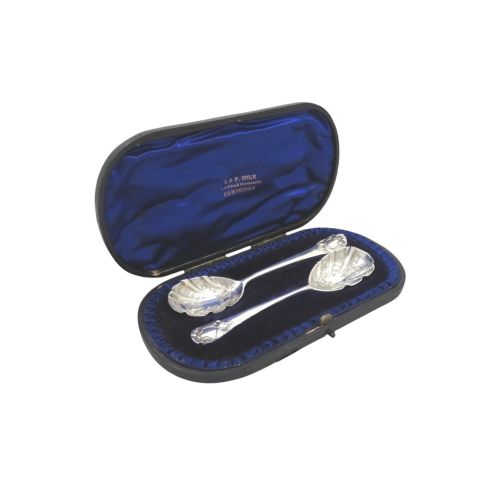
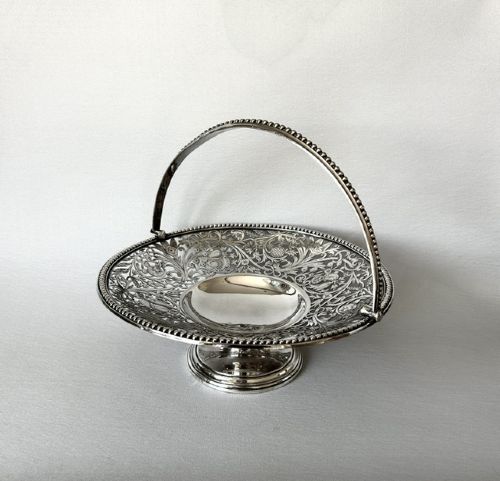
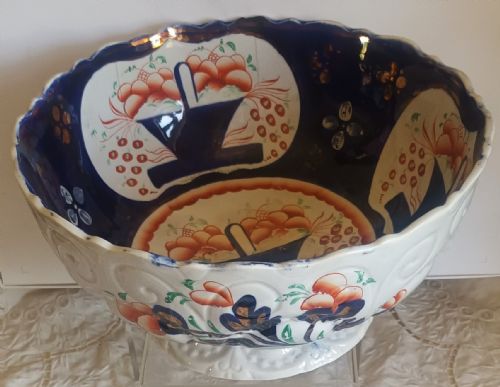
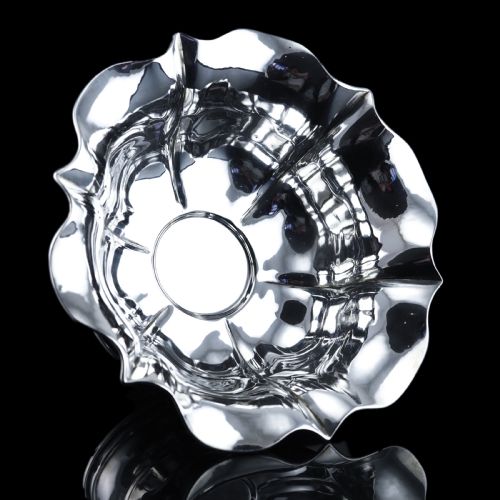
The pieces appearing on this page span various ceramic traditions, including majolica, transfer-printed earthenware, stoneware, and porcelain, alongside substantial items in sterling silver and silver plate. Many incorporate decorative motifs from the Aesthetic Movement, Rococo Revival, and French Empire styles, demonstrating the eclectic taste of the period.
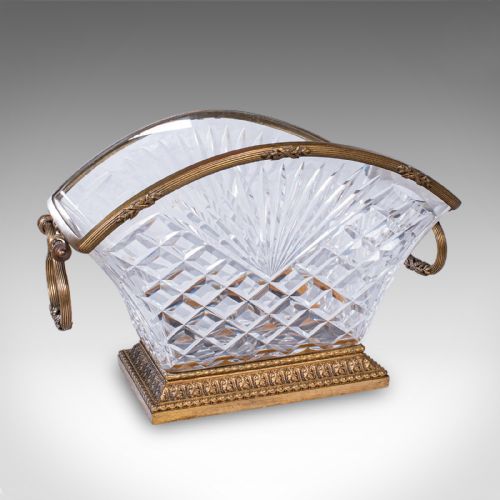
While some items served functional roles in domestic kitchens and dining rooms, others functioned as decorative centrepieces or commemorative objects. Buyers encounter everything from robust pottery bowls by Doulton to delicate cut glass and ormolu pieces intended for display.
How They Were Made
Makers shaped these vessels using traditional ceramic techniques, throwing pottery on wheels or moulding earthenware and porcelain before applying detailed hand-painted glazes, transfer prints, and majolica colour schemes. Metal pieces relied on sterling silver or silver plating over base metals, often enriched with intricate pierced work, floral engraving, or gilding.
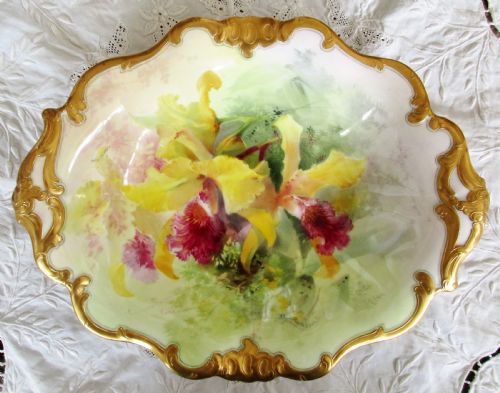
Many ceramic bowls benefited from specialised factories like Doulton and Coalport, where artists painted botanical or figurative scenes directly onto the body. Silver and metalware items from makers such as Elkington and Walker & Hall utilised advanced plating techniques and cast mounts, sometimes pairing metalwork with carved oak, turned walnut, or cut glass.
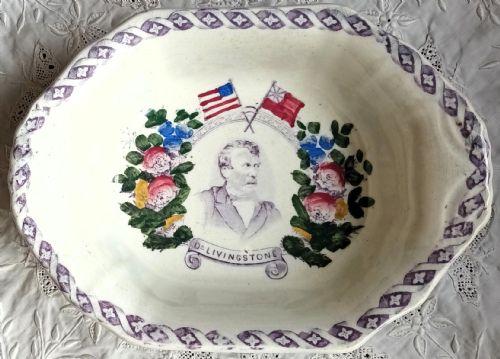
Some dining tables featured commemorative pottery celebrating Victorian explorers like Dr Livingstone right alongside everyday fruit dishes.
What Varies In Quality
The distinction between standard domestic items and exceptional pieces lies in the crispness of the modelling, the depth of the metal engraving, and the refinement of the ceramic glaze. Superior examples exhibit hand-painted detail by named artists, well-balanced proportions, and substantial weight in both silver and pottery.
Maker attribution and design provenance elevate certain pieces above standard production ware, particularly when associated with prominent designers like Christopher Dresser or esteemed potteries such as Doulton Lambeth. The preservation of original surface finishes, whether crisp silver plating or unblemished enamel and glaze, dictates the standing of each individual object.
Coalport·Meissen·Royal Doulton·Mann And Co·Christopher Dresser·Hukin And Heath·Walker And Hall·Doulton Burslem·Doulton Lambeth·Frank Butler·Hamilton And Inches·Martin Hall·Roberts And Belk·Daniel And Arter·Elkington And Co
The Victorian Serving Bowl Glossary
- Tureen
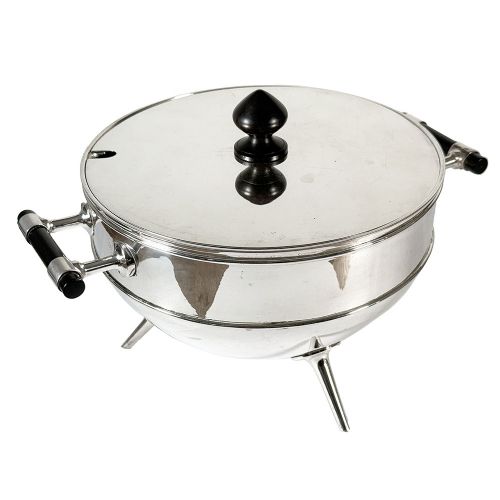
- A deep covered dish used for serving soups, stews, or gravies at the dining table. These vessels often sit on matching stands and may include paired handles.
- Majolica
- A type of earthenware covered with an opaque tin-glaze and painted with brightly coloured metal oxides. This technique produced robust, highly decorative Victorian salad bowls and serving dishes.
- Comport
- A raised dish or bowl used for serving fruit or sweetmeats during dessert courses. They frequently feature pedestals or footed bases.
- Transfer Print
- A decorative technique where a design is engraved on a copper plate, transferred to paper, and then applied to ceramic biscuitware before glazing. Blue and white patterns were especially popular.
- Silver Plate
- A manufacturing process where a thin layer of pure silver is fused to a base metal such as copper or Britannia metal. This method provided the opulent look of solid silver at a more accessible cost.
Victorian Serving Bowl: Frequently Asked Questions
What was a victorian serving bowl used for?
These vessels held various foodstuffs at the dining table, from leafy salads and boiled potatoes to fruits and elaborate desserts. Households deployed specific shapes according to the course being served during formal meals.
Larger items like tureens kept soups and gravies warm under fitted lids, while open bowls displayed fresh produce or preserved sweets for guests to help themselves.
How do I care for antique ceramic serving dishes?
Wash ceramic pieces gently by hand using mild soap and warm water, avoiding harsh abrasive scourers that can scratch historical glazes. Sudden temperature changes should be avoided to protect the underlying earthenware or porcelain.
Store them securely on stable surfaces, using felt pads between stacked items to prevent chipping along the rims and handles.
Are silver plated bowls durable?
Silver plate from the nineteenth century was constructed with heavy base metals designed to withstand regular domestic use. The durability depends entirely on the thickness of the original plating and how much wear it has experienced over generations.
Cleaning requires non-abrasive silver polishes applied with soft cloths to preserve the thin metallic layer while maintaining a bright shine.
How can I tell different nineteenth century periods apart?
Stylistic shifts offer the clearest clues, moving from the ornate Rococo Revival forms of the mid-nineteenth century to the stylised naturalism of the later Aesthetic Movement. Marks stamped into ceramics or metal bases provide definitive manufacturing dates and maker attributions.
Consulting factory registration marks and hallmarks helps narrow down the exact decade of production for marked pieces.