


Silver Menu Holder Clip
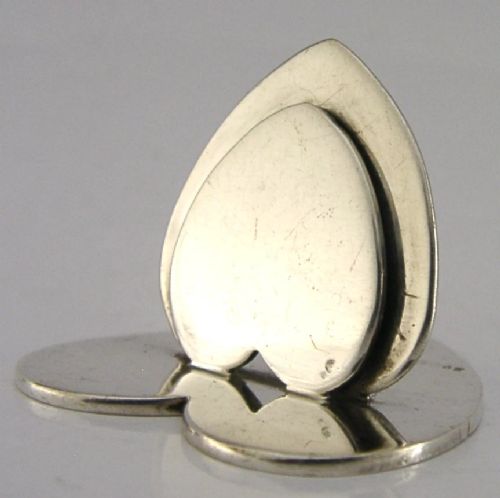
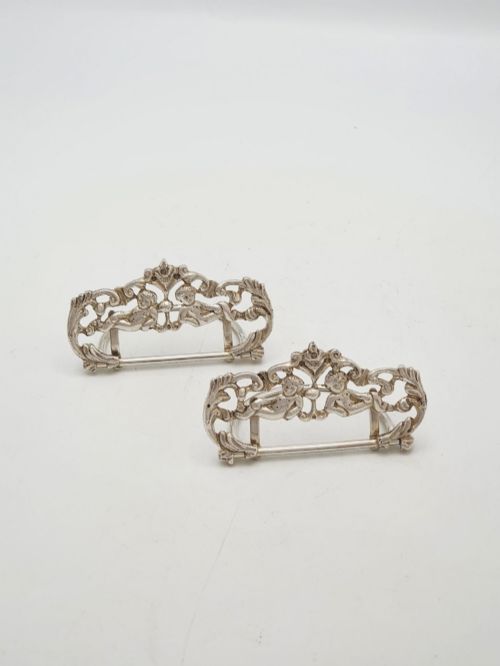
These silver menu holder clip designs bring dining tables to life, holding cards securely while reflecting the craftsmanship of past eras.
Silver Menu Holder Clip
A silver menu holder clip secures dining room cards upright upon the table during formal meals. When searching for this phrase, collectors encounter small yet intricate table accessories designed to display menus, place cards, or table numbers.
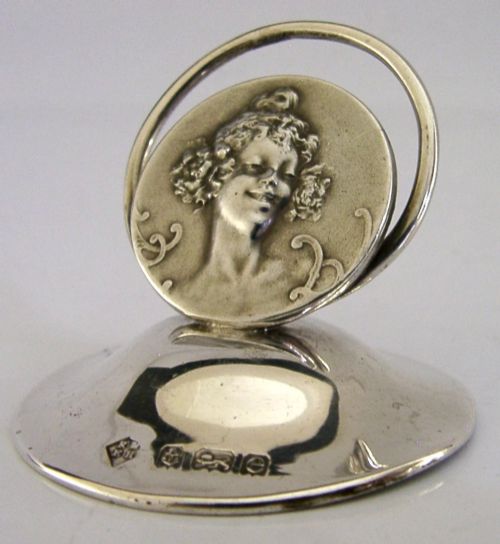
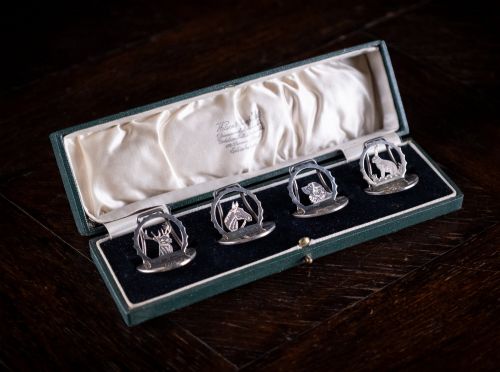
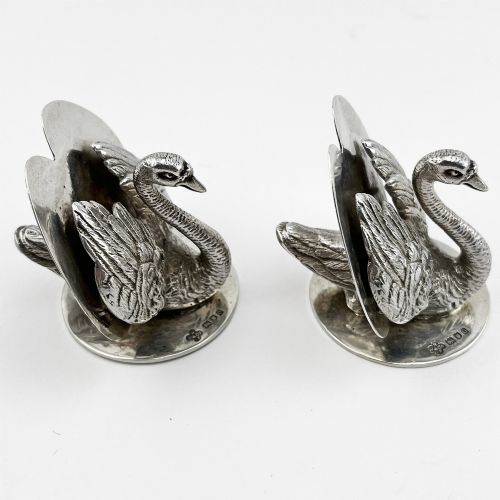
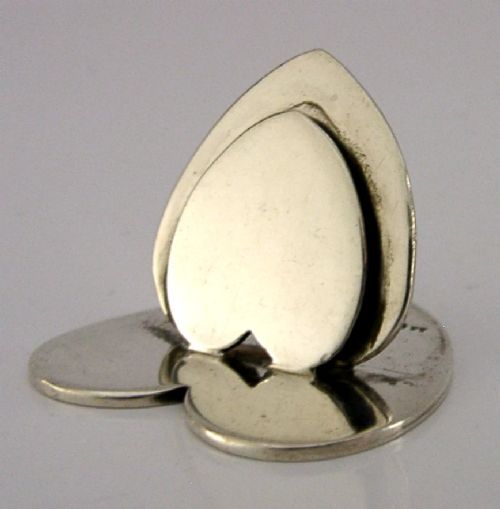
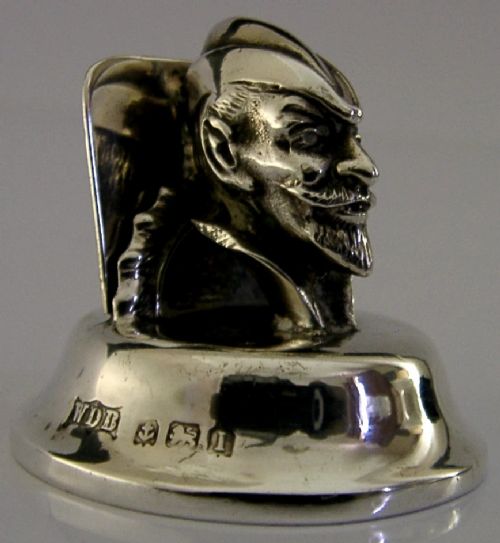
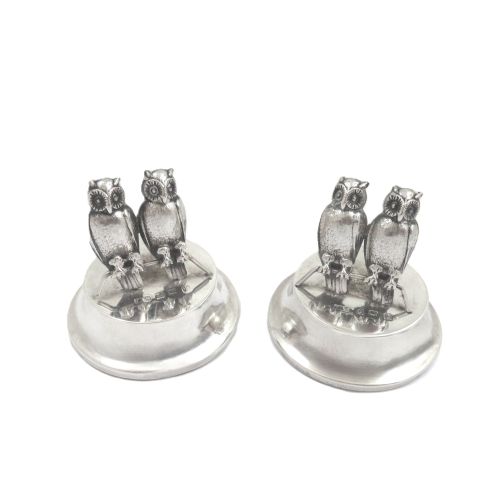
The pieces on this page appear primarily from the Edwardian and Victorian periods, alongside later twentieth-century examples up to the 1950s. Common decorative forms range from simple clips to figurative subjects including animals, birds, and literary characters like Alice in Wonderland.
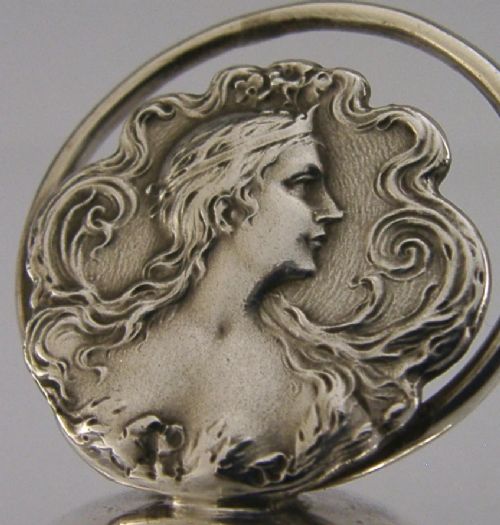
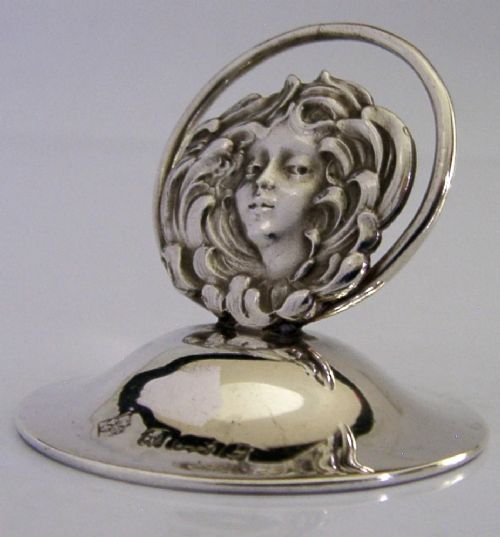
Makers produced these items in sterling silver and silver plate, occasionally incorporating enamel, glass, leather, or velvet details. Tableware accessories of this scale served practical functions in dining settings while showcasing distinct period styles from Art Nouveau to Art Deco and British Military.
Materials and methods of construction
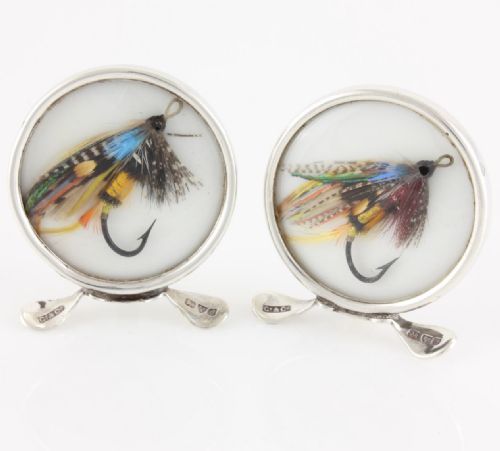
Silversmiths utilised sterling silver and silver plate as the primary structural materials for forming the clips and weighted bases. Many pieces incorporate supportive elements of leather, velvet, silk, or glass, while enamel provides colourful decorative accents to flags and pictorial motifs.
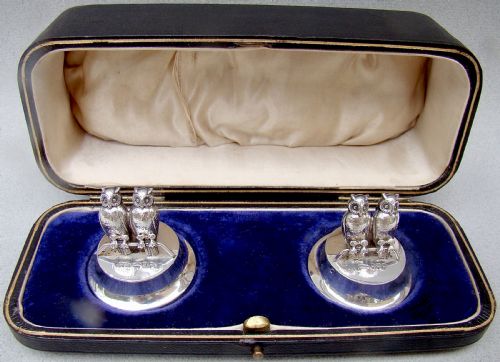
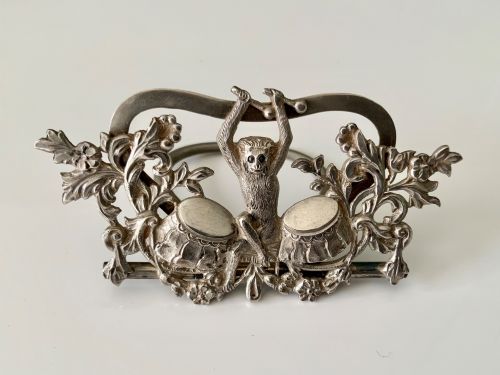
Techniques involved casting figurative elements such as cherubs, owls, monkeys, and maidens, then mounting them onto sturdy weighted bases equipped with spring clips or slots. Hallmarks stamped onto the metal record the assay office, city, and year of production for British items.
Dinners gained a touch of whimsy when guests were greeted by silver monkeys playing drums and owls peering from the table.
Distinctions in craftsmanship and design
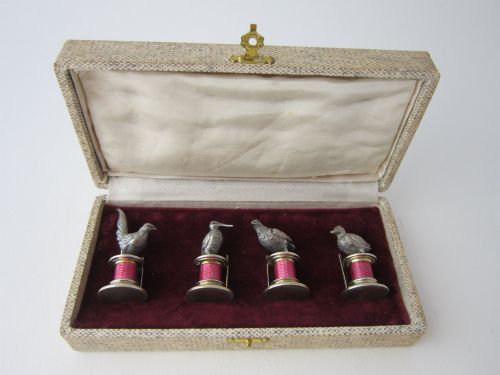
The presence of maker marks from noted workshops, complete matching pairs or sets, and original fitted presentation boxes separate exceptional items from single pieces. Maker attribution and specialised thematic forms, such as military insignia or literary characters, significantly influence the character of the object.
Sampson Mordan·Levi and Salaman·A. Wilcox·Grey and Co·Asprey
The Silver Menu Holder Clip Glossary
- Sterling silver
- An alloy containing 92.5 percent silver by weight, used extensively for British tableware accessories. This standard ensures durability while maintaining a bright metallic lustre.
- Assay office
- An official body that tests the purity of precious metals and stamps items with hallmarks. Marks from cities like Birmingham, Chester, and London indicate where pieces were tested.
- Place card holder
- A small desk or table accessory designed to hold a name card for guests at a dinner party. They often share forms and mechanisms with menu clips.
- Enamel
- A glassy substance melted onto the surface of metal through heat to provide colour and decoration. It appears on flags and decorative panels within this category.
- Art Nouveau
- A stylistic movement prominent in the late nineteenth and early twentieth centuries, characterised by sinuous lines and natural forms. Maidens and flowing plant motifs reflect this aesthetic.
Silver Menu Holder Clip: Frequently Asked Questions
What are silver menu clips used for?
These pieces stand on dining tables to hold menus, place cards, or table numbers upright for guests to read easily.
They combine practical utility with ornamental design, serving as decorative table accessories during formal meals.
Are these items sold as pairs or sets?
Many table accessories appear as pairs or larger matching sets intended for balanced placement along a dining table. Complete sets of four or more items are particularly noted in twentieth-century examples.
Single pieces also occur frequently, featuring distinct figural subjects such as birds or literary characters.
What materials accompany the silver?
While sterling silver and silver plate form the main body, makers incorporated enamel to add colour to flags and badges. Some examples include leather, velvet, silk, or glass components within their construction or presentation boxes.