



Silver Table Name Marker
A silver table name marker brings elegance to formal dining, holding place cards and menus with polished charm.
Silver Table Name Marker
A silver table name marker acts as a decorative support for place cards and menus during formal dining occasions. These pieces organise seating arrangements while adding a gleaming detail to the dining surface.
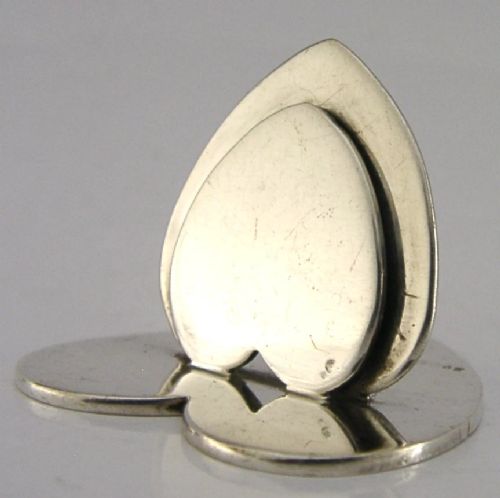
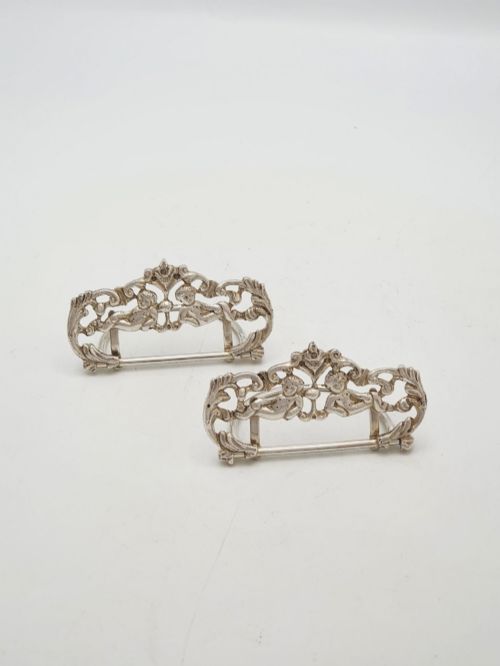
Most examples found here date from the Victorian and Edwardian eras, extending into the 1920s and 1930s. They take the form of menu holders, place card holders, and menu card holders in various imaginative designs.
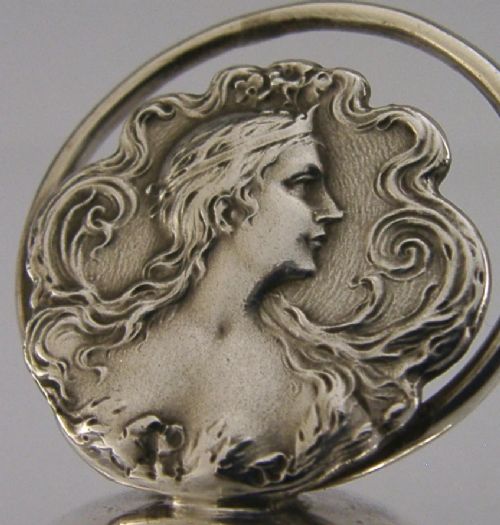
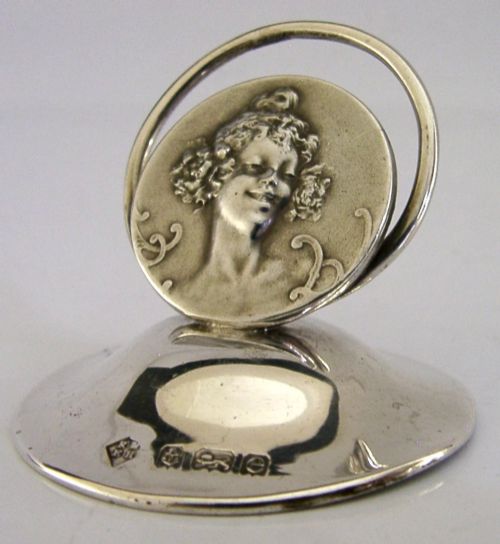
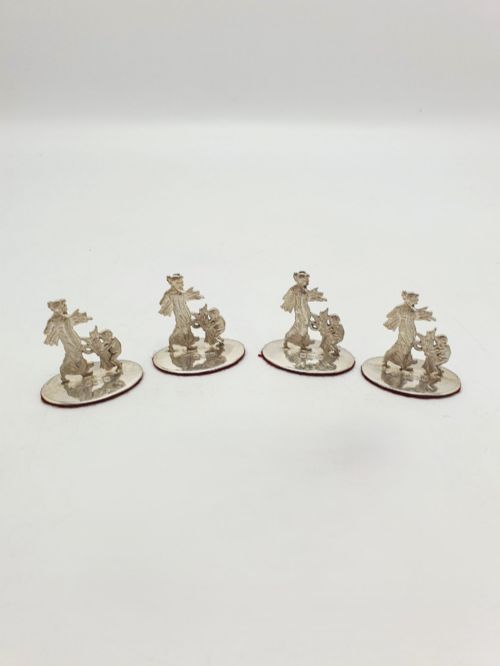
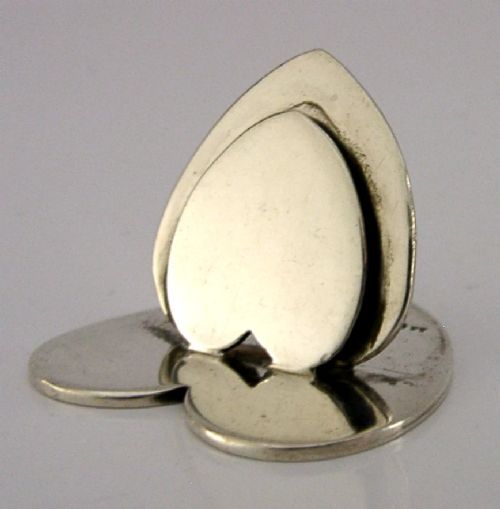
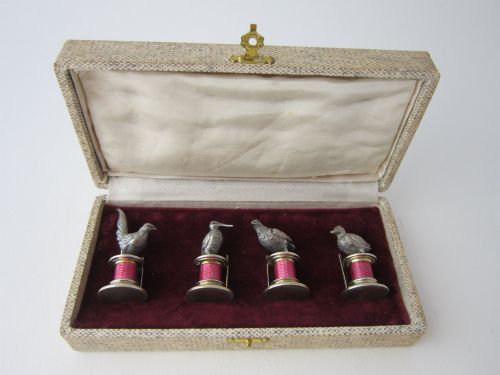
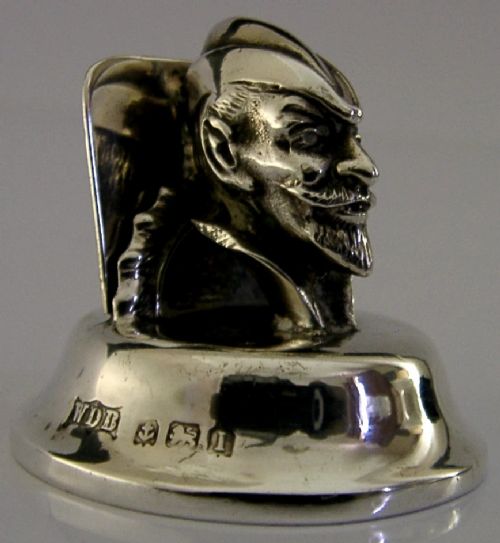
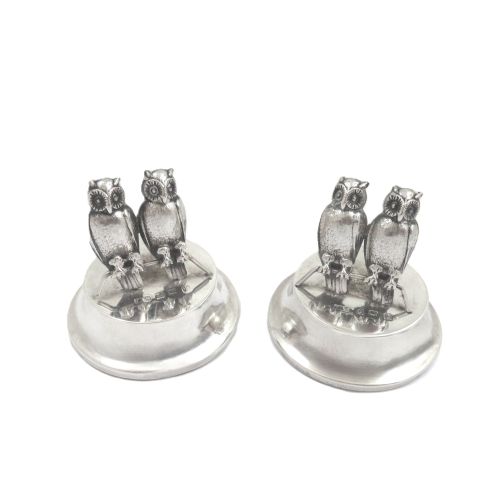
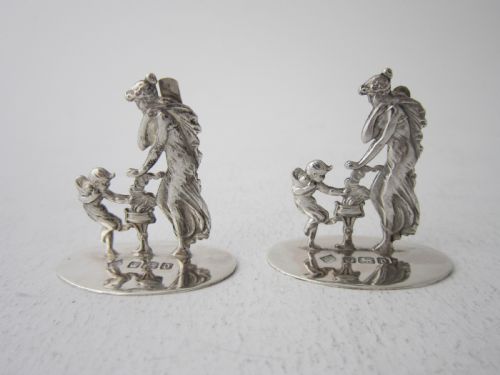
Makers fashioned these accessories into figural shapes, hearts, birds, and architectural sentry boxes. Such varied forms reflect the changing tastes of dining culture across the late nineteenth and early twentieth centuries.
What varies in quality
Quality rests upon the crispness of the casting and the imaginative depth of the figural modelling. Examples depicting complex subjects such as figures, animals, or enamelled details demonstrate greater artisan skill than plain geometric designs.
The reputation of the maker and the preservation of original surface finishes influence the character of each piece. Maker marks and clear hallmarks also contribute to the distinction between standard production items and distinguished workshop output.
Dinners gained extra character when guests sat opposite tiny silver sentry boxes and watchful owls holding their menus.
Sampson Mordan·Liberty
The Silver Table Name Marker Glossary
- Sterling silver
- A silver alloy containing 92.5 percent pure silver and 7.5 percent other metals, usually copper, ensuring strength. This standard alloy dominates British antique table silver.
- Guilloche enamel
- Decorative enamel featuring precise, intricate mechanical patterns engraved beneath a translucent coloured coating. It adds vibrant colour to Edwardian and later pieces.
- Menu holder
- A small upright stand designed to display the evening bill of fare on a dining table. They match the aesthetic of accompanying place card markers.
- Figural
- Representing a human or animal form in three dimensions. These detailed models are particularly sought after by collectors.
- Hallmark
- An official stamp applied by an assay office to indicate the purity of the metal, the maker, and the year of manufacture. It provides reliable dating for antique silver.
Silver Table Name Marker: Frequently Asked Questions
How were menu holders used?
Menu holders were placed along the dining table to display the courses for the meal, allowing guests to see what dishes would be served. Wealthy households often used matching sets alongside individual place card holders.
In modern settings, they serve a similar decorative function for dinner parties, weddings, or festive gatherings, holding name cards or small notes.
How do I date an antique menu holder?
Dating antique silver relies primarily on the assay office hallmarks stamped directly onto the metal. These marks include symbols for the maker, the city of assay, and a specific date letter.
Stylistic clues also help determine the period, as Victorian pieces often feature floral or cherubic motifs, while Edwardian and Art Nouveau examples display flowing lines or figural subjects.
What materials are used in these pieces?
The primary material is sterling silver, though some pieces incorporate silver plate. Additional decorative elements often include coloured enamel or guilloche enamel for visual contrast.
Associated display items from the period might also feature touches of velvet, silk, or leather within their presentation or backing structures.