

Silver Mechanical Wrist Watch
A silver mechanical wrist watch delivers a tangible connection to mid-century engineering, offering collectors precise gear trains and enduring metal cases.
Silver Mechanical Wrist Watch
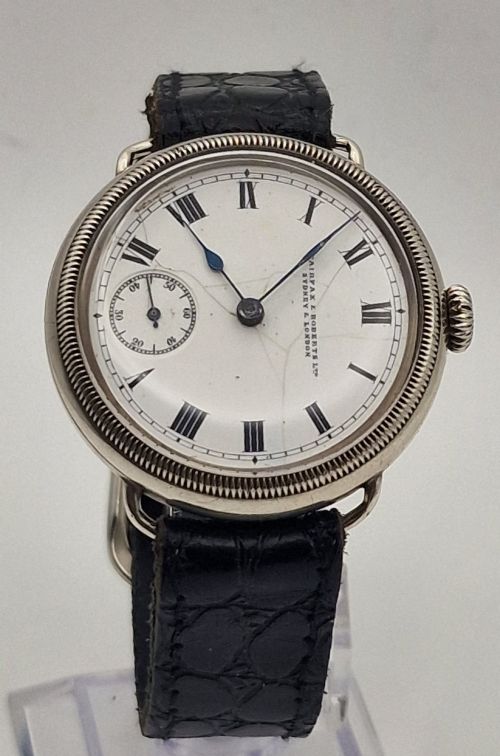
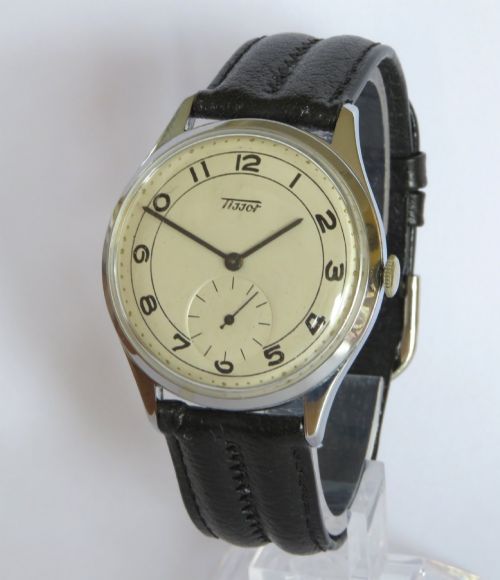
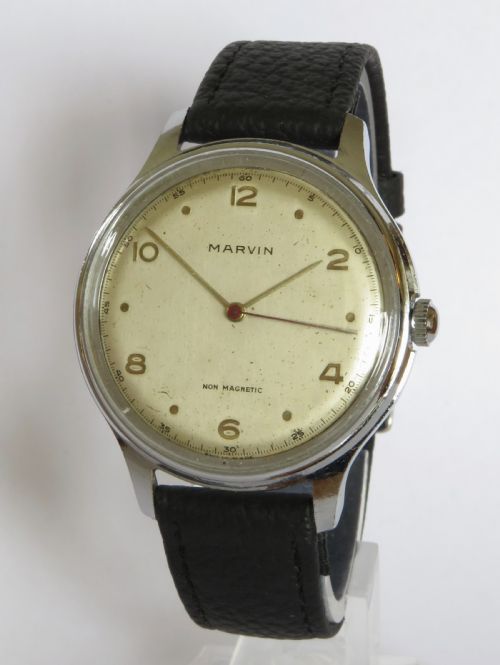
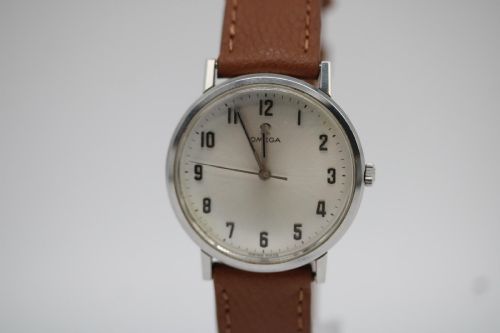
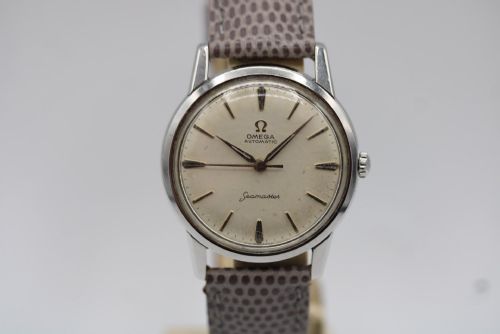
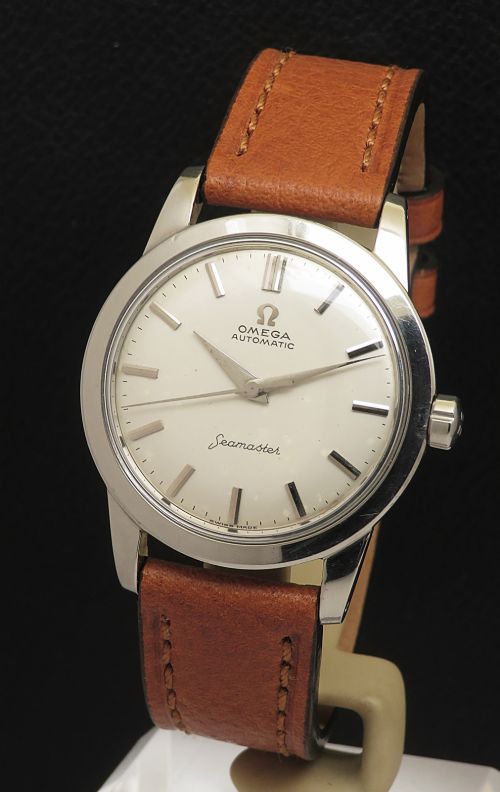
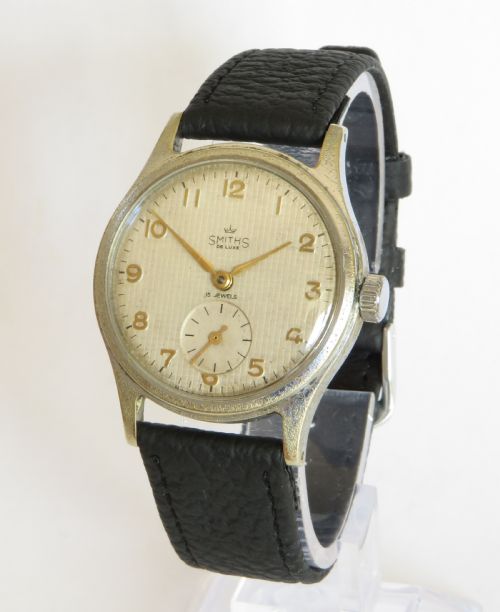
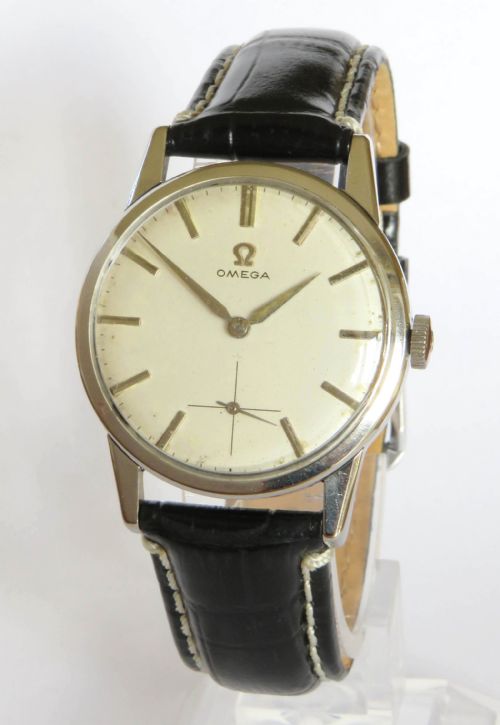
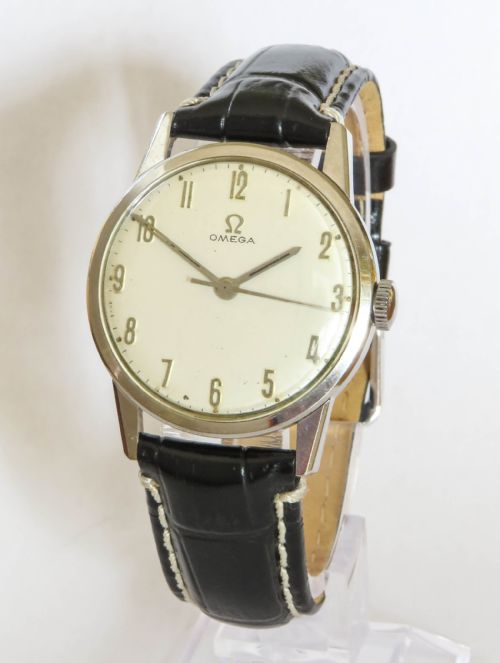
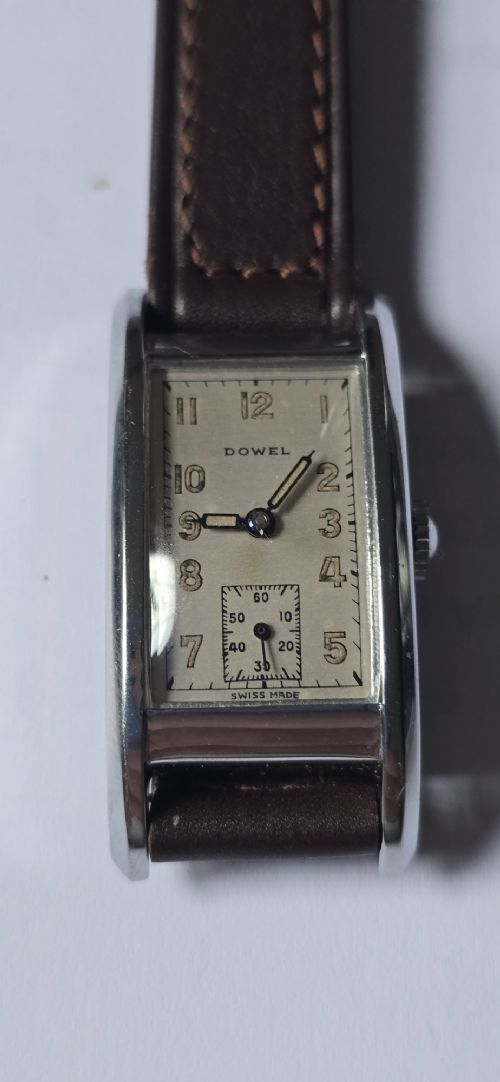
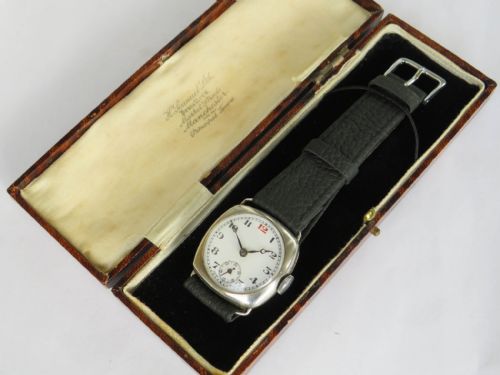
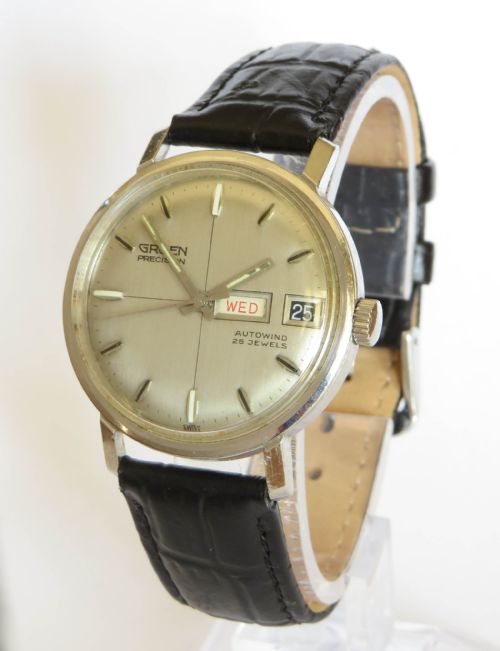
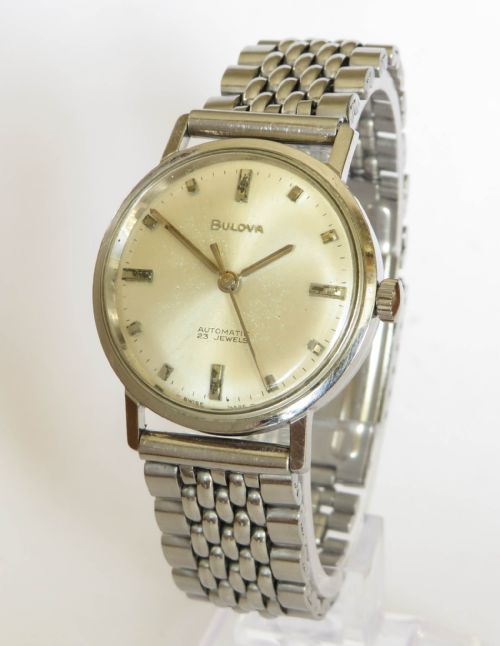
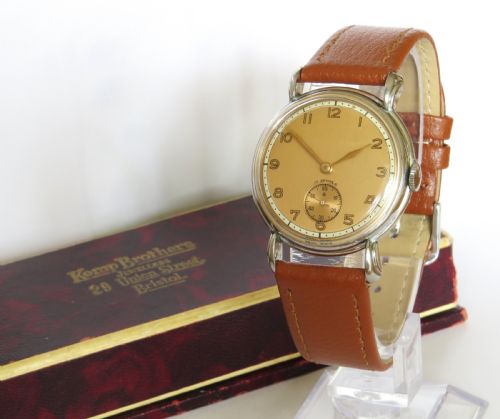
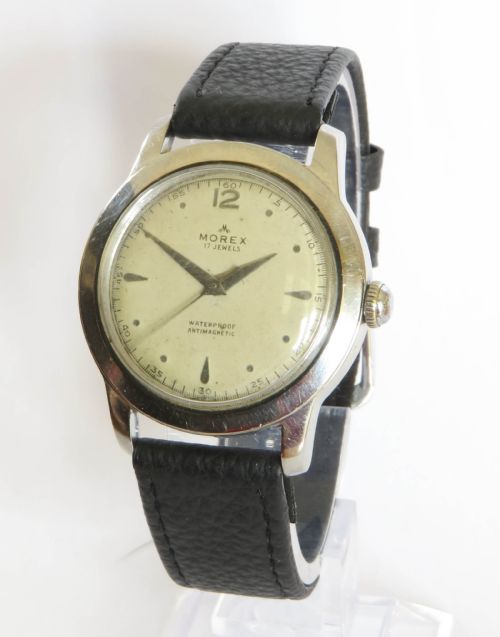
When you search for a silver mechanical wrist watch, you encounter timepiece designs spanning the 1920s to the 1960s, encompassing styles from Art Deco tank shapes to mid-century modern round cases. These horizontal instruments combine winding mechanisms or automatic movements with precious metal or chrome housings, often paired with leather straps.
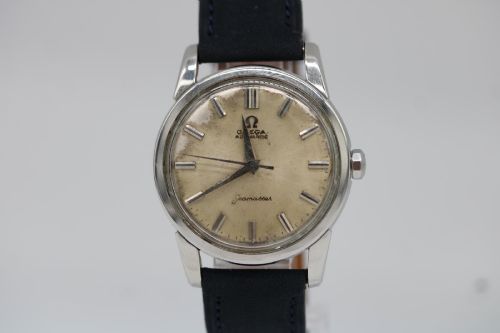
The versions most frequently met on this page originate from the 1950s and 1960s, featuring brands like Omega, Smiths, and Bulova alongside Swiss movements. They serve as daily wear items or focal points for horological display, retaining their utility decades after initial production.
How They Were Made
Casings utilise sterling silver, stainless steel, and 18ct white gold, shaped into round, square, or curved silhouettes designed to sit flush against the wrist. Dials incorporate glass, acrylic, and enamel components, sometimes featuring patinated surfaces or honeycomb textures.
Internal architecture relies on mechanical movements, manual wind calibres, and auto-wind mechanisms housing complex gear trains. Leather straps complete the assembly, secured by metal buckles.
Silver Mechanical Wrist Watch Retail Price Guide 2026
Typical asking prices for silver mechanical wrist watch among the pieces listed under this phrase on Sellingantiques today, from the lower quarter to the upper quarter. They describe what is for sale here now, not the wider market.
A tiny ticking heart on your wrist powered entirely by coiled steel and your own daily movements.
What Varies in Quality
The upper tier of these timepieces distinguishes itself through original factory components, unpolished case edges, and signed movements from esteemed Swiss or British makers. Dial preservation dictates distinction, where legible printing and untouched hands elevate a piece far above heavily refinished examples.
Build integrity rests on the precision of the mechanical movement and the retention of original case hallmarks or manufacturer signatures. Lesser examples exhibit heavy metal pitting, replaced dials, or mismatched internal components that obscure the original maker's intent.
Omega·Smiths·Bulova·Longines·Rolex·Zenith·Gruen·Eterna
The Silver Mechanical Wrist Watch Glossary
- Calibre
- The specific internal movement designation used by a manufacturer to identify the mechanical layout and size of the watch mechanism.
- Tank watch
- A rectangular timepiece design characterised by vertical brancards that integrate the strap lugs into the case silhouette.
- Automatic
- A self-winding mechanical movement that uses a weighted rotor to tension the mainspring through natural wrist motion.
- Hermetic
- A dust and moisture resistant case construction featuring an inner sealing cap beneath the outer protective shell.
- Chronograph
- A watch equipped with independent sweep-second functionality used for measuring elapsed time intervals.
Silver Mechanical Wrist Watch: Frequently Asked Questions
How do I wind a mechanical watch?
Rotate the crown clockwise between your thumb and forefinger until you feel gentle resistance from the mainspring.
Avoid over-winding the mechanism once tension builds to prevent internal damage to the gear train.
Are these watches waterproof?
Most vintage pieces lack modern rubber gaskets and modern pressure seals, making them vulnerable to moisture.
Keep them away from swimming and heavy rain to protect the internal paper dials and steel movements.
What is a bumper automatic movement?
An early self-winding design where an internal weighted rotor swings back and forth against internal springs rather than rotating fully.
Wearers can feel a gentle physical tap on the wrist as the weight moves while walking.
How do I date my watch?
Examine serial numbers stamped on the inside of the case back or engraved directly onto the movement plates.
Cross-reference these numbers with manufacturer production ledgers to establish the manufacturing decade.